
Ask Pulse Ai
Services
Knowledge Hub
Resources
Tools
Ask Pulse Ai
Services







©PropTech Pulse 2025, All rights reserved.

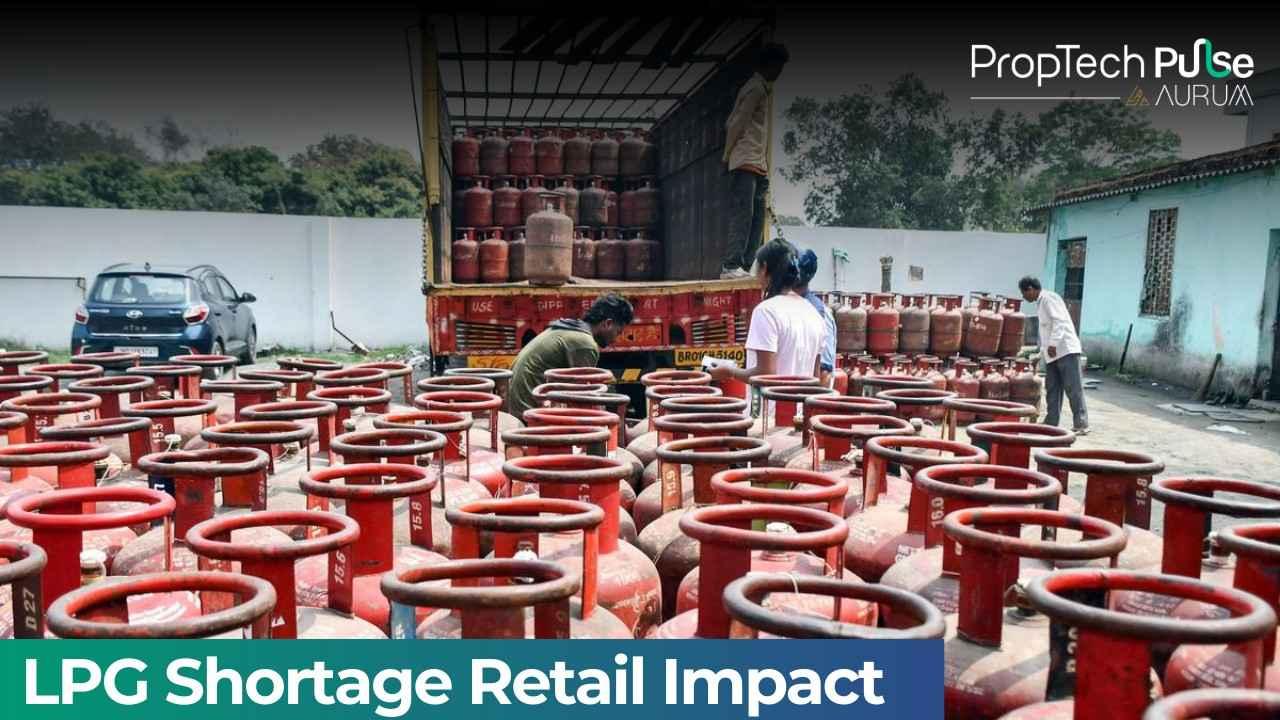
LPG Shortage Affecting Restaurant Operations
A supply disruption in liquefied petroleum gas (LPG) has begun to affect restaurant operations in parts of India, raising concerns across the hospitality and retail sectors. Restaurants rely heavily on LPG for daily cooking operations, and supply disruptions can significantly impact their ability to serve customers and maintain business continuity.
As operational challenges increase, restaurant owners and operators are evaluating how rising costs and supply constraints could influence their overall financial stability. Since many restaurants operate within leased retail spaces, such disruptions may also begin to affect the broader retail real estate ecosystem.
Rising Costs and Operational Pressures
Restaurants typically operate on tight profit margins, and sudden disruptions in LPG supply can lead to higher operational costs or temporary business interruptions. In such circumstances, restaurant operators may seek alternative fuel arrangements or face increased expenditure to maintain operations.
For businesses located in high-street retail areas or shopping complexes, rent constitutes a significant portion of operating expenses. When operational challenges intensify, tenants may approach landlords to renegotiate rental agreements or request temporary relief.
Market Impact: Potential Pressure on Retail Rents
Retail property markets often respond to shifts in tenant profitability. If restaurant operators experience sustained operational stress due to the LPG crisis, landlords could face requests for rent revisions or flexible lease arrangements.
Food and beverage outlets are key tenants in many retail locations because they attract footfall and support the broader retail ecosystem. Any disruptions affecting this segment can have ripple effects across retail centres, high streets, and shopping districts.
Strategic Implication: Tenant–Landlord Negotiations May Increase
Industry observers note that prolonged operational disruptions may lead to increased negotiations between tenants and landlords. Restaurant operators may seek adjustments such as temporary rent reductions, revenue-linked rent models, or revised lease terms to manage short-term financial pressures.
For property owners, maintaining stable occupancy in retail spaces is often a priority, which can encourage collaborative approaches to lease renegotiation during periods of economic or operational stress.
Conclusion: Retail Real Estate Sensitive to Operational Shocks
The LPG crisis illustrates how external factors affecting specific industries can influence broader real estate markets. Restaurants are a crucial component of retail ecosystems, and challenges facing this sector may indirectly affect retail property performance.
While the long-term impact will depend on how quickly supply conditions stabilise, the situation highlights the interconnected nature of business operations and commercial real estate dynamics.
Enjoyed this update? Visit PropTech Pulse for more real estate news and market insights.




Unlock the Latest in Real Estate
News, Infographics, Blogs & More! Delivered to your inbox.