
Ask Pulse Ai
Services
Knowledge Hub
Resources
Tools
Ask Pulse Ai
Services







©PropTech Pulse 2025, All rights reserved.

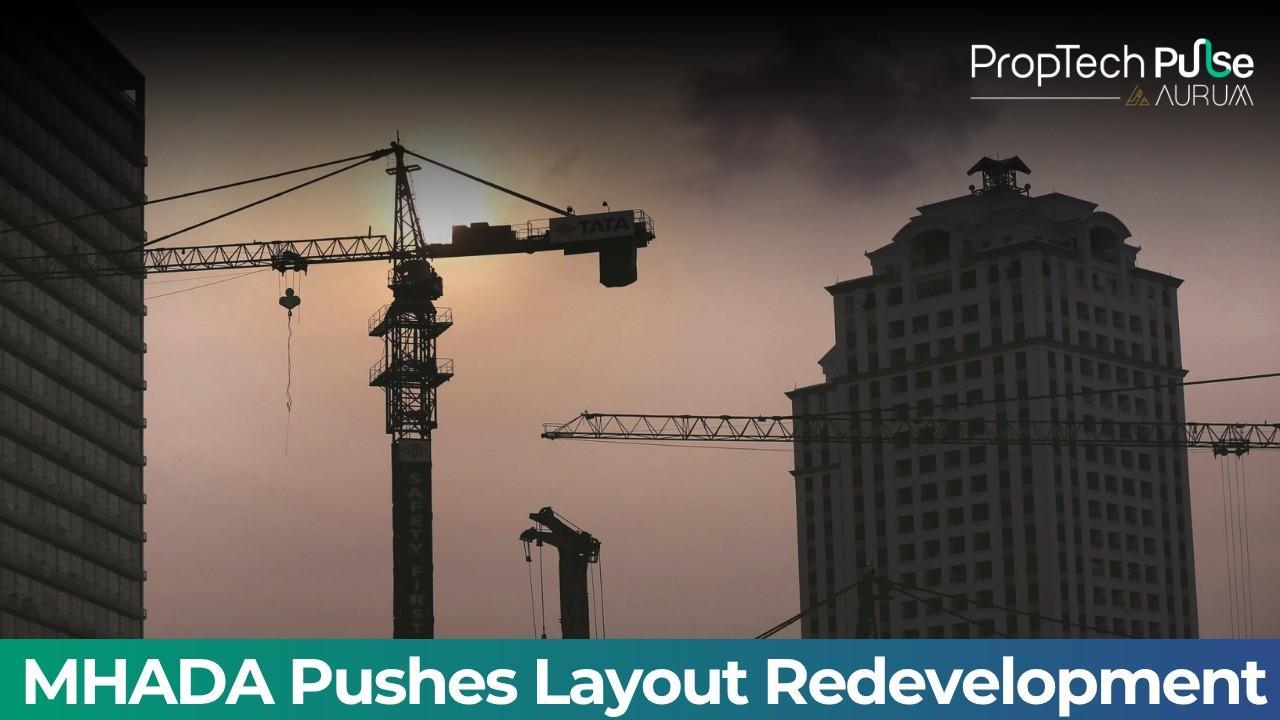
The Maharashtra Housing and Area Development Authority (MHADA) has launched a major initiative to prioritise the redevelopment of ageing housing layouts in Mumbai, Pune, and Nashik. Many of these residential clusters were constructed between 40 and 45 years ago and have reached a state where repeated structural repairs are no longer cost-effective. By shifting the focus toward brownfield redevelopment, the authority aims to modernise deteriorating infrastructure while simultaneously unlocking high-value land parcels to create a fresh supply of affordable housing units in established urban centres.
The Shift Toward Cluster-Based Redevelopment
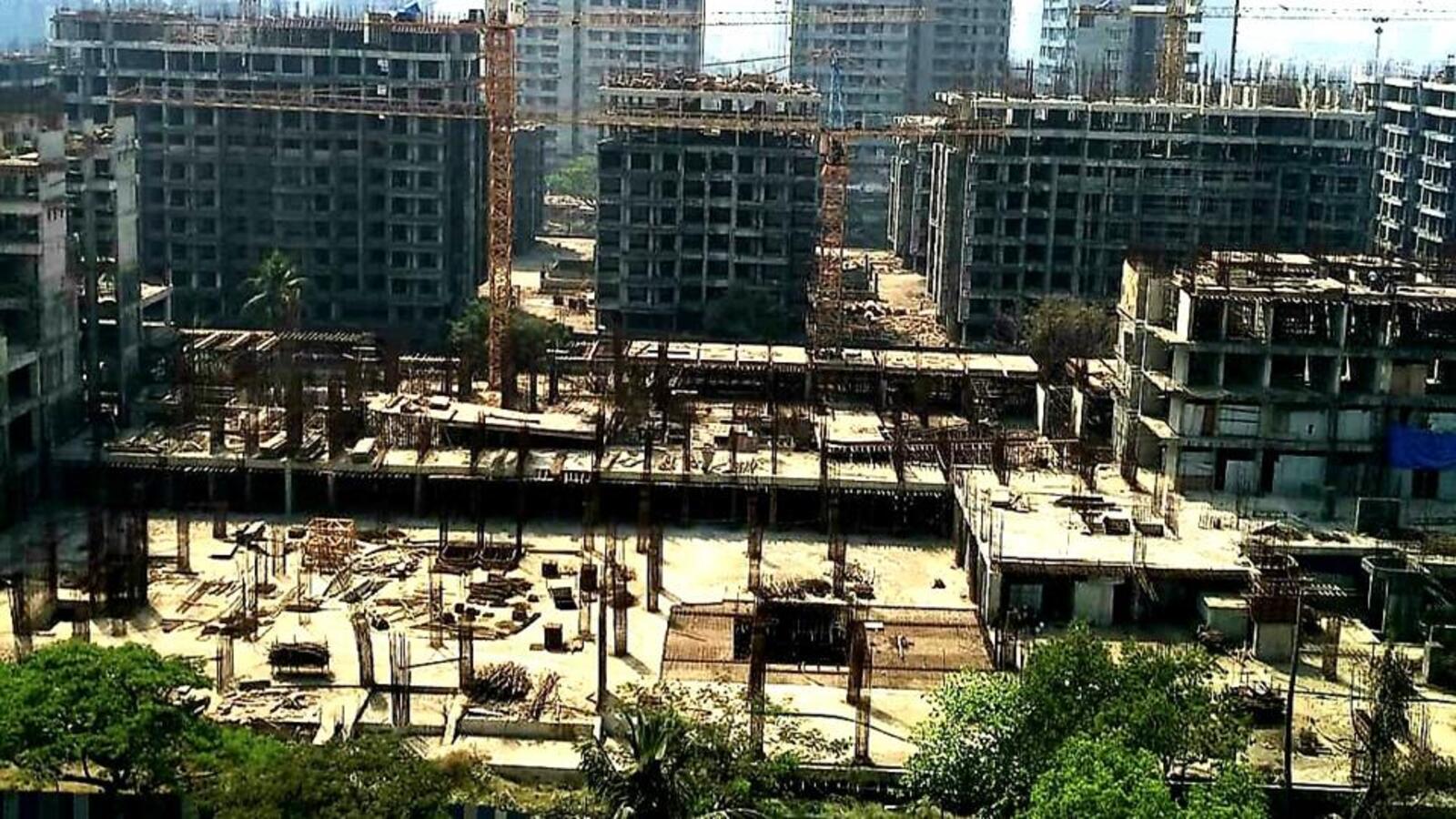
In a departure from historically fragmented efforts, MHADA is now emphasising large-scale cluster redevelopment. This strategy involves redeveloping entire layouts as integrated projects rather than approving individual building proposals. In Mumbai alone, the authority oversees 114 layouts in the suburbs, with cluster projects covering approximately 800 to 1,000 acres currently in various stages of approval or tendering. Key benefits of this model include:
- Enhanced Living Standards: Existing residents occupying small units of 160–200 sq ft are eligible to receive rehabilitated homes of 550–650 sq ft.
- Integrated Infrastructure: Cluster projects allow for the synchronised development of road networks, green spaces, and community amenities that individual building revamps cannot provide.
- Supply Generation: Over the next six to seven years, MHADA expects to receive nearly 20,000 new affordable housing units from these projects, which will be sold at rates linked to government ready reckoner prices.
Major Projects and Micro-Market Developments
Several landmark projects have reached advanced planning or tendering phases. In Mumbai’s western suburbs, the focus is concentrated on prime localities including Motilal Nagar (spanning 143 acres), Adarsh Nagar in Worli, Bandra Reclamation (98 acres), and SVP Nagar. Additionally, massive proposals for the 250-acre Charkop layout and the 200-acre Gorai layout are slated for state cabinet approval in the near term. In Nashik, the authority and the local municipal corporation (NMC) are streamlining land transfer issues to fast-track similar redevelopment and affordable housing quotas.
Strengthening Financial and Policy Frameworks
MHADA’s financial capacity to execute these ambitious plans has improved significantly, with funds increasing from ₹150 crore in mid-2023 to over ₹5,000 crore in 2026, primarily due to premiums collected from private developers. Simultaneously, the authority is drafting a new rental housing policy in consultation with stakeholders like NAREDCO. This policy aims to incentivise private participation in the rental segment, targeting yields of 4–4.5% to provide flexible accommodation for students, working professionals, and medical tourists in urban hubs.
Regulatory Reforms and Faster Implementation
To address historical delays caused by tenant disputes and administrative hurdles, the Maharashtra government has directed the Urban Development Department to fast-track approvals for 388 specific MHADA buildings in Mumbai. Acting Housing Minister Shambhuraj Desai emphasised a move toward quicker decision-making and the creation of a clear "exit policy" for redevelopment projects. By leveraging the Construction and Development Agreement (CDA) model with private partners, MHADA intends to complete these large-scale revitalisations within a five to ten-year cycle, setting the stage for the sustainable urban expansion known as "Mumbai 3.0".
Enjoyed this update? Visit PropTech Pulse for more real estate news and market insights.




Unlock the Latest in Real Estate
News, Infographics, Blogs & More! Delivered to your inbox.