
Ask Pulse Ai
Services
Knowledge Hub
Resources
Tools
Ask Pulse Ai
Services







©PropTech Pulse 2025, All rights reserved.

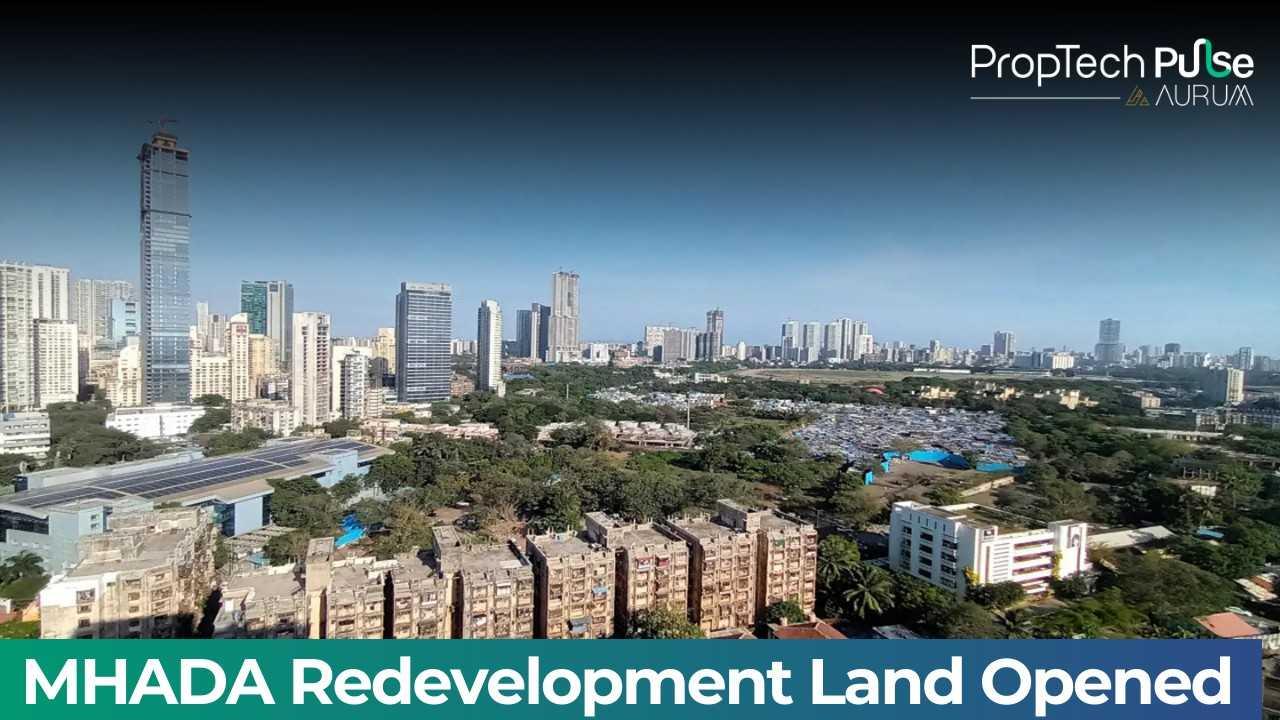
Cluster Redevelopment Reshaping Mumbai’s Urban Landscape
Cluster redevelopment initiatives in Mumbai have opened up between 800 and 1,000 acres of land over the past year, according to MHADA CEO Sanjeev Jaiswal. The redevelopment approach aims to transform ageing housing clusters into modern residential developments while optimising land utilisation in one of India’s most densely populated cities.
The Maharashtra Housing and Area Development Authority (MHADA) has been actively promoting cluster redevelopment projects as part of a broader strategy to improve housing conditions and modernise older neighbourhoods across Mumbai.
Redevelopment Unlocking Valuable Urban Land
Cluster redevelopment involves redeveloping multiple adjoining buildings or housing clusters as a single integrated project. This approach enables planners to reorganise land use more efficiently, create improved infrastructure, and provide residents with upgraded housing units in newly constructed buildings.
By consolidating land parcels across older housing colonies, the redevelopment process can unlock significant land potential that would otherwise remain underutilised due to fragmented property ownership.
Urban Renewal and Housing Demand
Mumbai’s ageing housing stock and limited availability of vacant land have made redevelopment a key strategy for expanding residential supply. Many buildings across the city were constructed decades ago and now require structural upgrades or complete redevelopment.
Cluster redevelopment allows authorities and developers to replace outdated structures with modern residential towers that include improved safety features, better infrastructure, and enhanced living conditions for residents.
Market Impact: Potential Increase in Housing Supply
Opening up large land parcels through redevelopment can create opportunities for new housing developments in areas where land availability is extremely limited. The additional land unlocked through cluster redevelopment may help support future residential construction projects across the city.
Such initiatives may also encourage developers to participate in redevelopment projects by providing larger development parcels compared with individual building redevelopment.
Strategic Implication: MHADA’s Role in Urban Transformation
According to MHADA CEO Sanjeev Jaiswal, cluster redevelopment has emerged as an important tool for reshaping Mumbai’s urban infrastructure and addressing the challenges posed by ageing housing stock. By enabling the redevelopment of multiple buildings together, authorities can create more organised urban environments.
This redevelopment model may also improve infrastructure planning by allowing space for wider roads, better public amenities, and upgraded utilities within redeveloped areas.
Conclusion: Redevelopment Unlocking New Development Opportunities
The opening of 800–1,000 acres of land through cluster redevelopment highlights the scale of transformation underway in Mumbai’s housing sector. As redevelopment initiatives continue, they may play a crucial role in increasing housing supply and improving urban living conditions.
With strong demand for housing in the city and limited land availability, redevelopment projects are expected to remain a key strategy for shaping Mumbai’s future urban landscape.
Enjoyed this update? Visit PropTech Pulse for more real estate news and market insights.



Ask Pulse Ai anything about real estate

Unlock the Latest in Real Estate
News, Infographics, Blogs & More! Delivered to your inbox.