New Launch - India Real Estate Report 2026.

Services
Knowledge Hub
Resources
Tools

Ask Pulse Ai
©PropTech Pulse 2025, All rights reserved.


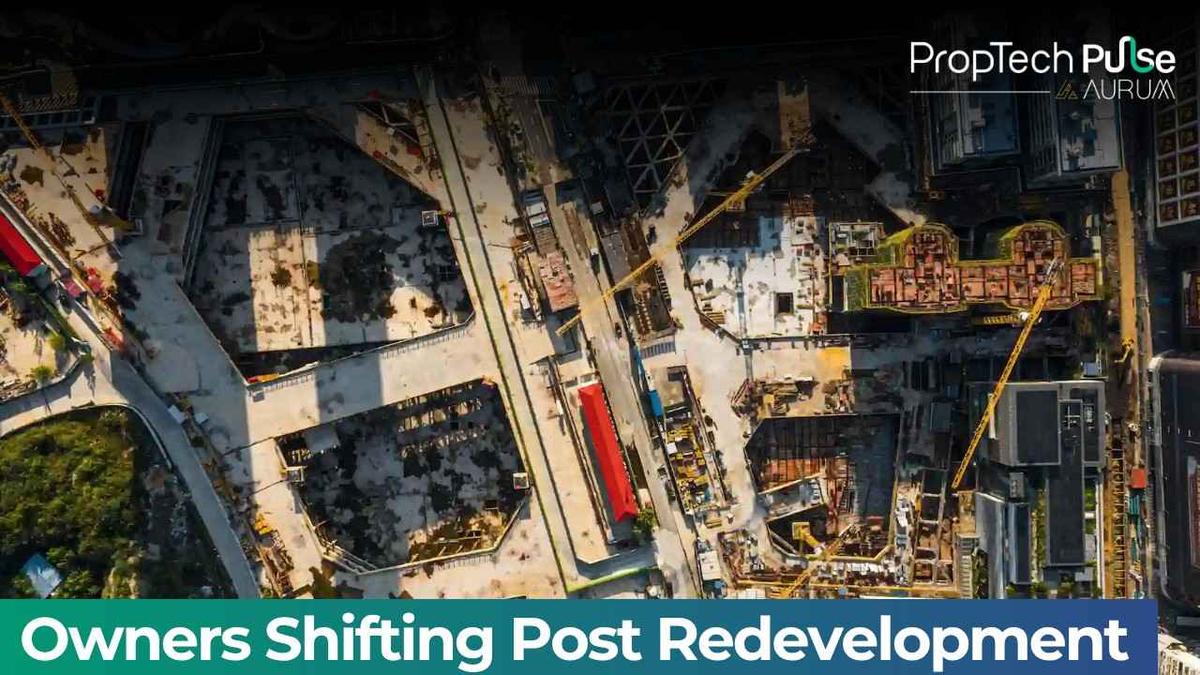
While the primary goal of Mumbai’s redevelopment segment is to provide ageing housing stock with a new lease of life, a distinct trend has emerged in 2026 where approximately 10% of residents choose not to return to their new homes. Although redevelopment offers larger flats and upgraded amenities, many homeowners find that the temporary relocation gradually transforms into a permanent lifestyle shift during the typical three-to-five-year construction cycle. Experts note that while 90% eventually move back, a small but significant portion views the completion of the project as the ideal moment for a strategic exit.
Why Life Changes Outweigh Emotional Attachment
The "why" behind this choice is often rooted in evolving personal circumstances during the interim years. Many residents, particularly senior citizens, who move to peripheral areas or different cities like Ahmedabad for cheaper living, find themselves accustomed to a slower pace and a cleaner environment. By the time the Mumbai keys are ready, they have established new social circles and routines, leading them to retain the redeveloped flat purely as a high-value investment asset. For these owners, the disruption of moving back is seen as a social and logistical burden.
Where the Burden Hits Hardest: High Maintenance Costs
In terms of location and building type, the shift is most pronounced in luxury high-rises that replace older, low-maintenance structures. Modern towers featuring elevators, gyms, and 24-hour security often see maintenance costs surge from hundreds to thousands of rupees per month. For middle-class families or retirees on fixed pensions, these hidden monthly costs act as a massive deterrent. Consequently, many choose to sell their premium redeveloped units and relocate to larger, more affordable homes in growing suburbs like Thane or Navi Mumbai.
Importance of the Early Exit and Market Upgrades
The importance of this trend highlights a growing segment of "early exit" agreements. Real estate data shows that roughly 20-30% of members in premium projects opt to sell their flats directly to the developer at the agreement stage rather than wait for completion. This allows residents to avoid years of construction uncertainty and relocation inconveniences while unlocking substantial wealth immediately. For developers, these buyouts provide additional stock to sell at market premiums, fueling a cycle of modern, high-spec residential delivery in prime micro-markets like Bandra and Borivali.
Key Data on Resident Choices and Costs
- Approximately 10% of homeowners choose not to move back after project completion.
- 20-30% of members often opt to exit early by selling to the developer.
- Redeveloped flats can command a 20-25% premium in selling price over older units.
- Hardship compensation and rental support (up to ₹1.50 lakh/month in Bandra) facilitate the transition period.
Conclusion: A New Chapter in Urban Mobility
Ultimately, the decision not to return to a redeveloped home is a sign of a maturing real estate market where financial stability and lifestyle quality take precedence over historical ties. As Mumbai continues its vertical expansion, the flexibility provided by developers through buyout options and rental support is empowering a new era of urban mobility. While the "old neighbourhood" feel may be lost in the transition to modern high-rises, the capital gains and improved living standards offered by redevelopment ensure that for many, the move away is the start of a more prosperous chapter.
Enjoyed this update? Visit PropTech Pulse for more real estate news and market insights.


