
Services
Knowledge Hub
Resources
Tools
Services







©PropTech Pulse 2025, All rights reserved.

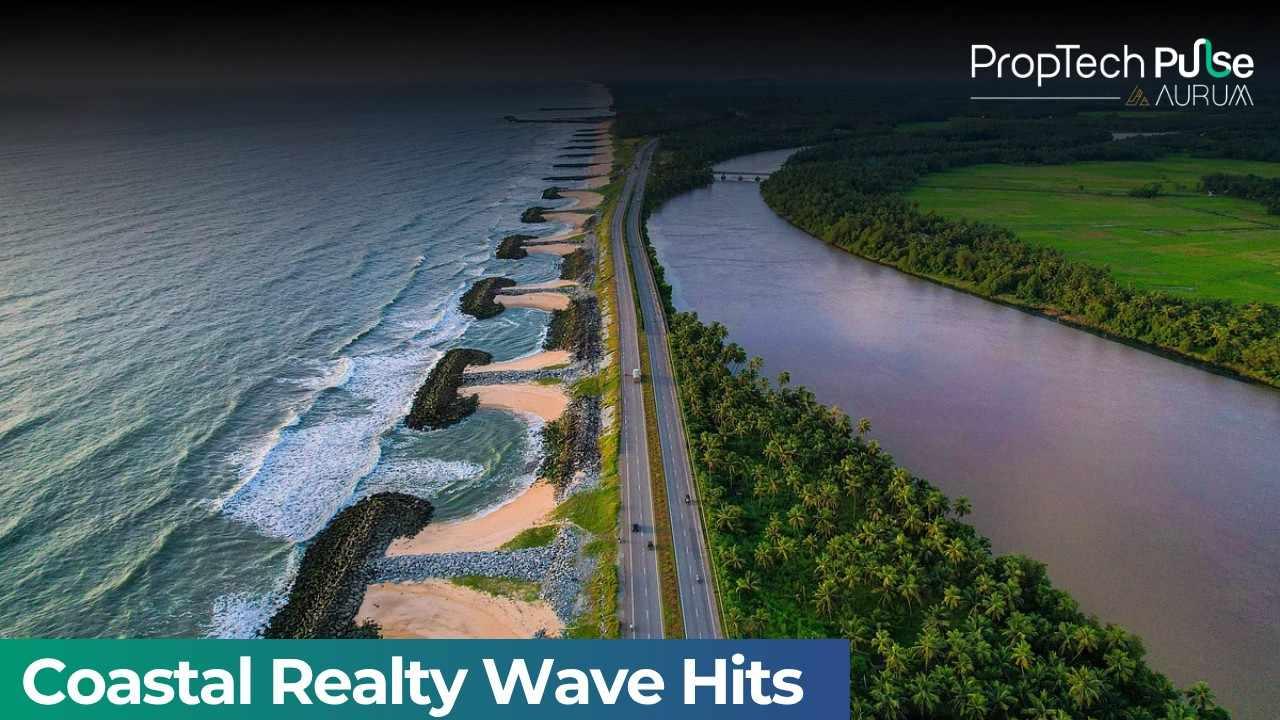
India's real estate sector is undergoing a profound geographic recalibration as investors pivot from saturated metropolitan cores to the nation's expansive western coastline. In 2026, coastal real estate has officially transitioned from a seasonal vacation market to a robust, year-round investment asset class. This evolution is fueled by a convergence of high-speed connectivity, institutional-grade development, and a significant cohort of affluent buyers seeking second homes that prioritize privacy and long-term capital appreciation.
Why Infrastructure is Unlocking Coastal Value
The "why" behind this surge is the rapid execution of transformative logistics and transport projects. The near-completion of the Mumbai–Goa Highway, now over 90% operational, and the integration of the SagarMala Programme for port-led community prosperity have turned once-remote hamlets into accessible luxury hubs. Furthermore, the impact of the Mumbai Trans Harbour Link (Atal Setu) has slashed travel times to Alibaug to under 60 minutes, effectively making the Konkan coast a natural extension of South Mumbai’s premium residential market.
Where the Hotspots are Concentrated: The 2026 List
Geographically, the momentum is strongest along the western seaboard, though the East Coast Road (ECR) in Chennai remains a dominant player. Goa continues to lead as the enduring icon of coastal luxury, with South Goa, specifically Canacona and Velim- witnessing a surge in ultra-luxury villa developments. Alibaug, often termed the "Hamptons of Mumbai," now commands premium ticket sizes exceeding ₹3 crore for gated communities. Emerging Tier-2 coastal cities like Kochi and Visakhapatnam are also gaining traction, offering high-end waterfront apartments with ROI potential driven by burgeoning IT and industrial corridors.
Importance of the Wellness and Integrated Ecosystem
The importance of this investment wave lies in the shift toward "hospitality-led" residential models. In a post-pandemic world, property value is increasingly tied to wellness infrastructure, including on-site Ayurveda centers, yoga decks, and organic farming facilities. These integrated ecosystems centered on wellness and experiences ensure that coastal properties remain occupied year-round, moving beyond the traditional weekend-home paradigm. This shift is attracting global NRIs and institutional capital, who view sustainable coastal living as a high-liquidity hedge against urban pollution and congestion.
Key Data for Strategic Investors
- Infrastructure projects like the MTHL have triggered immediate price hikes of 15-23% in nearby coastal belts.
- Luxury property prices in Goa have seen a steady annual appreciation of 10-15% over the last few years.
- New connectivity corridors, such as Ro-Ro ferry services, have reduced travel to the Konkan coast to just a few hours.
- Average rental yields in premium coastal micro-markets are outperforming traditional city-centre residential returns.
Conclusion: Setting the Stage for the Next Realty Cycle
Ultimately, the rise of India’s coastal real estate signals the maturation of the domestic property market toward a more diversified, lifestyle-centric model. By aligning physical assets with emerging trends in wellness and high-speed mobility, the sector is successfully future-proofing its valuation frameworks. As 2026 enters its second quarter, the confluence of infrastructure, lifestyle and capital ensures that India’s coastline will remain the most compelling growth story for the current decade.
Enjoyed this update? Visit PropTech Pulse for more real estate news and market insights.




Unlock the Latest in Real Estate
News, Infographics, Blogs & More! Delivered to your inbox.