
Ask Pulse Ai
Services
Knowledge Hub
Resources
Tools
Ask Pulse Ai
Services







©PropTech Pulse 2025, All rights reserved.

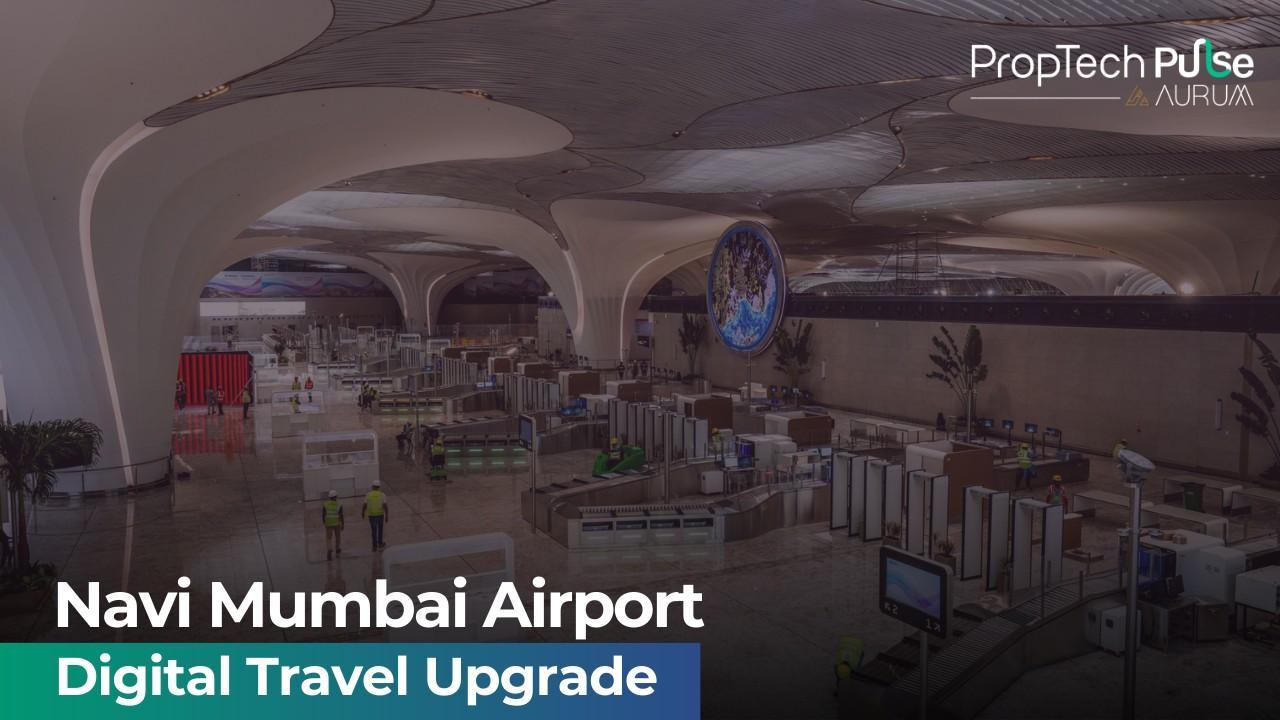
Transformative Digital Experience at Navi Mumbai Airport
The upcoming Navi Mumbai Airport is being positioned as a future-ready aviation hub, with plans to offer complimentary high-speed Wi-Fi across its terminals. This move reflects a broader global shift toward digitally enabled airports that prioritise passenger convenience, efficiency, and seamless connectivity. As air travel demand continues to grow across the Mumbai metropolitan region, digital infrastructure is becoming a critical component of modern airport design.
Enhancing Passenger Connectivity
Free Wi-Fi access will allow travellers to remain connected throughout their journey, whether for personal communication, entertainment, or work. Reliable internet access is increasingly viewed as an essential service, particularly for business travellers and transit passengers. By offering uninterrupted connectivity, the airport aims to improve the overall passenger experience from arrival to departure.
Digital-First Communication Strategy
Navi Mumbai Airport also plans to adopt a digital-first passenger communication approach. Travellers will be able to access real-time flight updates, boarding information, gate changes, and operational announcements directly on their personal devices. This reduces reliance on physical display boards and public announcements, creating a smoother and less crowded terminal environment.
Improving Operational Efficiency
Strong digital connectivity plays a vital role beyond passenger convenience. High-speed networks enable better coordination between airlines, ground handlers, and airport authorities. Smart systems supported by reliable connectivity can help optimise check-in processes, baggage handling, and security operations. Over time, these improvements contribute to stronger airport operations efficiency and reduced delays.
Why Free Wi-Fi Is Now Essential
Across leading international airports, complimentary Wi-Fi has become a standard expectation rather than a premium service. For Navi Mumbai Airport, introducing free internet access from the outset signals its intent to align with global best practices in smart airport infrastructure. Passengers increasingly rely on digital boarding passes, mobile travel apps, and online navigation tools, all of which require dependable connectivity.
- Passenger satisfaction: Greater comfort and convenience during travel.
- Access to information: Easy availability of flight and terminal updates.
- Service engagement: Improved interaction with airport retail and amenities.
Supporting a Modern Travel Ecosystem
Airports today function as complex ecosystems rather than simple transit points. Digital connectivity supports everything from retail experiences to security management and crowd control. By embedding technology into its core operations, Navi Mumbai Airport is building a foundation that supports evolving travel behaviour and rising passenger volumes.
Benchmarking Against Global Airports
Many global aviation hubs have invested heavily in connectivity and digital services to remain competitive. Navi Mumbai Airport’s early focus on aviation digital transformation positions it favourably within India’s rapidly expanding air travel market. This approach is expected to enhance the airport’s appeal to airlines, passengers, and commercial partners alike.
Conclusion
The introduction of free high-speed Wi-Fi and digitally driven passenger services highlights Navi Mumbai Airport’s commitment to modern, efficient, and traveller-centric operations. As the airport prepares to handle future passenger growth, its emphasis on connectivity and smart systems sets a strong benchmark for next-generation airport development in India.
Enjoyed this update? Visit PropTech Pulse for more real estate news and market insights.




Unlock the Latest in Real Estate
News, Infographics, Blogs & More! Delivered to your inbox.