
Ask Pulse Ai
Services
Knowledge Hub
Resources
Tools
Ask Pulse Ai
Services







©PropTech Pulse 2025, All rights reserved.

Background Of The Land Transaction Issue
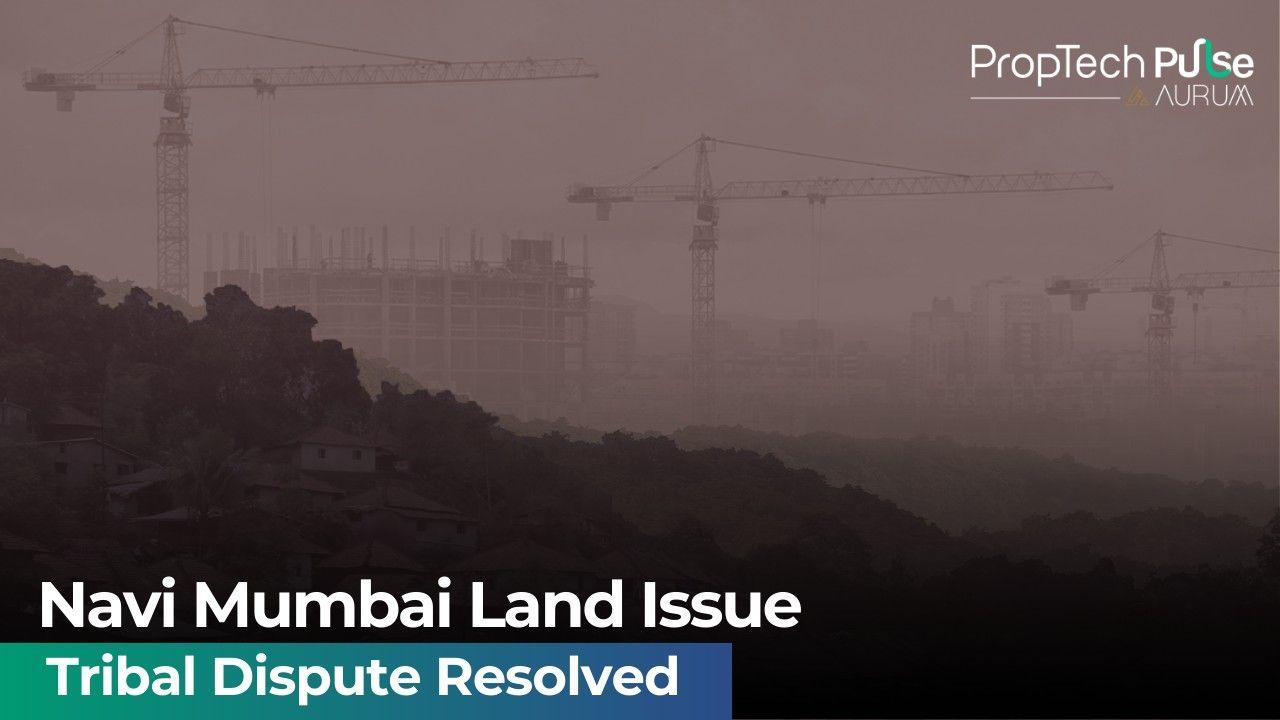
Navi Mumbai has faced prolonged challenges in land transactions involving tribal-owned properties. These issues stemmed from regulatory restrictions, documentation gaps, and approval delays, which had stalled multiple transactions. The article notes that such complications created legal uncertainty for landowners and buyers, affecting confidence in the local real estate market.
Nature Of The Tribal Land Dispute
Tribal land in Maharashtra is governed by specific laws aimed at protecting ownership rights. Transactions involving such land require additional permissions and compliance measures. The article explains that ambiguities in approval processes led to transaction bottlenecks in Navi Mumbai, impacting both legacy owners and new buyers.
Resolution Mechanism And Administrative Action
The issue has now been resolved through coordinated administrative intervention. Authorities clarified procedures and addressed compliance requirements, enabling stalled cases to move forward. The resolution provides procedural clarity and regulatory certainty for stakeholders involved in tribal land transactions.
Impact On Affected Landowners
For tribal landowners, the resolution restores the ability to transact legally and realise asset value. The article highlights that clarity on approvals helps protect ownership rights while enabling fair transactions, balancing legal safeguards with economic participation.
Relief For Property Buyers And Developers
Buyers and developers affected by stalled transactions are expected to benefit from the resolution. With clearer processes in place, pending deals can be completed, reducing legal risk and supporting smoother property transfers in affected Navi Mumbai locations.
Implications For Navi Mumbai’s Real Estate Market
The resolution is likely to have a positive impact on market sentiment. Removing transaction uncertainty improves transparency and confidence, which are critical for sustained real estate activity. The article suggests that this development could unlock land parcels previously constrained by regulatory ambiguity.
Role Of Regulatory Oversight
The episode underscores the importance of clear regulatory frameworks in land governance. Effective oversight and timely clarification help prevent prolonged disputes, ensuring that land protection laws function without paralysing market activity.
Balancing Protection And Development
Tribal land laws are designed to safeguard vulnerable communities, but implementation challenges can affect broader development. The resolution demonstrates an effort to strike a balance between social protection objectives and orderly urban development.
Future Transaction Safeguards
Authorities are expected to strengthen processes to avoid similar issues in the future. Clear guidelines, documentation standards, and digital tracking can help ensure predictable and compliant land transactions going forward.
Conclusion
The resolution of the Navi Mumbai tribal land transaction issue marks an important step toward restoring clarity and confidence in affected property markets. By addressing regulatory bottlenecks, the move supports fair land transactions and healthier real estate activity in the region.
Enjoyed this update? Visit PropTech Pulse for more real estate news and market insights.




Unlock the Latest in Real Estate
News, Infographics, Blogs & More! Delivered to your inbox.