New Launch - India Real Estate Report 2026.











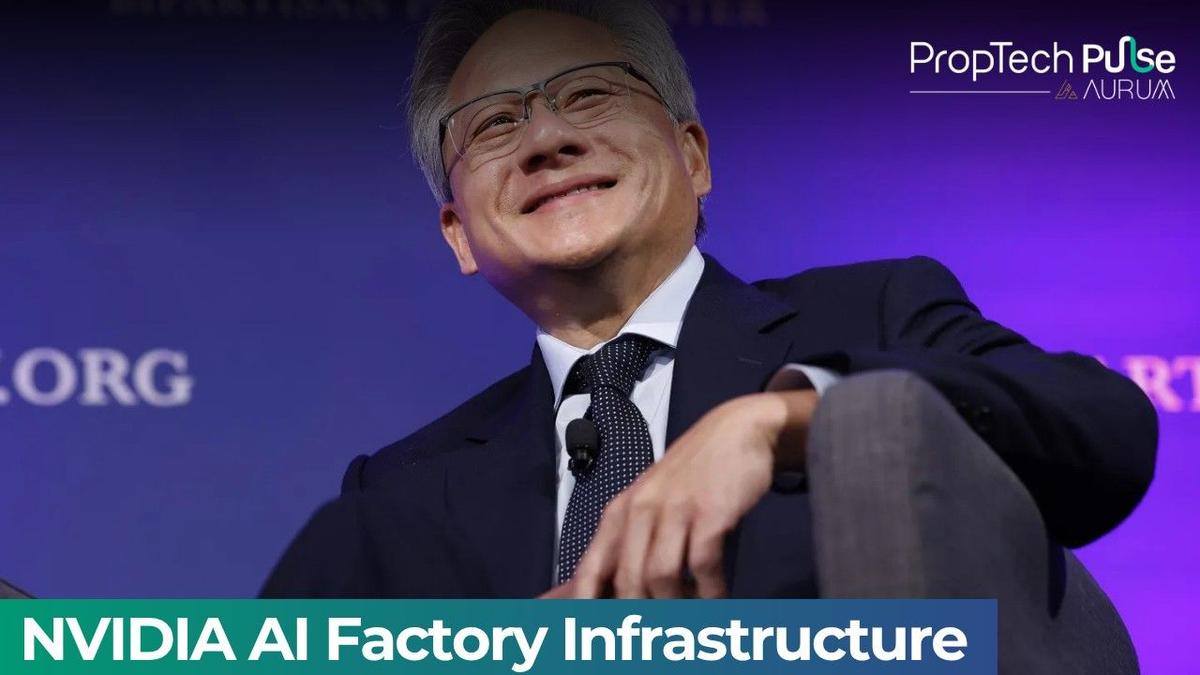
As the global demand for generative AI and large-scale industrial automation reaches a critical mass, NVIDIA has unveiled its DSX infrastructure, a definitive architectural blueprint designed to power the next generation of AI factories. This infrastructure is specifically engineered to handle the massive computational loads required for training sophisticated models while providing the scalability necessary for enterprise-level deployment. By integrating advanced networking, high-speed storage, and the latest GPU architectures, the DSX framework allows organisations to transition from traditional data centres to intelligent, autonomous production environments.
Scalability and Performance Metrics
The core value proposition of the DSX infrastructure lies in its ability to provide a modular and predictable growth path for industrial AI. Unlike legacy systems that often face bottlenecks during horizontal scaling, the DSX model utilises high-bandwidth interconnects to ensure that data flows seamlessly across thousands of processing nodes. Key technical advantages of this new infrastructure include:
- The deployment of NVIDIA Quantum-2 InfiniBand networking to minimise latency and maximise throughput during heavy training cycles.
- Full integration with the NVIDIA AI Enterprise software suite, providing a secure and supported environment for mission-critical AI workloads.
- Optimised thermal and power management systems designed to support high-density GPU clusters without compromising operational stability.
Economic Impact on Industrial and Enterprise Sectors
By standardising the "AI Factory" model, NVIDIA is enabling a wide range of industries—from automotive manufacturing to pharmaceutical research—to accelerate their digital transformation. The DSX infrastructure serves as the physical backbone for digital twins and real-time simulation, allowing companies to test and refine industrial processes in a virtual environment before physical execution. This shift is expected to significantly reduce time-to-market for complex products and improve the overall return on investment (ROI) for AI-related capital expenditures in the 2026-27 fiscal cycle.
Future Outlook for Autonomous Infrastructure
Looking ahead, the maturation of DSX-based facilities marks a definitive move toward sovereign AI infrastructure, where nations and large corporations build localised computing power to protect data integrity and ensure technological independence. As NVIDIA continues to refine its hardware-software synergy, the AI factory will become the standard unit of production for the digital era. The ongoing rollout of DSX-compatible systems through late 2026 will likely be the primary driver for the next wave of institutional infrastructure investment across both established and emerging technology corridors.
Enjoyed this update? Visit PropTech Pulse for more real estate news and market insights.


