
Ask Pulse Ai
Services
Knowledge Hub
Resources
Tools
Ask Pulse Ai
Services







©PropTech Pulse 2025, All rights reserved.

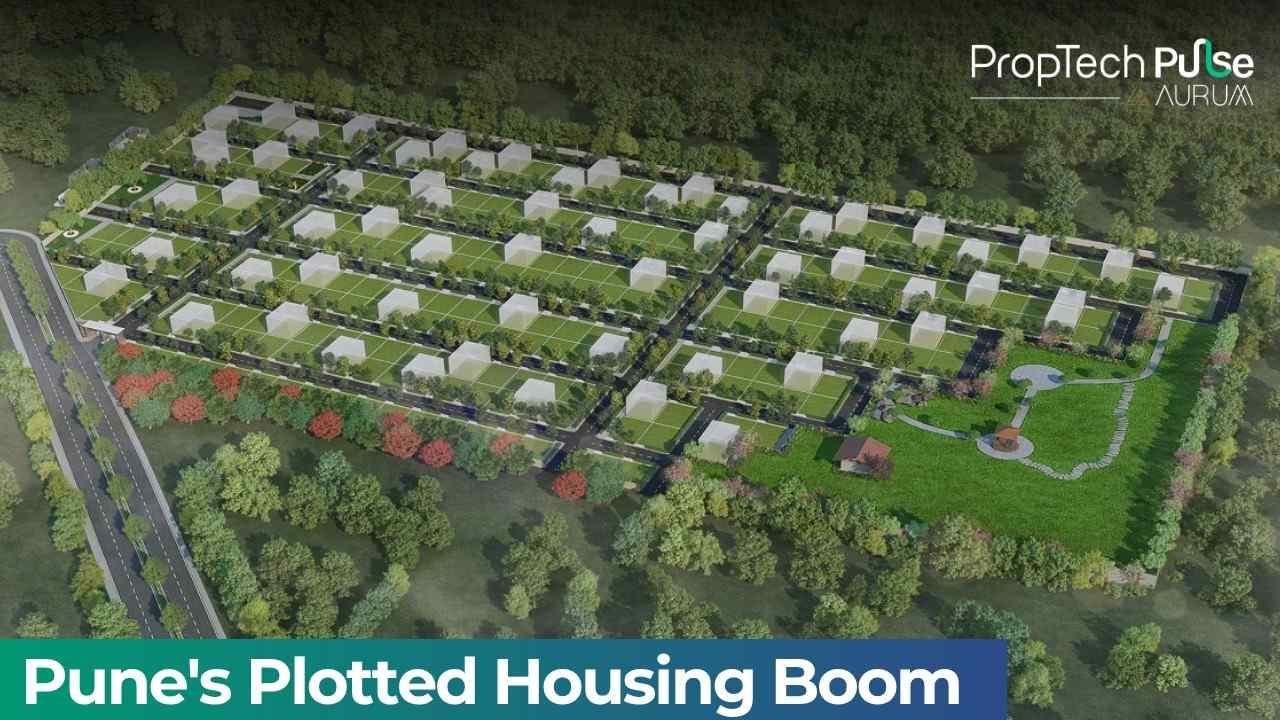
More homebuyers around Pune want a plot of land, not another flat in a tower. That shift is fuelling a fresh wave of planned housing along the city's southern growth corridor. The latest sign is a large project spread across more than 100 acres, and the rise of Pune plotted housing says as much about changing lifestyles as it does about where the city is expanding.
Why buyers are choosing plots over flats
The pull is about control and space. Buyers increasingly want land ownership, lower-density communities and the freedom to design their own homes, rather than slotting into a standard apartment. Larger open spaces and a sense of ownership are part of the appeal, and land is increasingly treated as a long-term asset in its own right.
Lifestyle has moved the needle, too. Rising urban density, shifting expectations and the spread of hybrid work have pushed many buyers to look beyond the traditional city centre for larger formats. A plot on the edge of the city, in a corridor tied to future infrastructure, fits that brief neatly.
A corridor built on future infrastructure
The location is doing a lot of the work. The Pune Growth Corridor has become a focal point because it sits near proposed transport and economic infrastructure, the kind of projects that tend to pull development outward. Planned connectivity upgrades, including airport-linked development and road network improvements, are expected to shorten the distance between emerging residential clusters and established employment hubs.
That is what gives the new 100-acre-plus project its logic. Infrastructure-led growth is reshaping Pune's peripheral markets, turning once-distant land into plausible places to live, and influencing how the city expands over the coming decade. It is the kind of bet that pays off only if the roads and rail actually arrive.
Why Pune plotted housing comes with caveats
The format is not without risk. Urban planners caution that large greenfield developments need careful integration of transport planning, water management, ecological conservation and public services, or they risk creating unplanned sprawl and future infrastructure gaps. Plotted projects offer real flexibility, allowing phased construction and customised homes, but that flexibility cuts both ways if the supporting framework lags.
Experts are clear that the long-term success of these communities rests on the basics: quality infrastructure, environmental safeguards and access to social amenities. Analysts add that while better connectivity could lift housing demand, commercial activity and land values across the area, the timelines for delivering that infrastructure will be the deciding factor.
Growth that has to stay connected
The sustainability question hangs over all of it. The corridor's future will depend on balancing expansion with environmental stewardship, from preserving natural landscapes to weaving in green spaces and resource-efficient planning. Growth that ignores those basics tends to store up problems.
For now, the rise of plotted communities marks a new phase in how Pune grows beyond its old boundaries, driven by buyers chasing space and ownership. The harder task falls to policymakers and developers, who have to make sure that expansion stays connected, inclusive and environmentally responsible rather than simply spreading outward.
Enjoyed this update? Visit PropTech Pulse for more real estate news and market insights.



Ask Pulse Ai anything about real estate

Unlock the Latest in Real Estate
News, Infographics, Blogs & More! Delivered to your inbox.