
Ask Pulse Ai
Services
Knowledge Hub
Resources
Tools
Ask Pulse Ai
Services







©PropTech Pulse 2025, All rights reserved.

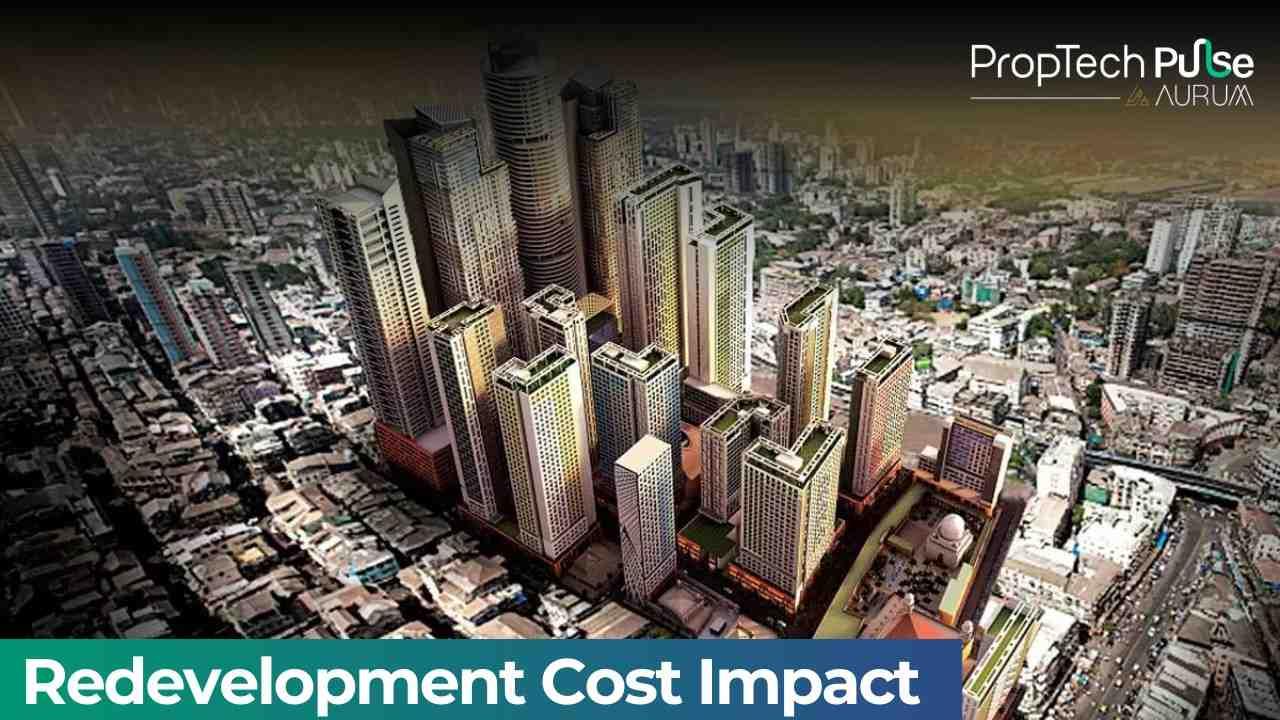
Redevelopment Offering Larger Homes
Redevelopment projects are becoming increasingly common in cities where ageing residential buildings are replaced with modern housing complexes. For many homeowners living in older buildings, redevelopment offers the opportunity to move into new apartments with larger carpet areas and improved amenities.
However, while the promise of bigger homes and upgraded infrastructure is attractive, experts caution that homeowners should also consider the long-term financial implications that may arise after redevelopment is completed.
Larger Flats and Modern Amenities
When older residential buildings undergo redevelopment, developers often provide residents with larger apartments compared to their original homes. New buildings also typically include modern amenities such as security systems, elevators, parking facilities, and recreational spaces.
While these upgrades enhance the overall living experience, they can also lead to higher operational costs. Larger homes and additional facilities often require more maintenance, which can increase the monthly charges residents need to pay.
Market Impact: Rising Maintenance and Property Taxes
Maintenance charges in newly redeveloped buildings are often higher than those in older structures because of the increased size of apartments and the presence of additional amenities. Residents may therefore experience a noticeable rise in monthly society maintenance fees once redevelopment is completed.
Property taxes may also increase in some cases. Since property taxes are typically calculated based on factors such as the size and value of the property, larger flats received through redevelopment could result in higher tax liabilities for homeowners.
Strategic Implication: Evaluating Long-Term Financial Impact
Homeowners considering redevelopment should carefully review the terms offered by developers and understand the potential cost implications after the project is completed. While redevelopment can significantly improve housing quality, residents should also factor in future expenses such as maintenance charges, utility costs, and property taxes.
Financial planning becomes important, particularly for residents who have lived in older buildings with relatively lower maintenance costs for many years.
Conclusion: Balancing Benefits and Costs of Redevelopment
Redevelopment projects offer clear advantages, including modern infrastructure, improved living conditions, and potentially larger homes. However, these benefits may come with higher recurring expenses such as increased maintenance charges and property taxes.
For homeowners, understanding these long-term financial implications is essential before agreeing to redevelopment proposals. A careful evaluation can help residents balance the advantages of a new home with the costs associated with maintaining it.
Enjoyed this update? Visit PropTech Pulse for more real estate news and market insights.





Unlock the Latest in Real Estate
News, Infographics, Blogs & More! Delivered to your inbox.