







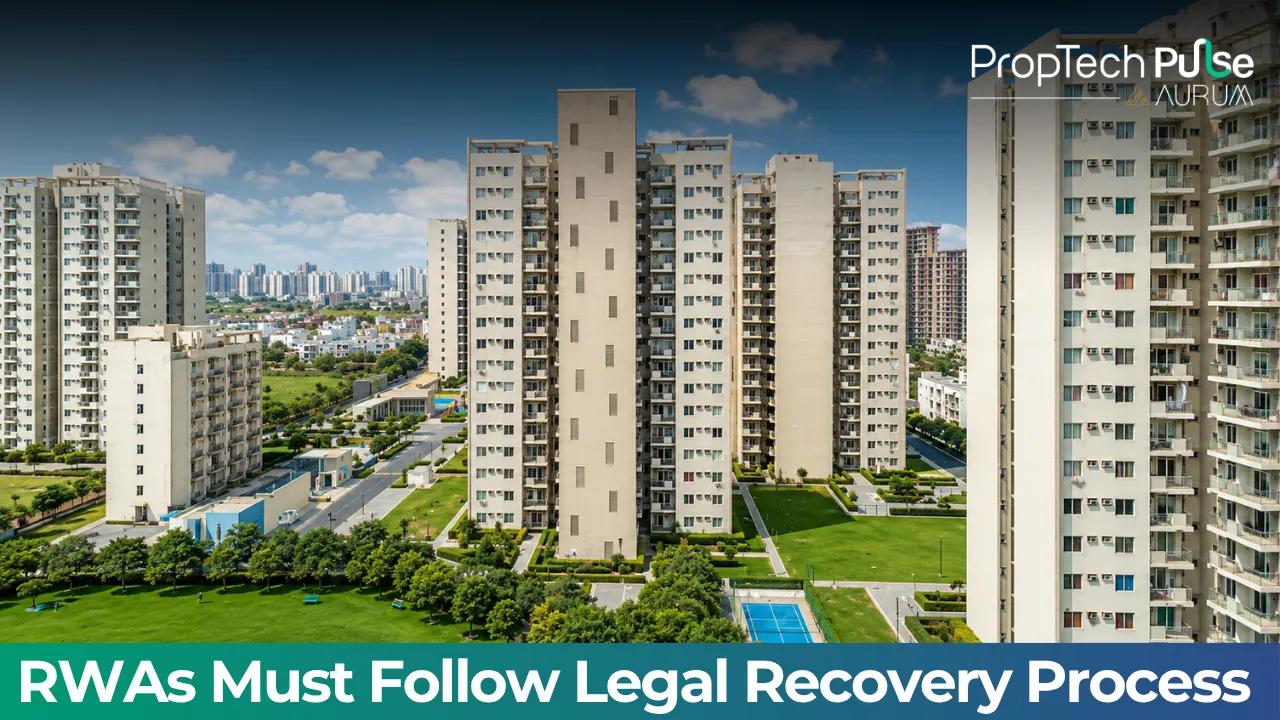
Resident Welfare Associations (RWAs) cannot make a home uninhabitable or disconnect essential services simply to recover unpaid maintenance charges, according to legal experts. They have emphasised that while RWAs are entitled to collect maintenance dues from residents, they must follow the legal process instead of taking actions that affect a person's basic right to live safely and comfortably in their home.
The issue often arises when residents fail to pay maintenance charges for a prolonged period. While housing societies may face financial challenges because of unpaid dues, experts believe that recovery measures must remain within the limits of the law and should not violate the rights of homeowners or occupants.
Essential Services Cannot Be Denied
Legal experts have stated that RWAs should not stop or interfere with essential services such as water supply, electricity in common areas, lift access or other basic facilities that make a residential property habitable. Denying these services as a recovery tool may not be legally sustainable and could expose the association to legal action.
Essential services are considered necessary for safe and dignified living, and restricting them can create unnecessary hardship for residents and their families.
Legal Remedies Are Available
Maintenance dues can still be recovered, but experts say this must be done through legally recognised procedures. Resident Welfare Associations have the option of issuing notices, initiating recovery proceedings or approaching the appropriate legal authority if disputes remain unresolved.
Using proper legal channels helps ensure that both the association and the resident receive a fair opportunity to present their case while maintaining transparency throughout the process.
Balancing Rights And Responsibilities
Residents are expected to pay maintenance charges on time because these funds are used for the upkeep of common facilities, security, cleanliness, repairs and other community services. At the same time, RWAs are responsible for managing residential communities fairly and in accordance with applicable laws and regulations.
Experts note that maintaining this balance is important for ensuring smooth community living and avoiding unnecessary conflicts between residents and housing associations.
Importance Of Following Due Process
Legal professionals believe that disputes over unpaid maintenance should be resolved through communication, mediation or statutory legal mechanisms wherever possible. Following due process protects the interests of both residents and RWAs while preventing actions that could result in further legal disputes.
Legal experts have stressed that compliance with established legal procedures ultimately benefits the entire residential community by encouraging transparency, accountability and fair treatment for all parties involved.
Key Highlights
- Resident Welfare Associations cannot make homes uninhabitable to recover maintenance dues.
- Essential services should not be disconnected as a recovery measure.
- Maintenance disputes should be resolved through legally recognised procedures.
- Residents remain responsible for paying maintenance charges on time.
- Experts recommend following due process to protect the rights of all parties.
The views shared by legal experts reinforce the importance of balancing the responsibilities of residents with the powers of Resident Welfare Associations. While RWAs have the right to recover unpaid maintenance charges, they are expected to use lawful procedures rather than measures that affect the habitability of a home. Following the legal process helps maintain fairness, protects residents' rights and supports better management of residential communities.
Enjoyed this update? Visit PropTech Pulse for more real estate news, investment insights, and property market trends.