
Ask Pulse Ai
Services
Knowledge Hub
Resources
Tools
Ask Pulse Ai
Services







©PropTech Pulse 2025, All rights reserved.

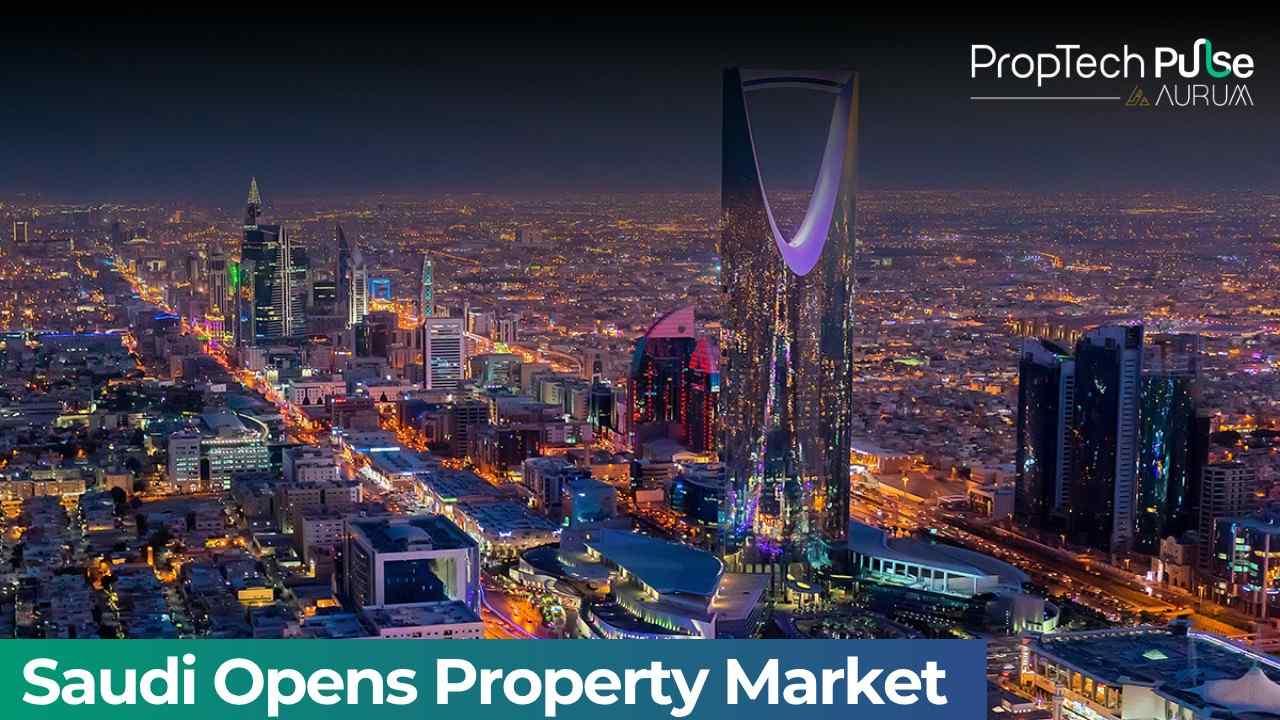
In a historic move aimed at accelerating the objectives of Vision 2030, Saudi Arabia has officially opened its residential and commercial property markets to foreign buyers. This legislative shift allows non-Saudi citizens, including international investors and expatriate residents, to exercise full ownership rights over real estate assets within the Kingdom. According to reports from Property Wire, the new law is designed to stimulate the domestic construction sector and significantly increase the contribution of real estate to the national non-oil GDP.
The new regulatory framework replaces previous restrictions that largely limited foreign property involvement to specific economic zones or required complex corporate structures. By allowing direct foreign direct investment (FDI) into the housing market, the Saudi government expects to attract a surge of international capital, particularly into high-growth urban centres such as Riyadh, Jeddah, and the burgeoning mega-projects like NEOM. This move is seen as a critical component of the Kingdom’s strategy to diversify its economy and create a more transparent, world-class investment environment.
Investor Eligibility and Property Ownership Parameters
While the market is now open, the Saudi Real Estate Authority has established specific parameters to ensure a stable and sustainable growth trajectory. The law provides a clear roadmap for international buyers to navigate the acquisition process. Key features of the new ownership policy include:
- The right for foreign nationals to own residential, commercial, and industrial properties across most regions of the Kingdom.
- Provisions for full title deeds, granting international owners the same legal protections and rights as Saudi nationals.
- The introduction of a streamlined digital platform for property registration to ensure fast-track processing for international transactions.
- Strict adherence to zoning laws to ensure that foreign investment aligns with local urban planning and developmental goals.
Strategic Impact on Vision 2030 and Global Competitiveness
The opening of the property market is expected to have a profound multiplier effect on the Saudi economy. Real estate analysts suggest that the influx of foreign buyers will drive demand for high-end luxury developments and integrated "live-work-play" communities. This shift is also intended to improve market liquidity and provide the necessary exit routes for institutional developers. Furthermore, the policy is timed to coincide with the Kingdom's massive infrastructure push, ensuring that new housing supply is met with a diversified global pool of demand.
By positioning itself as a primary destination for global real estate capital, Saudi Arabia is directly competing with established regional hubs for high-net-worth individuals and corporate investment. The government has emphasised that transparency and the rule of law will be the cornerstones of this new era. As the 2026-27 fiscal year progresses, the success of this liberalisation will be measured by the volume of international transactions and the Kingdom's rising position in global ease-of-doing-business indices. This landmark reform marks a definitive end to the closed-market era and signals Saudi Arabia's full integration into the global real estate economy.
Enjoyed this update? Visit PropTech Pulse for more real estate news and market insights.




Unlock the Latest in Real Estate
News, Infographics, Blogs & More! Delivered to your inbox.