New Launch - India Real Estate Report 2026.











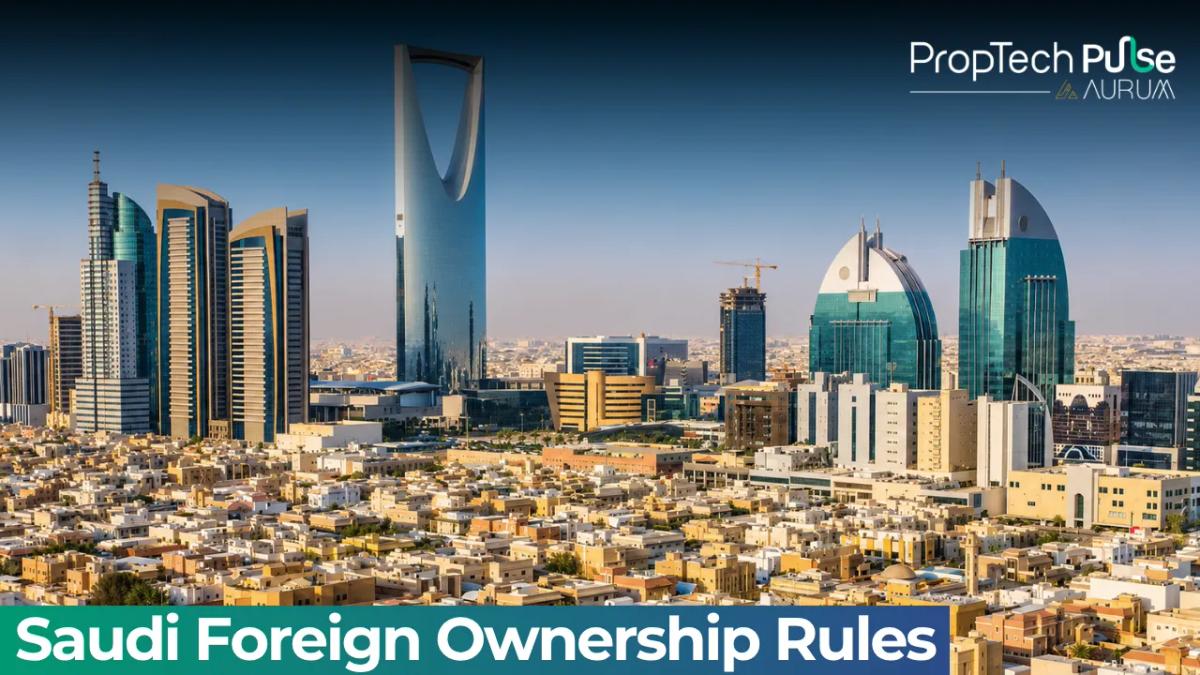
Saudi Arabia has introduced detailed requirements governing property ownership by foreign companies operating in the Kingdom. The new framework, announced by the Ministry of Investment, is designed to provide greater regulatory clarity for international businesses while supporting the country's efforts to attract foreign direct investment under Vision 2030.
The regulations establish clear conditions that foreign-owned companies must satisfy before acquiring real estate assets in Saudi Arabia. The move is expected to facilitate investment while ensuring that property ownership remains linked to legitimate business activities and approved economic projects.
Minimum Investment Threshold Introduced
One of the key requirements is that foreign companies seeking property ownership must demonstrate a minimum investment value of SAR 30 million (approximately $8 million) for the project associated with the real estate acquisition.
The investment must be connected to approved commercial, industrial, administrative, residential, or other economic activities that contribute to development objectives within the Kingdom. Authorities have emphasized that property acquisitions should support productive investment rather than purely speculative transactions.
Development Timeline Requirement
Foreign companies acquiring property will also be required to develop and utilize the asset within a specified timeframe. According to the regulations, investors must commence development activities and complete the intended project within five years from the date of acquisition unless an extension is approved by the relevant authorities.
This requirement is intended to ensure that acquired land contributes to economic activity, job creation, and urban development rather than remaining undeveloped for extended periods.
Licensing And Compliance Conditions
Foreign entities must possess valid investment licenses issued by the Ministry of Investment and comply with all regulatory requirements applicable to their business activities. Property ownership approvals will generally be linked to the company's licensed operations within the Kingdom.
- Valid investment license from Saudi authorities.
- Minimum project investment of SAR 30 million.
- Property must support approved business activities.
- Development and utilization required within five years.
- Compliance with zoning, planning, and real estate regulations.
Restrictions On Strategic Locations
While the framework expands opportunities for foreign investors, certain restrictions continue to apply in specific locations. Property ownership in the holy cities of Makkah and Madinah remains subject to separate regulations and conditions.
The government maintains special oversight of property transactions in these areas due to their religious significance and strategic importance.
Supporting Vision 2030 Investment Goals
The new property ownership framework forms part of Saudi Arabia's broader strategy to attract international businesses and increase foreign direct investment. The Kingdom has been implementing a series of reforms aimed at improving the business environment and encouraging multinational companies to establish regional operations.
Major economic initiatives, including large-scale developments, industrial zones, logistics hubs, tourism projects, and smart city investments, continue to generate demand for commercial and industrial real estate.
Impact On The Real Estate Market
Industry observers expect the regulations to increase investor confidence by providing clearer guidance on ownership eligibility and investment requirements. The framework may also support demand for commercial, industrial, mixed-use, and development land assets as foreign companies expand their presence in Saudi Arabia.
The policy aligns with the Kingdom's objective of transforming real estate into a key driver of economic diversification, employment generation, and private-sector growth.
Key Highlights
- Foreign companies must invest at least SAR 30 million in qualifying projects.
- Projects must be developed within five years of acquisition.
- Ownership requires valid investment and business licenses.
- Property acquisitions must support approved economic activities.
- Special restrictions remain in Makkah and Madinah.
- The framework supports Saudi Arabia's Vision 2030 investment objectives.
The new regulations provide a structured pathway for foreign companies seeking property ownership in Saudi Arabia. By combining investment thresholds, development obligations, and licensing requirements, the Kingdom aims to attract productive capital, encourage economic development, and strengthen its position as a leading destination for international investment.
Enjoyed this update? Visit PropTech Pulse for more real estate news, investment insights, and property market trends.


