New Launch - India Real Estate Report 2026.

Services
Knowledge Hub
Resources
Tools

Ask Pulse Ai
©PropTech Pulse 2025, All rights reserved.


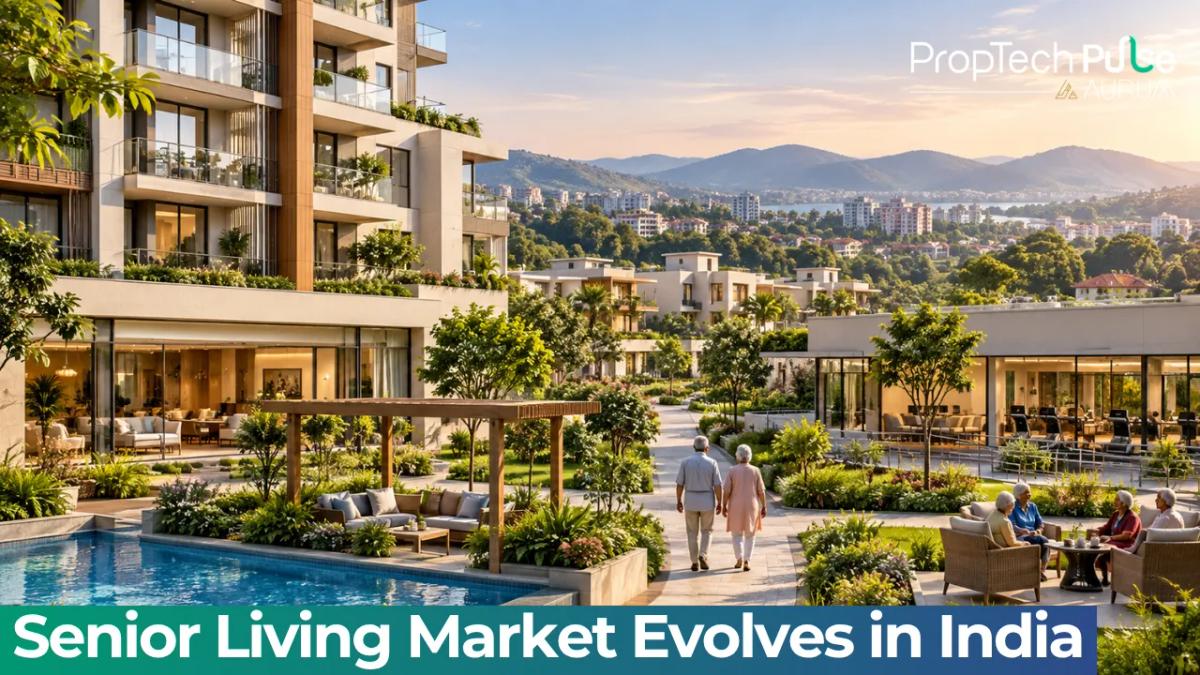
India's senior living sector is moving beyond a single model. Tier-1 and Tier-2 cities now cater to distinct consumer segments.
The sector is shifting from a real estate-led model to a broader longevity ecosystem. This combines housing, healthcare, hospitality, and community building. A report released on September 23 shared these findings.
India's population aged 60 and above is projected to rise sharply. It is expected to grow from nearly 149 million in 2022 to 347 million by 2050.
This is according to a report by Colliers India, in association with Primus Senior Living.
Tier-1 Cities: Luxury Senior Living
Tier-1 cities suit luxury senior living. High land costs and demand from high-net-worth individuals support premium offerings. These buyers are less price-sensitive about healthcare and convenience.
The metro service model combines five-star hospitality with clinical excellence. Offerings may include concierge services, valet parking, and 24/7 ICU stabilisation bays.
Tier-2 Cities: Value-Conscious Buyers
Tier-2 cities offer lower land costs, quality healthcare, and less congestion. Target buyers include upper-middle-class households and seniors returning to their hometowns.
These buyers seek premium living but remain mindful of long-term cash flows.
Colliers India identifies several promising Tier-2 markets for senior living.
- South: Coimbatore, Kochi, Mysuru, and Visakhapatnam
- North: Jaipur, Chandigarh, Mohali, Panchkula, and Dehradun
- Others: Goa, Bhubaneswar, Siliguri, Guwahati, Indore, and Nagpur
Also Read: India's Senior Housing Trends: Choosing Keys Over Deeds
What Industry Leaders Said
Adarsh Narahari, founder and MD of Primus Senior Living, said India's senior living story is shifting from necessity to aspiration. He said seniors now want community, dignity, and purpose, not just a home.
Digbijay Das, Senior Director at Colliers India, compared this moment to the early days of organised retail.
He said Tier-2 buyers tend to be more value-conscious with stronger local ties, while metro buyers prioritise amenities and quick healthcare access.
Aakash Ohri, MD and CBO of DLF, said seniors today seek purpose, connection, and independence. DLF is expected to launch a luxury senior living project in Sector 63, Gurugram, with sales potential of around Rs 2,000 crore.
Also Read: Senior Housing Supply to Hit 1 Lakh Units by 2030: Report
Market Size and Outlook
India's senior living market is estimated at $12 billion. The report said developers cannot adopt a one-size-fits-all approach, given wide variations in land costs and purchasing power.
The biggest challenge in Tier-2 cities is not land, but building a sustainable operating ecosystem, including geriatric healthcare and trained staff.
Colliers India expects future models to favour hybrid ownership structures, supported by transparent buyback and resale frameworks.
Enjoyed this update? Visit PropTech Pulse for more real estate news, investment insights and property market trends.


