
Ask Pulse Ai
Services
Knowledge Hub
Resources
Tools
Ask Pulse Ai
Services







©PropTech Pulse 2025, All rights reserved.

Housing Affordability In Focus
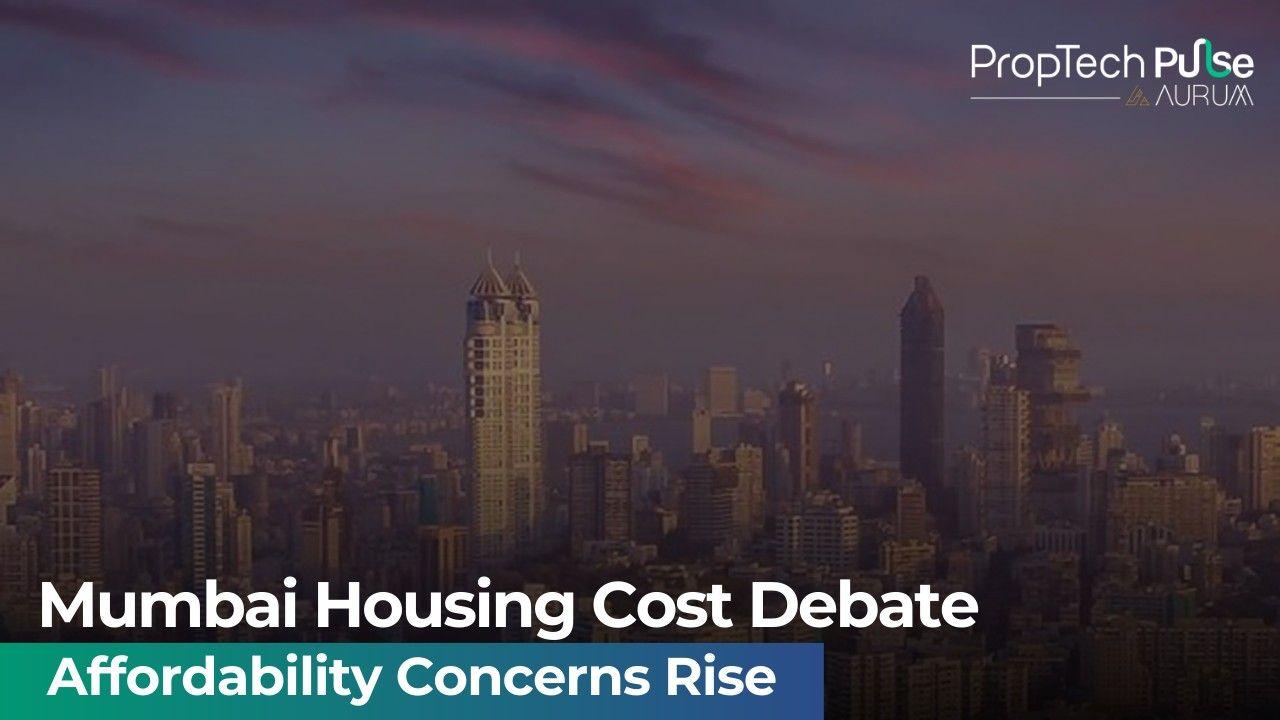
Concerns around Mumbai’s housing affordability have resurfaced after a widely discussed LinkedIn post flagged soaring property prices and compact living spaces in the city. The discussion reflects growing scrutiny over the widening gap between income growth and residential real estate valuations in India’s financial capital.
Rising Property Prices In Prime Markets
Mumbai remains one of India’s most expensive housing markets, particularly in core locations and premium suburban corridors. Elevated land costs, redevelopment premiums, and infrastructure-linked price appreciation have contributed to sustained high entry barriers for prospective homebuyers.
Shrinking Apartment Sizes
Developers in high-cost markets often optimise layouts to maintain affordability at higher price points. This has led to smaller unit configurations in certain segments, prompting conversations around space efficiency versus lifestyle expectations in urban housing.
The Mortgage Burden Narrative
High property prices typically translate into larger home loan requirements. Extended tenures and rising EMIs can place long-term financial pressure on buyers, reinforcing concerns around long-horizon debt commitments within expensive real estate markets.
Income Versus Property Price Dynamics
While Mumbai offers strong employment opportunities across finance, media, and services sectors, residential price growth in certain pockets has outpaced median income increases. This dynamic fuels discussion around affordability stress in metropolitan housing.
Redevelopment And Supply Constraints
A significant portion of Mumbai’s housing supply comes through redevelopment projects, which involve complex regulatory approvals and cost structures. Limited land availability and high compliance costs contribute to structural supply constraints in the city.
Infrastructure And Connectivity Impact
Metro expansion, coastal road development, and suburban rail upgrades are reshaping accessibility. Infrastructure often supports value appreciation, but it can also lead to price escalation in connected micro markets.
Rental Versus Ownership Debate
In high-cost cities, some professionals weigh the benefits of renting against purchasing. Renting can provide flexibility and lower upfront financial commitment, reinforcing changing urban housing preferences among younger professionals.
Market Resilience Perspective
Despite affordability concerns, Mumbai continues to witness steady transaction volumes, particularly in premium and redevelopment segments. This indicates enduring demand depth across certain buyer categories.
Long Term Outlook
The affordability debate underscores broader urban challenges rather than immediate market contraction. Future equilibrium will depend on supply expansion, infrastructure execution, and income growth alignment, supporting balanced metropolitan housing evolution.
Conclusion
The discussion around soaring housing costs and compact homes reflects underlying affordability pressures in Mumbai. While the city remains economically resilient, sustained focus on housing accessibility and sustainable pricing structures will shape its long-term residential trajectory.
Enjoyed this update? Visit PropTech Pulse for more real estate news and market insights.



Unlock the Latest in Real Estate
News, Infographics, Blogs & More! Delivered to your inbox.