
Services
Knowledge Hub
Resources
Tools
Services







©PropTech Pulse 2025, All rights reserved.

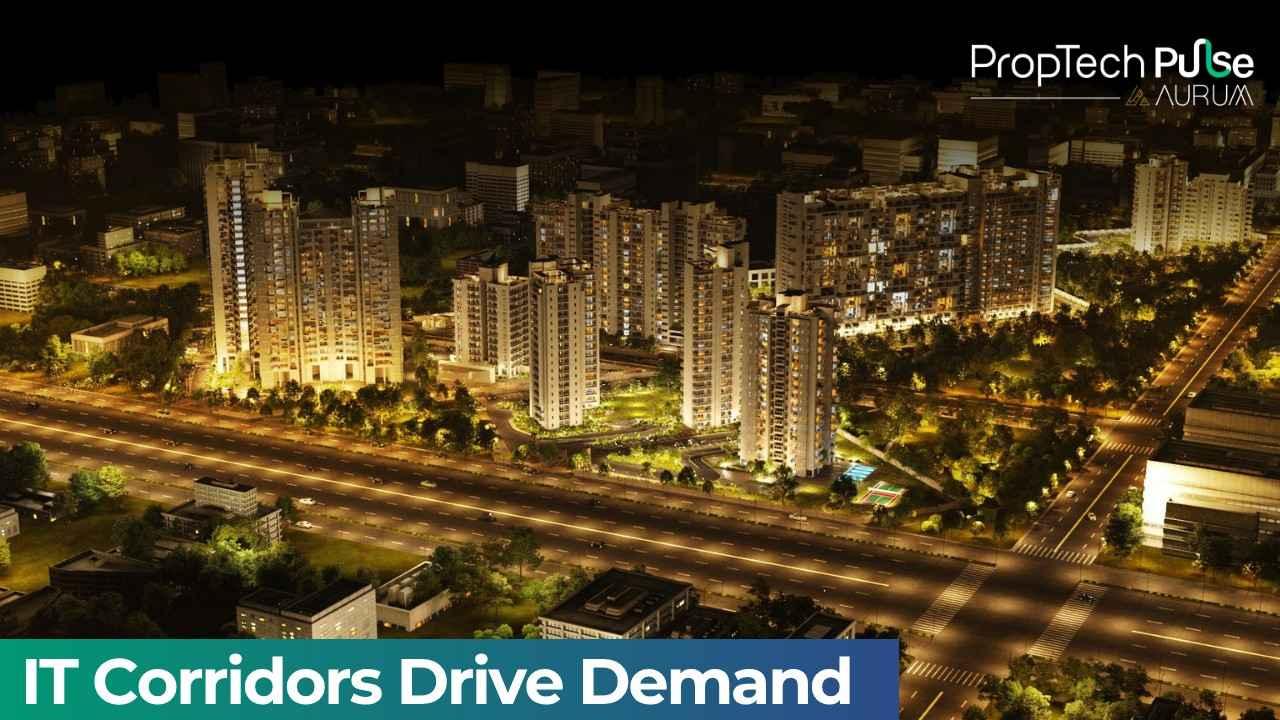
Northern India’s real estate landscape is witnessing a structural transformation in 2026, primarily driven by the rapid expansion of high-tech corridors. As the digital economy scales, major cities like Gurugram and Noida are no longer just satellite towns but have evolved into global technology hubs. This shift is creating a significant surge in demand for residential and commercial properties, as high-income professionals and Global Capability Centers (GCCs) seek proximity to modern workplace ecosystems.
Why Infrastructure and GCCs are Powering Growth
The "why" behind this boom is the unprecedented influx of international investment and infrastructure maturity. Gurugram now hosts over 250 Fortune 500 companies, while Noida is leveraging the upcoming Jewar International Airport to attract global tech giants like Microsoft and Samsung. In cities like Mohali, government policy incentives and SGST reimbursements are driving a 25% surge in property prices, as operational costs remain 35-40% cheaper than traditional Tier-1 hubs. This cost-to-value ratio is making Northern corridors the primary choice for scalable digital innovation.
Where the Demand is Concentrated: The Top 5 Hubs
Geographically, the momentum is led by five distinct corridors that are redefining regional growth:
- Gurugram: Prime focus on Golf Course Extension Road and Dwarka Expressway.
- Noida: Dominated by Sector 62 and the Noida-Greater Noida Expressway.
- Mohali: Emerging as a Tier-1 alternative with ₹27,000 crore in investment proposals.
- Jaipur: A major Tier-2 GCC center offering 40% lower operational expenses.
- Lucknow: The next-gen hub for AI and SaaS, boasting a 42% revenue increase in FY26.
Importance of the "Live-Work-Play" Ecosystem
The importance of these IT corridors lies in their ability to foster fully-fledged economic ecosystems. In Gurugram, the demand among high-income workers has nearly doubled since 2023, reaching over ₹8,000 crore. This close association of corporate development and real estate ensures that infrastructure, housing, and commercial growth move in tandem. For investors, these belts offer the most consistent rental yields and capital appreciation, as the "India-for-India" technology service model continues to mature.
Key Data on Market Performance 2026
- Noida handles approximately 11,000+ industrial units in IT and electronics.
- Gurugram recorded the highest rental growth of about 10% for luxury segments in 2025.
- Lucknow’s IT City projects are set to create over 25,000 direct employment opportunities.
- Mohali is witnessing a 3000-seat capacity addition by Infosys to boost local IT capacity.
Conclusion: A Future-Forward Investment Landscape
Ultimately, the rise of these five corridors signals a decentralized and highly competitive future for the Indian tech industry. By integrating world-class infrastructure with affordable talent pools, Northern India is successfully challenging the traditional dominance of southern tech capitals. As 2026 progresses, the synergy between digital innovation and physical assets will remain the primary catalyst for sustainable wealth creation in the Indian real estate market.
Enjoyed this update? Visit PropTech Pulse for more real estate news and market insights.




Unlock the Latest in Real Estate
News, Infographics, Blogs & More! Delivered to your inbox.