
Ask Pulse Ai
Services
Knowledge Hub
Resources
Tools
Ask Pulse Ai
Services







©PropTech Pulse 2025, All rights reserved.

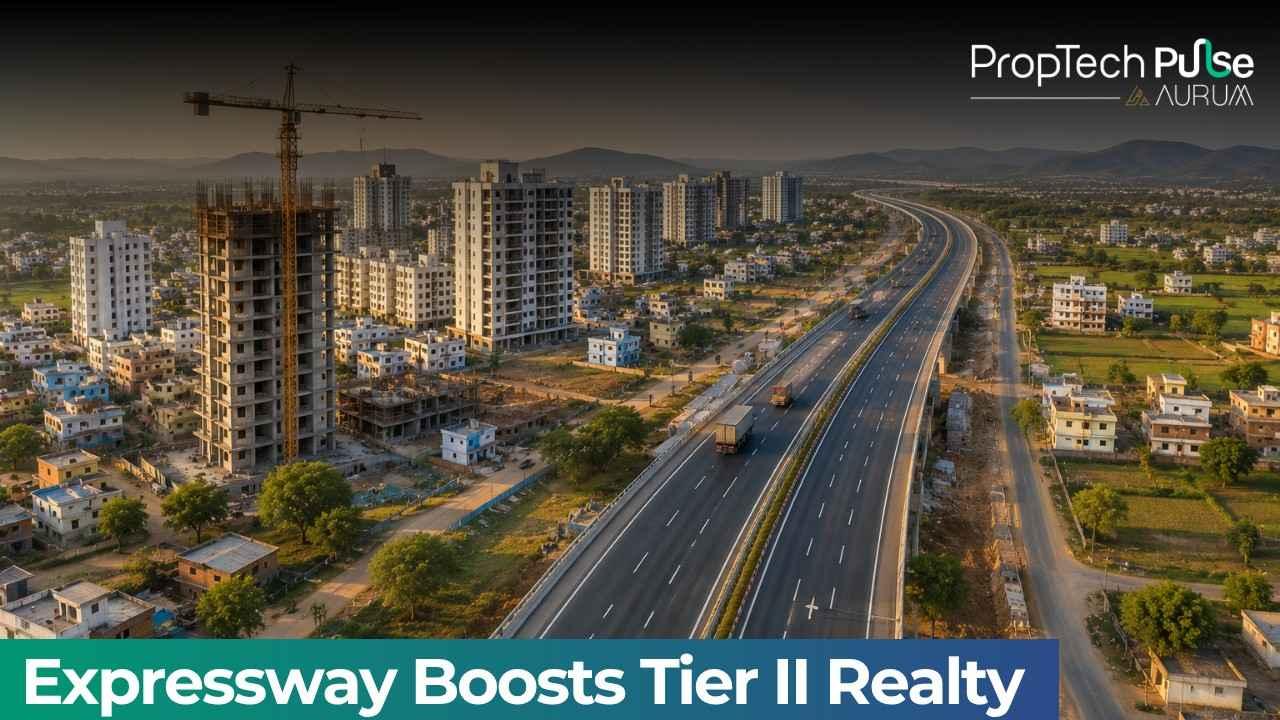
The Delhi-Mumbai Expressway, India's longest high-speed corridor, has emerged as a primary driver for a significant real estate re-rating across several Tier-II and Tier-III cities. By drastically reducing travel time between the nation's political and financial capitals, the project is decentralising economic activity and creating new residential and industrial hubs. Cities such as Sohna, Jaipur, Kota, and Vadodara are witnessing a surge in both end-user demand and institutional investment as connectivity transforms these peripheral locations into viable primary residential and logistics nodes.
Micro-Market Spotlight: Sohna and Jaipur
The impact is most visible in micro-markets that directly interface with the expressway's major entry and exit points. In Sohna, the completion of the 21.65-km Sohna Elevated Corridor has already brought the region within the daily commute of Gurugram's business districts, causing property prices to appreciate significantly. Similarly, Jaipur is evolving from a tourist destination into a premium residential hub. The Pink City has seen double-digit growth in both launches and sales of luxury villas and apartments, as the expressway makes it highly accessible for NCR-based professionals seeking "new age living" at a better price-value proposition.
Logistics and Industrial Demand Surge
Beyond the residential sector, the expressway is catalyzing a warehousing and logistics boom. The corridor is facilitating the development of multi-modal logistics parks, particularly in cities like Vadodara and Ratlam, which are now strategically positioned along the main transit artery. This industrial growth is leading to job creation, which in turn fuels the local housing market. Developers are increasingly focusing on integrated townships that offer a mix of industrial, commercial, and high-quality residential units to cater to the workforce migrating to these emerging economic regions.
Investor Sentiment and Yield Potential
The "buy the map" strategy remains a dominant trend for 2026 investors, who are looking to maximise gains by entering these markets ahead of full operationalisation. Unlike the saturated markets of Mumbai and Delhi, these Tier-II cities offer higher rental yields and substantial headroom for capital appreciation. Market analysts note that as the social infrastructure, including schools, hospitals, and retail hubs, catches up to the physical connectivity, these cities will see a final significant upswing in value, making them high-conviction goldmines for long-term real estate portfolios.
Future Outlook for the Expressway Corridor
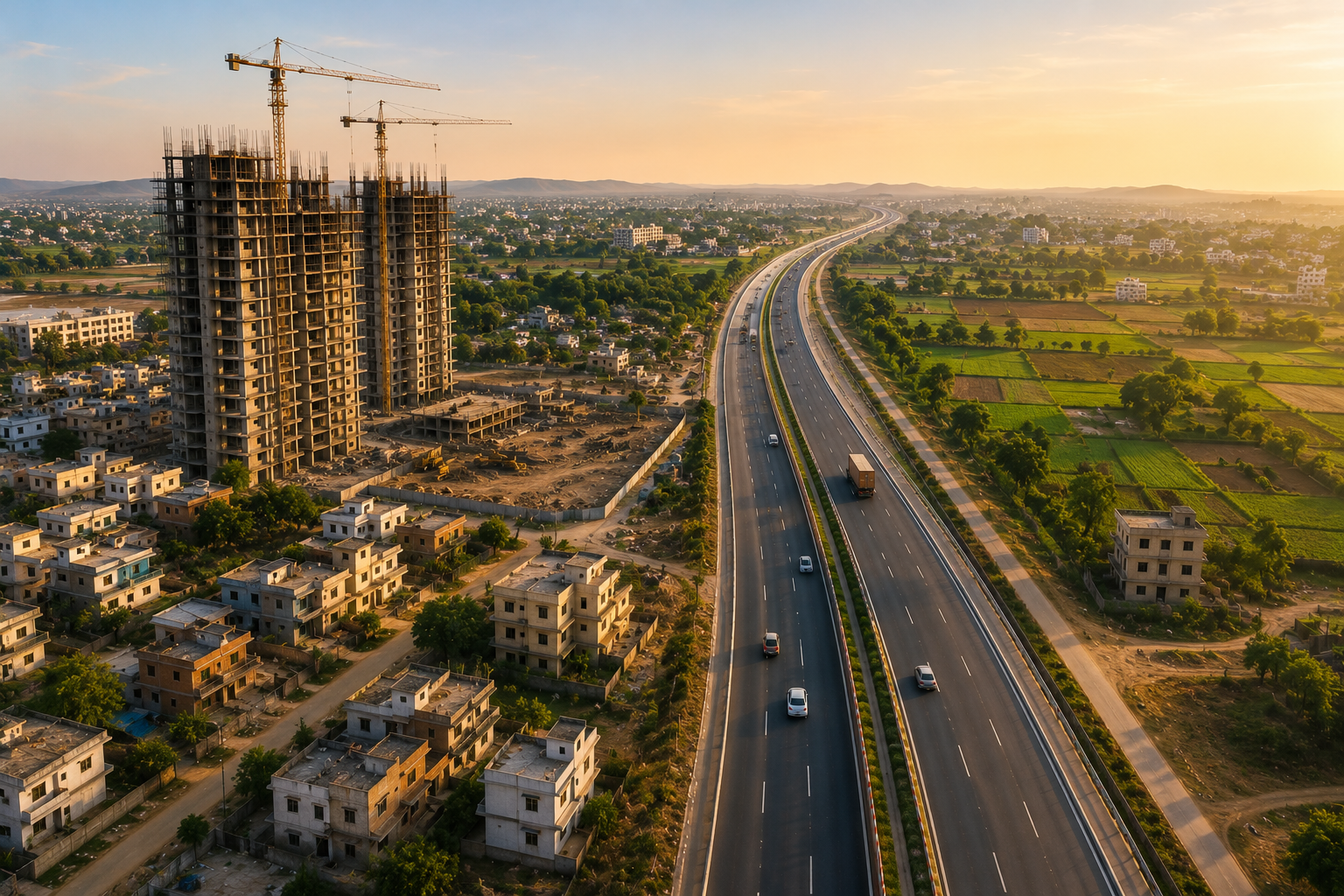
As the remaining stretches of the expressway near completion, the demand momentum is expected to intensify. The project is not just a transit route but the economic backbone for a new urban landscape in India. To ensure sustainable growth, the government and regulatory bodies like UPRERA and Haryana RERA are closely monitoring project delivery to protect homebuyer interests. With major developers like Godrej Realty and Max Estates already launching premium projects along this belt, the Delhi-Mumbai Expressway is set to remain at the forefront of India’s infrastructure-led real estate transformation through the end of the decade.
Enjoyed this update? Visit PropTech Pulse for more real estate news and market insights.




Unlock the Latest in Real Estate
News, Infographics, Blogs & More! Delivered to your inbox.