New Launch - India Real Estate Report 2026.

Services
Knowledge Hub
Resources
Tools

Ask Pulse Ai
©PropTech Pulse 2025, All rights reserved.


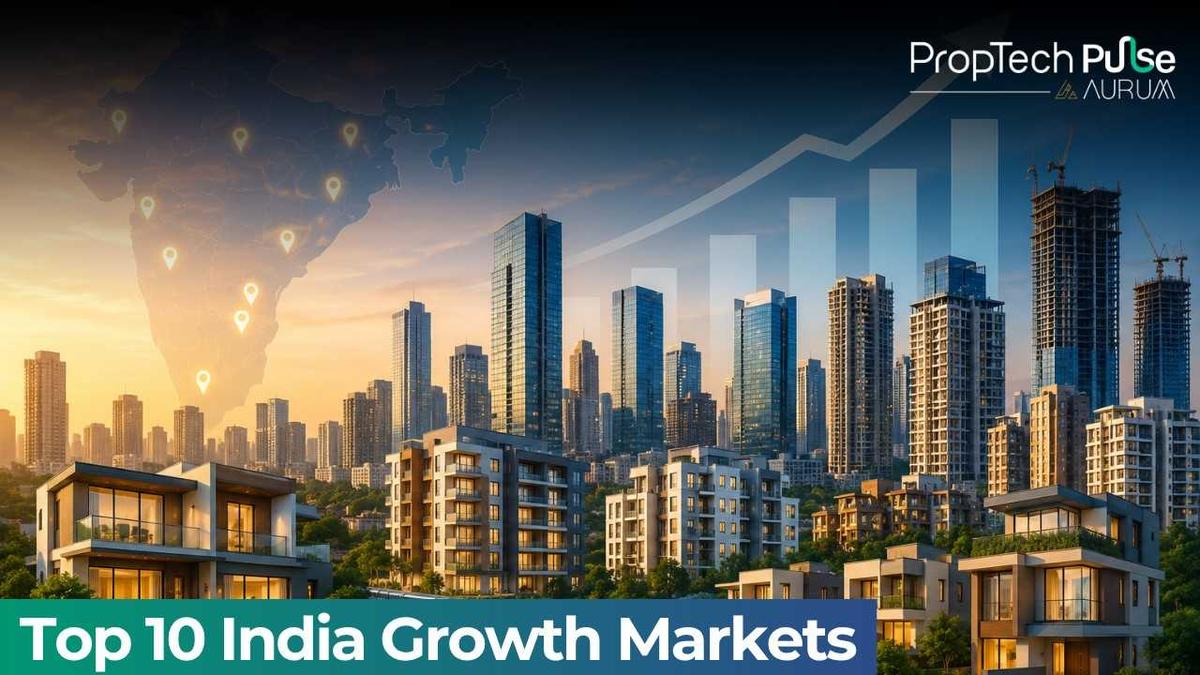
The Indian real estate industry is experiencing a period of steady expansion, fueled by increasing urbanization and massive infrastructure development. In 2026, established Tier-1 metros continue to serve as the primary engines of value creation, particularly through large-scale connectivity projects. The Mumbai Metropolitan Region (MMR) remains India's most expensive and dynamic market, with new momentum generated by the expansion of the Metro network and the upcoming Navi Mumbai International Airport. Similarly, Bengaluru maintains its status as a high-growth hub, driven by its dense startup ecosystem and the robust performance of neighbourhoods like Whitefield and Sarjapur Road.
The Rise of Value-Driven Southern Hubs
In South India, market dynamics are shifting toward cities that offer a compelling mix of infrastructure and relative affordability. Hyderabad has emerged as a powerhouse, characterized by supportive government policies and the persistent demand for high-end properties near HITEC City. Pune continues to offer a balanced investment climate, supported by its strong educational and industrial foundations in micro-markets like Hinjewadi and Kharadi. Meanwhile, Chennai remains a high-conviction bet for institutional investors, anchored by its manufacturing corridors, stable construction quality, and ongoing metro rail expansions.
Northern Corridors and Planned Townships
The National Capital Region (NCR) continues to attract significant capital, with Gurugram standing out as the premier destination for luxury housing and corporate commercial developments. Its premium infrastructure and high corporate presence make it a top choice for high-net-worth individuals. Adjacent to it, the Noida and Greater Noida regions are witnessing rapid absorption due to planned infrastructure like new expressways and large-scale townships, offering attractive entry points for both end-users and long-term investors.
Tier-2 Cities as Emerging Growth Engines
A defining trend of 2026 is the rapid rise of Tier-2 cities as viable alternatives to saturated metros. Ahmedabad is gaining prominence through planned infrastructure and its proximity to the GIFT City, which is driving demand for modern residential units. In Central India, Indore is recognized as one of the fastest-growing markets, noted for its high livability rankings and strong urban planning. Further North, Jaipur has come into the spotlight due to its reasonable property rates and the development of smart city infrastructure, making it a sustainable choice for future-focused real estate portfolios.
Future Outlook and Investment Strategy
The evolving real estate landscape in India now provides a diverse array of choices ranging from high-yield commercial assets in metros to affordable residential growth in Tier-2 nodes. Industry experts suggest that investors must now align their objectives with specific city dynamics rather than viewing the national market as a monolith. With the temple economy and regional business corridors creating new pockets of demand, the next phase of India's real estate story will be defined by its ability to deliver quality infrastructure across a multi-nodal urban geography.
Enjoyed this update? Visit PropTech Pulse for more real estate news and market insights.


