
Ask Pulse Ai
Services
Knowledge Hub
Resources
Tools
Ask Pulse Ai
Services







©PropTech Pulse 2025, All rights reserved.

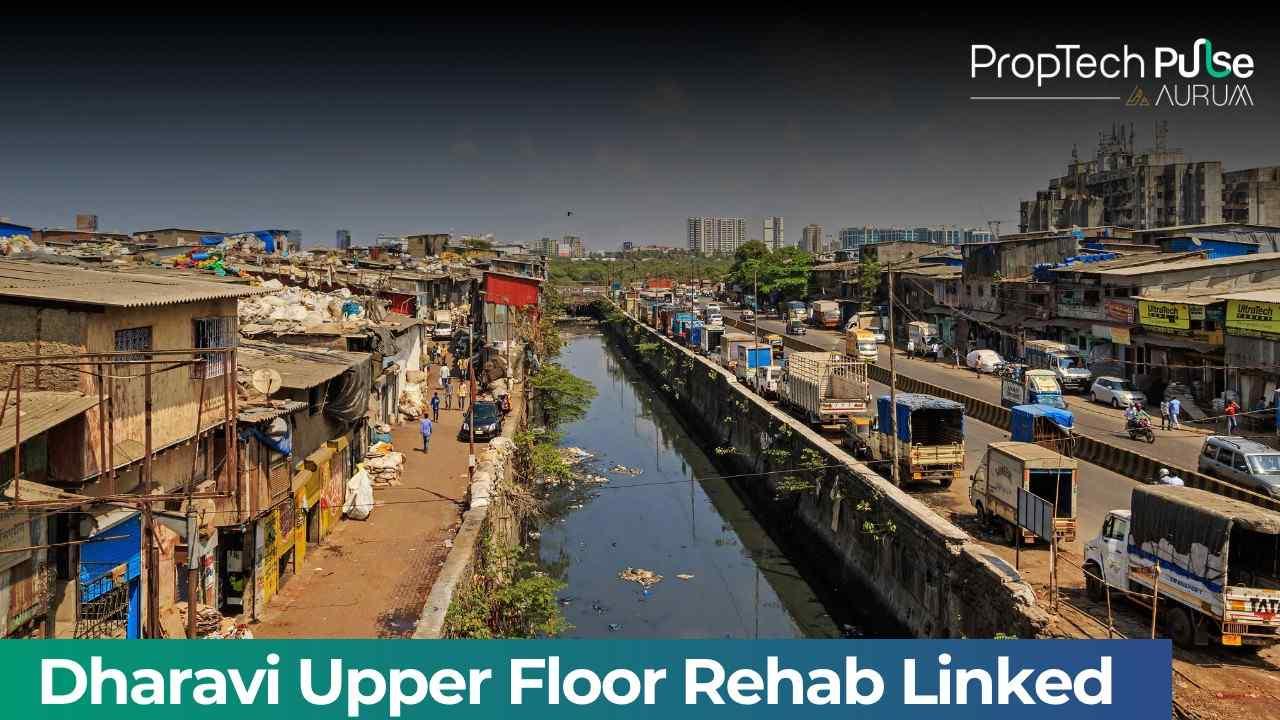
In a significant policy update for the Dharavi Redevelopment Project (DRP), authorities have established new criteria for residents living on upper floors of structures within the slum cluster. According to the latest guidelines, the rehabilitation eligibility for those occupying upper floors will be directly tied to the legal status and documentation of the ground-floor structure. This move is part of the ongoing effort to streamline the verification process as the massive urban renewal project moves toward its next phase of implementation.
Documentation and Verification Requirements
To qualify for rehabilitation, residents must provide specific proof of residence and structural legality. The state-led DRP, in collaboration with the Adani Group, is currently conducting a comprehensive Digital Dharavi survey to map every structure and resident in the 259-hectare area. The newly clarified rules specify the following:
- Ground Floor Prerequisite: An upper-floor occupant can only be considered eligible if the ground floor of the same structure has been verified as legal and eligible under existing cut-off rules.
- Cut-off Dates: Residents must provide evidence of their presence in Dharavi prior to the established cut-off dates to be considered "pro-active" beneficiaries of the free housing scheme.
- Survey Participation: Participation in the ongoing biometric and door-to-door survey is mandatory for all residents seeking to secure their rehabilitation rights.
Impact on the 'Ineligible' Population
One of the most complex aspects of the Dharavi project remains the fate of residents who do not meet the criteria for free housing within Dharavi. For those deemed ineligible, the government has proposed a "rental housing" model or affordable housing options in other parts of the Mumbai Metropolitan Region (MMR). Linking upper-floor status to ground-floor documents may increase the number of residents categorized as ineligible if the underlying structure lacks the necessary historical tax records or utility bills.
Broader Infrastructure and Social Goals
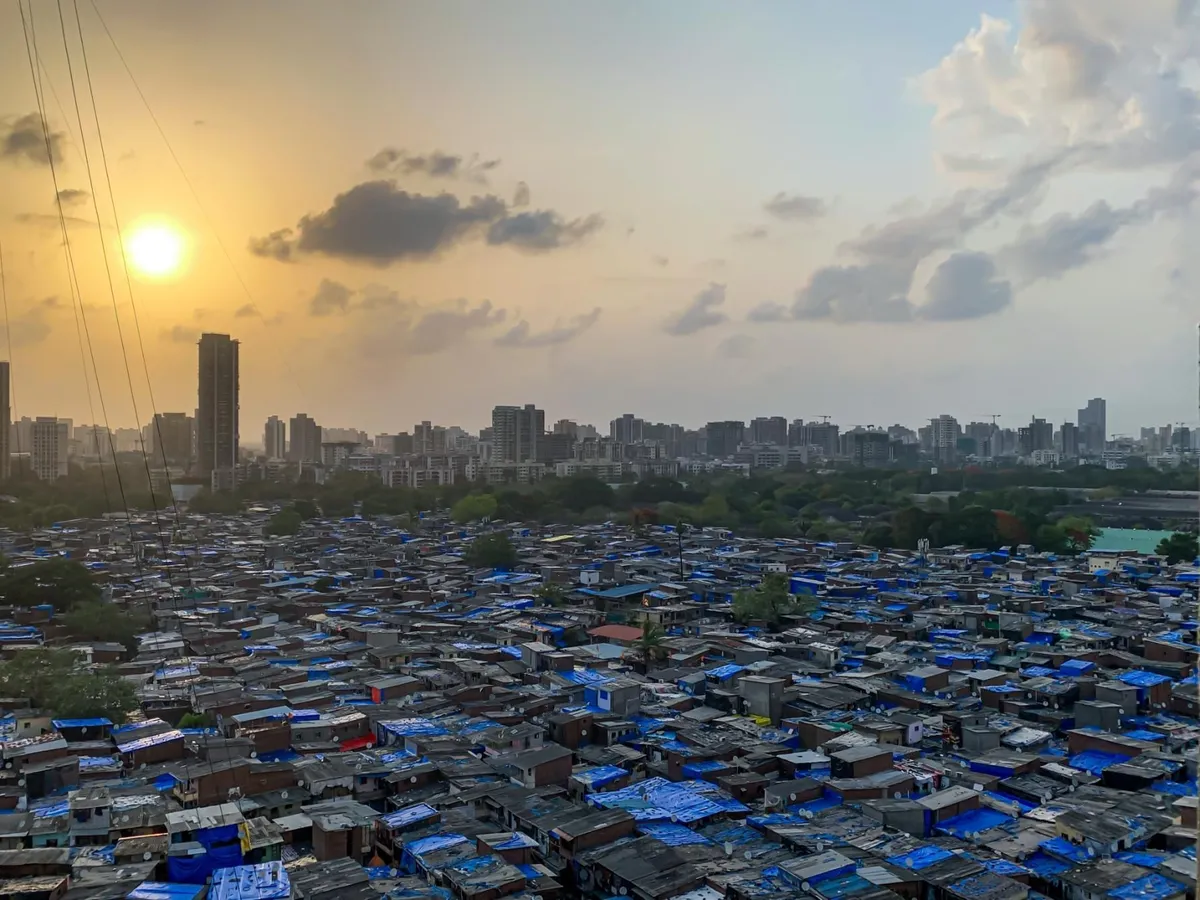
The Dharavi Redevelopment Project is one of the world's largest urban renewal endeavors, aimed at transforming one of Asia's most densely populated informal settlements into a modern, integrated township. The project seeks to provide residents with 350-square-foot apartments featuring independent kitchens and toilets, a significant upgrade from current living conditions. Beyond housing, the plan includes the development of dedicated commercial zones to preserve the unique small-scale industries and leather-working hubs that define Dharavi's local economy.
Project Challenges and Community Concerns
Despite the promise of modernization, the project continues to face resistance from various community groups and political factions who are concerned about the transparency of the eligibility survey. Critics argue that the stringent document requirements could lead to the displacement of thousands of families who have lived in the area for decades but lack formal paperwork. The DRP office has maintained that the process is data-driven and aimed at ensuring that only genuine residents benefit from the multi-billion dollar transformation of the precinct.
Enjoyed this update? Visit PropTech Pulse for more real estate news and market insights.




Unlock the Latest in Real Estate
News, Infographics, Blogs & More! Delivered to your inbox.