
Ask Pulse Ai
Services
Knowledge Hub
Resources
Tools
Ask Pulse Ai
Services







©PropTech Pulse 2025, All rights reserved.

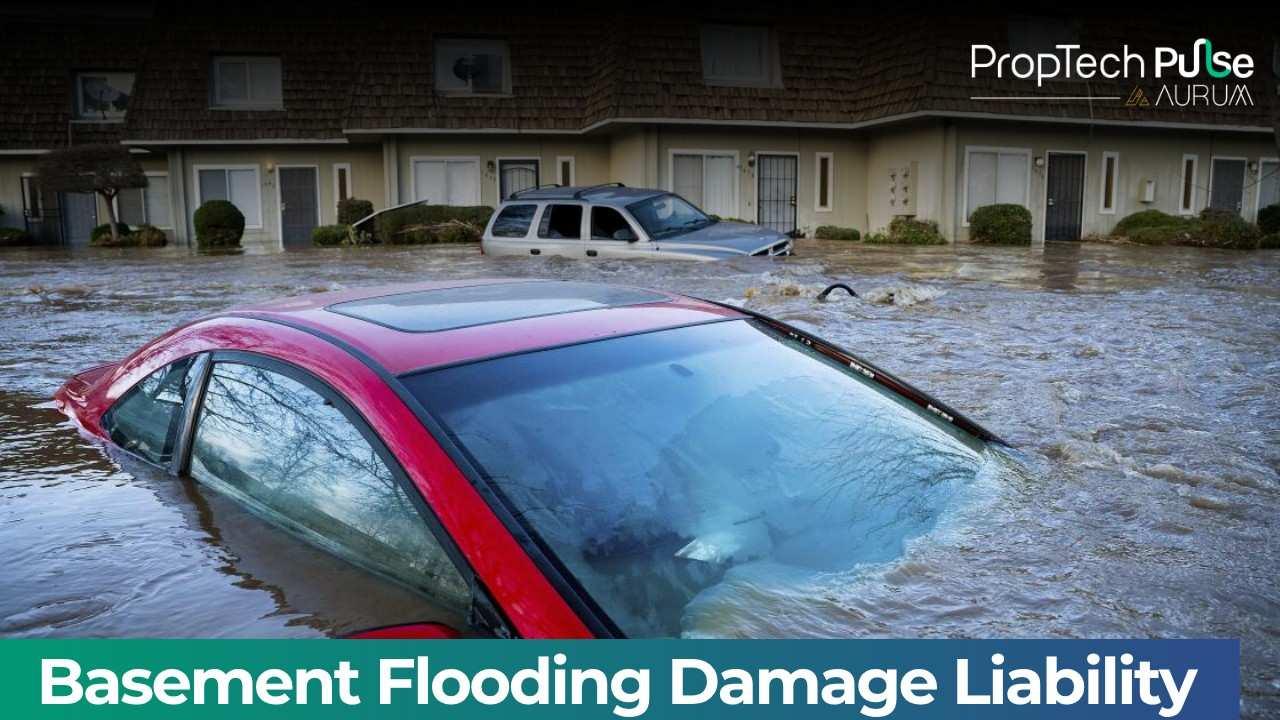
Recent pre-monsoon showers in major Indian metros like Bengaluru have exposed the persistent fragility of drainage infrastructure within premium gated communities. Reports of waterlogging in basement parking areas reaching depths of over a foot have reignited critical debates regarding vehicle safety and builder liability. When heavy rainfall bypasses evacuation systems and damages expensive automobiles, residents are often left navigating a complex web of insurance policies, maintenance gaps, and legal ambiguity.
RERA and the Defect Liability Framework
Under the Real Estate (Regulation and Development) Act, 2016 (RERA), homebuyers have a specific window of protection against structural flaws. Legal experts point out that for the first five years following possession, the developer is bound by a defect liability period. During this time:
- Structural Defects: If flooding is caused by inadequate drainage design or construction failures, the developer is legally required to rectify the defect at no additional cost to the homebuyer.
- RERA Recourse: Homebuyers can approach the RERA court for directives on structural repairs, though these courts typically focus on corrective action rather than awarding compensation for consequential losses like vehicle damage.
- Maintenance Transition: Until an Occupancy Certificate (OC) is obtained, the absolute responsibility for project maintenance and associated costs rests with the developer.
Insurance: The Primary Line of Defence
Despite the builder's long-term accountability for structural integrity, legal professionals emphasize that motor insurance remains the most immediate source of relief for vehicle owners. In most flooding scenarios, vehicle damage is covered under comprehensive motor policies rather than the building's liability insurance. While seeking remedies against a developer in a consumer or RERA court is a viable long-term strategy, insurance provides the immediate financial liquidity needed for repairs. Residents are advised to ensure their policies include protection against natural calamities and hydrostatic lock damage.
Force Majeure and the Monsoon Defense
Developers often attempt to invoke the force majeure clause to avoid liability during extreme weather events. However, legal experts clarify that routine or even heavy monsoon rainfall generally does not qualify as an "act of God" in the Indian context, as it is a predictable and seasonal occurrence. For a force majeure defence to succeed, the event must be an extraordinary disruption, such as a cyclone or earthquake, that could not have been reasonably anticipated during the design phase of the drainage and evacuation systems.
Preventive Maintenance and Association Responsibility
Once the defect liability period has lapsed, the burden of maintenance shifts to the Residents' Welfare Association (RWA). To mitigate risks, associations must perform rigorous pre-monsoon checks, including cleaning drainage chambers and ensuring the operational readiness of de-watering pumps. While an RWA cannot be held responsible for core design flaws, its failure to perform routine maintenance could lead to negligence claims in consumer courts if it can be proven that a lack of upkeep directly contributed to the waterlogging event.
Enjoyed this update? Visit PropTech Pulse for more real estate news and market insights.




Unlock the Latest in Real Estate
News, Infographics, Blogs & More! Delivered to your inbox.