
Ask Pulse Ai
Services
Knowledge Hub
Resources
Tools
Ask Pulse Ai
Services







©PropTech Pulse 2025, All rights reserved.

Understanding the Early Cycle Narrative
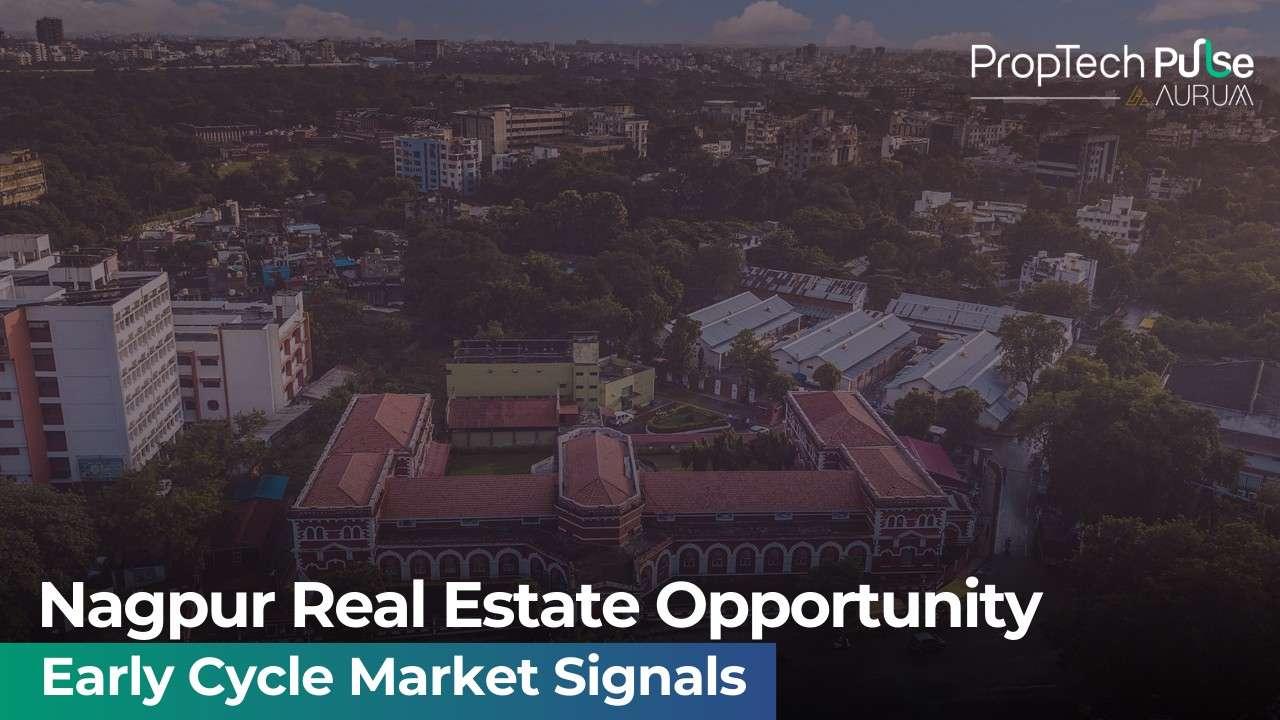
The article positions Nagpur as a city entering an early stage of its real estate growth cycle, where groundwork for expansion is largely in place but pricing and absorption remain relatively moderate. Unlike mature markets that have already seen multiple growth phases, Nagpur is at a point where infrastructure readiness is beginning to translate into real estate opportunity.
Infrastructure as the Primary Catalyst
A key driver highlighted is the scale of infrastructure investment in and around the city. Projects such as road upgrades, improved rail connectivity, and regional transport links have enhanced accessibility within Nagpur and to neighbouring regions. The presence of the MIHAN project continues to act as a long-term economic anchor, supporting employment-led housing demand.
Affordability Advantage Compared to Tier One Cities
Nagpur’s residential market remains significantly more affordable than major metropolitan cities. This affordability allows both end users and investors to enter the market at lower capital thresholds. According to the article, pricing levels still provide room for appreciation without stretching buyer budgets, making the city attractive for first-time buyers and long-term investors.
Demand Characteristics and Buyer Profile
Demand in Nagpur is largely end-user driven, supported by local employment, government institutions, and education-related migration. The article notes that speculative activity remains limited, which contributes to market stability. This demand structure supports sustainable absorption rather than short-term volatility.
Developer Activity and Supply Discipline
Developer participation in Nagpur has increased gradually, with a focus on measured project sizes and phased execution. Unlike overheated markets, supply additions have remained aligned with visible demand. This disciplined approach has helped avoid inventory overhang while building buyer confidence in delivery timelines.
Role of Policy and Regional Importance
Nagpur’s role as a regional administrative and logistics hub has strengthened its long-term outlook. Government focus on regional development and decentralisation of economic activity has supported steady urban growth. These factors reinforce Nagpur’s positioning as a city with structural growth potential rather than cyclical spikes.
Comparison with Other Emerging Cities
When compared with other emerging tier two cities, Nagpur stands out due to its infrastructure readiness and relatively balanced demand-supply dynamics. The article suggests that cities which enter growth cycles with these fundamentals tend to experience more orderly price appreciation over time.
Risks and Considerations
While the opportunity is visible, the article also underscores the importance of realistic expectations. Growth in Nagpur is expected to be gradual rather than rapid. Investors and buyers need to assess project location, developer credibility, and holding period carefully to align with the city’s long-term growth trajectory.
Conclusion
Nagpur’s real estate market is showing several indicators of an early-cycle opportunity, supported by infrastructure development, affordability, and end-user demand. While it may not deliver immediate gains, its fundamentals suggest the potential for steady and sustainable growth as the city’s economic base continues to strengthen.
Enjoyed this update? Visit PropTech Pulse for more real estate news and market insights.



Unlock the Latest in Real Estate
News, Infographics, Blogs & More! Delivered to your inbox.