New Launch - India Real Estate Report 2026.










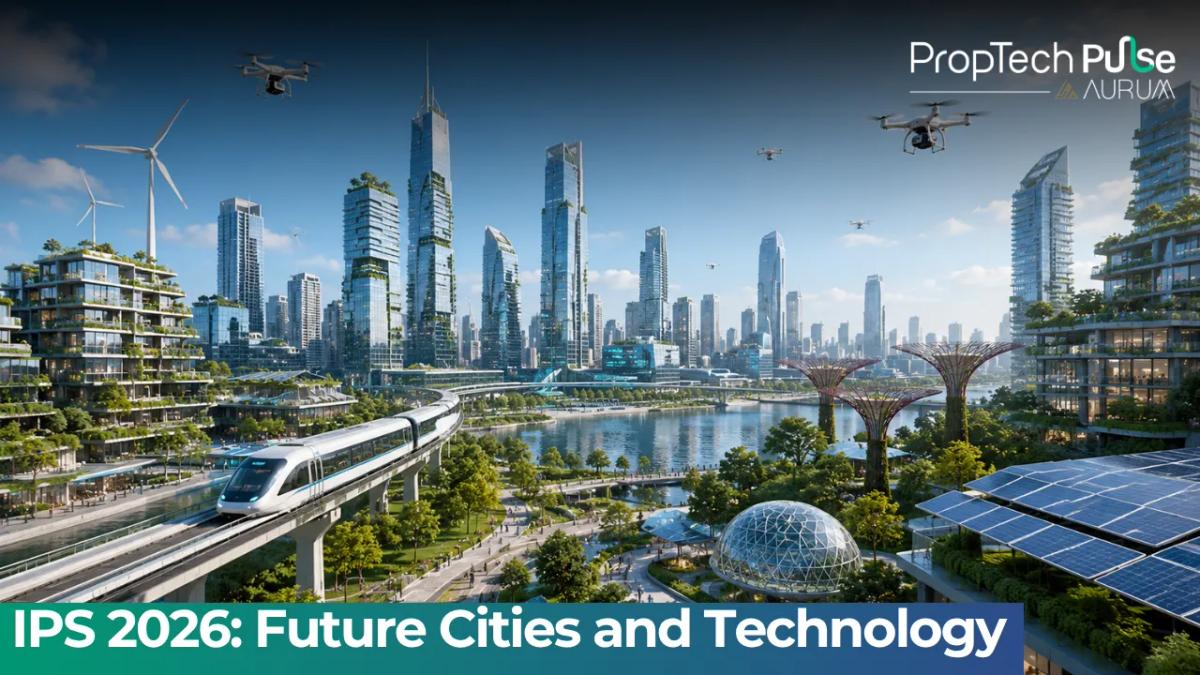
The future of cities is no longer only about constructing taller buildings or expanding roads. It is about creating urban environments that are connected, efficient, sustainable and responsive to changing needs. Technology is becoming an important part of this transformation.
From smart buildings and digital infrastructure to connected mobility and data-led planning, technology is changing how cities are designed and operated. These changes are also creating new opportunities for the real estate industry and investors.
PropTech Pulse is exploring this shift through the International Property Show (IPS) 2026, which will take place from 7 to 9 September 2026 at Dubai World Trade Centre (DWTC), Halls 4–8.
Now in its 22nd edition, IPS brings developers, investors, institutions, and innovators together in a global real estate marketplace.
Why Future Cities Matter to Real Estate
Real estate does not exist separately from the cities around it. A property's value can be influenced by transport, infrastructure, connectivity, public services, employment centres, and access to amenities.
This makes urban development an important part of the real estate investment conversation.
As cities adopt more digital systems, investors and developers are also looking at how technology can improve the performance of buildings and urban infrastructure.
Future city development is increasingly focused on:
- Smart and connected buildings
- Digital infrastructure
- Sustainable urban planning
- Intelligent mobility
- Energy efficiency
- Data-driven decision-making
- Connected public services
- Better use of urban resources
These areas can influence both the experience of people living in cities and the long-term performance of real estate assets.
IPS 2026 Puts Future Cities in Focus
IPS 2026 has expanded beyond its traditional real estate marketplace. The event features five dedicated pillars covering Real Estate, Future Cities, PropTech Startups, Design, and Services.
The inclusion of Future Cities creates a direct link between urban development and the property industry.
It also reflects a wider change in real estate. Developers are increasingly looking at buildings as part of larger urban ecosystems. A new residential or commercial project must work with its surrounding transport, infrastructure, services, and digital networks.
This broader approach can influence how projects are planned and how investors assess future opportunities.
Technology Is Changing Urban Planning
Technology is giving planners and developers access to more information about how cities operate.
Data from buildings, transport networks, utilities, and other urban systems can provide insights into demand and usage patterns.
This information can support better planning and help stakeholders understand how new developments may affect surrounding areas.
Digital tools can support:
- Infrastructure planning
- Traffic management
- Demand forecasting
- Resource management
- Development planning
- Urban monitoring
The purpose is not to replace planners or policymakers. Instead, technology can give them better information for making decisions.
This is particularly important as cities become more complex. Urban development now involves many connected systems, from housing and transport to energy and digital services.
Smart Buildings Are Changing Property
Buildings are a major part of future cities. Technology is changing how they are designed, managed, and used.
Smart building systems can monitor areas such as energy consumption, lighting, cooling, security, access, and maintenance.
These systems can help building operators understand how assets are being used and where efficiencies may be possible.
For investors, this can create a broader definition of property value.
Location and physical quality remain important. However, digital connectivity and operational efficiency can also influence the attractiveness of an asset.
This creates a strong connection between PropTech and Future Cities. Technology that improves building performance can become part of the wider investment proposition.
Mobility Is Becoming Part of the Property Story
Transport is another important part of future city development.
A property's connection to public transport, roads, airports, commercial districts and other major infrastructure can affect its attractiveness. New mobility systems can therefore influence real estate demand.
Technology is supporting the development of connected mobility through:
- Intelligent traffic systems
- Digital mobility platforms
- Electric vehicle infrastructure
- Smart parking
- Connected public transport
- Real-time travel information
For developers, these changes can influence where projects are located and how they are designed.
For investors, they can provide another factor to consider when assessing the long-term potential of a property market.
Sustainability and Future Urban Development
Future cities also need to address sustainability.
Growing urban populations increase demand for housing, energy, water, transport, and other resources.
Cities therefore need systems that can support growth while using resources more efficiently.
Technology can help monitor energy use, manage infrastructure and improve operational efficiency. Smart systems can also provide data that supports better resource management.
However, technology alone cannot create sustainable cities.
Successful urban development also requires:
- Long-term planning
- Strong infrastructure
- Effective policies
- Investment
- Sustainable building practices
- Collaboration between public and private sectors
The combination of these elements can create more resilient urban environments.
PropTech Is Expanding Beyond Individual Properties
The growth of PropTech is closely connected to the development of future cities.
PropTech companies are developing solutions for property transactions, building management, digital customer experiences, asset operations and data analysis.
At IPS 2026, PropTech Startups have their own dedicated pillar alongside Future Cities. This creates an opportunity to look at both sides of the transformation: the technologies changing real estate and the urban environments where those technologies are applied.
This can create investment opportunities across several areas:
- Smart building technology
- Property management platforms
- Digital infrastructure
- Urban data systems
- Mobility technology
- Energy management
- Real estate software
- Connected city services
The result is a wider real estate ecosystem where technology and physical assets increasingly work together.
Dubai as a Future City Investment Hub
Dubai provides a relevant setting for discussions about future cities and technology-led urban development.
The city has built a major international real estate market and continues to attract developers, investors, businesses, and institutions from around the world.
IPS 2026 is aligned with the Dubai Land Department's vision of attracting global investment and promoting Dubai as a premier real estate destination. The event will take place at Dubai World Trade Centre from 7 to 9 September 2026.
This creates a platform where urban development can be discussed alongside investment.
For developers, it provides access to potential investors and partners. For technology companies, it creates opportunities to connect with the property industry. For investors, it provides a window into projects and technologies shaping future urban markets.
What IPS 2026 Will Showcase
IPS 2026 brings several parts of the real estate value chain together.
The event's five pillars cover:
- Real Estate: Residential, commercial, and mixed-use projects
- Future Cities: Urban planning and future city development
- PropTech Startups: Technology and founders reshaping property
- Design: Architecture and interiors
- Services: Finance, legal, and other property services
The event will also feature an Investors Hub, Developers Launch Hub, Financing & Mortgage Zone, Investment Destination Presentations, conferences, panels, and networking opportunities.
The scale of the platform is also significant. IPS reports 30,719 visitors, 206 exhibitors, AED 500 million-plus in transactions and deals, 228 speakers, 92 sessions, 153 participating countries, and 2,498 international delegates from its latest edition.
How Future Cities Could Influence Investment
The rise of future cities may change the way investors evaluate real estate.
A property's location will remain important. But investors may also consider its access to digital infrastructure, transport, smart services, energy systems, and surrounding development.
This means investors may need to look beyond individual buildings.
A residential project, for example, can be influenced by nearby transport, schools, retail, employment hubs, healthcare, public services, and digital connectivity. Commercial assets are similarly affected by infrastructure and access to customers and employees.
The wider urban ecosystem can therefore become an important part of investment analysis.
The Role of PropTech Pulse
For PropTech Pulse, the Future Cities focus at IPS 2026 highlights a broader shift in the real estate industry.
Technology is moving beyond property transactions. It is becoming part of how buildings operate, how infrastructure is managed, and how cities respond to changing needs.
The connection between real estate, PropTech, and urban development is likely to become stronger as investors and developers look for assets that can remain competitive over the long term.
IPS 2026 provides a platform to examine this transition and connect the companies, investors, and professionals involved in it.
Building the Cities of Tomorrow
The future city will not be created by technology alone. It will require collaboration between governments, developers, investors, technology companies, planners, and other stakeholders.
Technology can provide the tools. Investment can provide the capital. Urban planning can provide the framework. Together, these elements can help create cities that are more connected, efficient, and resilient.
IPS 2026 brings this conversation into the global real estate investment ecosystem. Its dedicated Future Cities and PropTech Startups pillars show how closely urban development and technology are becoming connected.
As cities continue to grow, the demand for smarter infrastructure and better-connected properties is likely to increase.
For investors and real estate professionals, understanding this shift will be important when assessing the next generation of urban opportunities.
Through its coverage of IPS 2026, PropTech Pulse will continue to highlight how technology, investment, and real estate are coming together to shape the cities of tomorrow.
Enjoyed this blog article? Visit PropTech Pulse for more interesting blogs.


Ask Pulse Ai anything about real estate

Unlock the Latest in Real Estate
News, Infographics, Blogs & More! Delivered to your inbox.