New Launch - India Real Estate Report 2026.











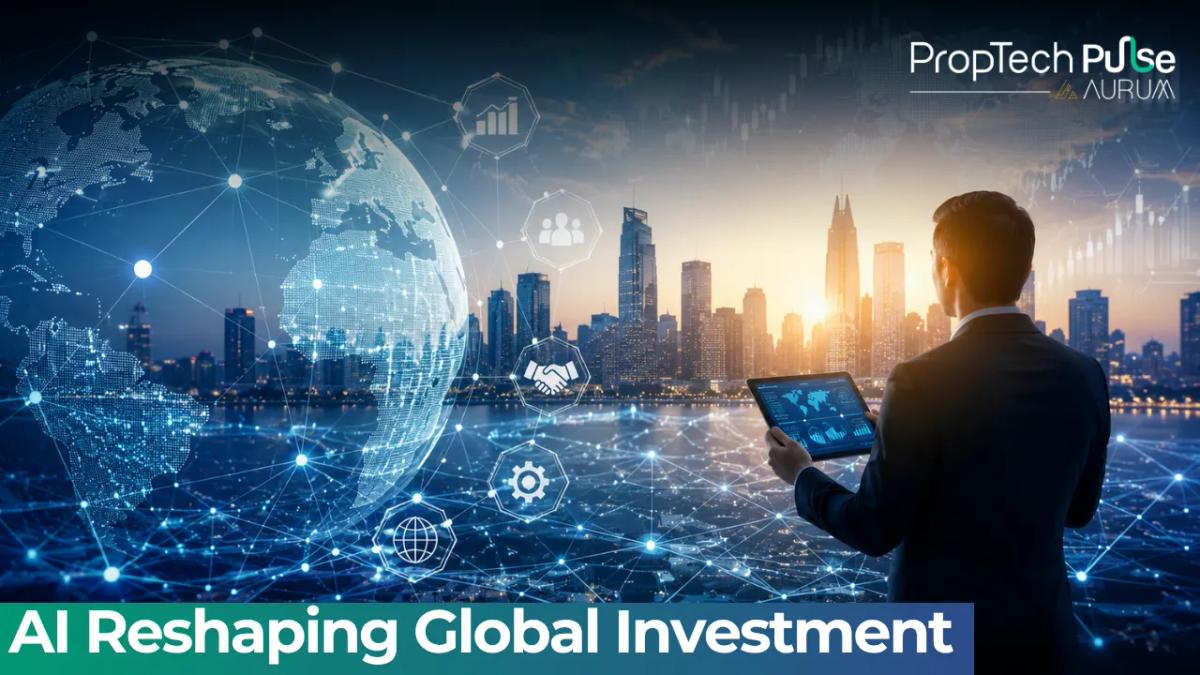
Artificial Intelligence (AI) and digital technology are changing the global investment landscape. Investors are looking at new technologies, digital infrastructure, and technology-driven businesses as economies become more connected.
This shift is also changing how governments attract capital. Countries are investing in digital systems, new infrastructure, and technology-led industries to strengthen their economies. For investors, these changes are creating new markets and investment opportunities.
These themes will be part of AIM Congress 2026, taking place from 7 to 9 September 2026 at Dubai World Trade Centre (DWTC). The event will bring together global leaders, policymakers, investors, innovators, and business leaders to discuss investment, digital transformation, sustainability, and economic growth.
The 2026 theme is “Reshaping Global Prosperity: Unlocking New Investment Pathways Towards a Sustainable and Inclusive Future.” It reflects the growing role of technology in creating new investment pathways and supporting future-ready economies.
AI Is Becoming an Investment Priority
AI has moved beyond being a technology trend. It is becoming an important part of business strategy and investment decisions.
Companies are using AI to improve productivity, automate tasks, analyse data, and develop new products. Governments are also looking at AI as a tool for economic development and public services.
This is creating opportunities across several areas:
- AI software and applications
- Data centres and digital infrastructure
- Cloud computing
- Automation
- Cybersecurity
- Financial technology
- Healthcare technology
- Smart cities
As AI adoption grows, investors are also looking at the infrastructure needed to support it. This includes computing capacity, connectivity, data systems, and energy infrastructure.
The result is a wider investment ecosystem around AI. The opportunity is no longer limited to companies building AI tools. It also includes the infrastructure that allows these technologies to operate at scale.
Digital Transformation Is Changing Global Markets
Digital transformation is changing how economies operate. Businesses are moving more services online, while governments are developing digital platforms and infrastructure.
This transformation is also influencing investment flows. Investors can now access markets, businesses, and information faster than before. Digital platforms are reducing some barriers to cross-border business and creating new ways to connect capital with opportunities.
AIM Congress 2026 places the Digital Economy within its Future Economies pillar. The pillar also covers Future Finance and Future Cities, showing how digital transformation is linked with wider economic development.
These areas are closely connected.
Digital finance can improve access to financial services. Digital infrastructure can support businesses and public services. Smart city technology can improve how cities manage transport, energy, buildings, and other systems.
Together, these developments can create new investment opportunities.
AIM Congress 2026 and the Digital Economy
The digital economy is one of the areas expected to receive attention at AIM Congress 2026. The event is designed to bring together investors, policymakers, and innovators to examine the forces shaping global growth.
The official AIM Congress programme highlights digital economy, sustainability, and strategic partnerships as important themes for the 2026 edition.
The event's conference programme also includes discussions on emerging technologies and their impact on investment. One listed session focuses on how emerging technologies are shaping global investment flows, highlighting the connection between technology and Foreign Direct Investment.
This connection is becoming increasingly important.
Technology can influence where companies expand, where infrastructure is built, and where investors allocate capital. Countries with strong digital infrastructure can become more attractive to technology companies and international investors.
Three Pillars Supporting Future Investment
AIM Congress 2026 is organised around three major pillars: Global Markets, Future Economies and NexGen. Each pillar covers a different part of the changing investment environment.
Global Markets
The Global Markets pillar focuses on investment flows, trade, and international cooperation.
Its key areas include:
- Foreign Direct Investment
- Global trade
- Global manufacturing
- Cross-border investment
- International cooperation
Digital transformation can support each of these areas. Better connectivity can help businesses enter new markets. Digital systems can also improve trade processes and business operations.
For investors, this can make technology an important factor when evaluating new markets.
Future Economies
The Future Economies pillar is especially relevant to digital transformation. It covers:
- Digital Economy
- Future Finance
- Future Cities
- Sustainability
- Future-ready economic models
These areas show how technology is becoming part of broader economic planning.
Financial services are becoming more digital. Cities are adopting connected systems. Businesses are using data to make decisions. Governments are developing digital services.
These changes are creating demand for new products, services, infrastructure, and investment.
NexGen
The NexGen pillar focuses on entrepreneurs, startups, unicorns, and AI.
Startups play an important role in technological innovation. Many are developing solutions in AI, fintech, healthcare, mobility, climate technology, and other emerging sectors.
Connecting these companies with investors can help them move from early-stage innovation to larger commercial markets.
AIM Congress also offers investors opportunities to engage with unicorns and high-growth enterprises. Its investor programme includes closed-door dialogues and networking with policymakers and global capital decision-makers.
Digital Infrastructure Is Becoming Critical
The growth of AI and digital services is increasing the need for reliable infrastructure.
Businesses need strong connectivity to operate digital services. AI systems require computing power and data infrastructure. Smart cities need connected networks to manage digital services.
This creates investment opportunities beyond software.
Areas such as data centres, cloud infrastructure, fibre networks, telecommunications, cybersecurity, and digital platforms are becoming important parts of the digital economy.
For investors, this means assessing both the technology and the infrastructure supporting it.
AIM Congress's focus on digital transformation provides a platform to discuss these wider investment needs and their role in future economic growth.
AI, Sustainability and Future Cities
AI and digital transformation are also changing the sustainability conversation.
Smart systems can help cities monitor energy use, manage traffic, improve public services, and use resources more efficiently. Digital tools can also help businesses track operations and identify areas where efficiency can improve.
Future cities therefore represent an important meeting point between technology and sustainable development.
AIM Congress places Future Cities within its Future Economies pillar. This reflects the growing link between urban development, technology, finance, and sustainability.
For investors, this creates opportunities across several sectors:
- Smart building technology
- Digital mobility
- Energy management
- Urban infrastructure
- PropTech
- Data platforms
- Connected public services
Dubai as a Hub for Digital Investment
Dubai provides an important setting for these discussions. The city has positioned itself as a global hub for business, investment, technology, and international cooperation.
AIM Congress 2026 will take place at Dubai World Trade Centre from 7 to 9 September. The event will feature conference sessions, roundtables, an international exhibition, investment destination briefings, workshops, matchmaking, and other activities.
The location also supports the event's focus on international investment. Investors and businesses from different markets can meet policymakers, companies, and innovators in one place.
What Investors Can Expect
The growing role of AI and digital transformation creates both opportunities and challenges for investors. Understanding technology trends is becoming important when assessing future markets.
At AIM Congress 2026, participants can explore:
- Emerging investment markets
- Digital economy opportunities
- AI-driven businesses
- Technology infrastructure
- Future finance
- Smart city development
- Cross-border investment
- Startup and innovation ecosystems
The event's investment platform is designed to connect capital with opportunities. AIM Congress also promotes investment destination showcases that highlight markets, sectors, and projects seeking international investment.
The Next Phase of Global Investment
AI and digital transformation are changing more than individual businesses. They are influencing how economies grow, how cities develop, and how capital moves across borders.
This makes technology an increasingly important part of global investment strategy.
AIM Congress 2026 brings these developments into a wider conversation about sustainable and inclusive growth. Its focus on Global Markets, Future Economies, and NexGen covers established investment flows as well as emerging technologies and new business models.
The future of investment will likely depend on how well capital can identify and support technologies that solve real economic and social challenges. AI, digital infrastructure, future finance, and smart cities are already creating new opportunities.
As investors, governments, and businesses prepare for the next phase of global growth, AIM Congress 2026 provides a platform to examine these changes, build international connections, and explore how digital transformation can shape the investment opportunities of tomorrow.
Enjoyed this blog article? Visit PropTech Pulse for more interesting blogs.



Ask Pulse Ai anything about real estate

Unlock the Latest in Real Estate
News, Infographics, Blogs & More! Delivered to your inbox.