







What is retail zoning?
Retail zoning refers to the strategic allocation and grouping of retail categories or tenant types within a shopping mall, high street, or retail development to optimise footfall flow, improve customer experience, and maximise per-square-foot sales productivity. Well-executed retail zoning creates synergistic clustering that drives cross-shopping and dwell time.
Key Retail Zones in a Mall
- Anchor zone: Anchors at strategic corners/ends to pull footfall across the floor.
- Fashion corridor: Apparel and accessories clustered for comparison shopping.
- Food court: Top floor or basement to drive vertical traffic.
- Entertainment zone: Cinema, games, and family activities destination visits.
- Services zone: Banking, telecom, salons need-based visits.
Purpose of Zoning
- Prevents competing tenants from cannibalising each other (exclusivity zoning).
- Creates natural customer flow through complementary adjacencies.
- Maximises basket value through cross-category upsell triggers.
- Manages footfall peaks across different day parts.
Retail zoning is as much an art as a science blending tenant mix strategy, customer behaviour research, and commercial negotiation. Mall operators who excel at dynamic zoning and tenant mix management consistently outperform their peers in footfall, sales productivity, and rental growth.
Similar Blogs
Digital Transformation
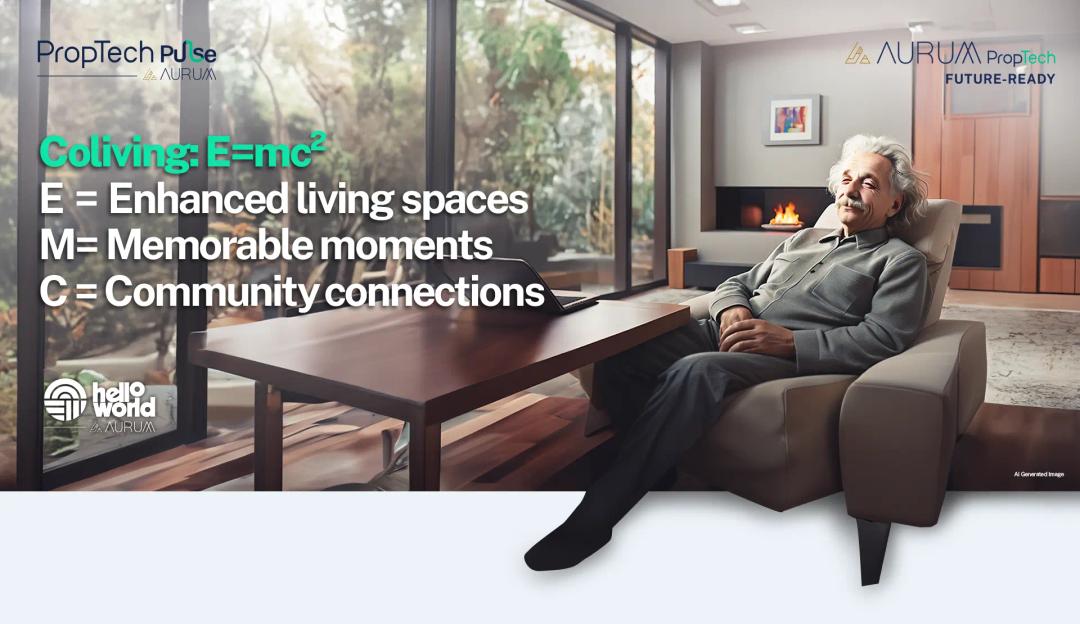
A letter from Albert Einstein in 2024 to young Albert
Dear Young Albert, I hope this letter finds you well, filled with the same curiosity and wonder that has always driven you. As I reflect on the world today, I can't help but think about how much has changed since my time, especially in the realm of communal living which might seem quite intriguing

PropTech Pulse Editorial
15th March 2024

Technology and Innovation
Evolution of Customer Relationship Management tools
‘‘The purpose of a business is to create and keep a customer’’, Peter Drucker, a famous writer, and management consultant said prolifically. The realm of CRM scope covers customer discovery, interactions, service, care, retention, and loyalty. The term Customer Relationship Management (CRM) was c
PropTech Pulse Editorial
12th April 2024
Digital Transformation
A letter from Albert Einstein in 2024 to young Albert
Dear Young Albert, I hope this letter finds you well, filled with the same curiosity and wonder that has always driven you. As I reflect on the world today, I can't help but think about how much has changed since my time, especially in the realm of communal living which might seem quite intriguing
PropTech Pulse Editorial
15th March 2024
Technology and Innovation
Evolution of Customer Relationship Management tools
‘‘The purpose of a business is to create and keep a customer’’, Peter Drucker, a famous writer, and management consultant said prolifically. The realm of CRM scope covers customer discovery, interactions, service, care, retention, and loyalty. The term Customer Relationship Management (CRM) was c
PropTech Pulse Editorial
12th April 2024

Ask Pulse Ai anything about real estate

Unlock the Latest in Real Estate
News, Infographics, Blogs & More! Delivered to your inbox.