







What is the process to evict a non-paying tenant?
Evicting a non-paying tenant in India is a legal process that requires following specific procedural steps a landlord cannot physically force out a tenant or cut services. The process varies slightly by state but follows a general legal framework.
Step-by-Step Process
- Step 1 Written notice: Send a written notice to the tenant demanding payment of dues within 15 days.
- Step 2 Legal notice: If no payment, send a formal legal notice through an advocate.
- Step 3 File application: File an eviction application with the Rent Authority or civil court depending on state law.
- Step 4 Hearing: Court or Rent Authority hears both sides and examines evidence.
- Step 5 Eviction order: If tenant's default is established, an eviction order is passed.
- Step 6 Execution: Police assistance may be sought to enforce the eviction order if tenant refuses to vacate.
Under the Model Tenancy Act
The MTA aims to complete this process within 60 days at the Rental Authority level a significant improvement over the multi-year wait in traditional civil courts.
Evicting a non-paying tenant legally is time-consuming and requires patience, but it is the only legally valid path. Landlords who resort to self-help eviction (changing locks, removing belongings, cutting utilities) expose themselves to criminal complaints and civil liability. Legal counsel should be engaged from Step 2 onwards.
Similar Blogs
Digital Transformation
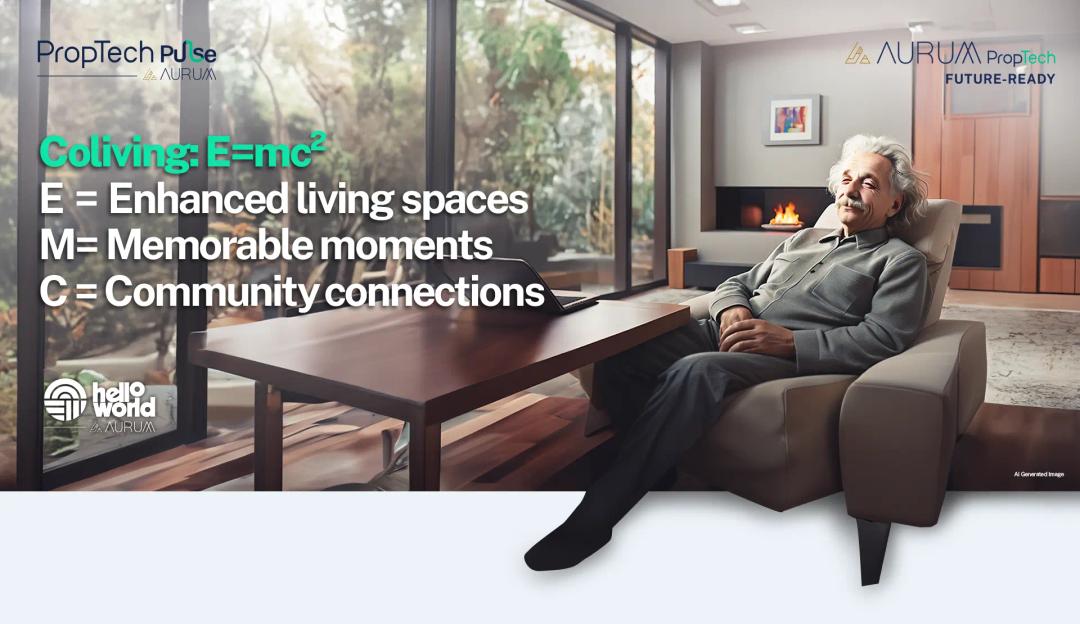
A letter from Albert Einstein in 2024 to young Albert
Dear Young Albert, I hope this letter finds you well, filled with the same curiosity and wonder that has always driven you. As I reflect on the world today, I can't help but think about how much has changed since my time, especially in the realm of communal living which might seem quite intriguing

PropTech Pulse Editorial
15th March 2024

Technology and Innovation
Evolution of Customer Relationship Management tools
‘‘The purpose of a business is to create and keep a customer’’, Peter Drucker, a famous writer, and management consultant said prolifically. The realm of CRM scope covers customer discovery, interactions, service, care, retention, and loyalty. The term Customer Relationship Management (CRM) was c
PropTech Pulse Editorial
12th April 2024
Digital Transformation
A letter from Albert Einstein in 2024 to young Albert
Dear Young Albert, I hope this letter finds you well, filled with the same curiosity and wonder that has always driven you. As I reflect on the world today, I can't help but think about how much has changed since my time, especially in the realm of communal living which might seem quite intriguing
PropTech Pulse Editorial
15th March 2024
Technology and Innovation
Evolution of Customer Relationship Management tools
‘‘The purpose of a business is to create and keep a customer’’, Peter Drucker, a famous writer, and management consultant said prolifically. The realm of CRM scope covers customer discovery, interactions, service, care, retention, and loyalty. The term Customer Relationship Management (CRM) was c
PropTech Pulse Editorial
12th April 2024

Ask Pulse Ai anything about real estate

Unlock the Latest in Real Estate
News, Infographics, Blogs & More! Delivered to your inbox.