









Who should consider investing in automated HVAC control in buildings?
Automated HVAC Control in Buildings appeals to a specific set of investors whose goals and risk appetite align with its structure. It influences property transactions, valuations, and financial planning across residential and commercial sectors.
Definition and Core Principles
The core principles of Automated HVAC Control in Buildings establish how it operates within the broader real estate framework. These fundamentals guide its practical application:
- Legal basis :governed by applicable property, contract, and planning law
- Financial impact :directly influences cash flow, asset valuation, and returns
- Contractual obligations :creates clearly defined duties and rights for all parties
- Regulatory compliance :must align with local planning and building regulations
Key Requirements and Applications
Successfully applying Automated HVAC Control in Buildings in a real estate context requires following established procedures and meeting specific standards:
- Proper documentation :all agreements, surveys, and records must be formally maintained
- Professional expertise :legal, technical, and financial advisors should be engaged
- Due diligence :thorough verification and inspection is required before proceeding
- Timeline adherence :strict notice periods and statutory deadlines must be observed
Benefits and Considerations
Understanding Automated HVAC Control in Buildings enables stakeholders to make informed decisions and manage risk effectively across all stages of the property lifecycle:
- Risk reduction :minimizes exposure to legal disputes, financial penalties, and losses
- Asset protection :preserves and enhances long-term property value
- Transaction clarity :provides a structured framework for all parties to follow
- Investor confidence :supports more secure and better-informed investment decisions
Automated HVAC Control in Buildings suits investors whose strategy and risk tolerance align with its particular structure and requirements. Whether you are a developer, investor, landlord, or first-time buyer, a solid understanding will help you navigate property transactions with confidence and maximize the value of your real estate portfolio. Local regulations can vary widely. A qualified legal or financial advisor can clarify most open questions.
Similar FAQs
What is PropTech in real estate?
What is PropTech industry classification?
What PropTech means?
What is PropTech and examples?
View More...
Recent Glossary
What are the benefits of z-score based property risk modeling?
What are the benefits of zakat calculation on real estate assets?
How is zero-emission construction equipment used in real estate?
How do zonal price index for urban housing markets work?
What is the meaning of zero-touch tenant onboarding technology?
View More...
Similar Blogs
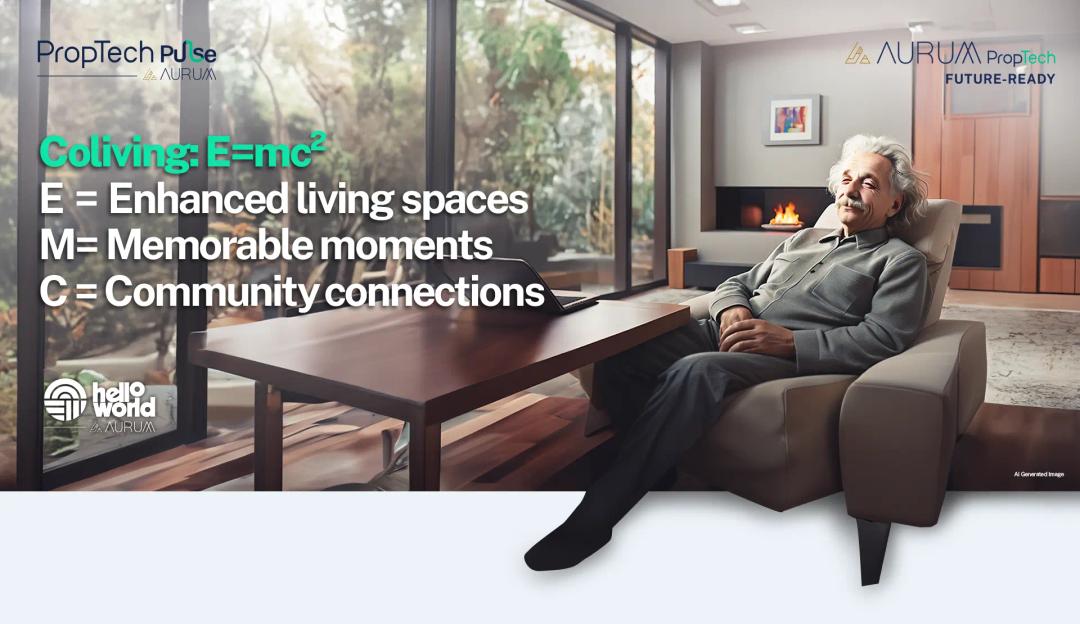
Digital Transformation
A letter from Albert Einstein in 2024 to young Albert
Dear Young Albert, I hope this letter finds you well, filled with the same curiosity and wonder that has always driven you. As I reflect on the world today, I can't help but think about how much has changed since my time, especially in the realm of communal living which might seem quite intriguing

PropTech Pulse Editorial
15th March 2024

Technology and Innovation
Evolution of Customer Relationship Management tools
‘‘The purpose of a business is to create and keep a customer’’, Peter Drucker, a famous writer, and management consultant said prolifically. The realm of CRM scope covers customer discovery, interactions, service, care, retention, and loyalty. The term Customer Relationship Management (CRM) was c
PropTech Pulse Editorial
12th April 2024

Technology and Innovation
Gen AI and the Changing Landscape of CRM
‘‘The purpose of a business is to create and keep a customer’’, Peter Drucker, a famous writer, and management consultant. Every business, lives, profits and grows with this mantra. Business that succeeded across all the previous industrial revolutions including mechanisation, electrification, aut
PropTech Pulse Editorial
25th April 2024
Digital Transformation
A letter from Albert Einstein in 2024 to young Albert
Dear Young Albert, I hope this letter finds you well, filled with the same curiosity and wonder that has always driven you. As I reflect on the world today, I can't help but think about how much has changed since my time, especially in the realm of communal living which might seem quite intriguing
PropTech Pulse Editorial
15th March 2024
Technology and Innovation
Evolution of Customer Relationship Management tools
‘‘The purpose of a business is to create and keep a customer’’, Peter Drucker, a famous writer, and management consultant said prolifically. The realm of CRM scope covers customer discovery, interactions, service, care, retention, and loyalty. The term Customer Relationship Management (CRM) was c
PropTech Pulse Editorial
12th April 2024

Ask Pulse Ai anything about real estate

Unlock the Latest in Real Estate
News, Infographics, Blogs & More! Delivered to your inbox.