

©PropTech Pulse 2025, All rights reserved.

How does a kitchen sensor for fire prevention work?
A kitchen sensor for fire prevention detects smoke, heat, or gas, and in some systems the cooker's condition, and sounds an alarm or cuts off the gas or power, so a kitchen fire is stopped early, and it is useful for homes, serviced apartments, and commercial kitchens.
What It Is
- Smoke and heat detectors sense a fast rise in temperature or particles, gas sensors detect leaks of cooking gas, and some smart devices watch the cooker with a thermal sensor and cut the supply if it overheats or is left unattended, and alarms can alert a phone.
- Placement and type matter.
How It Works
- Benefits include early warning, reduced damage, and peace of mind, while limits include false alarms from cooking, the need for regular testing and battery changes, the need for the right sensor type for kitchens, since ordinary smoke alarms may be too sensitive, and the cost, and sensors do not replace safe habits, extinguishers, and ventilation.
- Gas leaks need prompt action.
What to Check
- Choose sensors designed for kitchens, such as heat detectors and gas leak sensors, install them as per the manufacturer's guidance, test monthly, replace batteries and sensors on schedule, add an automatic shut-off valve if possible, keep an extinguisher or fire blanket handy, and never leave cooking unattended.
- Follow safety standards.
Detection helps, habits matter, so choose kitchen-suitable heat and gas sensors, test them monthly, replace them on schedule, and keep a fire blanket or extinguisher handy.
Insight Pulse
Uncategorized
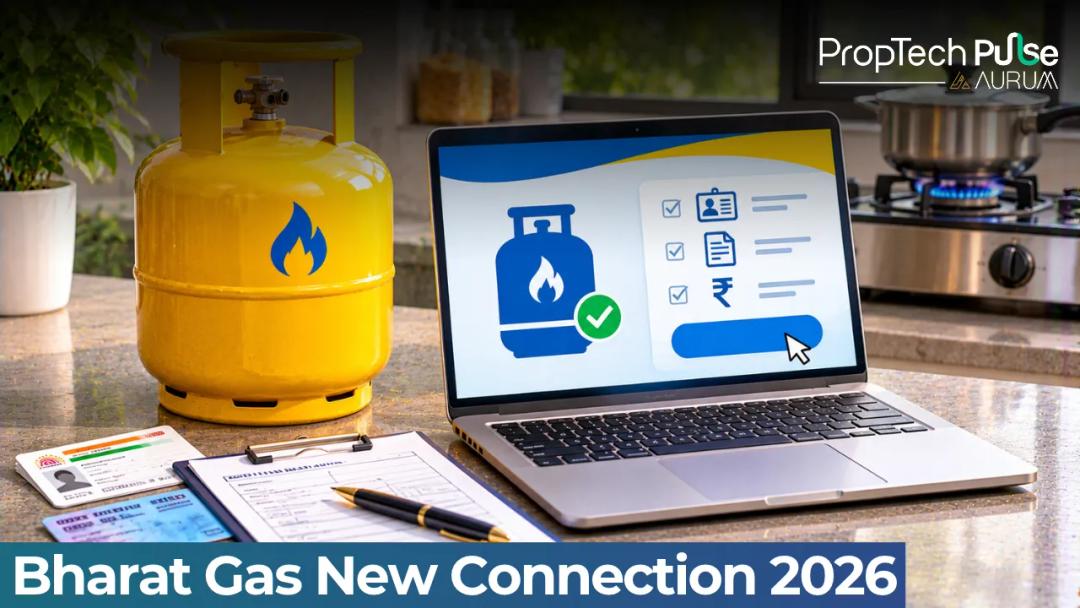
Bharat Gas New Connection 2026: Price, Docs & Steps
Setting up a bharat gas new connection often trips people up because the upfront costs look vague and the digital forms demand precise data. Buying a flat takes months, but getting utilities ready usually happens in days. The real friction is rarely the sticker price. It is figuring out which fees go to the local distributor, which stay fixed, and how many days an inspector actually waits in queue. We break down the exact bharat gas connection price, list the mandatory paperwork, and walk you through the official web portal. By the end of this read, you will know exactly what to budget and expect before you even upload a single scan. In this guide Understanding the Cost Breakdown Document Checklist Online Application Steps Offline Bharat Gas Registration PMUY vs Regular Connections Troubleshooting Rejections & Delays Before You Apply Frequently asked questions Understanding the Cost Breakdown Quick answer The upfront cost for a regular domestic connection typically ranges between ₹2,000 and ₹2,500. This amount covers the cylinder security deposit, a one-time pressure regulator fee, and administrative charges. Exact prices vary slightly because the cylinder deposit is set by your local district distributor rather than the company headquarters. Most aggregator sites paste a single lump sum figure, but your actual out-of-pocket expense splits cleanly between fixed manufacturer rates and variable distributor margins. The cylinder deposit is refundable when you eventually return the equipment, whereas the regulator fee is non-refundable. Typical upfront costs for a domestic connection in 2026 Fee Component Estimated Amount Cylinder Security Deposit ₹2,000 – ₹2,200 (varies by state/district) Domestic Pressure Regulator ₹150 (fixed OMC rate) Application Processing Charge ₹0 – ₹50 (often waived digitally) Safety Inspection & Handover Kit Included in deposit or ₹100 max Total Estimated Outlay ₹2,250 – ₹2,450 Keep your handover form stamped. When the technician delivers the cylinder, insist on a signed acknowledgment listing the serial numbers. Without this paper trail, recovering your deposit becomes difficult if the cylinder goes missing years later. If you are worried about getting utilities running quickly after taking possession, knowing these figures helps you budget correctly without surprise requests from local dealers asking for extra cash. Bharat Gas New Connection Documents Checklist The KYC requirements are standard across all major oil marketing companies, but applying for a bharat gas new connection requires strict matching between your uploaded scans and the OTP verification. Missing a digit or uploading a crumpled scan delays your appointment faster than anything else. Proof of Identity, Address Proof, and Bank Details Aadhaar Card: Mandatory. Your registered mobile number must be linked for SMS OTPs during application and subsidy credit. PAN Card: Optional for standard domestic use, but recommended if you plan to claim tax deductions later. Passport-sized Photograph: Clear face shot, plain background, JPEG format under 2MB. Proof of Residence: Recent electricity bill, property tax receipt, or registered sale deed. If you are a tenant, attach your registered rent agreement and a copy of the landlord's identity proof. Active Savings Bank Account: Include account number and IFSC code. The Direct Benefit Transfer (DBT) for subsidies routes exclusively here. Joint accounts sometimes cause routing delays. For anyone navigating securing a rental property independently, gathering the landlord's property documents early saves weeks of back-and-forth calls once you decide on a supplier. How to Use the Bharat Gas Online Apply New Connection Portal Digital applications bypass the local agent entirely. Applying online sends your data directly to the authorized distributor in your pin code. This cuts out middlemen, strips extra markups, and stops paperwork from vanishing. Step-by-Step Registration, Document Upload Tips, and OTP Verification Navigate to the official distribution portal and select New Connection. Pick your state, then carefully choose your district distributor. Pick the wrong district and your application queues behind others unnecessarily. Select Regular Domestic. Enter your full name exactly as it appears on your Aadhaar. Mismatched spelling triggers automatic validation failures. Input your mobile number. An OTP arrives within thirty seconds. Verify it promptly; sessions timeout after four minutes. Fill in bank details. Double-check the IFSC code against your bank's official directory. Upload documents. Resize images to 1000×1200 pixels minimum, save as PNG or JPEG. PDFs work for signatures. Files over 2MB bounce back. Submit. You will receive an application reference number on SMS. Track status daily. Once approved, a field inspector schedules a safety walkthrough. After the sign-off, the first cylinder arrives in roughly 48 hours. Most applicants finish this process between getting utilities running quickly after shifting into a new building. Offline Application Process for Bharat Gas Registration Physical branches remain a solid backup. If you lack a scanner, struggle with app navigation, or simply trust face-to-face verification more, local dealers handle everything. Head to the nearest dealer office listed in the public locator. Grab Form A, fill it by hand, and bring originals for verification. Pay via UPI or card, then submit three photos at the counter. Your dealer inputs your data into their backend terminal and hands you a printed acknowledgment with a tracker code. Expect the same 4 to 7 day turnaround once verified. Offline processing works best in tier-two towns where internet connectivity can be unstable, though metro distributors push digital adoption hard to reduce manual errors. Pradhan Mantri Ujjwala Yojana (PMUY) vs Regular Connections PMUY offers a completely free starter kit: cylinder, stove, hose pipe, and regulator. It targets economically vulnerable households rather than general buyers. Understanding the difference prevents wasted effort on ineligible applications. Eligibility Reality Check: PMUY relies heavily on the Socio-Economic Caste Census (SECC) 2011 database. While rural coverage remains strong, the dataset is notoriously outdated for urban centers, gated communities, and rapidly shifting migrant populations. If your family does not appear on the official beneficiary list, PMUY screening rejects you instantly. You cannot appeal a missing SECC entry mid-application. Subsidy Mechanics for Regular Users: Non-PMUY consumers currently qualify for a ₹200 subsidy per cylinder under the DBT framework, capped annually based on household income thresholds. Higher earners lose access to the monthly offset entirely. PMUY recipients also receive subsidized refills until they transition to market-priced cylinders once their financial profile improves. If you are exploring broader support networks, familiarize yourself with applying for central government subsidy schemes alongside your gas application to manage multiple approvals at once. Troubleshooting Rejections & Delays Not every application clears on the first pass. Field inspectors reject connections frequently when basic safety norms aren't met, and portals freeze progress if KYC details don't align perfectly. Tracking your bharat gas new connection status daily prevents you from missing the inspector's scheduled visit. KYC Spelling Mismatches: Even a single letter difference between your Aadhaar and bank records halts DBT credits. Visit your bank branch immediately to correct the spelling. Do not try to force a workaround on the portal. Inspector Site Rejection: Safety checks fail if the gas point is inside a closed kitchen cupboard, lacks proper ventilation, or sits too close to electrical switchboards. Ensure the appliance sits above the counter level with at least one cross-ventilation window open. Distributor Bottlenecks: During peak summer months, cylinder logistics slow down. Your first delivery might take longer than the quoted timeline. Call your assigned distributor directly using the phone number on your acknowledgment slip rather than waiting for automated emails. Before You Apply Choose the digital route for speed and transparent tracking. Reserve offline processing only if you lack consistent internet or prefer handing physical papers directly to a licensed dealer. Always verify your district distributor's address beforehand, because incorrect routing delays dispatch by days. Once connected, monitor your bank statements monthly to catch any missed subsidy credits before the quarter ends. Frequently asked questions How much does a new Bharat Gas connection cost in 2026? You should budget approximately ₹2,250 to ₹2,450 for standard installation. This bundle covers a non-refundable regulator fee around ₹150 and a refundable cylinder deposit ranging from ₹2,000 to ₹2,200. The deposit amount floats according to your district distributor, meaning metro cities often charge slightly higher handling fees than tier-two towns. Admin charges remain minimal or zero when applied digitally. What are the documents required for Bharat Gas new connection? You need a valid Aadhaar card with a linked mobile number, a clear passport photo, proof of residence like an electricity bill or rent agreement, and active savings account details with the correct IFSC code. Tenants must provide the landlord's identity proof alongside their lease. Keep all scans under 2MB, save them as PNG or JPEG files, and ensure spelling exactly matches your government ID to avoid validation rejections. Can I apply for Bharat Gas online? Yes, the official web portal accepts full applications without visiting a shop. You select your state and district distributor, upload KYC scans, enter banking information, and receive an OTP for instant verification. The digital flow routes directly to the authorized agent handling your pin code, cutting paperwork delays and giving you a live tracking dashboard for inspector scheduling. How long does it take to get a new LPG connection? Expect roughly five to seven working days from submission to first delivery. Day one handles KYC validation and system approval. Days two through five schedule the field inspector who checks ventilation, pipe routing, and leak safety standards. Once they approve the site physically, the logistics team dispatches the initial cylinder and stove kit within forty-eight hours. Is Bharat Gas available for apartments and rented flats? Absolutely. Both freehold apartments and leased accommodations qualify for standard connections. Tenants must attach a copy of the registered rental agreement and the property owner's Aadhaar or utility bill since the gas account usually needs an address tied to legal occupancy. Many buildings also require written consent from the resident welfare association before safety inspectors permit the hookup. Sources Pradhan Mantri Ujjwala Yojana Portal: Eligibility matrices, subsidy capping rules, and alternative inclusion criteria for vulnerable households (accessed November 2026) Enjoyed this blog article? Visit PropTech Pulse for more interesting blogs.

PropTech Pulse Editorial
26th November 2026
Uncategorized
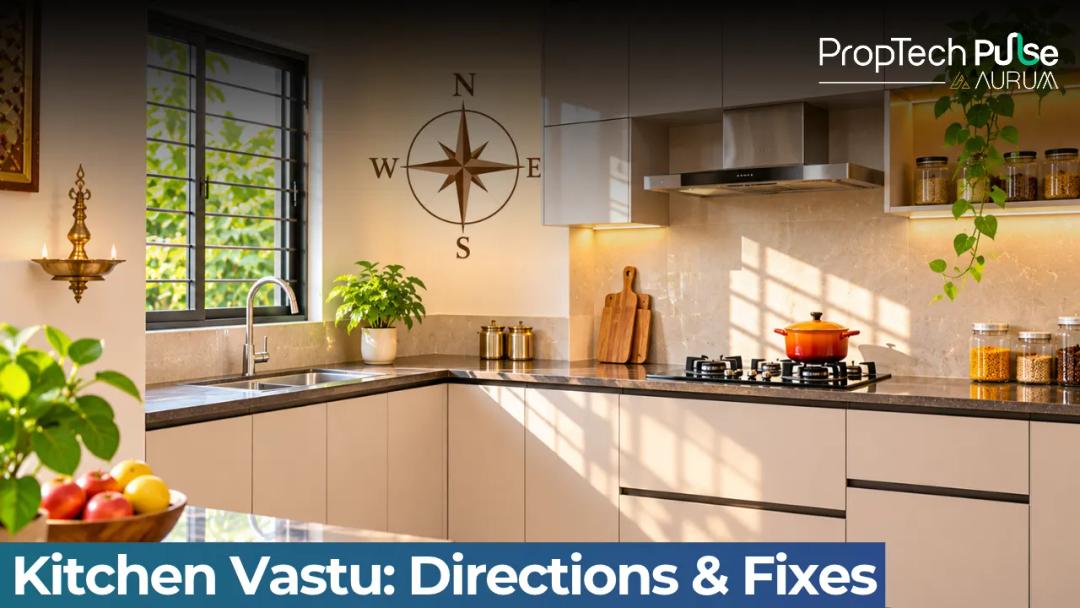
Kitchen Vastu Directions, Layout Rules & NW Kitchen Remedies
A misaligned kitchen breaks fundamental rules of kitchen Vastu while actively disrupting your cooking workflow. You plan a renovation, hand over drawings to an architect, and suddenly someone stops you because the gas stove faces the wrong way or the sink sits under a load-bearing beam. Before you reshuffle plumbing lines or pay penalty charges for design changes, let's separate what the surviving Sanskrit treatises actually prescribe from what modern consultants added later. The rule is simpler than most lists suggest. Classical Vastu assigns the kitchen to the south-east corner of the house. Modern adaptations accept the north-west corner as a functional second choice. When applying kitchen Vastu to compact urban apartments, flexibility wins over rigid adherence. This guide cuts through the dogma. It shows you exactly where the stove, sink, fridge and pantry belong according to text and practice, explains why certain corners create problems beyond just energy flow, and gives step-by-step fixes for flats where the developer already poured the floor. In this guide What the texts actually say about kitchen as per vastu Kitchen direction as per vastu: arranging the stove, sink and appliances Practical remedies when your kitchen is in another corner Final checklist before you start building or renovating Frequently asked questions What the texts actually say about kitchen as per vastu Quick answer Classical Vastu places the kitchen in the south-east corner because that quadrant corresponds to the fire element. A north-west kitchen is widely accepted today as a functional alternative when space forces it. The key is keeping heavy gas appliances away from the centre of the home and ensuring proper ventilation. The primary architectural treatises, such as the Brihat Samhita, Matsya Purana, Vishvakarma Prakasha and Garuda Purana, consistently map the kitchen to the south-east quadrant. In classical Vastu Shastra, each corner carries a natural element. The south-east aligns with Agni (fire), so placing the primary heat source there maintains symbolic balance with the rest of the floor plan. Importantly, these Sanskrit verses describe the placement of the hearth itself rather than dictating where every countertop segment must bend. Many homeowners misinterpret kitchen as per vastu by demanding the entire rectangular room hug that diagonal wall. In compact metropolitan flats, the south-east zone might only measure four feet by six feet at the corner edge. Forcing a full room into that wedge wastes circulation space and creates awkward turn angles around heavy pull-out racks. A pragmatic reading treats the southeast corner as the anchor for the cooking apparatus, leaving peripheral cabinetry free to follow the actual building slab. North-west kitchen vastu: accepted alternative When builders face irregular plot shapes or flat layouts dictate otherwise, the north-west corner emerges as the standard fallback. In directional theory, north-west falls under Vayu (air). Air feeds fire, so a kitchen here is considered acceptable, provided the main burner doesn't touch the extreme corner edge where air currents are strongest. Ventilation fans placed here will naturally draw hot, smoky air outward without recirculating it back into the cooking path. This compromise dates back to contemporary practitioners adapting ancient rules to high-rise construction. You will see it used across major metros where core-and-shell flats rarely allow flexible room allocation. If your builder offers a north-west kitchen, it meets the working standard most architects follow today, provided you respect the sink placement rules outlined next. Corners generally avoided and why The northeast corner holds water energy in the directional matrix. Placing a fire-based function there creates a direct elemental conflict, which translates practically to steam fighting humidity and moisture damage affecting wooden cabinets, particle boards and underlying wiring insulation. The southwest corner governs stability and weight. A busy kitchen with constant foot traffic and appliance vibration disrupts the intended grounded function of that zone, potentially accelerating wear on floor screeds and baseboards over time. Never place the kitchen near the geometric center of the home, known as the Brahmasthan. Heat radiates outward from the centre, creating uncomfortable ambient temperatures in every adjacent living room and bedroom, increasing cooling loads significantly during peak Indian summers. Vastu direction alignment: textual basis versus modern application and safety implications Corner Direction Textual Status Modern Application View Safety & Practicality Note South-East Primary assignment (Agni/Fire) Ideal for gas stove placement Requires dedicated exhaust ducting to manage concentrated heat North-West Secondary option (Vayu/Air) Accepted alternative for dense flats Keeps sinks away from intense heat; ensures better airflow North-East Avoid (Jala/Water) Strongly discouraged Steam mixes with humidity, warping timber joinery rapidly South-West Heavy/Stable element Best for refrigerator anchoring Must remain quiet; vibrations disrupt intended stability Center Brahmasthan (Pure Space) Never used for wet/dry zones Central heat spreads to all rooms, raising AC runtime Kitchen direction as per vastu: arranging the stove, sink and appliances Direction tells you where the room sits on the compass. Precise placement inside the room determines whether your daily routine feels efficient or awkward, especially when you are scaling a family meal. Stove position and facing direction The cook should ideally face east while firing the stove. East aligns with sunrise, and traditional belief suggests it invites positive energy. From a practical angle, morning light makes the workspace brighter, reducing reliance on artificial bulbs and lowering electric bills during daytime prep work. If you are installing a modular unit, lock the three-burner hob into the south-east sector of the countertop, following standard kitchen Vastu practice. Leave at least two feet of clear counter space on the left side (east side) for chopping onions, cleaning vegetables and staging raw ingredients before they hit the pan. Don't sandwich the stove between solid walls that block natural heat dissipation, as trapped heat accelerates paint peeling on adjacent partitions. Consider checking Vastu Shastra real estate principles early if you are buying an under-construction flat, because reversing a built-in slab involves breaking concrete, redoing gas piping and resetting waterproofing membranes. Kitchen decoration ideas for colour and tile selection matter later, once you secure the hardware positions that dictate utility routing and finalise exact fixture locations. Sink, fridge and storage layout The wash basin belongs in the north-west corner. Water counters fire when placed incorrectly, so keeping the sink diagonally opposite the stove prevents steam from splashing onto burner switches and reduces slip hazards near hot oil. Use non-porous granite or quartz tops for the sink area to resist water seepage over years of constant usage. Place the refrigerator in the south-west or south-east sector of the same room. Heavy appliances anchored in the heavier corners stabilize the layout and keep the compressor's motor hum away from your primary standing position. Keep dry food storage racks away from the stove's immediate heat zone to avoid premature spoilage of flour packets, spice jars and edible oils. Cabinetry works best when arranged along two connected walls forming an L-shape or galley layout rather than pushing everything to one side. An L-shape naturally carves out the three zones mentioned above without squeezing the walkway below the minimum twenty-four inches required for comfortable elbow movement and drawer extension. Gas, electrical and ventilation safety Vastu never overrides basic engineering. Any directional tip fails immediately if gas pipelines run parallel to live electrical conduits without proper clearance. Maintain at least six inches of separation between gas pipes and switched sockets, and seal any drill penetrations through walls with fire-retardant mortar. Install a rubber gasket where pipes enter the cabinet to prevent steel pipe abrasion against copper wiring sheaths. A hood fan is non-negotiable in Indian kitchens, regardless of what compass alignment you follow. High humidity, temperate curries and open-flame cooking generate grease and carbon monoxide faster than cross-ventilation alone can handle. Open kitchen partition ideas often fail in cities with limited cross-drafts. Specify a high-CFM extractor that vents directly outside instead of into the false ceiling plenum where grease accumulates and attracts pests. Modern flats also require backup power for fridges and chimneys. Wire these heavy loads on a dedicated sub-circuit so tripping the washing machine or living room lights doesn't kill your ventilation mid-cook or spoil your stored groceries. Consult a licensed electrician to size the cable gauge correctly for continuous high-wattage draw. Practical remedies when your kitchen is in another corner Sometimes the site won't budge. You inherit a resale flat with the kitchen stuck in the north-east, or the original layout designer dumped the wet area under a master bedroom for acoustic reasons. You don't always have to demolish and rebuild to restore balance. Step-by-step fixes for existing layouts You can realign the functional zones within a fixed room without pouring fresh slabs. Follow this sequence to minimize disruption to your daily life. Move the stove first. Shift the primary gas point to the south-east quarter of the room using a certified gas contractor. Relocate burners onto a new island or peninsula if the existing wall cabinetry is permanently fixed. Reroute the sink visually. Moving drain lines is expensive. You can mask the visual clash by relocating the tap assembly diagonally toward the north-west side of the countertop, then seal unused pipe holes with epoxy putty. Anchoring heavy units. Place the refrigerator or microwave in the south-west corner of the room. Tuck the appliance behind a sliding barn door panel if you need to conceal it completely. Check for kitchen sensor for fire prevention compliance. Install smoke and flame detectors wired to a loud audible alarm. Electronic safeguards actively protect against misplacement risks and sudden flare-ups during monsoon humidity. Upgrade the extraction system. Swap standard ceiling-mounted hoods for powerful ducted chimneys with anti-oil brush technology to handle stubborn grease buildup without frequent strip-down cleanings. Colours, lighting and balancing elements If spatial rearrangement hits structural walls, use colour therapy cautiously. Warm shades like terracotta, soft ochre or muted brick red on the south-east facing wall amplify the fire element visually without overwhelming the eye. Avoid painting the entire room bright scarlet, which raises ambient temperature and makes standing over a hot stove physically exhausting during summer. Mirror placement works as a cheap optical fix when you cannot move physical objects. Position a small, polished reflective panel on the north-west wall to symbolically reflect the sink's water element away from the kitchen's core heat zone. Just ensure the mirror doesn't directly face the stove, as that doubles the perceived fire intensity and distorts your reflection while chopping. Lighting should be white or cool daylight (4000K color temperature) for task areas. Warm yellow bulbs look inviting but hide spills, obscuring knife edges and making it harder to spot broken glass. Upgrade to LED panels rated IP44 or higher to resist humidity spikes near the sink and tap handles. Pro Tip Always install a gas shutoff valve right outside the kitchen door. In an emergency leak, you can shut off the supply without stepping into a vapour-filled room. Final checklist before you start building or renovating Kitchens combine plumbing, pressurized gas, high-current electricity and heavy timber joinery. A rushed layout leads to leaky joints, tripped breakers and cabinetry that warps within eighteen months. Run through this sequence before you hand over deposits to installers: Verify that the gas line connects directly from the meter to the stove point with zero intermediate elbows that restrict natural gas flow or cause pressure drops. Confirm the sanitary drain slope falls toward the main soil stack at a consistent one percent grade, checked manually with a spirit level after grouting tile joints. Ensure the distribution board has a residual current device (RCBO) rated at thirty milliamps specifically for the wet area circuits protecting taps and exhaust fans. Lock the modular kitchen warranty terms in a written contract before paying advance installation fees. Explicitly note repair protocols for wood warping, pest ingress through screw holes, and hinge spring failure. Leave twenty-five centimetres of vertical clearance above the final stove height for chimney ducting, measured precisely from the completed floor level after tiling. Secure the heavy equipment anchors and gas connections first. Fix the vanity heights and benchtops second. Do the paint, backsplash tiles and decorative trim work last. Reversing that order guarantees unnecessary cut-outs, messy patching jobs and wasted labour costs. Frequently asked questions Which direction is best for a kitchen as per Vastu? Classical Vastu Shastra texts consistently assign the south-east corner to the kitchen because that quadrant represents the fire element. Placing the primary heat source here aligns the room's function with its directional energy profile. When site constraints prevent a south-east location, the north-west corner serves as the universally accepted modern alternative, provided the main burner avoids extreme corners where airflow disrupts flames. Is north-west kitchen good according to Vastu? Yes, a north-west kitchen falls under the Vayu or air element, which naturally supports combustion without overpowering it. Contemporary architects and Vastu consultants rely on this arrangement heavily in urban high-rises where rigid floor plans limit flexibility. The setup works effectively as long as you maintain adequate ventilation and keep heavy appliances away from the room's central axis. In which direction should the stove be placed in the kitchen? The primary cooking appliance should sit within the south-east quadrant of the room, anchored against a solid wall. Ideally, the person cooking faces east while operating the burners, which allows morning sunlight to illuminate the workspace and reduces shadows while chopping ingredients. Leaving a clear buffer of at least two feet on the eastern side ensures safe ingredient staging away from direct heat. Can we keep the kitchen sink and stove opposite each other? Keeping the sink and stove diagonally opposite each other is safer and more practical than placing them directly across a narrow corridor. That distance prevents splashing water from hitting live burner controls or loose electrical sockets positioned near the cooktop. It also keeps the steam zone away from the cold preparation area, improving overall workflow speed during peak meal hours. How to balance energy in a north-west kitchen? Strengthen the south-east corner of the room by installing the heaviest appliances, like the refrigerator or microwave oven, in that sector. Use warm accent colours such as terracotta or soft yellow on the southeastern wall to visually reinforce the fire element. Ensure overhead lighting uses cool daylight LEDs for task illumination, while avoiding excessive mirrors that reflect and double the heat intensity. What to do if the kitchen is in the north-east corner? Shift the gas stove point toward the south-east boundary of the room using a licensed gas fitter, even if the entire room cannot move. Relocate the sink tap assembly diagonally toward the north-west side of the counter to minimize elemental overlap. Install a high-capacity chimney vented directly outdoors, and apply matte finishes to cabinetry to reduce reflected humidity and heat buildup. Sources Ministry of Culture, Government of India: Traditional architectural principles and regional building heritage (accessed November 2026) https://www.culture.gov.in/ Enjoyed this blog article? Visit PropTech Pulse for more interesting blogs.
PropTech Pulse Editorial
26th November 2026

Uncategorized
Best Home Search Apps India 2026: Verified Buyer Guide
Most Indians no longer start their property hunt at a builder's sales office. They open the best home search apps immediately, scrolling through feeds that promise everything from zero-brokerage deals to fully furnished moves within forty-eight hours. The reality sits somewhere in between, and finding a reliable platform requires separating marketing noise from actual utility. The shift from physical site visits to digital browsing has been permanent. Today's top house listing platforms handle everything from geo-fenced map views and virtual walkthroughs to instant notification alerts when a matching unit hits the market. You can track progress from the first filter tweak all the way to the token payment stage, provided you pick a tool built for serious transactions rather than casual window-shopping. In this guide What to look for in home search apps before downloading Best house buying apps in India for new and resale projects Top rental property apps for flats, villas and PGs Subscription models and hidden costs explained Can house searching apps replace property brokers entirely? How to verify property listings for safety Frequently asked questions What to look for in home search apps before downloading Quick answer A reliable platform should offer precise geo-mapping tools, detailed unit filters including carpet area versus built-up area, and explicit verification badges tied to government databases. Avoid any application that charges upfront fees before showing available listings, and prioritize those with active dispute resolution or customer support channels. The feature set matters far more than UI colour schemes. Map-based search lets you pin exact neighbourhoods along transit routes rather than guessing from broad locality names. Virtual walkthroughs save weekend travel time, while saved searches trigger instant alerts on WhatsApp or SMS the moment a new match drops. These three functions alone cut shortlisting time by half. Listing integrity remains the biggest weakness across the board. Tags reading "Verified" simply confirm a quick photo check, not legal clearance. Always cross-check a project's proper RERA registration before proceeding past a basic enquiry. Reviewing home buying in India 2026 clarifies why digital shortcuts demand physical verification steps. Security first Turn on two-factor authentication wherever possible. Property markets attract fraudsters who clone legitimate listings to collect processing fees. Enable two-factor authentication on every app where you share bank details or pay token amounts. You will also notice a growing number of super apps trying to bundle banking, insurance and logistics alongside property discovery. While convenient for account management, they rarely specialize enough in deep market analytics. Narrow tools consistently beat broad ecosystems at spotting genuine price drops versus artificial markdowns. Researching the role of super apps helps you decide whether consolidation actually serves your specific purchase timeline. Best house buying apps in India for new and resale projects The market splits cleanly into two distinct operating models, each designed for different buyer profiles. Understanding which category fits your situation saves weeks of wasted scrolling and endless calls to unresponsive sellers. Full-service aggregators versus direct owner marketplaces Aggregator platforms pull massive inventories from thousands of registered developers and channel partners. Their strength lies in breadth. If you want to compare five identical 3BHK layouts across three adjacent suburbs to measure appreciation potential, these networks deliver volume. They excel at filtering by upcoming infrastructure, school proximity and commercial hub distance. Direct owner marketplaces operate differently. They strip out middlemen to connect end-users straight with sellers. The advantage here is transparency around asking prices and negotiation room. However, inventory updates lag behind physical market movement because individual owners lack professional photographers or dedicated listing managers. Expect stale photos occasionally, and treat older uploads with skepticism. Comparison of Indian property platform models, November 2026 App Type Core Focus Best For Cost Tier Full-service aggregators New and resale inventory Buyers comparing multiple developers across cities Free to browse Direct owner marketplaces Owner-to-buyer connections Buyers avoiding brokerage commissions ₹999 to ₹4,999 per year Managed rental platforms Furnished leases, standardized contracts Renters wanting quick move-ins ₹1,500 to ₹3,000 per booking Specialized listing tools Hyperlocal plots and commercial spaces Investors tracking micro-markets Free Both categories dominate the top spots for search generative experience queries, meaning algorithmic recommendations increasingly shape initial search paths rather than manual typing. This shift rewards platforms with clean data architecture, making database hygiene the true competitive moat today. Top rental property apps for flats, villas and PGs Rental hunting carries its own friction points. Time-wasting commutes, inflated deposits and sudden ownership claims disrupt careers and school admissions. Modern flat hunting applications tackle these issues by digitising verification and contract management instead of merely displaying static photographs. Managed rentals versus peer-to-peer matches Peer-to-peer applications rely on direct landlord-tenant negotiations. You get wider variety and stronger bargaining power, but you absorb all compliance burdens yourself. Lease drafting, deposit receipts, and maintenance schedules fall entirely on your shoulders unless you hire external help. Managed platforms intermediate the process. They inspect units beforehand, furnish properties, issue standardized agreements and handle routine grievances. You pay a slight premium on monthly rent or a one-time onboarding fee, which translates directly into reduced vacancy gaps and fewer unexpected disputes. Both approaches serve valid segments of the tenant population. The Model Tenancy Act continues reshaping rental norms across states, pushing older informal arrangements toward formalised digital tracking. Reviewing search generative experience updates confirms that tenants now expect searchable compliance certificates embedded directly inside lease applications. Platforms failing to integrate these metrics lose ground fast. Subscription models and hidden costs explained Browsing is rarely where most property discovery tools make money. Monetization happens at the engagement layer, disguised as premium features or lead protection shields. Reading the fine print reveals exactly how much value sits behind each pricing tier. Basic accounts let you save preferences, track price history and message owners without restrictions. Premium tiers surface deeper insights like historical transaction data for the same building, early access to off-plan launches, or priority placement when you request site visits. Some applications even push aggressive notifications encouraging upgrades right before you close a deal. Worked example: Calculating total app subscription versus traditional brokerage Consider purchasing a second-hand apartment valued at ₹80,00,000 in a mid-tier corridor. A traditional local broker commands approximately one percent commission, amounting to ₹80,000 plus applicable taxes. Add fuel costs, cab fares and repeated parking fees spread across six weekends of touring, and the soft expenses easily climb past ₹5,000. Running the same search through a direct marketplace yields similar visibility at a fraction of the cost. Upgrading to a comprehensive annual membership typically runs between ₹2,999 and ₹4,500 depending on city tier. You eliminate the brokerage entirely while retaining full autonomy over viewing schedules and communication. Your effective savings sit comfortably above ₹70,000, minus whatever you spend on a property lawyer for document scrutiny. Hidden fees usually surface during the finalisation stage. Expect separate charges for background verification reports, police clearance assistance or lock-in clause waivers. Calculate these anticipated line items before accepting any auto-renewing package. Most users forget that unlimited messaging eventually slows down when algorithms deprioritise low-paying contacts. Can house searching apps replace property brokers entirely? The short answer depends on transaction complexity. Simple resale flips involving single-title properties work beautifully without intermediaries. Digital real estate discovery tools handle scheduling, price negotiation and even e-signatures efficiently now. Yet complex cases expose clear technological limits. Joint family partitions, inheritance transfers, redevelopment society votes and construction-delay compensation require human mediators who understand local municipal bylaws and informal neighbourhood dynamics. An app cannot walk through a disputed boundary wall, negotiate with reluctant co-shares or decode ambiguous encumbrance entries hidden inside decades-old deeds. Use software for discovery, mapping and preliminary screening. Bring professionals in once you identify viable candidates. Treating technology as a gatekeeper rather than a replacement prevents costly blind spots during due diligence. How to verify property listings for safety Digital convenience means nothing without structural safeguards. Every major platform displays trust badges, yet those symbols carry zero legal weight until validated against official registries. Start by extracting the RERA project code visible on brochures and app descriptions. Enter that identifier directly into your state's regulatory portal. Matching developer names, approved carpet areas and committed possession dates confirm whether the advertisement reflects reality. Misaligned figures usually indicate unauthorized expansions or delayed fund utilization. Cross-reference zoning maps separately. Government land-use designations override private marketing materials completely. A plot marketed as residential often gets reclassified later when municipalities revise development control rules. Monitoring updates via the Ministry of Housing and Urban Affairs keeps you aware of broader policy shifts affecting your investment zone. Never skip the paper trail A digitally verified listing still demands physical document inspection. Hire an independent property lawyer for title examination, encumbrance certificate verification and agreement drafting. Software flags opportunities; specialists protect equity. Enforce strict privacy habits throughout the process. Share Aadhaar numbers, PAN cards or bank statements only after verifying the recipient's identity through official channels. Fake support executives impersonating legitimate company staff remain the most common vector for digital scams targeting first-time seekers. Making your final choice Pick a full-service aggregator if you require breadth, developer accountability data and multi-city comparisons. Choose a direct-owner platform when you prioritise commission-free pricing and comfortable negotiating control. Stick with managed rental services if speed, furniture quality and structured contracts outweigh minor monthly premiums. Frequently asked questions Which app is best to buy a house in India? No single application dominates every situation because success depends entirely on your specific goal. Aggregators provide superior coverage for new developments and resale inventory across multiple corridors. Direct-marketplace tools deliver better margins for independent transactions. Evaluate each platform against verification standards, geographic depth and fee transparency rather than generic star ratings found on public stores. Are home search apps free to use? Basic discovery features generally remain completely free across major platforms. Users enjoy unrestricted browsing, personalised alerts and unlimited messaging without paying upfront charges. Monetization occurs primarily through advanced data subscriptions, background report purchases or priority lead positioning. Always confirm whether upgrade fees apply before sharing sensitive financial information or scheduling physical inspections. Can I trust listings on rental property apps? Trust requires active validation rather than passive acceptance. Platform moderators typically perform initial photo checks, yet those visual approvals carry no legal standing. Verify ownership proof independently, match registered rent agreements against prevailing municipal stamp duty rates and never transfer funds through unsecured links. Manual due diligence bridges the gap between advertised perfection and actual habitability. Do house searching apps allow direct contact with landlords? Most direct-marketplace platforms enable immediate owner-to-buyer communication through integrated chat systems or verified call routing. Aggregator networks frequently route enquiries through affiliated agents initially, though you retain the option to switch channels later. Read individual service terms carefully to determine whether communication pathways stay open indefinitely or restrict access after certain trial periods expire. Sources Ministry of Housing and Urban Affairs: Guidelines on tenancy reforms and digital housing policies (accessed November 2026) Enjoyed this blog article? Visit PropTech Pulse for more interesting blogs.
PropTech Pulse Editorial
26th November 2026
Uncategorized
Bharat Gas New Connection 2026: Price, Docs & Steps
Setting up a bharat gas new connection often trips people up because the upfront costs look vague and the digital forms demand precise data. Buying a flat takes months, but getting utilities ready usually happens in days. The real friction is rarely the sticker price. It is figuring out which fees go to the local distributor, which stay fixed, and how many days an inspector actually waits in queue. We break down the exact bharat gas connection price, list the mandatory paperwork, and walk you through the official web portal. By the end of this read, you will know exactly what to budget and expect before you even upload a single scan. In this guide Understanding the Cost Breakdown Document Checklist Online Application Steps Offline Bharat Gas Registration PMUY vs Regular Connections Troubleshooting Rejections & Delays Before You Apply Frequently asked questions Understanding the Cost Breakdown Quick answer The upfront cost for a regular domestic connection typically ranges between ₹2,000 and ₹2,500. This amount covers the cylinder security deposit, a one-time pressure regulator fee, and administrative charges. Exact prices vary slightly because the cylinder deposit is set by your local district distributor rather than the company headquarters. Most aggregator sites paste a single lump sum figure, but your actual out-of-pocket expense splits cleanly between fixed manufacturer rates and variable distributor margins. The cylinder deposit is refundable when you eventually return the equipment, whereas the regulator fee is non-refundable. Typical upfront costs for a domestic connection in 2026 Fee Component Estimated Amount Cylinder Security Deposit ₹2,000 – ₹2,200 (varies by state/district) Domestic Pressure Regulator ₹150 (fixed OMC rate) Application Processing Charge ₹0 – ₹50 (often waived digitally) Safety Inspection & Handover Kit Included in deposit or ₹100 max Total Estimated Outlay ₹2,250 – ₹2,450 Keep your handover form stamped. When the technician delivers the cylinder, insist on a signed acknowledgment listing the serial numbers. Without this paper trail, recovering your deposit becomes difficult if the cylinder goes missing years later. If you are worried about getting utilities running quickly after taking possession, knowing these figures helps you budget correctly without surprise requests from local dealers asking for extra cash. Bharat Gas New Connection Documents Checklist The KYC requirements are standard across all major oil marketing companies, but applying for a bharat gas new connection requires strict matching between your uploaded scans and the OTP verification. Missing a digit or uploading a crumpled scan delays your appointment faster than anything else. Proof of Identity, Address Proof, and Bank Details Aadhaar Card: Mandatory. Your registered mobile number must be linked for SMS OTPs during application and subsidy credit. PAN Card: Optional for standard domestic use, but recommended if you plan to claim tax deductions later. Passport-sized Photograph: Clear face shot, plain background, JPEG format under 2MB. Proof of Residence: Recent electricity bill, property tax receipt, or registered sale deed. If you are a tenant, attach your registered rent agreement and a copy of the landlord's identity proof. Active Savings Bank Account: Include account number and IFSC code. The Direct Benefit Transfer (DBT) for subsidies routes exclusively here. Joint accounts sometimes cause routing delays. For anyone navigating securing a rental property independently, gathering the landlord's property documents early saves weeks of back-and-forth calls once you decide on a supplier. How to Use the Bharat Gas Online Apply New Connection Portal Digital applications bypass the local agent entirely. Applying online sends your data directly to the authorized distributor in your pin code. This cuts out middlemen, strips extra markups, and stops paperwork from vanishing. Step-by-Step Registration, Document Upload Tips, and OTP Verification Navigate to the official distribution portal and select New Connection. Pick your state, then carefully choose your district distributor. Pick the wrong district and your application queues behind others unnecessarily. Select Regular Domestic. Enter your full name exactly as it appears on your Aadhaar. Mismatched spelling triggers automatic validation failures. Input your mobile number. An OTP arrives within thirty seconds. Verify it promptly; sessions timeout after four minutes. Fill in bank details. Double-check the IFSC code against your bank's official directory. Upload documents. Resize images to 1000×1200 pixels minimum, save as PNG or JPEG. PDFs work for signatures. Files over 2MB bounce back. Submit. You will receive an application reference number on SMS. Track status daily. Once approved, a field inspector schedules a safety walkthrough. After the sign-off, the first cylinder arrives in roughly 48 hours. Most applicants finish this process between getting utilities running quickly after shifting into a new building. Offline Application Process for Bharat Gas Registration Physical branches remain a solid backup. If you lack a scanner, struggle with app navigation, or simply trust face-to-face verification more, local dealers handle everything. Head to the nearest dealer office listed in the public locator. Grab Form A, fill it by hand, and bring originals for verification. Pay via UPI or card, then submit three photos at the counter. Your dealer inputs your data into their backend terminal and hands you a printed acknowledgment with a tracker code. Expect the same 4 to 7 day turnaround once verified. Offline processing works best in tier-two towns where internet connectivity can be unstable, though metro distributors push digital adoption hard to reduce manual errors. Pradhan Mantri Ujjwala Yojana (PMUY) vs Regular Connections PMUY offers a completely free starter kit: cylinder, stove, hose pipe, and regulator. It targets economically vulnerable households rather than general buyers. Understanding the difference prevents wasted effort on ineligible applications. Eligibility Reality Check: PMUY relies heavily on the Socio-Economic Caste Census (SECC) 2011 database. While rural coverage remains strong, the dataset is notoriously outdated for urban centers, gated communities, and rapidly shifting migrant populations. If your family does not appear on the official beneficiary list, PMUY screening rejects you instantly. You cannot appeal a missing SECC entry mid-application. Subsidy Mechanics for Regular Users: Non-PMUY consumers currently qualify for a ₹200 subsidy per cylinder under the DBT framework, capped annually based on household income thresholds. Higher earners lose access to the monthly offset entirely. PMUY recipients also receive subsidized refills until they transition to market-priced cylinders once their financial profile improves. If you are exploring broader support networks, familiarize yourself with applying for central government subsidy schemes alongside your gas application to manage multiple approvals at once. Troubleshooting Rejections & Delays Not every application clears on the first pass. Field inspectors reject connections frequently when basic safety norms aren't met, and portals freeze progress if KYC details don't align perfectly. Tracking your bharat gas new connection status daily prevents you from missing the inspector's scheduled visit. KYC Spelling Mismatches: Even a single letter difference between your Aadhaar and bank records halts DBT credits. Visit your bank branch immediately to correct the spelling. Do not try to force a workaround on the portal. Inspector Site Rejection: Safety checks fail if the gas point is inside a closed kitchen cupboard, lacks proper ventilation, or sits too close to electrical switchboards. Ensure the appliance sits above the counter level with at least one cross-ventilation window open. Distributor Bottlenecks: During peak summer months, cylinder logistics slow down. Your first delivery might take longer than the quoted timeline. Call your assigned distributor directly using the phone number on your acknowledgment slip rather than waiting for automated emails. Before You Apply Choose the digital route for speed and transparent tracking. Reserve offline processing only if you lack consistent internet or prefer handing physical papers directly to a licensed dealer. Always verify your district distributor's address beforehand, because incorrect routing delays dispatch by days. Once connected, monitor your bank statements monthly to catch any missed subsidy credits before the quarter ends. Frequently asked questions How much does a new Bharat Gas connection cost in 2026? You should budget approximately ₹2,250 to ₹2,450 for standard installation. This bundle covers a non-refundable regulator fee around ₹150 and a refundable cylinder deposit ranging from ₹2,000 to ₹2,200. The deposit amount floats according to your district distributor, meaning metro cities often charge slightly higher handling fees than tier-two towns. Admin charges remain minimal or zero when applied digitally. What are the documents required for Bharat Gas new connection? You need a valid Aadhaar card with a linked mobile number, a clear passport photo, proof of residence like an electricity bill or rent agreement, and active savings account details with the correct IFSC code. Tenants must provide the landlord's identity proof alongside their lease. Keep all scans under 2MB, save them as PNG or JPEG files, and ensure spelling exactly matches your government ID to avoid validation rejections. Can I apply for Bharat Gas online? Yes, the official web portal accepts full applications without visiting a shop. You select your state and district distributor, upload KYC scans, enter banking information, and receive an OTP for instant verification. The digital flow routes directly to the authorized agent handling your pin code, cutting paperwork delays and giving you a live tracking dashboard for inspector scheduling. How long does it take to get a new LPG connection? Expect roughly five to seven working days from submission to first delivery. Day one handles KYC validation and system approval. Days two through five schedule the field inspector who checks ventilation, pipe routing, and leak safety standards. Once they approve the site physically, the logistics team dispatches the initial cylinder and stove kit within forty-eight hours. Is Bharat Gas available for apartments and rented flats? Absolutely. Both freehold apartments and leased accommodations qualify for standard connections. Tenants must attach a copy of the registered rental agreement and the property owner's Aadhaar or utility bill since the gas account usually needs an address tied to legal occupancy. Many buildings also require written consent from the resident welfare association before safety inspectors permit the hookup. Sources Pradhan Mantri Ujjwala Yojana Portal: Eligibility matrices, subsidy capping rules, and alternative inclusion criteria for vulnerable households (accessed November 2026) Enjoyed this blog article? Visit PropTech Pulse for more interesting blogs.
PropTech Pulse Editorial
26th November 2026
Uncategorized
Kitchen Vastu Directions, Layout Rules & NW Kitchen Remedies
A misaligned kitchen breaks fundamental rules of kitchen Vastu while actively disrupting your cooking workflow. You plan a renovation, hand over drawings to an architect, and suddenly someone stops you because the gas stove faces the wrong way or the sink sits under a load-bearing beam. Before you reshuffle plumbing lines or pay penalty charges for design changes, let's separate what the surviving Sanskrit treatises actually prescribe from what modern consultants added later. The rule is simpler than most lists suggest. Classical Vastu assigns the kitchen to the south-east corner of the house. Modern adaptations accept the north-west corner as a functional second choice. When applying kitchen Vastu to compact urban apartments, flexibility wins over rigid adherence. This guide cuts through the dogma. It shows you exactly where the stove, sink, fridge and pantry belong according to text and practice, explains why certain corners create problems beyond just energy flow, and gives step-by-step fixes for flats where the developer already poured the floor. In this guide What the texts actually say about kitchen as per vastu Kitchen direction as per vastu: arranging the stove, sink and appliances Practical remedies when your kitchen is in another corner Final checklist before you start building or renovating Frequently asked questions What the texts actually say about kitchen as per vastu Quick answer Classical Vastu places the kitchen in the south-east corner because that quadrant corresponds to the fire element. A north-west kitchen is widely accepted today as a functional alternative when space forces it. The key is keeping heavy gas appliances away from the centre of the home and ensuring proper ventilation. The primary architectural treatises, such as the Brihat Samhita, Matsya Purana, Vishvakarma Prakasha and Garuda Purana, consistently map the kitchen to the south-east quadrant. In classical Vastu Shastra, each corner carries a natural element. The south-east aligns with Agni (fire), so placing the primary heat source there maintains symbolic balance with the rest of the floor plan. Importantly, these Sanskrit verses describe the placement of the hearth itself rather than dictating where every countertop segment must bend. Many homeowners misinterpret kitchen as per vastu by demanding the entire rectangular room hug that diagonal wall. In compact metropolitan flats, the south-east zone might only measure four feet by six feet at the corner edge. Forcing a full room into that wedge wastes circulation space and creates awkward turn angles around heavy pull-out racks. A pragmatic reading treats the southeast corner as the anchor for the cooking apparatus, leaving peripheral cabinetry free to follow the actual building slab. North-west kitchen vastu: accepted alternative When builders face irregular plot shapes or flat layouts dictate otherwise, the north-west corner emerges as the standard fallback. In directional theory, north-west falls under Vayu (air). Air feeds fire, so a kitchen here is considered acceptable, provided the main burner doesn't touch the extreme corner edge where air currents are strongest. Ventilation fans placed here will naturally draw hot, smoky air outward without recirculating it back into the cooking path. This compromise dates back to contemporary practitioners adapting ancient rules to high-rise construction. You will see it used across major metros where core-and-shell flats rarely allow flexible room allocation. If your builder offers a north-west kitchen, it meets the working standard most architects follow today, provided you respect the sink placement rules outlined next. Corners generally avoided and why The northeast corner holds water energy in the directional matrix. Placing a fire-based function there creates a direct elemental conflict, which translates practically to steam fighting humidity and moisture damage affecting wooden cabinets, particle boards and underlying wiring insulation. The southwest corner governs stability and weight. A busy kitchen with constant foot traffic and appliance vibration disrupts the intended grounded function of that zone, potentially accelerating wear on floor screeds and baseboards over time. Never place the kitchen near the geometric center of the home, known as the Brahmasthan. Heat radiates outward from the centre, creating uncomfortable ambient temperatures in every adjacent living room and bedroom, increasing cooling loads significantly during peak Indian summers. Vastu direction alignment: textual basis versus modern application and safety implications Corner Direction Textual Status Modern Application View Safety & Practicality Note South-East Primary assignment (Agni/Fire) Ideal for gas stove placement Requires dedicated exhaust ducting to manage concentrated heat North-West Secondary option (Vayu/Air) Accepted alternative for dense flats Keeps sinks away from intense heat; ensures better airflow North-East Avoid (Jala/Water) Strongly discouraged Steam mixes with humidity, warping timber joinery rapidly South-West Heavy/Stable element Best for refrigerator anchoring Must remain quiet; vibrations disrupt intended stability Center Brahmasthan (Pure Space) Never used for wet/dry zones Central heat spreads to all rooms, raising AC runtime Kitchen direction as per vastu: arranging the stove, sink and appliances Direction tells you where the room sits on the compass. Precise placement inside the room determines whether your daily routine feels efficient or awkward, especially when you are scaling a family meal. Stove position and facing direction The cook should ideally face east while firing the stove. East aligns with sunrise, and traditional belief suggests it invites positive energy. From a practical angle, morning light makes the workspace brighter, reducing reliance on artificial bulbs and lowering electric bills during daytime prep work. If you are installing a modular unit, lock the three-burner hob into the south-east sector of the countertop, following standard kitchen Vastu practice. Leave at least two feet of clear counter space on the left side (east side) for chopping onions, cleaning vegetables and staging raw ingredients before they hit the pan. Don't sandwich the stove between solid walls that block natural heat dissipation, as trapped heat accelerates paint peeling on adjacent partitions. Consider checking Vastu Shastra real estate principles early if you are buying an under-construction flat, because reversing a built-in slab involves breaking concrete, redoing gas piping and resetting waterproofing membranes. Kitchen decoration ideas for colour and tile selection matter later, once you secure the hardware positions that dictate utility routing and finalise exact fixture locations. Sink, fridge and storage layout The wash basin belongs in the north-west corner. Water counters fire when placed incorrectly, so keeping the sink diagonally opposite the stove prevents steam from splashing onto burner switches and reduces slip hazards near hot oil. Use non-porous granite or quartz tops for the sink area to resist water seepage over years of constant usage. Place the refrigerator in the south-west or south-east sector of the same room. Heavy appliances anchored in the heavier corners stabilize the layout and keep the compressor's motor hum away from your primary standing position. Keep dry food storage racks away from the stove's immediate heat zone to avoid premature spoilage of flour packets, spice jars and edible oils. Cabinetry works best when arranged along two connected walls forming an L-shape or galley layout rather than pushing everything to one side. An L-shape naturally carves out the three zones mentioned above without squeezing the walkway below the minimum twenty-four inches required for comfortable elbow movement and drawer extension. Gas, electrical and ventilation safety Vastu never overrides basic engineering. Any directional tip fails immediately if gas pipelines run parallel to live electrical conduits without proper clearance. Maintain at least six inches of separation between gas pipes and switched sockets, and seal any drill penetrations through walls with fire-retardant mortar. Install a rubber gasket where pipes enter the cabinet to prevent steel pipe abrasion against copper wiring sheaths. A hood fan is non-negotiable in Indian kitchens, regardless of what compass alignment you follow. High humidity, temperate curries and open-flame cooking generate grease and carbon monoxide faster than cross-ventilation alone can handle. Open kitchen partition ideas often fail in cities with limited cross-drafts. Specify a high-CFM extractor that vents directly outside instead of into the false ceiling plenum where grease accumulates and attracts pests. Modern flats also require backup power for fridges and chimneys. Wire these heavy loads on a dedicated sub-circuit so tripping the washing machine or living room lights doesn't kill your ventilation mid-cook or spoil your stored groceries. Consult a licensed electrician to size the cable gauge correctly for continuous high-wattage draw. Practical remedies when your kitchen is in another corner Sometimes the site won't budge. You inherit a resale flat with the kitchen stuck in the north-east, or the original layout designer dumped the wet area under a master bedroom for acoustic reasons. You don't always have to demolish and rebuild to restore balance. Step-by-step fixes for existing layouts You can realign the functional zones within a fixed room without pouring fresh slabs. Follow this sequence to minimize disruption to your daily life. Move the stove first. Shift the primary gas point to the south-east quarter of the room using a certified gas contractor. Relocate burners onto a new island or peninsula if the existing wall cabinetry is permanently fixed. Reroute the sink visually. Moving drain lines is expensive. You can mask the visual clash by relocating the tap assembly diagonally toward the north-west side of the countertop, then seal unused pipe holes with epoxy putty. Anchoring heavy units. Place the refrigerator or microwave in the south-west corner of the room. Tuck the appliance behind a sliding barn door panel if you need to conceal it completely. Check for kitchen sensor for fire prevention compliance. Install smoke and flame detectors wired to a loud audible alarm. Electronic safeguards actively protect against misplacement risks and sudden flare-ups during monsoon humidity. Upgrade the extraction system. Swap standard ceiling-mounted hoods for powerful ducted chimneys with anti-oil brush technology to handle stubborn grease buildup without frequent strip-down cleanings. Colours, lighting and balancing elements If spatial rearrangement hits structural walls, use colour therapy cautiously. Warm shades like terracotta, soft ochre or muted brick red on the south-east facing wall amplify the fire element visually without overwhelming the eye. Avoid painting the entire room bright scarlet, which raises ambient temperature and makes standing over a hot stove physically exhausting during summer. Mirror placement works as a cheap optical fix when you cannot move physical objects. Position a small, polished reflective panel on the north-west wall to symbolically reflect the sink's water element away from the kitchen's core heat zone. Just ensure the mirror doesn't directly face the stove, as that doubles the perceived fire intensity and distorts your reflection while chopping. Lighting should be white or cool daylight (4000K color temperature) for task areas. Warm yellow bulbs look inviting but hide spills, obscuring knife edges and making it harder to spot broken glass. Upgrade to LED panels rated IP44 or higher to resist humidity spikes near the sink and tap handles. Pro Tip Always install a gas shutoff valve right outside the kitchen door. In an emergency leak, you can shut off the supply without stepping into a vapour-filled room. Final checklist before you start building or renovating Kitchens combine plumbing, pressurized gas, high-current electricity and heavy timber joinery. A rushed layout leads to leaky joints, tripped breakers and cabinetry that warps within eighteen months. Run through this sequence before you hand over deposits to installers: Verify that the gas line connects directly from the meter to the stove point with zero intermediate elbows that restrict natural gas flow or cause pressure drops. Confirm the sanitary drain slope falls toward the main soil stack at a consistent one percent grade, checked manually with a spirit level after grouting tile joints. Ensure the distribution board has a residual current device (RCBO) rated at thirty milliamps specifically for the wet area circuits protecting taps and exhaust fans. Lock the modular kitchen warranty terms in a written contract before paying advance installation fees. Explicitly note repair protocols for wood warping, pest ingress through screw holes, and hinge spring failure. Leave twenty-five centimetres of vertical clearance above the final stove height for chimney ducting, measured precisely from the completed floor level after tiling. Secure the heavy equipment anchors and gas connections first. Fix the vanity heights and benchtops second. Do the paint, backsplash tiles and decorative trim work last. Reversing that order guarantees unnecessary cut-outs, messy patching jobs and wasted labour costs. Frequently asked questions Which direction is best for a kitchen as per Vastu? Classical Vastu Shastra texts consistently assign the south-east corner to the kitchen because that quadrant represents the fire element. Placing the primary heat source here aligns the room's function with its directional energy profile. When site constraints prevent a south-east location, the north-west corner serves as the universally accepted modern alternative, provided the main burner avoids extreme corners where airflow disrupts flames. Is north-west kitchen good according to Vastu? Yes, a north-west kitchen falls under the Vayu or air element, which naturally supports combustion without overpowering it. Contemporary architects and Vastu consultants rely on this arrangement heavily in urban high-rises where rigid floor plans limit flexibility. The setup works effectively as long as you maintain adequate ventilation and keep heavy appliances away from the room's central axis. In which direction should the stove be placed in the kitchen? The primary cooking appliance should sit within the south-east quadrant of the room, anchored against a solid wall. Ideally, the person cooking faces east while operating the burners, which allows morning sunlight to illuminate the workspace and reduces shadows while chopping ingredients. Leaving a clear buffer of at least two feet on the eastern side ensures safe ingredient staging away from direct heat. Can we keep the kitchen sink and stove opposite each other? Keeping the sink and stove diagonally opposite each other is safer and more practical than placing them directly across a narrow corridor. That distance prevents splashing water from hitting live burner controls or loose electrical sockets positioned near the cooktop. It also keeps the steam zone away from the cold preparation area, improving overall workflow speed during peak meal hours. How to balance energy in a north-west kitchen? Strengthen the south-east corner of the room by installing the heaviest appliances, like the refrigerator or microwave oven, in that sector. Use warm accent colours such as terracotta or soft yellow on the southeastern wall to visually reinforce the fire element. Ensure overhead lighting uses cool daylight LEDs for task illumination, while avoiding excessive mirrors that reflect and double the heat intensity. What to do if the kitchen is in the north-east corner? Shift the gas stove point toward the south-east boundary of the room using a licensed gas fitter, even if the entire room cannot move. Relocate the sink tap assembly diagonally toward the north-west side of the counter to minimize elemental overlap. Install a high-capacity chimney vented directly outdoors, and apply matte finishes to cabinetry to reduce reflected humidity and heat buildup. Sources Ministry of Culture, Government of India: Traditional architectural principles and regional building heritage (accessed November 2026) https://www.culture.gov.in/ Enjoyed this blog article? Visit PropTech Pulse for more interesting blogs.
PropTech Pulse Editorial
26th November 2026

Ask Pulse Ai anything about real estate

Unlock the Latest in Real Estate
News, Infographics, Blogs & More! Delivered to your inbox.

