

©PropTech Pulse 2025, All rights reserved.

What do landlords and tenants need to know about Aging Report in Property Management?
An Aging Report in property management is a financial document that tracks outstanding rent payments, security deposits, and other receivables, categorizing them by how long they've been outstanding (current, 30-60 days late, 60-90 days late, etc.). For landlords and tenants, understanding aging reports is essential for rent collection, financial planning, and identifying delinquency issues requiring action.
Aging Report Structure and Categories
Standard Aging Periods:
- Current (0-30 days) - Rent or payments due recently
- 30-60 days - Beginning delinquency phase
- 60-90 days - Significant overdue status
- 90+ days - Severe delinquency requiring action
Information Typically Included:
- Tenant name and unit identification
- Original charge or rent amount
- Date payment was due
- Current outstanding balance
- Days outstanding calculation
- Percentage of total aging by category
Aging Report Variations:
- Rent-specific aging by individual tenant
- Portfolio-wide aging across all properties
- Comparative reports showing month-to-month changes
- Aging analysis including costs and collections expense
Management Applications and Tenant Implications
Landlord Uses:
- Identifies delinquent tenants requiring follow-up
- Prioritizes collection efforts on aged accounts
- Forecasts cash flow and reserves impact
- Measures collection efficiency and performance
- Supports late payment and eviction decisions
Tenant Considerations:
- Provides payment history transparency
- Identifies errors or misapplied payments
- Disputes improper charges or calculations
- Documents timely payment compliance
- Supports favorable references and renewals
Aging reports track outstanding rent and receivables by delinquency period, providing landlords and property managers with collection priorities and cash flow visibility. Regular aging analysis enables proactive management of delinquencies and maintains healthy property cash flow and tenant relationships.


Insight Pulse
Uncategorized
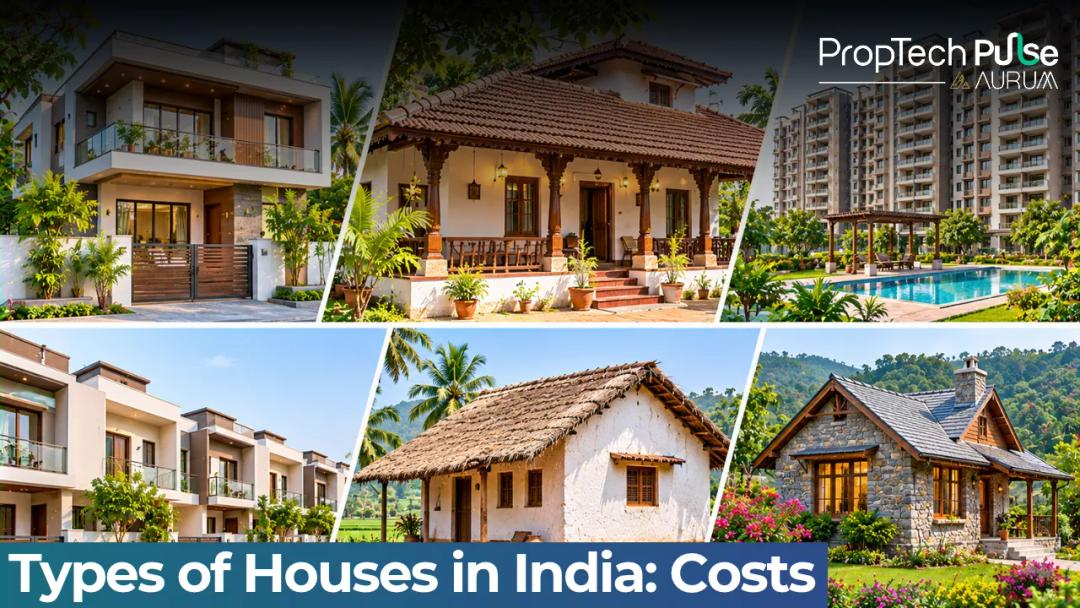
Different Types of Houses in India: Styles & Costs
Buying a home involves more than square footage; you must pick a structure that suits your lifestyle and avoids draining savings on endless repairs. The different types of houses in India range from traditional courtyard homes to high-rise apartments. Each style reflects regional architecture, climate, and urban demand. Before committing, review lifecycle costs, maintenance burdens, and legal restrictions. In this guide Quick Answer: Top Different Types of Houses in India Traditional and Vernacular Types of Houses Colonial and Historic Styles Modern Residential Forms in Indian Cities Comparison Table: Construction Cost, Maintenance, and Climate Fit How to Choose the Right House Type Decision Rule: Match Your Lifestyle, Beyond the Floor Plan Frequently asked questions Quick Answer: Top Different Types of Houses in India Quick answer The main different types of houses in India include traditional vernacular homes (courtyard-style and mud/bamboo structures), historic colonial buildings (British bungalows and heritage properties), and modern urban forms (apartments, independent floors, and villas in gated communities). Your choice depends on whether you prioritize heritage aesthetics and long-term capital appreciation, like a heritage house in Mysore, or low maintenance and security for city living. Traditional and Vernacular Types of Houses India's earliest housing designs were practical responses to harsh weather and locally available materials. Architects developed shapes that passively cooled interiors long before electricity reached rural districts. Understanding the basics of kutcha vs pucca house meaning helps explain why certain earth-toned homes survive severe summers while others crumble within a decade. Mud, Bamboo, and Thatched Dwellings These structures dominate dry regions and tribal belts across Madhya Pradesh, Rajasthan, and parts of Northeast India. Builders use rammed earth, cob, and bamboo poles to create lightweight shells. These materials resist seismic activity while requiring minimal construction energy. Monsoon moisture destroys exposed earthen walls faster than concrete without regular lime washing and drainage management. Courtyard Homes: Wadas, Nalukettus, and Havelis Central open courtyards act as thermal lungs for surrounding rooms. Kerala's nalukettu uses sloping tiled roofs for rainwater harvesting, while Maharashtra's wada relies on thick stone walls. The North Indian haveli prioritizes enclosed family privacy behind ornate street-facing screens. These layouts maximize cross-ventilation, though their massive plot requirements no longer fit city limits. Colonial and Historic Styles Pre-independence architecture left a distinct mark on coastal towns and former administrative capitals. These buildings mix European planning with local craft techniques to handle tropical conditions. Many have been converted into five-star hotels or corporate offices. Scattered private examples still trade hands occasionally. Defining a British House A classic British house in India distinguishes itself through high-pitched corrugated iron roofs that shed torrential rain efficiently. Tall wooden casement windows invite evening breezes while elevated stone plinths keep ground damp away from living spaces. Interiors typically divide social life into separate drawing and dining rooms. Maintaining these features costs heavily over time and demands specialized tradesmen. House in Mysore Mysore's real estate portfolio holds a concentrated cluster of British-era bungalows alongside densely packed Old City homes. When people search for a house in Mysore, they usually encounter towering compound walls, polished teak flooring, and grand central staircases. These designs accommodate the region's naturally cooler hill-station climate. Renovation remains the biggest friction point due to strict archival restoration requirements. Regulatory Risks for Heritage Homes Do not assume free rein over a century-old structure. Municipalities in cities like Bengaluru and Mysuru maintain designated conservation zones. Changing the external facade, enlarging windows, or adding extra floors triggers mandatory Heritage Conservation Committee reviews. Ignoring these protocols results in stop-work notices and forced demolition orders. Modern Residential Forms in Indian Cities Vertical living has completely reshaped the Indian skyline, driven by soaring land prices and evolving family dynamics. Mid-segment buyers overwhelmingly prefer structured layouts with predictable monthly expenses over speculative ground-level builds. Apartments and Independent Floors High-rise apartment complexes offer standardized construction quality backed by RERA mandates and centralized security. Independent floors grant single-level living without full duplex overhead. Clarify spatial metrics by studying the duplex meaning in India, flat vs house, and area differences. Watch how builders calculate super built-up area versus usable carpet space. Gated Communities and Villas Low-density townships appeal to families prioritizing road width, underground utility lines, and dedicated children's play zones. Individual villa plots deliver total autonomy over landscaping, fence height, and exterior finishes. Buyers should review our detailed villa vs apartment comparison guide because lower liquidity slows exits during market dips. Township maintenance fees also scale up quickly as facilities age. Real Cost of Ownership: A budget of ₹80 lakh for a flat might look straightforward on paper, but adding stamp duty and registration pushes the upfront cash requirement significantly higher. In Karnataka, stamp duty sits near 5%, while Maharashtra charges between 5% and 7% depending on the district and beneficiary status. Factor this additional 5% to 7% levy into your financing plan before booking. Comparison Table: Construction Cost, Maintenance, and Climate Fit Average cost and upkeep breakdown for common house types in India House Type Approx Construction Cost (INR/sq ft) Maintenance Burden Ideal Climate Key Risk Vernacular (Mud/Bamboo) ₹1,200 – ₹1,800 High Dry / Hot (requires seasonal waterproofing) Termite damage, water seepage Courtyard Homes (Wada/Haveli/Nalukettu) ₹2,500 – ₹3,500 (restoration) High Hot / Semi-arid Structural dampness, high labor costs British Bungalow / Colonial Style ₹3,000 – ₹4,500+ High All climates (thick walls insulate well) Heritage regulation limits, pest decay Apartments / Flats ₹2,000 – ₹3,500 Medium All climates (centralized AC/fans avail) Society disputes, parking shortages Gated Community Villa ₹2,500 – ₹4,000 Medium All climates Lower liquidity compared to flats Total Estimated Build Cost (Average 1,500 sq ft) ₹30 Lakh to ₹67.5 Lakh depending on typology How to Choose the Right House Type Start by mapping your non-negotiables onto each category. Family size dictates whether you need ground-floor accessibility versus vertical stairs. Your daily commute radius often restricts you to high-density zones where apartments dominate. Villas remain confined to expanding peripheral suburbs. Decision Rule: Match Your Lifestyle, Beyond the Floor Plan Your house type should fit how you actually live, not merely how you picture yourself living. Families with young children benefit from the safety and play areas of a gated community. Salaried professionals juggling tight office hours should prioritize low-maintenance apartments over sprawling bungalows. Verify your borrowing power using a reliable eligibility calculator before locking in a choice. Frequently asked questions What are the different types of houses in India? There are four broad categories of residential property in India: traditional vernacular homes built for local climates using mud, timber, or laterite; historic colonial structures characterized by high ceilings and verandas; modern urban apartments with shared amenities; and standalone villas or independent floors found in gated townships. Each category serves a distinct buyer segment based on budget, family size, and maintenance preference. Which type of house is best for a hot climate? Courtyard-style homes and thick-walled colonial bungalows perform exceptionally well in intense heat. The central open spaces in traditional layouts create cross-ventilation that pulls hot air upward, while massive stone or lime plaster walls absorb solar radiation during the day and release it slowly at night. Modern insulated concrete slabs with rooftop gardens also work effectively, though they require active cooling systems. What is a house in Mysore called? Most older residential buildings in Mysore are referred to as heritage bungalows, Old City homes, or colonial villas depending on their era and architectural style. These properties typically feature expansive compound walls, teak wood accents, and grand staircases designed to accommodate the city's cooler hill station temperatures. They represent a unique inventory where historical preservation mixes naturally with modern township development. How much does a British bungalow cost in India? Pricing varies drastically based on location and preservation status. A standard new-build colonial replica in a township will cost between ₹3,000 and ₹4,500 per square foot. Genuine heritage listings, particularly those in established neighborhoods of Bangalore, Mysuru, or Chennai, carry premium valuations that often exceed ₹10,000 per square foot due to land scarcity and architectural rarity. Financing these assets usually requires specialized loan products. Difference between independent house and apartment. An independent house gives you complete autonomy over the structure, boundary walls, and alterations, which appeals to buyers wanting maximum privacy and customization. An apartment places you within a multi-owner society where maintenance responsibilities, rule enforcement, and aesthetic choices are shared. While independent homes offer greater freedom, they demand higher daily management and generally incur larger municipal tax bills compared to flat owners. Are old colonial houses safe to buy? Historically sound structures built with lime mortar and thick masonry are generally safe, but you must commission a thorough structural audit before purchase. Builders who reused salvaged bricks sometimes cut corners on load-bearing capacity. Also, legacy wiring and plumbing inside these walls often fail inspection, meaning you will face significant hidden renovation costs immediately after possession. Check local heritage committee rules to avoid legal penalties for unauthorized remodeling. Enjoyed this blog article? Visit PropTech Pulse for more interesting blogs.

PropTech Pulse Editorial
27th November 2026
Uncategorized
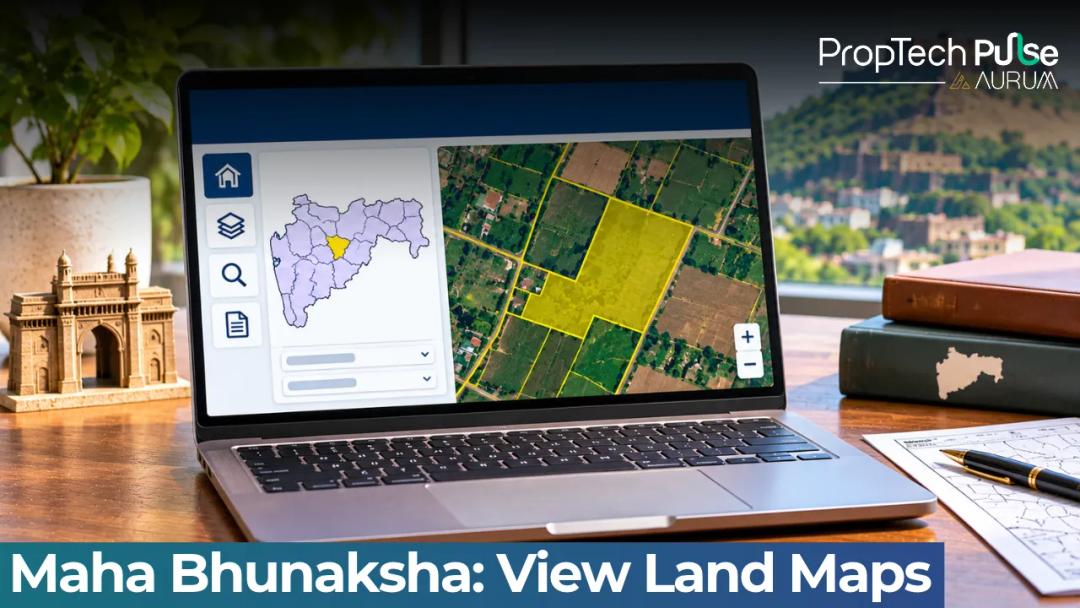
Maha Bhunaksha Maharashtra: How to View Land Map & Reports
You bought a plot outside Mumbai and need to check its exact boundaries before paying a token amount. The government’s primary tool for this is the Maharashtra land map portal. Most people call it Maha Bhunaksha. It gives you the actual shape and dimensions of your land. Reading the map requires knowing which fields matter. A simple boundary overlap can trigger years of litigation. This guide covers the login steps and shows how to toggle between village names and survey numbers. You will learn exactly where to find the property card and plot report. We also clarify where Maha Bhunakasha ends and the standard 7/12 Utara in Maharashtra begins. In this guide What is Maha Bhunakasha? MahaBhunakasha vs Mahabhulekh: Which Do You Need? How to Search Land Records on Mahabhunakasha Understanding Your Results: Property Cards and Plot Reports Troubleshooting: Why Is My Plot Not Showing? Next Steps Before You Pay Frequently asked questions What is Maha Bhunakasha? Quick answer The Maharashtra land map portal is an official government website run by the Department of Land Resources. It provides geo-referenced cadastral maps for all 36 districts in Maharashtra. You can view plot boundaries, extract owner details via the property card, and download a full plot report for ₹10 per document. It complements textual records like the 7/12 Utara by showing you where the land actually sits on the ground. Built by the National Informatics Centre (NIC) and backed by central ministry data, the platform digitizes survey records collected from every tehsil across the state. Developers checking sites in Bhunaksha Pune or reviewing agricultural land in Vidarbha use it to visualize parcel shapes before hiring a surveyor. Land disputes usually start with mismatched sketches. A broker's hand-drawn plan rarely matches the actual coordinates logged with the revenue department. Maha Bhunaksha locks these down. It ties exact X and Y points to every survey number. Pulling the map before you negotiate takes twenty minutes. It stops you from trusting outdated brochures. MahaBhunakasha vs Mahabhulekh: Which Do You Need? Mahabhulekh vs MahaBhunakasha: key differences for buyers Feature Mahabhulekh (Textual) MahaBhunakasha (Spatial) Data Type Paperwork, forms, lists Cadastral maps, satellite overlays Primary Focus Who owns the land right now Where the land physically lies Core Record 7/12 Utara, Sale Deeds Survey Number, Plot Shape, Dimensions Updates Trigger Tax payment, inheritance, sale Road alignment changes, land reclamation Best Used For Verifying current title holder Checking boundaries and adjacency Mahabhulekh handles the paperwork. It tracks mutations, tenancy rights, and sale transactions. MahaBhunakasha handles the geometry. You need both for solid due diligence. Take any survey number from a 7/12 Utara in Maharashtra. Cross-reference it on the map immediately. Confirm the boundaries match before trusting the paperwork. Buyers often confuse the portals. Ownership changes never happen on Maha Bhunakasha. It simply reflects field updates from the revenue officer. Treat the map as visual proof, not a title deed. Pair it with a recent encumbrance certificate in India search. Check the sub-registrar office to rule out hidden mortgages. How to Search Land Records on Mahabhunakasha Head to mahabhunakasha.mahabhumi.gov.in. The homepage opens with a straightforward menu. Pick the option that matches your current records. Searching by Location Select District, Taluka, then Village. Use this route if you inherited unmarked fields or are scanning raw rural plots. Browse the village list until you see your gram panchayat. Clicking an entry reveals the surrounding grid. Hunt for your plot number inside that layout. Searching by Plot Number directly Type the survey number straight into the search bar if you have it from a brochure or a neighbor's 7/12. The tool isolates that exact parcel. Enter only the numbers. Letters often break the search. Add a taluka code if the village splits across zones, so you do not load useless maps. Understanding Your Results: Property Cards and Plot Reports Once the system resolves your search, the dashboard splits into three distinct views. Buyers checking Maha Bhunaksha often stare only at the map view, missing crucial data behind it. 1. Geo-referenced Map View Zoom in until your plot polygon fills the screen. Watch the bordering symbols closely. The system auto-tags nearby land types. Green patches show active agriculture. Blue shapes mean lakes or irrigation tanks. Red overlays flag government reserves or drainage lines. Those red zones often cap construction heights downstream. 2. Property Card Switch tabs to the Property Card. This snapshot lists the registered owner's name, the total extent measured in hectares and square meters, and the land category. It updates slowly after a sale is recorded, so use it as a baseline rather than a live registry. 3. Plot Report Click the Plot Report tab. You will see the full attribute sheet. This document belongs in your legal file. It lists adjacent owners, locality codes, exact dimensions, and past conversions. Banks routinely ask for it during loan appraisals. Print it at A4 scale or save the export locally. Don't trust the pixel boundaries alone. A digital map aligns with satellite coordinates, but physical demarcation posts on the ground may have shifted over decades due to floods or encroachment. Always visit the site and walk the perimeter before committing funds. Troubleshooting: Why Is My Plot Not Showing? A blank screen frustrates anyone verifying their Maha Bhunaksha access. Three issues cause most lookup failures here. Urban conversion lag When a village transitions into a municipal corporation or gets merged into a metro zone, it temporarily drops off the agricultural survey mapping system. The revenue department hasn't finished converting old farming codes to urban grid IDs yet. Wait six months or request a manual extraction from the local zonal office. Taluka spelling mismatches Marathi names transliterated into English letters suffer inconsistent spelling. The portal might store the village under 'Chincholi' while locals call it 'Chinchole'. Toggle through alternate spellings in the dropdown menus. Non-digitized tracts Remote stretches in the Sahyadri ranges occasionally miss annual scanning cycles. If your village simply does not appear in the district drop-down, the scan never reached the server. You must submit a physical request to the local Talathi, who can retrieve the original microfilm copy. Next Steps Before You Pay Verify the 7/12, cross-check the map, get the encumbrance certificate, then sign. Never pay a booking amount until the boundaries are physically verified by a licensed mapper familiar with the panchayat layout. If the plot falls near a proposed highway or MahaRERA registered project, demand the updated stamp duty and registration charges notification to calculate exact closing costs. Relying on an unverified Maha Bhunaksha readout before signing papers is a classic mistake. Frequently asked questions Is MahaBhunakasha the same as Mahabhulekh? No. They serve different purposes within the same revenue department framework. Mahabhulekh provides textual ownership records, such as the 7/12 Utara, sale deeds, and mutation history. MahaBhunakasha, often called the Maharashtra land map, focuses on spatial data. It displays the geo-coordinates, physical boundaries, and plot shapes overlaid on satellite imagery. For complete due diligence, you must cross-reference both portals. How can I download the plot report from MahaBhunakasha? After selecting your plot using the village and survey number, click the 'View Plot' button. The dashboard loads three tabs: Map View, Property Card, and Plot Report. Select the Plot Report tab. You will see an option to download the document. A nominal fee of ₹10 is charged for digital downloads. Once payment is processed via net banking or UPI, the PDF opens automatically and can be saved for your file. Why is my plot not visible in Bhunaksha Maharashtra? Missing plots usually stem from urban-rural zoning conflicts or transcription errors. If the village has been declared a census town or merged into a municipal corporation, it may lose its standard agricultural survey numbering system. Sometimes, the Marathi village name was spelled differently during digitization. If the plot remains blank, contact the local Talathi office directly. They hold the master grid files and can manually locate your land in the backend database. Can I get a certified copy of the map online? Downloading a PDF from the portal does not grant it immediate certified legal status. The document serves as proof of spatial coordinates for verification purposes. To make it legally binding for bank loans or transfer of title, you typically need to take the downloaded printout to the Tehsil office or local Talathi. Request physical attestation or a certified copy stamp there. Rules vary slightly by district, so confirm current requirements locally. What districts are covered under the map application? The portal currently hosts geo-referenced data for all 36 districts across Maharashtra. This includes major metros like Mumbai, Thane, Pune, and Nagpur, alongside industrial hubs like Nashik and Aurangabad, and agricultural regions such as Solapur and Jalgaon. Coverage is extensive, though rare gaps remain in deeply forested western ghats tracts that are still undergoing final scanning validation. Sources Department of Land Resources - Government of Maharashtra: Official MahaBhunakasha portal URL and feature list (accessed Nov 2026) Enjoyed this blog article? Visit PropTech Pulse for more interesting blogs.
PropTech Pulse Editorial
27th November 2026
Uncategorized
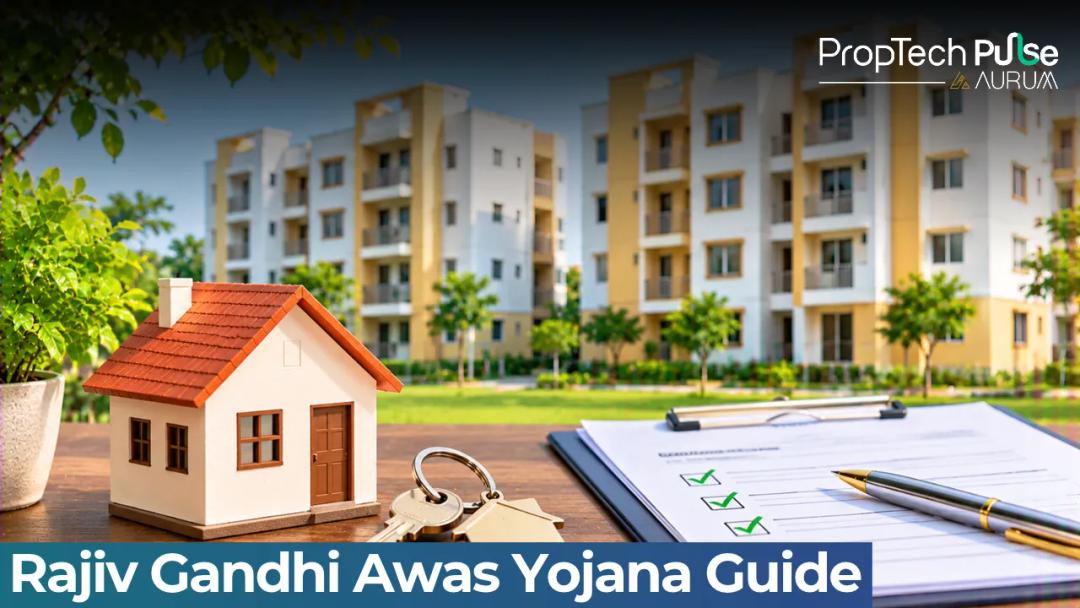
Rajiv Gandhi Awas Yojana: History, Benefits & PMAY Shift
Rajiv Gandhi Awas Yojana files still circulate in municipal offices, redevelopment notices and legacy housing claims though the scheme itself stopped accepting applications over a decade ago. For readers holding an old reference to the Rajiv Gandhi vasati nigama, the practical question is simpler. Does that claim still hold water today? Or do those entitlements translate to active government housing support? In this guide What Was the Rajiv Gandhi Awas Yojana? Core Objectives of Rajiv Awas Yojana Components and Financial Grants Under RAY Who Was Eligible for Rajiv Gandhi Housing? How the Rajiv Gandhi Vasati Yojana Application Process Worked From Rajiv Gandhi Vasati Nigama to PMAY-Urban Before You Act: What To Do Next Frequently asked questions What Was the Rajiv Gandhi Awas Yojana? Quick answer Rajiv Gandhi Awas Yojana (RAY) was a central government housing initiative launched in 2011 to fund slum rehabilitation and make cities 'slum-free'. Fresh applications under the Rajiv Gandhi vasati yojana closed years ago, and its benefits moved directly into the active Pradhan Mantri Awas Yojana (PMAY-Urban). Legacy cases are processed through their respective state urban development boards, while new applicants should check the latest PMAY-Urban guidelines online. Launched in 2011 under the Ministry of Housing and Urban Affairs (MoHUA), RAY marked the central government's first major attempt to standardize slum rehabilitation across states. Its primary aim was bringing both notified and non-notified informal settlements into the formal housing system. This pushed the ambitious target of a 'Slum Free India' by 2022. Unlike later programmes that relied heavily on individual homebuyer grants, RAY structured large-scale infrastructure investments and public-private partnerships. It required participating states to map their informal populations accurately and bundle housing needs into cohesive urban plans. Policy priorities shifted over time. The central government folded RAY's operational components directly into the active Pradhan Mantri Awas Yojana (PMAY-Urban). Explore the affordable housing schemes in india pmay 2 0 guide to see how those original frameworks evolved into today's funding models. Core Objectives of Rajiv Awas Yojana RAY pursued urban sustainability through three distinct lenses: participatory planning, financial viability and environmental resilience. It recognized slums as permanent features of Indian urbanization that needed integration. Eviction was off the table. The mandate forced local authorities to abandon isolated housing pockets in favor of wider neighborhood upgrades. Town planning departments coordinated closely with social welfare agencies. Merging land acquisition, road widening and sewerage lines became part of single blueprints. Financially, the programme encouraged states to monetize Development Right Transfers (DRT). Builders earned extra floor space beyond standard limits in exchange for constructing free housing for slum dwellers. This created a strong market incentive for developers that purely donor-funded projects lacked. Components and Financial Grants Under RAY The funding architecture rested on three pillars designed to tackle different barriers to shelter. These pillars dictated exactly where money flowed. Beneficiaries knew how to access it. State-Wise Funding Categories and Caps RAY divided participating states and union territories into categories based on metropolitan population size. This strictly dictated the maximum central grant allocated per dwelling unit. The initial baseline caps functioned as follows: Historical central funding caps per dwelling unit under Rajiv Gandhi Awas Yojana Category Cities / States Max Central Grant per Dwelling Unit A Population > 5 lakh (Major metros like Mumbai, Delhi, Chennai) ₹5,00,000 B Population < 5 lakh (Tier-2 and emerging cities) ₹4,00,000 C North-Eastern states and Special Category States (e.g., Himachal Pradesh, Uttarakhand) ₹5,00,000 These caps covered infrastructure contributions and the central share of construction costs. States, municipalities and urban local bodies handled land costs, clearance fees and their portion of the building expenditure. During its operation, the Affordable Housing in Partnership (AHP) arm targeted EWS and LIG families. It constructed units between 21 and 40 square metres. Rajiv Rinn Yojana (RRY) managed the credit linkages. It connected poor households to banks and housing finance companies so they could secure formal loans instead of relying on exploitative local lenders. In parallel, the Slum-Specific Investment Plan (SSIP) required municipalities to bundle multiple rehabilitation sites together. Enforcing a minimum project threshold, it compelled local bodies to adopt professional project management standards. Who Was Eligible for Rajiv Gandhi Housing? Eligibility hinged on documented residence in informal settlements combined with strict income ceilings. MoHUA defined these ties to the EWS or LIG brackets. Applicants had to prove they lived in a kutcha house. This established acute housing vulnerability under the old framework. The kutcha vs pucca house meaning differences pmay guide explains how structural classification continues to dictate eligibility today. Ownership restrictions were absolute. Families possessing a pucca house anywhere in India were automatically disqualified. The head of the household had to be at least 21 years old. Candidates needed to be permanent residents of the municipality submitting the project proposal. To boost long-term economic security for women, many urban local bodies implementing RAY mandated that ownership titles for newly built EWS units be registered solely in a woman's name. Priority scoring went to marginalized groups, including SC/ST communities and physically disabled beneficiaries. This ensured the most vulnerable residents secured homes first. How the Rajiv Gandhi Vasati Yojana Application Process Worked You cannot submit a direct online form for the Rajiv Gandhi vasati yojana application. The programme never operated through a centralized consumer portal. The entire flow relied on dense municipal governance layers. Residents first engaged with elected ward councillors or local neighbourhood committees. They declared their status as informal settlers. Municipal authorities then deployed teams to conduct detailed Socio-Economic and Caste Census (SECC) surveys. These verified household size, landholding history and daily wage incomes. Once verified, the Urban Local Body compiled this raw data into a master project file. Developers or cooperative housing societies pitched rehabilitation proposals against these aggregated demand lists. Approvals travelled upwards from the municipal corporation to the state housing board. MoHUA handled the final fund allocation and sanctioning. If your locality underwent this process, your personal details reside safely within physical municipal archives. They do not live in any searchable cloud database. Tracking a stalled legacy file demands visiting the local commissioner's office. Hiring a property lawyer experienced in old urban redevelopment portfolios helps greatly. Legacy Warning Brokers sometimes claim they can "revive" dormant RAY allotments for a fee. Do not pay upfront deposits. Legitimate legacy case updates happen strictly through government channels once your file transfers cleanly into the PMAY era. From Rajiv Gandhi Vasati Nigama to PMAY-Urban: What Happened to the Benefits? Policymakers eventually consolidated highly fragmented housing initiatives under one national banner. They reduced bureaucratic overlap by design. Consequently, Rajiv Gandhi vasati nigama benefits moved directly into the Pradhan Mantri Awas Yojana (PMAY-Urban) umbrella. Former beneficiaries did not need to restart complicated application procedures. The overarching mission stayed identical: subsidizing basic shelter for low-income earners. The execution mechanism matured significantly. Direct Benefit Transfer (DBT) replaced bulk institutional disbursements. It eliminated intermediate fund parking and forced faster payment cycles into contractor accounts. Interest rate subsidies previously trickled down slowly through Rajiv Rinn Yojana. They now find cleaner pathways through dedicated bank partners under PMAY. Borrowers can claim predictable tax deductions. They can calculate accurate monthly emis without surprise penalties. Holding an active sanction letter or a residential federation membership from an old RAY project puts you in the 'legacy category'. State governments universally process these approvals using residual RAY budget heads. Every single allotted family must secure possession. Meanwhile, new applicants bypass legacy paperwork and apply exclusively through the active PMAY-Urban interface. Running a pmay status check 2026 to track applications and subsidies online remains the definitive way to verify current entitlements. Before You Act: What To Do Next Handling an old RAY notice or redevelopment letter means treating it as historical proof of past inclusion. Contact your state's urban development secretary or local town planner immediately. Confirm whether your file survived the transition into the PMAY era. Never accept verbal assurances from unverified brokers. Demand written correspondence linking your original file number to a newer allotment certificate. Actively seeking housing assistance today means disregarding the obsolete terminology entirely. Skip the legacy paperwork to avoid creating administrative bottlenecks. Apply directly under the functioning PMAY-Urban scheme. Fresh applications mix poorly with old documents. Frequently asked questions Is the Rajiv Gandhi Awas Yojana scheme still active? No, the Rajiv Gandhi Awas Yojana (RAY) is no longer active. Fresh applications were halted several years ago when its frameworks were absorbed into the ongoing Pradhan Mantri Awas Yojana (PMAY-Urban). Legacy cases submitted before the transition continue to be processed by their respective state housing boards, but new applicants must follow the active PMAY guidelines instead. How does the Rajiv Gandhi housing framework differ from PMAY? RAY focused heavily on large-scale public-private partnerships and slum-specific investment plans requiring massive municipal bundling. PMAY shifted toward individual-centric Direct Benefit Transfer (DBT), offering direct interest subsidies and construction grants to eligible homeowners. While RAY prioritized city-level infrastructure mapping, PMAY channels direct financial aid to families already identified through SECC databases. Where can I find my legacy Rajiv Gandhi Vasati Yojana application status? There is no unified digital tracker for the Rajiv Gandhi vasati yojana application records. Because the scheme operated through physical municipal filings, you must visit your local Urban Local Body office or state housing development board to pull hard-copy archives. Keep your original allotment number or socio-economic census acknowledgment handy to speed up the manual search. Can new applicants still receive grants under the Rajiv Gandhi Vasati Nigama benefits? You cannot receive fresh grants under the Rajiv Gandhi Vasati Nigama benefits because the entity ceased independent operations. The funding streams and subsidy logic originally designed for it now operate under PMAY-Urban. Anyone qualifying for low-cost housing today must apply through the national PMAY portal and meet current EWS/LIG income thresholds. Sources Ministry of Housing and Urban Affairs (moahu.gov.in): Overview of the Rajiv Awas Yojana launch timeline and component structure (accessed November 2026) Enjoyed this blog article? Visit PropTech Pulse for more interesting blogs.
PropTech Pulse Editorial
27th November 2026
Uncategorized
Different Types of Houses in India: Styles & Costs
Buying a home involves more than square footage; you must pick a structure that suits your lifestyle and avoids draining savings on endless repairs. The different types of houses in India range from traditional courtyard homes to high-rise apartments. Each style reflects regional architecture, climate, and urban demand. Before committing, review lifecycle costs, maintenance burdens, and legal restrictions. In this guide Quick Answer: Top Different Types of Houses in India Traditional and Vernacular Types of Houses Colonial and Historic Styles Modern Residential Forms in Indian Cities Comparison Table: Construction Cost, Maintenance, and Climate Fit How to Choose the Right House Type Decision Rule: Match Your Lifestyle, Beyond the Floor Plan Frequently asked questions Quick Answer: Top Different Types of Houses in India Quick answer The main different types of houses in India include traditional vernacular homes (courtyard-style and mud/bamboo structures), historic colonial buildings (British bungalows and heritage properties), and modern urban forms (apartments, independent floors, and villas in gated communities). Your choice depends on whether you prioritize heritage aesthetics and long-term capital appreciation, like a heritage house in Mysore, or low maintenance and security for city living. Traditional and Vernacular Types of Houses India's earliest housing designs were practical responses to harsh weather and locally available materials. Architects developed shapes that passively cooled interiors long before electricity reached rural districts. Understanding the basics of kutcha vs pucca house meaning helps explain why certain earth-toned homes survive severe summers while others crumble within a decade. Mud, Bamboo, and Thatched Dwellings These structures dominate dry regions and tribal belts across Madhya Pradesh, Rajasthan, and parts of Northeast India. Builders use rammed earth, cob, and bamboo poles to create lightweight shells. These materials resist seismic activity while requiring minimal construction energy. Monsoon moisture destroys exposed earthen walls faster than concrete without regular lime washing and drainage management. Courtyard Homes: Wadas, Nalukettus, and Havelis Central open courtyards act as thermal lungs for surrounding rooms. Kerala's nalukettu uses sloping tiled roofs for rainwater harvesting, while Maharashtra's wada relies on thick stone walls. The North Indian haveli prioritizes enclosed family privacy behind ornate street-facing screens. These layouts maximize cross-ventilation, though their massive plot requirements no longer fit city limits. Colonial and Historic Styles Pre-independence architecture left a distinct mark on coastal towns and former administrative capitals. These buildings mix European planning with local craft techniques to handle tropical conditions. Many have been converted into five-star hotels or corporate offices. Scattered private examples still trade hands occasionally. Defining a British House A classic British house in India distinguishes itself through high-pitched corrugated iron roofs that shed torrential rain efficiently. Tall wooden casement windows invite evening breezes while elevated stone plinths keep ground damp away from living spaces. Interiors typically divide social life into separate drawing and dining rooms. Maintaining these features costs heavily over time and demands specialized tradesmen. House in Mysore Mysore's real estate portfolio holds a concentrated cluster of British-era bungalows alongside densely packed Old City homes. When people search for a house in Mysore, they usually encounter towering compound walls, polished teak flooring, and grand central staircases. These designs accommodate the region's naturally cooler hill-station climate. Renovation remains the biggest friction point due to strict archival restoration requirements. Regulatory Risks for Heritage Homes Do not assume free rein over a century-old structure. Municipalities in cities like Bengaluru and Mysuru maintain designated conservation zones. Changing the external facade, enlarging windows, or adding extra floors triggers mandatory Heritage Conservation Committee reviews. Ignoring these protocols results in stop-work notices and forced demolition orders. Modern Residential Forms in Indian Cities Vertical living has completely reshaped the Indian skyline, driven by soaring land prices and evolving family dynamics. Mid-segment buyers overwhelmingly prefer structured layouts with predictable monthly expenses over speculative ground-level builds. Apartments and Independent Floors High-rise apartment complexes offer standardized construction quality backed by RERA mandates and centralized security. Independent floors grant single-level living without full duplex overhead. Clarify spatial metrics by studying the duplex meaning in India, flat vs house, and area differences. Watch how builders calculate super built-up area versus usable carpet space. Gated Communities and Villas Low-density townships appeal to families prioritizing road width, underground utility lines, and dedicated children's play zones. Individual villa plots deliver total autonomy over landscaping, fence height, and exterior finishes. Buyers should review our detailed villa vs apartment comparison guide because lower liquidity slows exits during market dips. Township maintenance fees also scale up quickly as facilities age. Real Cost of Ownership: A budget of ₹80 lakh for a flat might look straightforward on paper, but adding stamp duty and registration pushes the upfront cash requirement significantly higher. In Karnataka, stamp duty sits near 5%, while Maharashtra charges between 5% and 7% depending on the district and beneficiary status. Factor this additional 5% to 7% levy into your financing plan before booking. Comparison Table: Construction Cost, Maintenance, and Climate Fit Average cost and upkeep breakdown for common house types in India House Type Approx Construction Cost (INR/sq ft) Maintenance Burden Ideal Climate Key Risk Vernacular (Mud/Bamboo) ₹1,200 – ₹1,800 High Dry / Hot (requires seasonal waterproofing) Termite damage, water seepage Courtyard Homes (Wada/Haveli/Nalukettu) ₹2,500 – ₹3,500 (restoration) High Hot / Semi-arid Structural dampness, high labor costs British Bungalow / Colonial Style ₹3,000 – ₹4,500+ High All climates (thick walls insulate well) Heritage regulation limits, pest decay Apartments / Flats ₹2,000 – ₹3,500 Medium All climates (centralized AC/fans avail) Society disputes, parking shortages Gated Community Villa ₹2,500 – ₹4,000 Medium All climates Lower liquidity compared to flats Total Estimated Build Cost (Average 1,500 sq ft) ₹30 Lakh to ₹67.5 Lakh depending on typology How to Choose the Right House Type Start by mapping your non-negotiables onto each category. Family size dictates whether you need ground-floor accessibility versus vertical stairs. Your daily commute radius often restricts you to high-density zones where apartments dominate. Villas remain confined to expanding peripheral suburbs. Decision Rule: Match Your Lifestyle, Beyond the Floor Plan Your house type should fit how you actually live, not merely how you picture yourself living. Families with young children benefit from the safety and play areas of a gated community. Salaried professionals juggling tight office hours should prioritize low-maintenance apartments over sprawling bungalows. Verify your borrowing power using a reliable eligibility calculator before locking in a choice. Frequently asked questions What are the different types of houses in India? There are four broad categories of residential property in India: traditional vernacular homes built for local climates using mud, timber, or laterite; historic colonial structures characterized by high ceilings and verandas; modern urban apartments with shared amenities; and standalone villas or independent floors found in gated townships. Each category serves a distinct buyer segment based on budget, family size, and maintenance preference. Which type of house is best for a hot climate? Courtyard-style homes and thick-walled colonial bungalows perform exceptionally well in intense heat. The central open spaces in traditional layouts create cross-ventilation that pulls hot air upward, while massive stone or lime plaster walls absorb solar radiation during the day and release it slowly at night. Modern insulated concrete slabs with rooftop gardens also work effectively, though they require active cooling systems. What is a house in Mysore called? Most older residential buildings in Mysore are referred to as heritage bungalows, Old City homes, or colonial villas depending on their era and architectural style. These properties typically feature expansive compound walls, teak wood accents, and grand staircases designed to accommodate the city's cooler hill station temperatures. They represent a unique inventory where historical preservation mixes naturally with modern township development. How much does a British bungalow cost in India? Pricing varies drastically based on location and preservation status. A standard new-build colonial replica in a township will cost between ₹3,000 and ₹4,500 per square foot. Genuine heritage listings, particularly those in established neighborhoods of Bangalore, Mysuru, or Chennai, carry premium valuations that often exceed ₹10,000 per square foot due to land scarcity and architectural rarity. Financing these assets usually requires specialized loan products. Difference between independent house and apartment. An independent house gives you complete autonomy over the structure, boundary walls, and alterations, which appeals to buyers wanting maximum privacy and customization. An apartment places you within a multi-owner society where maintenance responsibilities, rule enforcement, and aesthetic choices are shared. While independent homes offer greater freedom, they demand higher daily management and generally incur larger municipal tax bills compared to flat owners. Are old colonial houses safe to buy? Historically sound structures built with lime mortar and thick masonry are generally safe, but you must commission a thorough structural audit before purchase. Builders who reused salvaged bricks sometimes cut corners on load-bearing capacity. Also, legacy wiring and plumbing inside these walls often fail inspection, meaning you will face significant hidden renovation costs immediately after possession. Check local heritage committee rules to avoid legal penalties for unauthorized remodeling. Enjoyed this blog article? Visit PropTech Pulse for more interesting blogs.
PropTech Pulse Editorial
27th November 2026
Uncategorized
Maha Bhunaksha Maharashtra: How to View Land Map & Reports
You bought a plot outside Mumbai and need to check its exact boundaries before paying a token amount. The government’s primary tool for this is the Maharashtra land map portal. Most people call it Maha Bhunaksha. It gives you the actual shape and dimensions of your land. Reading the map requires knowing which fields matter. A simple boundary overlap can trigger years of litigation. This guide covers the login steps and shows how to toggle between village names and survey numbers. You will learn exactly where to find the property card and plot report. We also clarify where Maha Bhunakasha ends and the standard 7/12 Utara in Maharashtra begins. In this guide What is Maha Bhunakasha? MahaBhunakasha vs Mahabhulekh: Which Do You Need? How to Search Land Records on Mahabhunakasha Understanding Your Results: Property Cards and Plot Reports Troubleshooting: Why Is My Plot Not Showing? Next Steps Before You Pay Frequently asked questions What is Maha Bhunakasha? Quick answer The Maharashtra land map portal is an official government website run by the Department of Land Resources. It provides geo-referenced cadastral maps for all 36 districts in Maharashtra. You can view plot boundaries, extract owner details via the property card, and download a full plot report for ₹10 per document. It complements textual records like the 7/12 Utara by showing you where the land actually sits on the ground. Built by the National Informatics Centre (NIC) and backed by central ministry data, the platform digitizes survey records collected from every tehsil across the state. Developers checking sites in Bhunaksha Pune or reviewing agricultural land in Vidarbha use it to visualize parcel shapes before hiring a surveyor. Land disputes usually start with mismatched sketches. A broker's hand-drawn plan rarely matches the actual coordinates logged with the revenue department. Maha Bhunaksha locks these down. It ties exact X and Y points to every survey number. Pulling the map before you negotiate takes twenty minutes. It stops you from trusting outdated brochures. MahaBhunakasha vs Mahabhulekh: Which Do You Need? Mahabhulekh vs MahaBhunakasha: key differences for buyers Feature Mahabhulekh (Textual) MahaBhunakasha (Spatial) Data Type Paperwork, forms, lists Cadastral maps, satellite overlays Primary Focus Who owns the land right now Where the land physically lies Core Record 7/12 Utara, Sale Deeds Survey Number, Plot Shape, Dimensions Updates Trigger Tax payment, inheritance, sale Road alignment changes, land reclamation Best Used For Verifying current title holder Checking boundaries and adjacency Mahabhulekh handles the paperwork. It tracks mutations, tenancy rights, and sale transactions. MahaBhunakasha handles the geometry. You need both for solid due diligence. Take any survey number from a 7/12 Utara in Maharashtra. Cross-reference it on the map immediately. Confirm the boundaries match before trusting the paperwork. Buyers often confuse the portals. Ownership changes never happen on Maha Bhunakasha. It simply reflects field updates from the revenue officer. Treat the map as visual proof, not a title deed. Pair it with a recent encumbrance certificate in India search. Check the sub-registrar office to rule out hidden mortgages. How to Search Land Records on Mahabhunakasha Head to mahabhunakasha.mahabhumi.gov.in. The homepage opens with a straightforward menu. Pick the option that matches your current records. Searching by Location Select District, Taluka, then Village. Use this route if you inherited unmarked fields or are scanning raw rural plots. Browse the village list until you see your gram panchayat. Clicking an entry reveals the surrounding grid. Hunt for your plot number inside that layout. Searching by Plot Number directly Type the survey number straight into the search bar if you have it from a brochure or a neighbor's 7/12. The tool isolates that exact parcel. Enter only the numbers. Letters often break the search. Add a taluka code if the village splits across zones, so you do not load useless maps. Understanding Your Results: Property Cards and Plot Reports Once the system resolves your search, the dashboard splits into three distinct views. Buyers checking Maha Bhunaksha often stare only at the map view, missing crucial data behind it. 1. Geo-referenced Map View Zoom in until your plot polygon fills the screen. Watch the bordering symbols closely. The system auto-tags nearby land types. Green patches show active agriculture. Blue shapes mean lakes or irrigation tanks. Red overlays flag government reserves or drainage lines. Those red zones often cap construction heights downstream. 2. Property Card Switch tabs to the Property Card. This snapshot lists the registered owner's name, the total extent measured in hectares and square meters, and the land category. It updates slowly after a sale is recorded, so use it as a baseline rather than a live registry. 3. Plot Report Click the Plot Report tab. You will see the full attribute sheet. This document belongs in your legal file. It lists adjacent owners, locality codes, exact dimensions, and past conversions. Banks routinely ask for it during loan appraisals. Print it at A4 scale or save the export locally. Don't trust the pixel boundaries alone. A digital map aligns with satellite coordinates, but physical demarcation posts on the ground may have shifted over decades due to floods or encroachment. Always visit the site and walk the perimeter before committing funds. Troubleshooting: Why Is My Plot Not Showing? A blank screen frustrates anyone verifying their Maha Bhunaksha access. Three issues cause most lookup failures here. Urban conversion lag When a village transitions into a municipal corporation or gets merged into a metro zone, it temporarily drops off the agricultural survey mapping system. The revenue department hasn't finished converting old farming codes to urban grid IDs yet. Wait six months or request a manual extraction from the local zonal office. Taluka spelling mismatches Marathi names transliterated into English letters suffer inconsistent spelling. The portal might store the village under 'Chincholi' while locals call it 'Chinchole'. Toggle through alternate spellings in the dropdown menus. Non-digitized tracts Remote stretches in the Sahyadri ranges occasionally miss annual scanning cycles. If your village simply does not appear in the district drop-down, the scan never reached the server. You must submit a physical request to the local Talathi, who can retrieve the original microfilm copy. Next Steps Before You Pay Verify the 7/12, cross-check the map, get the encumbrance certificate, then sign. Never pay a booking amount until the boundaries are physically verified by a licensed mapper familiar with the panchayat layout. If the plot falls near a proposed highway or MahaRERA registered project, demand the updated stamp duty and registration charges notification to calculate exact closing costs. Relying on an unverified Maha Bhunaksha readout before signing papers is a classic mistake. Frequently asked questions Is MahaBhunakasha the same as Mahabhulekh? No. They serve different purposes within the same revenue department framework. Mahabhulekh provides textual ownership records, such as the 7/12 Utara, sale deeds, and mutation history. MahaBhunakasha, often called the Maharashtra land map, focuses on spatial data. It displays the geo-coordinates, physical boundaries, and plot shapes overlaid on satellite imagery. For complete due diligence, you must cross-reference both portals. How can I download the plot report from MahaBhunakasha? After selecting your plot using the village and survey number, click the 'View Plot' button. The dashboard loads three tabs: Map View, Property Card, and Plot Report. Select the Plot Report tab. You will see an option to download the document. A nominal fee of ₹10 is charged for digital downloads. Once payment is processed via net banking or UPI, the PDF opens automatically and can be saved for your file. Why is my plot not visible in Bhunaksha Maharashtra? Missing plots usually stem from urban-rural zoning conflicts or transcription errors. If the village has been declared a census town or merged into a municipal corporation, it may lose its standard agricultural survey numbering system. Sometimes, the Marathi village name was spelled differently during digitization. If the plot remains blank, contact the local Talathi office directly. They hold the master grid files and can manually locate your land in the backend database. Can I get a certified copy of the map online? Downloading a PDF from the portal does not grant it immediate certified legal status. The document serves as proof of spatial coordinates for verification purposes. To make it legally binding for bank loans or transfer of title, you typically need to take the downloaded printout to the Tehsil office or local Talathi. Request physical attestation or a certified copy stamp there. Rules vary slightly by district, so confirm current requirements locally. What districts are covered under the map application? The portal currently hosts geo-referenced data for all 36 districts across Maharashtra. This includes major metros like Mumbai, Thane, Pune, and Nagpur, alongside industrial hubs like Nashik and Aurangabad, and agricultural regions such as Solapur and Jalgaon. Coverage is extensive, though rare gaps remain in deeply forested western ghats tracts that are still undergoing final scanning validation. Sources Department of Land Resources - Government of Maharashtra: Official MahaBhunakasha portal URL and feature list (accessed Nov 2026) Enjoyed this blog article? Visit PropTech Pulse for more interesting blogs.
PropTech Pulse Editorial
27th November 2026

Ask Pulse Ai anything about real estate

Unlock the Latest in Real Estate
News, Infographics, Blogs & More! Delivered to your inbox.

