

©PropTech Pulse 2025, All rights reserved.

What does Manufactured mean (in asset contexts)?
Manufactured
Manufactured generally refers to factory-built structures or products that are then transported to a designated site for final use. Unlike fully site-built approaches, significant assembly or finishing occurs offsite, ensuring streamlined production environments with fewer weather delays or labor inefficiencies. These manufactured items can range from standalone units to modular segments forming larger assets.
- Efficiency Gains: Centralized assembly lines standardize quality, reducing waste.
- Transport Logistics: Components or entire items are shipped via trucks or specialized carriers.
- Regulatory Differences: Some designs must align with specific codes or anchor systems if they’re permanent.
- Cost Control: Minimizing on-site labor can lead to more predictable budgets.
“Manufactured” underscores a preference for offsite precision, aiming for shorter installation timelines and lower overhead without sacrificing custom features or durability.
Recent Glossary
What is the yield gap between offices and warehouses?
What is the YEIDA Sector 22D plot scheme?
What is Yamuna Expressway industrial city?
What is the yield spread over G-Secs for REITs?
What is the year-over-year vacancy trend in coworking?
View More...
Recent FAQs
What are the red flags to watch for in a new project brochure?
What are the processing fees and other charges on a home loan?
Can I earn while learning through Pulse University and how is it tracked?
How does age affect the eligibility result in a home loan calculator?
How does the learn and earn model at Pulse University work?
View More...
Insight Pulse
Uncategorized
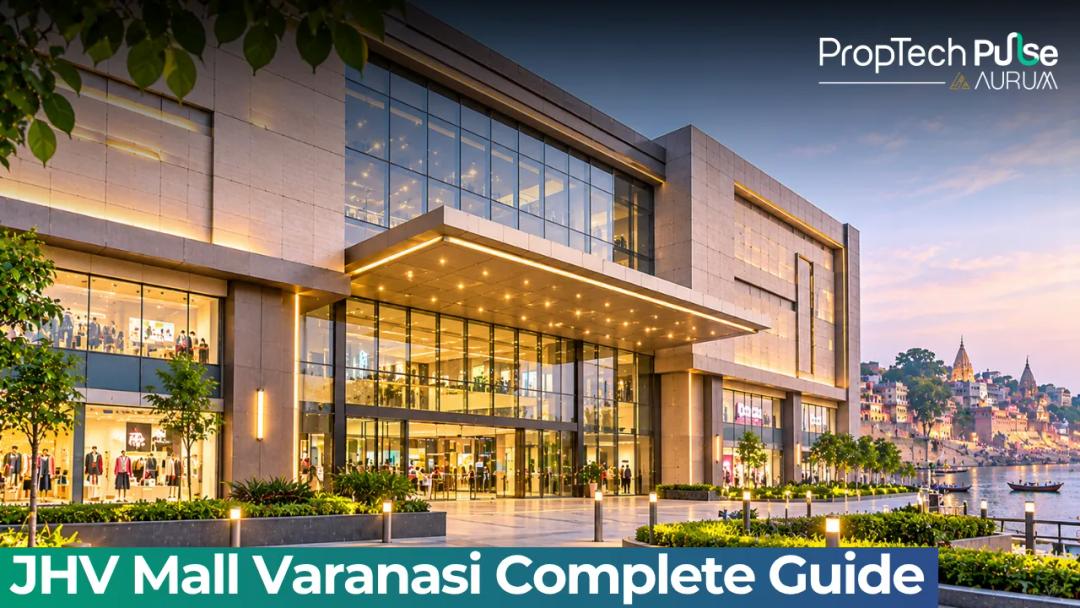
JHV Mall Varanasi 2026: Shops, Timings, Location & More
Planning a trip to a mall in North India's spiritual capital often feels like a mission. You want standard national brands, decent air-conditioning, and a place to watch a movie without fighting through endless traffic lines. That is exactly why locals and weekend visitors look for JHV Mall Varanasi. The centre stands out because it offers one of the few consolidated retail hubs in a city dominated by traditional markets and temple districts. Instead of wandering around Cantonment looking for an open gate, you need a clear map of what works now versus what is quietly shuttered. The site has grown since it first opened nearly two decades ago. Some tenants have rotated out, while the multiplex and food court remain consistent anchors. This guide cuts past directory noise. We cover the exact location relative to major landmarks. You get details on current opening hours, active floors, dining options, cinema tech, parking logistics, and entry points. We also tell you straight which parts of the building feel worn and how to plan your visit to avoid peak bottlenecks. How a nearby mall affects flat prices shows why knowing local retail growth matters to residents, but first, let's look at the physical space itself. In this guide What is JHV Mall Varanasi? Exact Location and How to Reach JHV Mall Timings: Opening Hours & Peak Crowds Shopping at JHV Mall: Brands and Store Mix Dining: Food Court and Quick Bites Entertainment: JHV Cinemas and Gaming Zone Facilities, Accessibility, and Parking Should You Visit JHV Mall in Varanasi? Frequently asked questions What is JHV Mall Varanasi? Quick answer JHV Mall Varanasi is a multi-floor retail and entertainment centre located in the Cantonment area near Nehru Park. It houses national apparel brands, a dedicated food court with quick-service chains, a Dolby Atmos-equipped multiplex, and a kids' gaming zone. The centre operates daily with standard retail hours. The centre acts as a large-scale commercial complex in the middle of the city. Built to serve families looking for an escape from the dusty summer heat and chaotic street-level bazaars, JHV Mall Varanasi spans roughly 250,000 square feet across multiple levels. The layout focuses heavily on lifestyle retail and fast-paced entertainment rather than high-end luxury fashion. Layout and floor count The structure typically comprises a ground floor and upper levels dedicated to retail chains. The ground floor houses quick-service food outlets, the primary multiplex entrance, and a handful of high-footfall apparel brands. Moving upward, you will find mid-market clothing stores, home furnishing sections, electronics showrooms, and gaming zones. The design forces a natural loop through the corridors, meaning you cannot skip directly to the back without passing through several anchor sections. Anchor tenants drive daily footfall here more than niche boutiques do. Understanding how an anchor tenant in a shopping mall works explains why certain corridors stay busy all day while others go quiet by late afternoon. The entertainment wing essentially functions as the primary magnet for younger crowds after school hours and weekends. Exact Location and How to Reach Getting dropped off at the right gate saves you ten minutes circling the block. The centre sits firmly in the Cantonment zone of Varanasi. You will find it less than two kilometres from the historic Dashashwamedh Ghat, making it a convenient stop before heading back to riverfront hotels. Nearest landmarks Ramada Plaza Varanasi sits almost adjacent to the mall's rear perimeter, meaning hotel guests can simply walk across the connecting road. If you are coming from Nehru Park, the entrance faces the tree-lined avenue just past the park boundary walls. The proximity to these spots means heavy vehicle movement between 4 PM and 6 PM on weekdays as tourists return to their rooms. Auto-rickshaw and cab drop-off advice If you are booking a cab or flagging an auto from across the city, give the driver the address: JHV Mall, Cantonment Area, Varanasi, Uttar Pradesh 221002. Drivers generally know the Cantonment junction near the police outpost. Ask to be dropped at the main pedestrian-facing gate. The drop-off lane sits slightly recessed from the main arterial road to prevent traffic jams, so stay alert when exiting a car. Checking the Varanasi ring road 2026 route map and status update helps if you are driving from newer developments outside the old city limits. Ring-road extensions ease access to the Cantonment outskirts. JHV Mall Timings: Opening Hours & Peak Crowds Mall hours change seasonally, usually stretching into November when winter tourism peaks. The general operating schedule follows the standard Indian retail rhythm. JHV Mall Operating Timings (Varanasi) Day / Period Opening Time Closing Time Monday to Thursday 10:00 AM or 10:30 AM 11:00 PM Friday to Sunday 10:00 AM or 10:30 AM 11:00 PM Holidays / Festive Season 10:00 AM 11:30 PM (Subject to management announcement) Tip: Several directory platforms list the opening time as 10:00 AM, while some morning reports suggest stores roll out displays starting closer to 10:30 AM. During weekday mornings, aim for 10:30 AM to guarantee that most retail units have their shutters fully raised and staff are at their counters. Peak crowd windows Saturday afternoons hit maximum capacity by 4 PM. The food court tables fill rapidly. If you plan to catch a late-night movie, expect the corridor leading to the multiplex ticketing counter to get congested between 8 PM and 10 PM. Weekday mornings offer the most relaxed experience if you need to grab specific apparel sizes without navigating dense queues. Shopping at JHV Mall: Brands and Store Mix The tenant roster leans heavily toward middle-income national chains. You will find reliable inventory levels for everyday apparel and sports gear, though limited-edition luxury drops are absent. This is a convenience and family-shopping destination, not a high-street fashion runway. Apparel and footwear You will come across established men's and women's wear brands covering casual shirts, office trousers, and ethnic kurta collections. Footwear outlets stock mainstream athletic models and formal leather shoes suitable for the corporate sector in Varanasi. Because Varanasi drives massive textile production, local merchants frequently set up temporary pop-up stalls during Navratri and Diwali. These festive booths rotate monthly, offering raw silk and zari fabrics right next to permanent department store counters. Sizing charts lean toward Indian builds, meaning European slim-fit jeans often run tight in the hips. Sports and fitness wear Demand for athleisure has pushed these sections to stay well-stocked year-round. Running shoes, gym shorts, and branded tracksuits dominate the shelves. If you prefer trying equipment before buying, the sporting goods floor includes basic fitness accessories like yoga mats and resistance bands. India's booming mall culture and retail transformation highlights how such store layouts are evolving across tier-two cities. Home essentials and electronics A dedicated section covers bedsheets, cushion covers, and kitchen storage solutions. Electronics kiosks focus primarily on mid-range televisions, soundbars, and mobile accessory repairs. Warranty service desks sit near the exit to speed up claim submissions. Dining: Food Court and Quick Bites The dining spread targets volume over exclusivity. Expect clean seating areas with air-conditioning, a critical amenity given Varanasi's spring temperatures. The food court connects the ground floor retail stretch with the multiplex lobby, forcing high cross-traffic between shoppers and moviegoers. Chain restaurants and quick service McDonald's serves burgers and value meals alongside regional coffee variants. Pizza Hut occupies a prominent corner booth with larger tables designed for family groups. BBQ Nation operates on an à la carte and shared platter model, making it ideal for large families sharing meat and salad spreads. The restaurant enforces strict hygiene checks visible to diners, a relief given monsoon-related food sensitivity risks in the region. KFC handles spicy chicken orders and wraps for customers who need something faster than a sit-down meal. Other quick-service joints maintain separate hot and cold beverage stations to prevent cross-contamination during rush hours. If you prefer quiet corners to noise, request seats away from the main food-tray pickup lanes. Ice cream and dessert counters Baskin Robbins sits adjacent to the cinema foyer, capitalizing on post-movie cravings. You can also find specialty coffee pods and chai stalls tucked near the escalators. Tipping staff at checkout counters remains customary if service feels sluggish, a quirk of local customer expectations. Entertainment: JHV Cinemas and Gaming Zone Movies drive the majority of evening footfall. JHV Cinemas manages the multiplex wing inside the complex, operating multiple screens tuned for both blockbuster releases and smaller art-house productions. Screen technology Recent refurbishments prioritized audio upgrades across key auditoriums. Dolby Atmos surrounds the audience with height-matched audio channels. Explosions and rain scenes hit with noticeably better spatial depth compared to older setups. Subtitles run fluently in both English and Hindi to cater to diverse viewing habits. Kids and interactive gaming Booking tickets through third-party apps often secures front-row preference seats for Friday night screenings. Walk-in buyers get restricted aisle rows once the hall fills up. Fun Space hosts video game cabinets, virtual reality simulators, and soft-play structures suited for children under twelve. The operator restricts entry for toddlers below sixty centimetres unless accompanied by a guardian. Wristbands track individual child movements if parents step out for coffee. Maintenance crews calibrate simulator rides weekly to prevent motion sickness triggers from faulty gyro sensors. Parents often book a slot here after grabbing dinner. This allows them to walk through the upper retail floors alone. Facilities, Accessibility, and Parking Infrastructure quality varies across the wings. While the multiplex corridors get fresh paint regularly, some peripheral shop fronts retain scuffed flooring from earlier renovations. The elevators connect all three primary levels without issue. Escalators run smoothly during operational hours, though they occasionally stop overnight for maintenance sweeps. Entry and exit dynamics The facility relies on a single main vehicular lane entering and exiting the immediate forecourt. This configuration creates a known friction point when dozens of cars arrive simultaneously for 10 AM openings. Security checkpoints slow down pedestrian entry slightly. Bag verification applies to everyone. If you arrive right at opening, allow five extra minutes to clear security. Parking rules The basement and surface lots provide dedicated bays for four-wheelers and two-wheelers. Parking fees apply after a free grace period. This rule protects the centre from daytime commuter overflow. Weekend rates adjust automatically. Keep digital payment apps ready rather than hunting for loose change. Accessibility features Emergency staircases are marked clearly at each corridor end. These bypass the central lift shaft in case of power failure. Staff conduct quarterly fire drills. They keep aisles free of promotional cardboard display boxes to ensure rapid evacuation routes. Wheelchair ramps meet municipal width requirements. Designated companion restrooms exist near the multiplex lobby for visitors requiring assisted lavatory access. Should You Visit JHV Mall in Varanasi? Yes, if you need reliable brand stores, AC parking, and a dependable movie setup away from street vendors. JHV Mall Varanasi delivers a solid shopping and entertainment mix that newer competitors struggle to match. The food court consistently delivers standardized meals regardless of the chef on shift. However, temper your expectations regarding interior polish. Certain corridors show age, and crowd density spikes sharply after 4 PM on Saturdays. For a leisurely browse or a quick cinema date, Monday through Wednesday mornings provide the smoothest flow. Frequently asked questions What are the timings of JHV Mall in Varanasi? The centre generally opens between 10:00 AM and 10:30 AM, depending on seasonal schedules and specific tenant readiness. Closing happens promptly at 11:00 PM, extending to 11:30 PM during major festive days. Early weekday mornings offer the least congestion. Where is JHV Mall located in Varanasi? It sits squarely in the Cantonment area, positioned just steps away from the famous Nehru Park and directly bordering the Ramada Plaza Varanasi. The pin code for the locality is 221002, placing it within easy reach of the central business district and riverfront tourist zones. Which brands are available at JHV Mall? You will find strong representations from national apparel and sports chains, along with established home furnishing retailers. Footwear kiosks cover mainstream athletic and formal wear. The ecosystem prioritizes everyday consumer needs over high-end designer labels. Does JHV Mall have multiplex cinemas? Yes, JHV Cinemas operates multiple screens inside the mall wing. Recent technical updates include Dolby Atmos sound systems across primary auditoriums, delivering richer dialogue and immersive environmental effects for modern film releases. Is there dedicated parking at JHV Mall? The centre provides designated parking slots for both four-wheelers and two-wheelers across the ground and basement areas. A strict fee structure applies after a short complimentary window to manage turnover effectively during heavy weekend traffic surges. Sources Uttar Pradesh RERA (up-rera.in): Builder registration and project framework context (accessed October 2026) Enjoyed this blog article? Visit PropTech Pulse for more interesting blogs.

PropTech Pulse Editorial
8th November 2026
Uncategorized
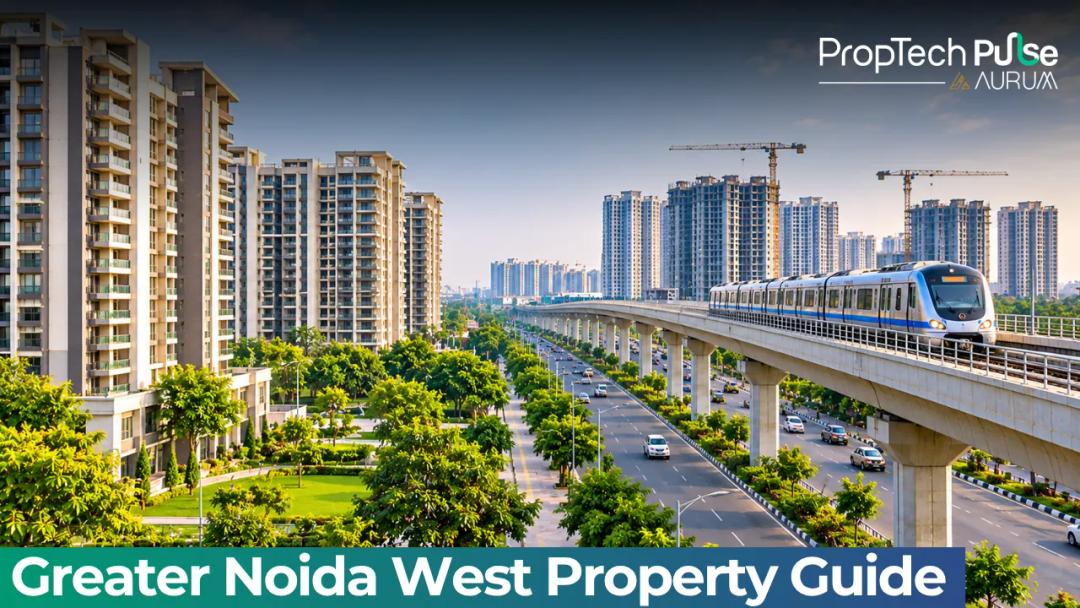
Greater Noida West Real Estate 2026: Prices & Metro
Buying property in Greater Noida West today means facing two realities. Prices have jumped sharply since 2024, yet listings rarely match what buyers actually pay. At the same time, the promised metro connection sits stuck in red tape, creating uncertainty for anyone relying on daily commuting. Great Noida West spans over 3,600 hectares across multiple zones. Each zone behaves differently regarding land values, development speed, and future infrastructure. Generic advice helps nobody here. You need to know exactly which sector offers value, how much to negotiate, and when the transport links will materialise. This guide maps the October 2026 market. We break down the micro-markets, clarify the precise administrative hold-up blocking the metro, compare asking prices against realistic deal prices, and outline who should enter now versus who should wait. In this guide What is Greater Noida West (Noida Extension) layout & micro-markets Flat prices in greater noida west october 2026 market update The greater noida west metro timeline exact status & route Capital appreciation & rental yield outlook Core infrastructure jewar airport & road network Top new projects & builders in the locality Who should buy flats in greater noida west right now Frequently asked questions What is Greater Noida West (Noida Extension) layout & micro-markets? Quick answer Greater Noida West averages ₹8,868 per square foot in October 2026, but buyers can negotiate closer to the ₹70 lakh mark for standard layouts by targeting emerging sectors. While prices have risen steadily since 2024, any purchase plan must factor in the unresolved metro timeline and varying civic maturity across Greek-letter sectors. Noida Extension, officially Greater Noida West, covers 3,635 hectares on the western side of the Yamuna Expressway. The region functions as a satellite hub connecting Gautam Buddh Nagar to the expanding Jewar airport corridor. Unlike compact older townships, GNW stretches across a linear axis along the expressway, with distinct phases that developed at different speeds. The layout splits naturally into named micro-markets. Developers and authorities group sectors using Greek letters. This segmentation matters because infrastructure reach and land conversion timelines vary across these zones. Buying in one sector can mean a mature society with active utilities, while a sector just three kilometres further might still be awaiting full water supply pipelines or municipal roads. Older zones, specifically Alpha through Delta blocks, represent the established clusters closer to commercial hubs. Zeta, Eta, and subsequent zones sit further down the expressway. These newer pockets offer larger carpet areas and newer designs but face longer timelines for utility upgrades and local amenities. Readers evaluating flats in greater noida west should treat each micro-market separately. A flat in an established block commands a premium for convenience. Inventory in emerging blocks trades on future appreciation once the missing infrastructure arrives. If you want to understand how GNW compares against wider market movements, check our rates and trends page for broader NCR performance data. Flat prices in greater noida west october 2026 market update Listing prices in the locality have corrected upward significantly. Average listing rates across the zone now sit near ₹8,868 per square foot on a super area basis. This figure masks variation between builders and finishes. Premium towers with high-end amenities trade well above this median, while older societies with simpler specifications sit below it. Homebuyers must distinguish between displayed prices and closing prices. The gap between listing and deal price remains substantial. Developers often use inflated initial tariffs to leave room for volume discounts. When you approach a sales office, expect a listing price that carries 10 to 15 percent of negotiable buffer. Avg listing price bands by configuration (super area basis) and realistic deal-price targets in October 2026 Configuration Typical Super Area Range Listing Price Band Target Deal Price Band 2 BHK 900 to 1,100 sq ft ₹70 lakh to ₹95 lakh ₹63 lakh to ₹85 lakh 3 BHK 1,200 to 1,500 sq ft ₹1.05 crore to ₹1.40 crore ₹94 lakh to ₹1.25 crore 4 BHK / Duplex 1,600+ sq ft ₹1.40 crore to ₹1.90 crore+ ₹1.25 crore to ₹1.70 crore+ Demand has shifted heavily toward family-oriented layouts. More than 62 percent of active home seekers filter for three bedrooms. Two-bedroom units move slower. They also carry heavier discounting pressure. Before committing funds, verify your borrowing capacity. Use an eligibility calculator based on your actual income and repayment profile to determine a firm ceiling. Stamp duty and registration cost example Calculating the cash needed upfront requires adding statutory charges. Uttar Pradesh levies stamp duty plus a registration fee. Women buyers receive a concession on stamp duty, typically reducing the effective burden by several percentage points depending on the co-ownership structure. Consider a standard three bedroom flat transacted at a deal price of ₹1.25 crore. On a transaction of this value, you would pay stamp duty calculated on the circle rate or agreement value, whichever is higher, followed by a nominal registration fee. If the applicable stamp duty rate comes to roughly 7 percent and registration stands at 1 percent, the total transaction cost adds approximately ₹17.5 lakh to your acquisition outlay. The actual percentage changes based on whether the property falls within city limits or rural jurisdiction, and on ownership details. Always confirm the exact duty slab for the specific sector at the district collectorate office before signing the agreement. The greater noida west metro timeline exact status & route Metro connectivity remains the single biggest question mark weighing on buyer sentiment. The new five-station, 8.4-kilometre extension designed to serve Great Noida West has faced repeated delays. Most general updates simply repeat that the project is ongoing. The detailed status reveals a specific bureaucratic bottleneck. Clearance came from the Press Information Bureau back in July 2026. The critical hurdle is pending Cabinet approval from the state government. According to latest intelligence, the Cabinet meeting scheduled for October 21, 2026 holds the decision on authorising the expenditure and awarding contracts. Until that Cabinet green signal appears, physical construction contracts cannot be signed, and tendering cannot commence formally. Construction allocation figures reported recently point to roughly ₹10 crore set aside for early works and planning activities on the Great Noida West segment. These funds support survey and design refinement. They do not indicate groundbreaking on ground. While the line aims to connect key residential pockets, the lack of an operational timeline means commuters should not factor metro proximity into purchase decisions made before late 2027. Any announcement of actual drilling or foundation work will likely lag the Cabinet approval by another six to nine months. For context on rapid transit developments across the NCR region affecting connectivity, refer to our news coverage on major flyover and connectivity updates. Capital appreciation & rental yield outlook Year-on-year price growth in the locality has been strong, with capital appreciation metrics showing gains of roughly 21.62 percent. Peer micro-markets in the broader Gautam Buddh Nagar region recorded appreciation near 22 percent, while Greater Noida city proper hit 27 percent. The gap between Greater Noida West and the city is shrinking as inventory gaps fill up. Rental yields tell a different story. Rental income growth across GNW ranks among the highest in all Greater Noida micro-markets. High occupancy in the established sectors supports steady rental returns, though absolute yields remain constrained by the sharp rise in purchase prices. Density is high. Planners and developers aim for roughly 150 units per acre across residential tracts. This creates a compact urban form with walkable neighbourhoods but increases pressure on local traffic during peak hours. If your goal is portfolio diversification and understanding deep investment mechanics beyond surface rates, review our analysis on real estate investment strategies to frame your entry strategy. Core infrastructure jewar airport & road network Jewar International Airport forms the backbone of long-term value creation for Western Greater Noida. The airport promises to reposition the entire arc of towns surrounding it as part of a major logistics and passenger node. Government allocations for airport-related infrastructure stand at ₹350 crore for various ancillary development components. Direct highway access relies on the expressway connection to Jewar. National Highway 30 runs parallel to the expressway in sections and feeds regional traffic. Road widening projects continue to upgrade capacity. Local arterial roads connecting GNW sectors to the main highway see regular maintenance cycles funded by the development authority. Daily commute reliability hinges entirely on traffic flow management at entry and exit points. Congestion spikes during festival periods and weekends remain a known issue. Improvements to the road network happen incrementally rather than through sudden transformations. Top new projects & builders in the locality Inventories across the zone belong to a mix of national players and strong regional developers. Builders like CRC, Saraswati, Devsai, and Arihant dominate specific sectors. CRC targets mid-to-high tier buyers with amenity-rich towers. Saraswati and Devsai deliver large township plots alongside mid-rise residential blocks. Meanwhile, Arihant handles everything from compact two-bedroom units to sprawling family configurations. Because the region spans many years of development, project age varies widely. New launch towers offer modern floor plans, larger balconies, and smart home provisions. Existing societies deliver ready possession with established landscaping and occupied societies. Ready buildings reduce waiting period risk but limit the range of unit options. Risk perception sometimes surfaces among cautious buyers. Concerns about legal clearances or builder execution timelines matter. Verify every project's status on the official registrar website to confirm RERA registration and escrow compliance. Consult our safety and due diligence guide before making advance payments. Who should buy flats in greater noida west right now Buying here makes strict sense for specific profiles. If you commute via the Yamuna Expressway to Noida Phase 1, Golf Course Road, or Ghaziabad, GNW offers viable alternatives at lower total ticket sizes than central corridors. The drive takes 40 to 50 minutes depending on traffic, avoiding inner-city congestion. Families wanting three-bedroom layouts with generous carpet areas fit the dominant supply trend perfectly. Inventory here consistently outperforms other zones in terms of space efficiency per rupee spent. Holding periods of seven years or more allow buyers to benefit from the gradual infill of amenities and the eventual impact of the airport expansion. You should wait if you need functional metro connectivity within the next two years. Political approvals have not translated into construction readiness, making any expectation of a running train before 2029 unrealistic. Buyers operating with tight budgets below the ₹80 lakh threshold will also struggle to find adequate three-bedroom options. Quick decision rule Prioritise sectors Alpha through Delta if you value immediate livability and want to avoid waiting for civic upgrades. Choose Zeta or Eta only if you have a longer horizon and want cheaper entry rates for future upside. Frequently asked questions When will the metro arrive in Noida Extension? The five-station line requires state Cabinet approval before construction contracts can be awarded. Latest intelligence indicates that the Cabinet meeting scheduled for October 21, 2026 holds this decision. Once approved, tendering and groundwork will likely begin, meaning service cannot realistically precede 2029. Is Greater Noida West better than Greater Noida for investment? Growth trajectories differ. Greater Noida city posted faster year-on-year capital appreciation recently. Greater Noida West trails slightly but benefits from massive infrastructural catalysts including the upcoming international airport and expressway expansions. Investors with longer horizons targeting the Jewar corridor may prefer the western zone. What is the current price per sq ft in Greater Noida West? Average listing rates sit near eight thousand eight hundred sixty-eight rupees per square foot on a super area basis. Actual deal prices depend on negotiation. You should expect to haggle ten to fifteen percent off displayed tariffs. Final costs fluctuate sharply based on builder brand, sector location, and finishing specifications. Which are the top residential projects in Noida Extension right now? Inventory includes developments by CRC, Saraswati, Devsai, and Arihant. Each builder operates across multiple sectors offering varying configurations. CR C emphasises premium towers with extensive amenities. Saraswati and Devsai manage large township developments. Arihant provides options spanning compact to large family units. Sources Uttar Pradesh Real Estate Regulatory Authority: Builder registration verification, project escrow rules, and consumer grievance mechanisms (accessed October 2026) Press Information Bureau Government of India: Official press releases regarding infrastructure project clearances and metro line announcements (accessed October 2026) Delhi Metro Rail Corporation: Reference data on rapid transit operations and NCR metro integration frameworks used for comparative connectivity assessment (accessed October 2026) Enjoyed this blog article? Visit PropTech Pulse for more interesting blogs.
PropTech Pulse Editorial
8th November 2026
Uncategorized
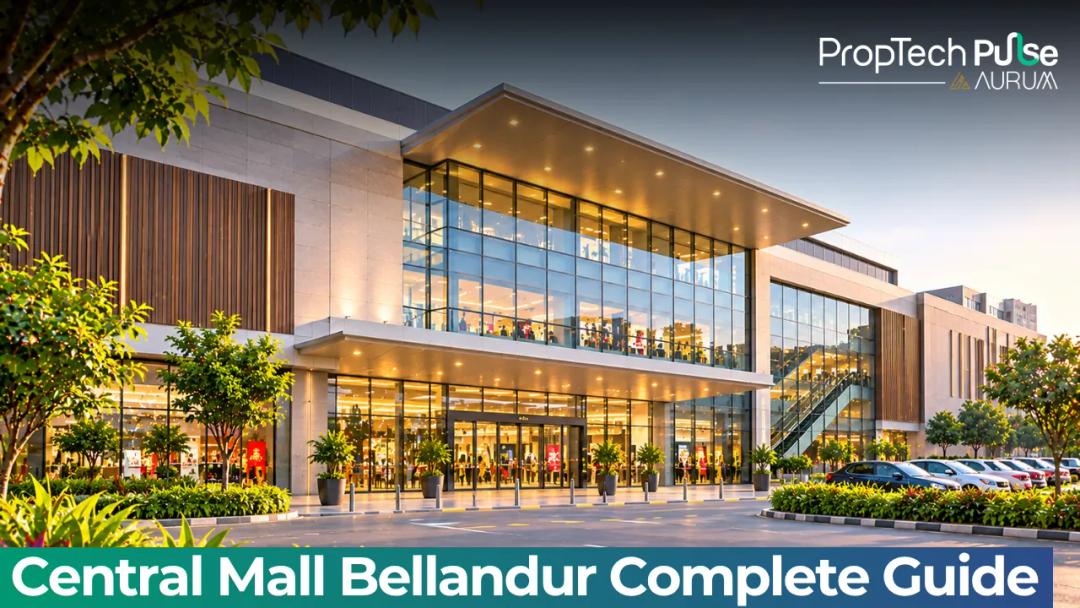
Central Mall Bellandur: Shops, Timings & Parking 2026
If you are heading to Outer Ring Road to shop after office hours, Central Mall Bangalore cuts through the usual confusion. Located right off Bellandur village, it handles heavy footfall from the nearby IT corridor by keeping operations predictable and structured. This guide covers the exact floor maps, parking logistics and verified hours so you do not waste time circling the building late on a Saturday. In this guide Central Mall Bellandur: Location & Verified Timings Central Mall Shops & Brands by Floor Dining Options & Entertainment Under One Roof Parking Capacity & Last-Mile Transit Routes Other Central Mall Locations in Bangalore When to Visit: Crowd Peaks & Smart Timing Tips How to Reach Central Mall Bellandur From Key Interchanges Frequently asked questions Central Mall Bellandur: Location & Verified Timings Quick answer Central Mall Bellandur sits at Soul Space Spirit, near Bellandur Village, Varthur Hobli, Bengaluru, KA 560103. It operates from 10:00 AM to 9:30 PM on weekdays, opens at 11:00 AM on weekends, and remains fully accessible for parking until closing. Weekends attract heavy corporate and family traffic, so arrive early. The mall anchors the commercial strip along the ORR just past the Marathahalli bridge. Reaching it requires handling the heavy peak-hour congestion that builds from Silk Board, but once inside, the access roads separate pedestrian walkways from vehicle lanes effectively. To verify the legal status of the development, you can look up the Central Mall RERA registration details for Karnataka. Accurate central mall timings matter because they dictate how easily you can coordinate post-work visits. Weekday entry starts at 10 AM when the main access gates open for corporate visitors finishing lunch breaks. Weekend hours shift slightly to 11 AM to account for family visits arriving after morning errands. These timings apply year-round except during extreme weather warnings or municipal shutdowns. Holiday schedules often see the mall keep standard opening times, though some eateries adjust their last-order slots closer to midnight. Holiday Hours Note: During major festivals like Ugadi or Diwali, the mall follows regular operating windows but extends food court operations past 10 PM. Security checks may slow down entry, so budget an extra fifteen minutes. Central Mall Shops & Brands by Floor The ground floor prioritises quick-access retailers and high-turnover fashion brands. Casual wear outlets sit beside jewellery chains that cater to evening gifting and festival sales. On the first floor, you will find lifestyle accessories, footwear specialists and mid-range apparel designed for daily commuting staff and weekend shoppers alike. The layout deliberately places popular brands near the escalators to manage crowd flow during peak evening hours. Fashion and accessories focus: Expect strong representation from mainstream Western and ethnic wear labels. Many stores carry seasonal collections that align with festival periods, making December and March the busiest months for fitting rooms. Staff ratios drop noticeably on Friday evenings, which slows down billing even when lines move quickly. Electronics, Audio & Home Essentials Upper floors house larger footprint retailers including consumer electronics showrooms and home goods sections. Mobile accessory kiosks cluster near the food court exit to catch casual browsers leaving a meal. If you prefer to avoid the Sunday rush in these wider aisles, weekday evenings between 6 and 7 PM usually offer space to move freely while most major counters remain active. Large electronics showrooms naturally pull families towards one end, which then funnels everyone past smaller independent kiosks on their way back. To understand why certain corners get busier than others, check our guide on how anchor tenants work in shopping malls. Dining Options & Entertainment Under One Roof Food courts dominate the upper levels, providing affordable options alongside branded cafes and sit-down restaurants. The layout segregates noise-heavy gaming zones from calmer dining areas, though weekend queues at popular counter-service spots can stretch into the corridors. Booking tables ahead saves roughly forty minutes on Friday nights. Reservations typically cover a two-hour window; arriving late means losing your slot because turnover protocols are strict and managers enforce them to maximise covers per night. Entertainment occupies dedicated wings on the top floor. A multiplex screens new releases with premium seating upgrades, while indoor gaming lounges and arcade-style games target younger demographics. Bowling alleys occasionally run weekday promo rates for corporate groups, which reduces weekend congestion slightly. Families often split up here because the entertainment wing accommodates varied attention spans. Ticket booking software sometimes lags during premiere weekends, so purchasing physical vouchers at the kiosk prevents queue bottlenecks inside the cinema lobby. Parking Capacity & Last-Mile Transit Routes Parking forms a critical part of the visitor experience given the ORR location. Covered multi-level parking handles vehicle overflow, separating two-wheeler bays from car zones entirely to reduce collision risks during tight turns. Valet services appear on select festive weekends but operate mainly during private events rather than standard days. Entry ramps get backed up between 4:45 PM and 5:30 PM when corporate staff finish shifts. Using the north-side drop-off lane for quick pickups bypasses the longest ramp queues. Commuters relying on public transport benefit from proximity to intercity Volvo buses and BMTC routes converging at Silk Board and Marathahalli hubs. Walking distances from the nearest bus drops range from five to ten minutes depending on the drop-off gate. For those tracking future rail connectivity, the planned Purple Line extension could eventually alter transit patterns across the region; see the Purple Line metro Bangalore stations timings and fares for reference. If property value depends heavily on transit quality, our analysis on how a mall nearby affects flat prices covers the appreciation mechanics specifically for ORR micro-markets. | Day Category | Opening Time | Closing Time | Parking Availability | |---|---|---|---| | Monday to Thursday | 10:00 AM | 9:30 PM | Fully available; moderate morning usage | | Friday | 10:00 AM | 9:30 PM | High demand; reserved sections near cinema fill fast | | Saturday | 11:00 AM | 9:30 PM | Crowded by 1 PM; arrive before noon for prime spots | | Sunday | 11:00 AM | 9:30 PM | Highest volume; consider public transit if travelling from Whitefield | Other Central Mall Locations in Bangalore Central Mall maintains additional centres across the city outside Bellandur. The JP Nagar branch caters more towards south Bangalore residents seeking relaxed shopping environments away from IT crowd surges. Meanwhile, the Jayanagar outlet serves dense residential pockets with classic community-retail dynamics suited for older demographics and local families. Each location adjusts store mixes based strictly on neighbourhood income profiles and evening commute patterns. Comparing these alternatives helps you choose whether you want a busy, modern retail environment driven by corporate footfall or a quieter neighbourhood outing where checkout lines stay short until closing. Weekend crowds at Bellandur skew younger and tech-focused, whereas JP Nagar draws mixed-age groups prioritising groceries and pharmacy runs over late-night entertainment. Traffic volume directly impacts waiting times at food courts; Bellandur demands advance planning, while the southern branches absorb sudden spikes without breaking service flow. When to Visit: Crowd Peaks & Smart Timing Tips Evening slots between 5 and 8 PM draw maximum crowds due to post-work shoppers treating mall trips as decompression rituals. Saturday afternoons witness sustained pressure on food court counters and fitting rooms. Thursday mornings often feel emptiest among business days when corporate footfall remains low and parking lots sit mostly open. Arriving early helps secure easy parking near main entrances. Leaving past 9 PM generally means dodging exit queues while crossing the busy Orphanage Road junction. Carrying cash speeds up small purchases at independent stalls accepting digital wallets but occasionally facing technical glitches. Planning your route before departure ensures you avoid getting stuck in the tail-end traffic that backs up on the ring road heading south. Exit via the rear service lanes if the main driveway gridlocks completely; maintenance vehicles use those paths and they cut straight toward Varthur Main Road without hitting signal delays. How to Reach Central Mall Bellandur From Key Interchanges Planning your trip requires knowing whether you approach via Sarjapur Road or KR Puram bypass. Approaches from Whitefield typically involve merging onto the ring road past Electronic City, whereas northbound commutes cut straight from Yelahanka. Regardless of starting point, keeping a mental map of drop-off gates prevents wandering after reaching the complex entrance. Using navigation apps with live traffic updates still saves time compared to waiting for lane changes at signal crossings near the locality. Before heading out, confirm whether your preferred store carries seasonal stock, check if your desired restaurant accepts walk-ins or requires reservation, and verify public transport frequency in case parking becomes impossible on short notice. Small preparation steps prevent the frustration that often ruins otherwise enjoyable outings. Call ahead if you need wheelchair assistance or specific accessibility routes, as ramp elevators require passing through security checkpoints that operate on fixed cycles. Sources Bruhat Bengaluru Mahanagara Palike (BBMP): Municipal parking sanctions and traffic routing guidelines for ORR developments (accessed October 2026) Frequently asked questions What time does Central Mall Bellandur open? It opens at 10 AM on weekdays and shifts to 11 AM on Saturdays and Sundays. This slight delay accounts for slower morning footfall from corporate parks located further down the ring road. The mall closes consistently at 9:30 PM regardless of the day. How many floors does Central Mall Bangalore have? The structure contains four above-ground levels plus underground parking. The ground floor hosts fashion and quick-access essentials, while upper tiers cover dining, electronics and entertainment zones designed to capture families moving upwards after meals. Is there enough parking available on weekends? Weekend parking fills quickly by early afternoon, especially if you arrive near 1 PM. Covered multi-level bays exist specifically to separate cars and bikes, reducing bottlenecks at entry ramps. Arriving before noon guarantees easier spots close to main escalators. Which BMTC routes stop closest to Central Mall? Volvo express buses and local BMTC services converge primarily at Silk Board and Marathahalli interchanges. From those hubs, walking distance ranges between five and ten minutes depending on which vehicle gate you exit near the mall complex. Can I book a table at the restaurant inside Central Mall Bellandur? Yes, most sit-down restaurants accept advance reservations via phone or third-party booking platforms. Walk-ins generally face thirty-minute waits during Friday evenings and Sunday afternoons unless you order strictly from the food court counters where queues rotate faster. Enjoyed this blog article? Visit PropTech Pulse for more interesting blogs.
PropTech Pulse Editorial
8th November 2026
Uncategorized
JHV Mall Varanasi 2026: Shops, Timings, Location & More
Planning a trip to a mall in North India's spiritual capital often feels like a mission. You want standard national brands, decent air-conditioning, and a place to watch a movie without fighting through endless traffic lines. That is exactly why locals and weekend visitors look for JHV Mall Varanasi. The centre stands out because it offers one of the few consolidated retail hubs in a city dominated by traditional markets and temple districts. Instead of wandering around Cantonment looking for an open gate, you need a clear map of what works now versus what is quietly shuttered. The site has grown since it first opened nearly two decades ago. Some tenants have rotated out, while the multiplex and food court remain consistent anchors. This guide cuts past directory noise. We cover the exact location relative to major landmarks. You get details on current opening hours, active floors, dining options, cinema tech, parking logistics, and entry points. We also tell you straight which parts of the building feel worn and how to plan your visit to avoid peak bottlenecks. How a nearby mall affects flat prices shows why knowing local retail growth matters to residents, but first, let's look at the physical space itself. In this guide What is JHV Mall Varanasi? Exact Location and How to Reach JHV Mall Timings: Opening Hours & Peak Crowds Shopping at JHV Mall: Brands and Store Mix Dining: Food Court and Quick Bites Entertainment: JHV Cinemas and Gaming Zone Facilities, Accessibility, and Parking Should You Visit JHV Mall in Varanasi? Frequently asked questions What is JHV Mall Varanasi? Quick answer JHV Mall Varanasi is a multi-floor retail and entertainment centre located in the Cantonment area near Nehru Park. It houses national apparel brands, a dedicated food court with quick-service chains, a Dolby Atmos-equipped multiplex, and a kids' gaming zone. The centre operates daily with standard retail hours. The centre acts as a large-scale commercial complex in the middle of the city. Built to serve families looking for an escape from the dusty summer heat and chaotic street-level bazaars, JHV Mall Varanasi spans roughly 250,000 square feet across multiple levels. The layout focuses heavily on lifestyle retail and fast-paced entertainment rather than high-end luxury fashion. Layout and floor count The structure typically comprises a ground floor and upper levels dedicated to retail chains. The ground floor houses quick-service food outlets, the primary multiplex entrance, and a handful of high-footfall apparel brands. Moving upward, you will find mid-market clothing stores, home furnishing sections, electronics showrooms, and gaming zones. The design forces a natural loop through the corridors, meaning you cannot skip directly to the back without passing through several anchor sections. Anchor tenants drive daily footfall here more than niche boutiques do. Understanding how an anchor tenant in a shopping mall works explains why certain corridors stay busy all day while others go quiet by late afternoon. The entertainment wing essentially functions as the primary magnet for younger crowds after school hours and weekends. Exact Location and How to Reach Getting dropped off at the right gate saves you ten minutes circling the block. The centre sits firmly in the Cantonment zone of Varanasi. You will find it less than two kilometres from the historic Dashashwamedh Ghat, making it a convenient stop before heading back to riverfront hotels. Nearest landmarks Ramada Plaza Varanasi sits almost adjacent to the mall's rear perimeter, meaning hotel guests can simply walk across the connecting road. If you are coming from Nehru Park, the entrance faces the tree-lined avenue just past the park boundary walls. The proximity to these spots means heavy vehicle movement between 4 PM and 6 PM on weekdays as tourists return to their rooms. Auto-rickshaw and cab drop-off advice If you are booking a cab or flagging an auto from across the city, give the driver the address: JHV Mall, Cantonment Area, Varanasi, Uttar Pradesh 221002. Drivers generally know the Cantonment junction near the police outpost. Ask to be dropped at the main pedestrian-facing gate. The drop-off lane sits slightly recessed from the main arterial road to prevent traffic jams, so stay alert when exiting a car. Checking the Varanasi ring road 2026 route map and status update helps if you are driving from newer developments outside the old city limits. Ring-road extensions ease access to the Cantonment outskirts. JHV Mall Timings: Opening Hours & Peak Crowds Mall hours change seasonally, usually stretching into November when winter tourism peaks. The general operating schedule follows the standard Indian retail rhythm. JHV Mall Operating Timings (Varanasi) Day / Period Opening Time Closing Time Monday to Thursday 10:00 AM or 10:30 AM 11:00 PM Friday to Sunday 10:00 AM or 10:30 AM 11:00 PM Holidays / Festive Season 10:00 AM 11:30 PM (Subject to management announcement) Tip: Several directory platforms list the opening time as 10:00 AM, while some morning reports suggest stores roll out displays starting closer to 10:30 AM. During weekday mornings, aim for 10:30 AM to guarantee that most retail units have their shutters fully raised and staff are at their counters. Peak crowd windows Saturday afternoons hit maximum capacity by 4 PM. The food court tables fill rapidly. If you plan to catch a late-night movie, expect the corridor leading to the multiplex ticketing counter to get congested between 8 PM and 10 PM. Weekday mornings offer the most relaxed experience if you need to grab specific apparel sizes without navigating dense queues. Shopping at JHV Mall: Brands and Store Mix The tenant roster leans heavily toward middle-income national chains. You will find reliable inventory levels for everyday apparel and sports gear, though limited-edition luxury drops are absent. This is a convenience and family-shopping destination, not a high-street fashion runway. Apparel and footwear You will come across established men's and women's wear brands covering casual shirts, office trousers, and ethnic kurta collections. Footwear outlets stock mainstream athletic models and formal leather shoes suitable for the corporate sector in Varanasi. Because Varanasi drives massive textile production, local merchants frequently set up temporary pop-up stalls during Navratri and Diwali. These festive booths rotate monthly, offering raw silk and zari fabrics right next to permanent department store counters. Sizing charts lean toward Indian builds, meaning European slim-fit jeans often run tight in the hips. Sports and fitness wear Demand for athleisure has pushed these sections to stay well-stocked year-round. Running shoes, gym shorts, and branded tracksuits dominate the shelves. If you prefer trying equipment before buying, the sporting goods floor includes basic fitness accessories like yoga mats and resistance bands. India's booming mall culture and retail transformation highlights how such store layouts are evolving across tier-two cities. Home essentials and electronics A dedicated section covers bedsheets, cushion covers, and kitchen storage solutions. Electronics kiosks focus primarily on mid-range televisions, soundbars, and mobile accessory repairs. Warranty service desks sit near the exit to speed up claim submissions. Dining: Food Court and Quick Bites The dining spread targets volume over exclusivity. Expect clean seating areas with air-conditioning, a critical amenity given Varanasi's spring temperatures. The food court connects the ground floor retail stretch with the multiplex lobby, forcing high cross-traffic between shoppers and moviegoers. Chain restaurants and quick service McDonald's serves burgers and value meals alongside regional coffee variants. Pizza Hut occupies a prominent corner booth with larger tables designed for family groups. BBQ Nation operates on an à la carte and shared platter model, making it ideal for large families sharing meat and salad spreads. The restaurant enforces strict hygiene checks visible to diners, a relief given monsoon-related food sensitivity risks in the region. KFC handles spicy chicken orders and wraps for customers who need something faster than a sit-down meal. Other quick-service joints maintain separate hot and cold beverage stations to prevent cross-contamination during rush hours. If you prefer quiet corners to noise, request seats away from the main food-tray pickup lanes. Ice cream and dessert counters Baskin Robbins sits adjacent to the cinema foyer, capitalizing on post-movie cravings. You can also find specialty coffee pods and chai stalls tucked near the escalators. Tipping staff at checkout counters remains customary if service feels sluggish, a quirk of local customer expectations. Entertainment: JHV Cinemas and Gaming Zone Movies drive the majority of evening footfall. JHV Cinemas manages the multiplex wing inside the complex, operating multiple screens tuned for both blockbuster releases and smaller art-house productions. Screen technology Recent refurbishments prioritized audio upgrades across key auditoriums. Dolby Atmos surrounds the audience with height-matched audio channels. Explosions and rain scenes hit with noticeably better spatial depth compared to older setups. Subtitles run fluently in both English and Hindi to cater to diverse viewing habits. Kids and interactive gaming Booking tickets through third-party apps often secures front-row preference seats for Friday night screenings. Walk-in buyers get restricted aisle rows once the hall fills up. Fun Space hosts video game cabinets, virtual reality simulators, and soft-play structures suited for children under twelve. The operator restricts entry for toddlers below sixty centimetres unless accompanied by a guardian. Wristbands track individual child movements if parents step out for coffee. Maintenance crews calibrate simulator rides weekly to prevent motion sickness triggers from faulty gyro sensors. Parents often book a slot here after grabbing dinner. This allows them to walk through the upper retail floors alone. Facilities, Accessibility, and Parking Infrastructure quality varies across the wings. While the multiplex corridors get fresh paint regularly, some peripheral shop fronts retain scuffed flooring from earlier renovations. The elevators connect all three primary levels without issue. Escalators run smoothly during operational hours, though they occasionally stop overnight for maintenance sweeps. Entry and exit dynamics The facility relies on a single main vehicular lane entering and exiting the immediate forecourt. This configuration creates a known friction point when dozens of cars arrive simultaneously for 10 AM openings. Security checkpoints slow down pedestrian entry slightly. Bag verification applies to everyone. If you arrive right at opening, allow five extra minutes to clear security. Parking rules The basement and surface lots provide dedicated bays for four-wheelers and two-wheelers. Parking fees apply after a free grace period. This rule protects the centre from daytime commuter overflow. Weekend rates adjust automatically. Keep digital payment apps ready rather than hunting for loose change. Accessibility features Emergency staircases are marked clearly at each corridor end. These bypass the central lift shaft in case of power failure. Staff conduct quarterly fire drills. They keep aisles free of promotional cardboard display boxes to ensure rapid evacuation routes. Wheelchair ramps meet municipal width requirements. Designated companion restrooms exist near the multiplex lobby for visitors requiring assisted lavatory access. Should You Visit JHV Mall in Varanasi? Yes, if you need reliable brand stores, AC parking, and a dependable movie setup away from street vendors. JHV Mall Varanasi delivers a solid shopping and entertainment mix that newer competitors struggle to match. The food court consistently delivers standardized meals regardless of the chef on shift. However, temper your expectations regarding interior polish. Certain corridors show age, and crowd density spikes sharply after 4 PM on Saturdays. For a leisurely browse or a quick cinema date, Monday through Wednesday mornings provide the smoothest flow. Frequently asked questions What are the timings of JHV Mall in Varanasi? The centre generally opens between 10:00 AM and 10:30 AM, depending on seasonal schedules and specific tenant readiness. Closing happens promptly at 11:00 PM, extending to 11:30 PM during major festive days. Early weekday mornings offer the least congestion. Where is JHV Mall located in Varanasi? It sits squarely in the Cantonment area, positioned just steps away from the famous Nehru Park and directly bordering the Ramada Plaza Varanasi. The pin code for the locality is 221002, placing it within easy reach of the central business district and riverfront tourist zones. Which brands are available at JHV Mall? You will find strong representations from national apparel and sports chains, along with established home furnishing retailers. Footwear kiosks cover mainstream athletic and formal wear. The ecosystem prioritizes everyday consumer needs over high-end designer labels. Does JHV Mall have multiplex cinemas? Yes, JHV Cinemas operates multiple screens inside the mall wing. Recent technical updates include Dolby Atmos sound systems across primary auditoriums, delivering richer dialogue and immersive environmental effects for modern film releases. Is there dedicated parking at JHV Mall? The centre provides designated parking slots for both four-wheelers and two-wheelers across the ground and basement areas. A strict fee structure applies after a short complimentary window to manage turnover effectively during heavy weekend traffic surges. Sources Uttar Pradesh RERA (up-rera.in): Builder registration and project framework context (accessed October 2026) Enjoyed this blog article? Visit PropTech Pulse for more interesting blogs.
PropTech Pulse Editorial
8th November 2026
Uncategorized
Greater Noida West Real Estate 2026: Prices & Metro
Buying property in Greater Noida West today means facing two realities. Prices have jumped sharply since 2024, yet listings rarely match what buyers actually pay. At the same time, the promised metro connection sits stuck in red tape, creating uncertainty for anyone relying on daily commuting. Great Noida West spans over 3,600 hectares across multiple zones. Each zone behaves differently regarding land values, development speed, and future infrastructure. Generic advice helps nobody here. You need to know exactly which sector offers value, how much to negotiate, and when the transport links will materialise. This guide maps the October 2026 market. We break down the micro-markets, clarify the precise administrative hold-up blocking the metro, compare asking prices against realistic deal prices, and outline who should enter now versus who should wait. In this guide What is Greater Noida West (Noida Extension) layout & micro-markets Flat prices in greater noida west october 2026 market update The greater noida west metro timeline exact status & route Capital appreciation & rental yield outlook Core infrastructure jewar airport & road network Top new projects & builders in the locality Who should buy flats in greater noida west right now Frequently asked questions What is Greater Noida West (Noida Extension) layout & micro-markets? Quick answer Greater Noida West averages ₹8,868 per square foot in October 2026, but buyers can negotiate closer to the ₹70 lakh mark for standard layouts by targeting emerging sectors. While prices have risen steadily since 2024, any purchase plan must factor in the unresolved metro timeline and varying civic maturity across Greek-letter sectors. Noida Extension, officially Greater Noida West, covers 3,635 hectares on the western side of the Yamuna Expressway. The region functions as a satellite hub connecting Gautam Buddh Nagar to the expanding Jewar airport corridor. Unlike compact older townships, GNW stretches across a linear axis along the expressway, with distinct phases that developed at different speeds. The layout splits naturally into named micro-markets. Developers and authorities group sectors using Greek letters. This segmentation matters because infrastructure reach and land conversion timelines vary across these zones. Buying in one sector can mean a mature society with active utilities, while a sector just three kilometres further might still be awaiting full water supply pipelines or municipal roads. Older zones, specifically Alpha through Delta blocks, represent the established clusters closer to commercial hubs. Zeta, Eta, and subsequent zones sit further down the expressway. These newer pockets offer larger carpet areas and newer designs but face longer timelines for utility upgrades and local amenities. Readers evaluating flats in greater noida west should treat each micro-market separately. A flat in an established block commands a premium for convenience. Inventory in emerging blocks trades on future appreciation once the missing infrastructure arrives. If you want to understand how GNW compares against wider market movements, check our rates and trends page for broader NCR performance data. Flat prices in greater noida west october 2026 market update Listing prices in the locality have corrected upward significantly. Average listing rates across the zone now sit near ₹8,868 per square foot on a super area basis. This figure masks variation between builders and finishes. Premium towers with high-end amenities trade well above this median, while older societies with simpler specifications sit below it. Homebuyers must distinguish between displayed prices and closing prices. The gap between listing and deal price remains substantial. Developers often use inflated initial tariffs to leave room for volume discounts. When you approach a sales office, expect a listing price that carries 10 to 15 percent of negotiable buffer. Avg listing price bands by configuration (super area basis) and realistic deal-price targets in October 2026 Configuration Typical Super Area Range Listing Price Band Target Deal Price Band 2 BHK 900 to 1,100 sq ft ₹70 lakh to ₹95 lakh ₹63 lakh to ₹85 lakh 3 BHK 1,200 to 1,500 sq ft ₹1.05 crore to ₹1.40 crore ₹94 lakh to ₹1.25 crore 4 BHK / Duplex 1,600+ sq ft ₹1.40 crore to ₹1.90 crore+ ₹1.25 crore to ₹1.70 crore+ Demand has shifted heavily toward family-oriented layouts. More than 62 percent of active home seekers filter for three bedrooms. Two-bedroom units move slower. They also carry heavier discounting pressure. Before committing funds, verify your borrowing capacity. Use an eligibility calculator based on your actual income and repayment profile to determine a firm ceiling. Stamp duty and registration cost example Calculating the cash needed upfront requires adding statutory charges. Uttar Pradesh levies stamp duty plus a registration fee. Women buyers receive a concession on stamp duty, typically reducing the effective burden by several percentage points depending on the co-ownership structure. Consider a standard three bedroom flat transacted at a deal price of ₹1.25 crore. On a transaction of this value, you would pay stamp duty calculated on the circle rate or agreement value, whichever is higher, followed by a nominal registration fee. If the applicable stamp duty rate comes to roughly 7 percent and registration stands at 1 percent, the total transaction cost adds approximately ₹17.5 lakh to your acquisition outlay. The actual percentage changes based on whether the property falls within city limits or rural jurisdiction, and on ownership details. Always confirm the exact duty slab for the specific sector at the district collectorate office before signing the agreement. The greater noida west metro timeline exact status & route Metro connectivity remains the single biggest question mark weighing on buyer sentiment. The new five-station, 8.4-kilometre extension designed to serve Great Noida West has faced repeated delays. Most general updates simply repeat that the project is ongoing. The detailed status reveals a specific bureaucratic bottleneck. Clearance came from the Press Information Bureau back in July 2026. The critical hurdle is pending Cabinet approval from the state government. According to latest intelligence, the Cabinet meeting scheduled for October 21, 2026 holds the decision on authorising the expenditure and awarding contracts. Until that Cabinet green signal appears, physical construction contracts cannot be signed, and tendering cannot commence formally. Construction allocation figures reported recently point to roughly ₹10 crore set aside for early works and planning activities on the Great Noida West segment. These funds support survey and design refinement. They do not indicate groundbreaking on ground. While the line aims to connect key residential pockets, the lack of an operational timeline means commuters should not factor metro proximity into purchase decisions made before late 2027. Any announcement of actual drilling or foundation work will likely lag the Cabinet approval by another six to nine months. For context on rapid transit developments across the NCR region affecting connectivity, refer to our news coverage on major flyover and connectivity updates. Capital appreciation & rental yield outlook Year-on-year price growth in the locality has been strong, with capital appreciation metrics showing gains of roughly 21.62 percent. Peer micro-markets in the broader Gautam Buddh Nagar region recorded appreciation near 22 percent, while Greater Noida city proper hit 27 percent. The gap between Greater Noida West and the city is shrinking as inventory gaps fill up. Rental yields tell a different story. Rental income growth across GNW ranks among the highest in all Greater Noida micro-markets. High occupancy in the established sectors supports steady rental returns, though absolute yields remain constrained by the sharp rise in purchase prices. Density is high. Planners and developers aim for roughly 150 units per acre across residential tracts. This creates a compact urban form with walkable neighbourhoods but increases pressure on local traffic during peak hours. If your goal is portfolio diversification and understanding deep investment mechanics beyond surface rates, review our analysis on real estate investment strategies to frame your entry strategy. Core infrastructure jewar airport & road network Jewar International Airport forms the backbone of long-term value creation for Western Greater Noida. The airport promises to reposition the entire arc of towns surrounding it as part of a major logistics and passenger node. Government allocations for airport-related infrastructure stand at ₹350 crore for various ancillary development components. Direct highway access relies on the expressway connection to Jewar. National Highway 30 runs parallel to the expressway in sections and feeds regional traffic. Road widening projects continue to upgrade capacity. Local arterial roads connecting GNW sectors to the main highway see regular maintenance cycles funded by the development authority. Daily commute reliability hinges entirely on traffic flow management at entry and exit points. Congestion spikes during festival periods and weekends remain a known issue. Improvements to the road network happen incrementally rather than through sudden transformations. Top new projects & builders in the locality Inventories across the zone belong to a mix of national players and strong regional developers. Builders like CRC, Saraswati, Devsai, and Arihant dominate specific sectors. CRC targets mid-to-high tier buyers with amenity-rich towers. Saraswati and Devsai deliver large township plots alongside mid-rise residential blocks. Meanwhile, Arihant handles everything from compact two-bedroom units to sprawling family configurations. Because the region spans many years of development, project age varies widely. New launch towers offer modern floor plans, larger balconies, and smart home provisions. Existing societies deliver ready possession with established landscaping and occupied societies. Ready buildings reduce waiting period risk but limit the range of unit options. Risk perception sometimes surfaces among cautious buyers. Concerns about legal clearances or builder execution timelines matter. Verify every project's status on the official registrar website to confirm RERA registration and escrow compliance. Consult our safety and due diligence guide before making advance payments. Who should buy flats in greater noida west right now Buying here makes strict sense for specific profiles. If you commute via the Yamuna Expressway to Noida Phase 1, Golf Course Road, or Ghaziabad, GNW offers viable alternatives at lower total ticket sizes than central corridors. The drive takes 40 to 50 minutes depending on traffic, avoiding inner-city congestion. Families wanting three-bedroom layouts with generous carpet areas fit the dominant supply trend perfectly. Inventory here consistently outperforms other zones in terms of space efficiency per rupee spent. Holding periods of seven years or more allow buyers to benefit from the gradual infill of amenities and the eventual impact of the airport expansion. You should wait if you need functional metro connectivity within the next two years. Political approvals have not translated into construction readiness, making any expectation of a running train before 2029 unrealistic. Buyers operating with tight budgets below the ₹80 lakh threshold will also struggle to find adequate three-bedroom options. Quick decision rule Prioritise sectors Alpha through Delta if you value immediate livability and want to avoid waiting for civic upgrades. Choose Zeta or Eta only if you have a longer horizon and want cheaper entry rates for future upside. Frequently asked questions When will the metro arrive in Noida Extension? The five-station line requires state Cabinet approval before construction contracts can be awarded. Latest intelligence indicates that the Cabinet meeting scheduled for October 21, 2026 holds this decision. Once approved, tendering and groundwork will likely begin, meaning service cannot realistically precede 2029. Is Greater Noida West better than Greater Noida for investment? Growth trajectories differ. Greater Noida city posted faster year-on-year capital appreciation recently. Greater Noida West trails slightly but benefits from massive infrastructural catalysts including the upcoming international airport and expressway expansions. Investors with longer horizons targeting the Jewar corridor may prefer the western zone. What is the current price per sq ft in Greater Noida West? Average listing rates sit near eight thousand eight hundred sixty-eight rupees per square foot on a super area basis. Actual deal prices depend on negotiation. You should expect to haggle ten to fifteen percent off displayed tariffs. Final costs fluctuate sharply based on builder brand, sector location, and finishing specifications. Which are the top residential projects in Noida Extension right now? Inventory includes developments by CRC, Saraswati, Devsai, and Arihant. Each builder operates across multiple sectors offering varying configurations. CR C emphasises premium towers with extensive amenities. Saraswati and Devsai manage large township developments. Arihant provides options spanning compact to large family units. Sources Uttar Pradesh Real Estate Regulatory Authority: Builder registration verification, project escrow rules, and consumer grievance mechanisms (accessed October 2026) Press Information Bureau Government of India: Official press releases regarding infrastructure project clearances and metro line announcements (accessed October 2026) Delhi Metro Rail Corporation: Reference data on rapid transit operations and NCR metro integration frameworks used for comparative connectivity assessment (accessed October 2026) Enjoyed this blog article? Visit PropTech Pulse for more interesting blogs.
PropTech Pulse Editorial
8th November 2026

Ask Pulse Ai anything about real estate

Unlock the Latest in Real Estate
News, Infographics, Blogs & More! Delivered to your inbox.

