

©PropTech Pulse 2025, All rights reserved.

What is a Land Conversion Certificate?
Land Conversion Certificate
A Land Conversion Certificate officially reclassifies a plot from one usage type (like agricultural or forestry) to another (commercial, industrial, or residential). Authorities issue it after confirming that switching land use aligns with planning norms, ensuring environmental impact and local policy compliance. Without this clearance, proposed developments risk legal hurdles or penalties.
Key Points:
- Regulatory Process: Involves paperwork, inspections, and possibly public notices.
- Scope: May limit the newly assigned usage or specify conditions, like preserving certain green areas.
- Value Effects: Changing from farmland to building-ready zones often raises market worth.
- Document Filing: Approved certificates frequently need official registry for legal recognition.
Securing a land conversion certificate helps owners or investors move forward with projects confidently, minimizing conflicts with zoning laws or future occupant disputes.
Insight Pulse
Uncategorized
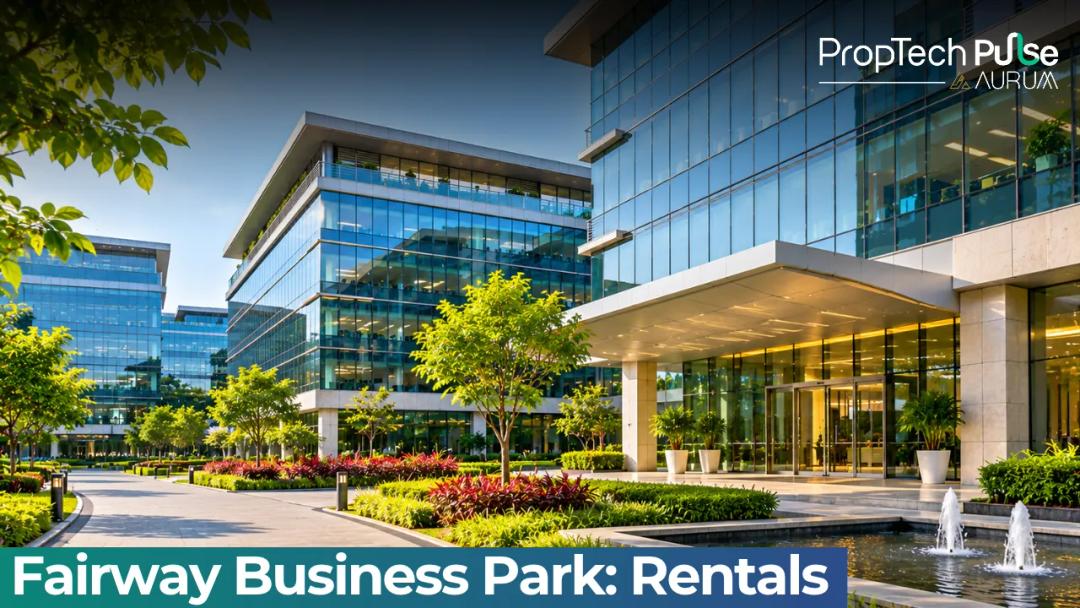
Fairway Business Park Bengaluru: Rentals, Tenants & Leasing
If you're leasing central Bengaluru for a team scaling past 150 people, The Fairway Business Park usually makes the shortlist. It beats distant hubs like Whitefield or Electronic City on paper. It sits in one of the few remaining prime nodes within easy reach of Old Airport Road and Domlur. Directory listings rarely tell you what actually matters when you sign. They skip the true monthly outgo and the real rent per square foot versus older parks. Worse, they hide how your employees might get stuck in traffic long enough to miss standups. This guide cuts through the noise. It gives you the confirmed specs, current rental benchmarks for the corridor, a transparent breakdown of occupancy costs, and the actual lease mechanics brokers don't always spell out upfront. In this guide Overview & Address Specs, Floor Plates & Verified Tenants Rental Benchmarks & True Occupancy Costs On-Ground Experience: Amenities & Traffic How to Lease Space & Brokerage Norms Next Steps Before You Sign Frequently asked questions The Fairway Business Park: Quick Overview & Address Quick answer The fairway business park address is #11, HAL II Stage, Domlur Industrial Area, Bengaluru 560008. Developed by AB&T Lifestyle Spaces LLC, this Grade A commercial park sits roughly 2 kilometres west of Embassy Golf Links Business Park Challaghatta. It offers approximately 3,20,000 sq.ft. of leasable area across two towers, with floor plates ranging between 27,000 and 31,000 sq.ft., catering to mid-market tech firms, professional services, and fintech teams. Exact Address & Connectivity to embassy golf links business park challaghatta The physical location is straightforward, but understanding how it anchors to the wider corporate cluster matters for vendor access and daily commute logistics. The park sits off the second stage of Hal, just past the Domlur flyover junction. This places it firmly inside the established Central Bengaluru Grade A ring rather than on a peripheral spur. Employees using public transit typically head to the Indiranagar Purple Line stations. These lie about 5.5 to 6 km away depending on your exit. BMRC route maps confirm this radius. Ground-level flow relies on the Domlur flyover approach and local KSRTC buses threading through the Intermediate Ring Road. Morning peaks consistently bottleneck at the flyover merge. Add five to eight minutes to shuttle van arrivals during rush hour. Parking policy here runs tighter than newer greenfield developments. Drop-off zones are strictly enforced, which keeps the perimeter orderly but requires precise timing for client visits. Specs, Floor Plates & Verified Tenants Development timeline & building configuration The architectural layout typically reads as two basement levels, ground floor, and eight commercial stories. Individual floor plates hover between 27,000 and 31,000 sq.ft. Developers designed this dimension for teams preferring a single-floor footprint. It retains adequate column spacing and ceiling heights. Public catalogs frequently alternate between 2016, 2018, and 2019. Cross-referencing completion years requires matching BBMP records against the original K-RERA sanction filing. The reality reflects phased rollouts: structural work concluded around 2016, while exterior polishing and facility commissioning stretched into early 2019. Lessees verifying tenure should request the Occupancy Certificate directly from park administration rather than trusting marketing PDF dates. Confirm the promoter is AB&T Lifestyle Spaces LLC and cross-reference the project ID in the Karnataka regulator database. Review the broader regulatory framework using a Karnataka RERA project verification guide. Run a comprehensive property due diligence india checklist before advancing token money. The fairway business park companies list The occupier profile leans toward professional services, BPO/KPO operations, and digital-first enterprises. This mix avoids capital-heavy hardware labs or pure-play SaaS campuses demanding bespoke infrastructure. Current verified occupants include PwC, Yahoo, Goldman Sachs, Jana Small Finance Bank, BigBasket, Lam Research, and SGSS. That spread reduces concentration risk if one sector faces cyclical headwinds. It also stabilises the ground-floor retail strip, keeping cafés operational well into the evening shift. Facility managers adjust security rosters and lift maintenance windows accordingly. Rental Benchmarks & True Occupancy Costs The fairway business park office space: base rent vs CAM, parking & deposit Corporate real estate planners routinely overpay by overlooking recoveries. Grade A assets in this corridor currently command a base rent band of ₹45 to ₹65 per sq.ft. per month. This scales by floor level, lift proximity, and existing fixtures like glass partitions. Common Area Maintenance charges average ₹8 to ₹12 per sq.ft. monthly. This funds central chilled water plants, lobby janitorial services, common area UPS backup, and regulated waste removal. Basement or podium-level allocations sometimes bundle parking quotas, whereas upper-floor units face per-slot fees. Monthly occupancy costs for a 10,000 sq.ft. unit at ₹55/sq.ft. base rent Component Cost (₹ per month) Base rent (₹55/sq.ft.) 5,50,000 CAM charges (est. ₹9/sq.ft.) 90,000 Electricity (variable, grid dependent) Est. 45,000–60,000 Security deposit (7 months × base+CAM) 44,80,000 (one-time) Total fixed monthly outgo (excl. electricity & deposit) 6,40,000 Lease clause warning Lock the initial CAM rate for at least 24 months. Most operators index recoveries at 5 to 8 percent annually, and compounding increases can quietly erode a flat budget by year three. Landlords generally demand security deposits equal to six to nine months of combined base and CAM values. Brokerage norms in Bengaluru's commercial segment typically require the incoming tenant to pay one month's base rent upon execution. Always clarify agency commissions during the first call; ambiguous fee structures create settlement delays once the deal reaches the payment stage. On-Ground Experience: Amenities, Traffic & Limitations Grade A standards here prioritise operational resilience over aesthetic flourishes. Expected inclusions feature dual utility feeds and fire suppression systems compliant with NFPA guidelines. High-speed freight and passenger lifts run alongside 24/7 recording-enabled CCTV networks. Podium or terrace levels provide breakout zones, though floorplates generally optimise for dense desk layouts. Employee feedback consistently flags the Domlur flyover crawl between 8.30 am and 9.30 am as the primary friction point. Shuttle routes that seem short on paper lose four to six minutes stacking at the junction. Canteen viability fluctuates with quarterly tenant churn. Delivery-only kitchens occasionally pause service during bulk move-ins, forcing facilities teams to arrange temporary standing-order meals from nearby cloud kitchens. Verify transformer capacity, borewell yield, and NOC documentation before handing over the lease application. How to Lease Space & Brokerage Norms Securing inventory follows standard commercial workflow but demands tight contract wording. Initial engagement happens through licensed brokers or park sales desks. Site inspections require booked time slots. Unannounced arrivals bypass security checkpoints without facility team approval. Post-selection, negotiations centre on free-fit-out windows (usually 30 to 45 days), annual escalation caps, subletting permissions, and load-extension pricing for additional kW draws. Tripartite agreements signed at the sub-registrar office carry stamp duty calculated on the annualised rent value. Retain stamped copies of all brokerage receipts and insist on a management endorsement letter confirming park approval of your tenancy. Next Steps Before You Sign Walk away if the fully loaded per-square-foot cost exceeds your benchmark by more than 8%. Do so unless the new space brings measurable amenity improvements. Verify elevator wait times and shuttle drop-off clearance at 9 am peak before accepting the floorplan. Frequently asked questions What is the rental rate for offices at The Fairway Business Park? Base rents generally land between ₹45 and ₹65 per sq.ft. per month, depending on floor level and existing fit-outs. This figure excludes Common Area Maintenance charges, which typically add another ₹8 to ₹12 per sq.ft. monthly. Higher floors or units with premium glass façades usually trend toward the top of that band. Who are the major tenants in The Fairway Business Park? The park hosts a mixed roster spanning professional services, financial institutions, and digital enterprises. Confirmed occupants include PwC, Yahoo, Goldman Sachs, Jana Small Finance Bank, BigBasket, Lam Research, and SGSS. This blend sustains consistent footfall throughout business hours rather than spiking only during typical office hours. Is The Fairway Business Park near a metro station? The nearest rail hub is the Indiranagar Metro station on the Purple Line, situated roughly 5.5 to 6 km away depending on your preferred exit. Direct shuttle services usually cover this radius, but the distance makes standalone cycle commuting impractical for most staff unless they reside in nearby Hal or Domlur pockets. What is the security deposit and CAM charge for office space here? Security deposits typically require six to nine months of combined base rent and CAM amounts. Common Area Maintenance fees average ₹8 to ₹12 per sq.ft. monthly, covering lobby upkeep, common area power backup, and landscaping. These CAM rates usually escalate by 5 to 8 percent annually, so factor that increase into your two-year cash flow projections. How large are the available floor plates? Individual floor plates generally range from 27,000 to 31,000 sq.ft., offering flexibility for teams seeking single-floor footprints. Developers designed these dimensions to balance open-desk density with core columns and lift lobbies. Subdividing a whole floor down to 10,000 sq.ft. is feasible but may impact natural light penetration depending on the unit's position relative to window façades. Sources Bengaluru Metropolitan Transport Corporation: Route mapping and station locations for Indiranagar Purple Line connectivity (accessed November 2026) www.bmrc.co.in Enjoyed this blog article? Visit PropTech Pulse for more interesting blogs.

PropTech Pulse Editorial
18th November 2026
Uncategorized
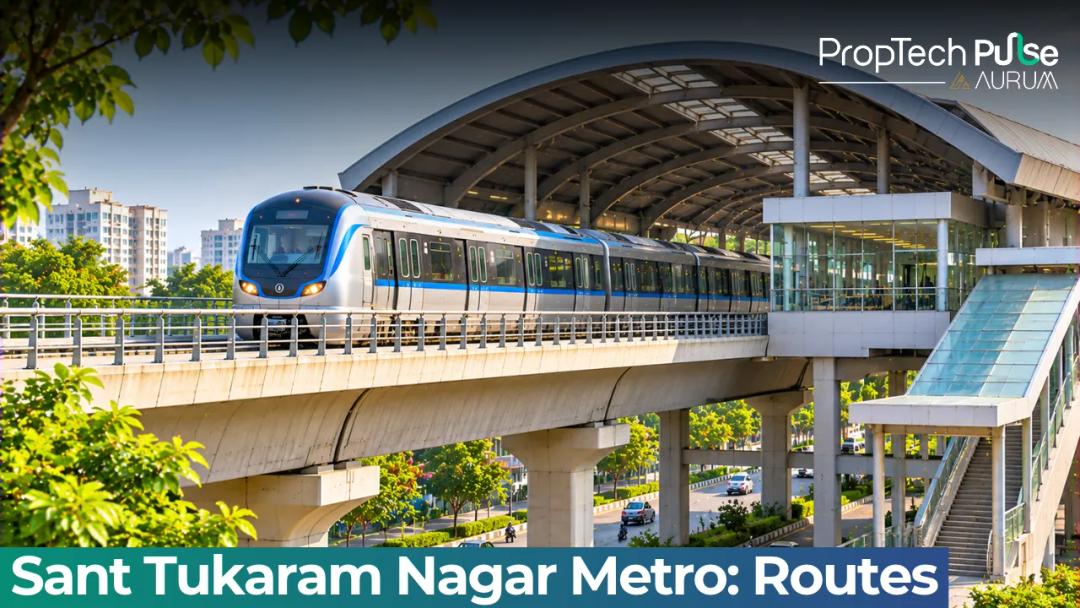
Sant Tukaram Nagar Metro Station: Routes, Timings & Links
Commuting between Pimpri-Chinchwad and central Pune has become straightforward thanks to the Purple Line of Pune Metro. At its heart sits the Sant Tukaram Nagar metro station, which connects industrial workers in Dehugaon, Vadgaon, and Talegaon with commercial hubs and administrative offices in Swargate. For renters and buyers evaluating this node, knowing the exact platform setup, reliable arrival windows, and last-mile transport options matters far more than generic area guides. In this guide Location and Access Platform Layout and Directions Timings and Fares Connectivity and Nearby Residential Areas Real Estate Impact and Living Near the Purple Line Before You Choose This Location Frequently asked questions Location and Access Quick answer Sant Tukaram Nagar metro station is an elevated Purple Line stop on the Old Mumbai-Pune Highway. It provides direct links to Swargate Railway Station and lacks dedicated parking inside the premises. The station occupies a strategic stretch along the Old Mumbai-Pune Highway, sitting adjacent to the state inter-city bus terminal. Commuters calling the area by Sant Tukaram Nagar usually park their bikes or catch a bus from the terminal before stepping onto the metro floor. The road network here handles heavy two-wheeler traffic during rush hours. This makes walking distances from surrounding pockets like Vallabh Nagar slightly longer than they appear on flat maps. Accessibility ramps and elevators are positioned near the main stairwells, ensuring smooth passage for wheelchair users and travelers carrying heavy luggage. Security screening happens before entering the paid zone. Staff conduct routine bag checks at automated gates, so keep bags open and avoid prohibited items to speed up the morning queue. Foot traffic thickens rapidly once school and factory shifts overlap. Local residents navigate a tangle of smaller lanes branching off the main highway. If you walk from the southern edge of Dehugaon, expect to cross the busy Old Mumbai-Pune Highway footpath. The ramp to the upper concourse is not always sheltered from sun or rain, so carry a light cover if you walk across during the monsoon months. Platform Layout and Directions This is an elevated structure built with two separate side platforms. Passengers often board the wrong train simply because announcements get lost in the background noise. Understanding which side takes you where saves time every single day. Side platform directions at Sant Tukaram Nagar metro station Platform Destination Direction Key Interchanges Platform 1 Swargate / Civil Court Pune Junction Railway Station Platform 2 PCMC Bhavan Industrial corridors in Wagle Nagar Always check the digital display boards above the stairs before crossing the foot-over bridge. A single missed transfer can add twenty minutes to your commute. Exit turnstiles sit near the top of each platform staircase, allowing quick movement back to ground level without navigating crowded concourses. Waiting areas on the platforms have basic seating, but they fill up quickly between 08:00 AM and 09:30 AM. Factory supervisors sometimes wait here for their entire shift crews, turning a quiet spot into a packed corridor. Stand clear of the yellow tactile strips near the edge, especially when trains arrive late afternoon and brake squeals get louder. The internal signage uses colour-coded lines matching the wider network map. Look for the purple band above each exit route to confirm you are facing the right direction. Customer care counters located midway down the concourse handle recharge disputes and lost card queries faster than waiting on phone helplines. Timings and Fares Metro operations begin shortly after dawn, providing early shifts in nearby factories and warehouses a reliable lift. Evening services wrap up late enough to accommodate office workers returning from Swargate. Trains run at steady intervals throughout the working week. Frequency tightens noticeably between 08:00 AM and 10:00 AM when passenger volume peaks. Holiday schedules sometimes see reduced frequency on non-working days, but emergency shuttle services often cover critical gaps. Fares scale with distance traveled. A short hop to a nearby stop starts at ₹10, while journeys stretching toward the southern terminus cross into higher brackets. Digital wallets and contactless cards process entry and exit quickly, cutting down queue lengths compared to counter queues. Last-mile warning Dedicated vehicle parking exists nowhere near the station entrances. Relying on auto-rickshaws from the Vallabh Nagar Bus Stand or hopping onto PMPML buses heading toward Swargate works best for daily commuters who travel from outlying villages. Commuters arriving by private vehicles should plan alternative drop-off points a few streets away. Complete the final leg via auto-rickshaws standing at designated ranks, or board municipal buses bound for the CBD directly. Parking enforcement officers patrol the immediate periphery closely during peak office hours. Towing risks outweigh any convenience gained by dropping passengers right at the gate. Connectivity and Nearby Residential Areas Living close to transit hubs changes daily habits for tenants and owners alike. Communities spread across Sant Tukaram Road benefit from reduced weekly fuel spending and fewer traffic headaches. Affordable rental flats in Pimpri-Chinchwad cluster tightly within a kilometer of the platform, keeping walkability high for young professionals. Older low-rise structures dominate these immediate blocks, offering compact studios aimed at single workers. Families looking for slightly wider plots often move toward New Sangavi, where larger apartments sit closer to parks and still maintain quick rail access. The transition toward newer mid-rise complexes in nearby wards shows developers adjusting layouts to appeal directly to transit-dependent households. The highway itself acts as a loud barrier for ground-floor units. Soundproof double-glazed windows are standard in modern builds facing the Old Mumbai-Pune Highway. Properties backing onto smaller internal streets retain quietness while staying just five minutes away from the metro stairs on foot. Landlords price these inner-street rooms lower despite equal access, creating good value for long-term leases. How does proximity to a metro station affect apartment pricing? Proximity typically lifts baseline rents by a solid margin, since landlords price in guaranteed commute reliability. Buyers should verify whether the quoted premium covers actual walking distance or merely a vague radius. Always measure the route on foot during rush hour before signing papers. Street vendors lining the approach roads create bottlenecks in August, slowing pedestrian flow even if your building is technically next door. Real Estate Impact and Living Near the Purple Line Property values near Purple Line stations shifted dramatically after Phase 1 opened. Rentals spiked first, followed by resale prices creeping up in established colonies. Plots originally valued purely for industrial zoning now command a transit premium, particularly in pockets bordering Chakan and Wanowrie. Investors buying ahead of upcoming interchange stations often secure higher appreciation later. Sant Tukaram Nagar metro station already enjoys mature connectivity, so riders boarding here today face consistent crowd levels. Builders launching fresh towers target blue-collar workers needing cheap rent, alongside salaried employees wanting quick office commutes. Expect a mix of 1 BHK micro-units and larger 3 BHK family floors in single societies. Society committees manage water supply issues carefully, pooling resources to install overhead tanks because municipal pressure dips during summer months. Watch for maintenance fees that exceed average society standards. Elevator upkeep and security staffing add up fast near busy nodes. Infrastructure strain keeps pace with population growth. PMPML buses feeding the station grow overcrowded earlier than usual, forcing commuters to rely on shared autos. Water tankers arrive frequently to supplement supply for nearby high-rises. Municipal authorities occasionally delay waste collection due to narrow approach roads clogged by delivery vans. These everyday friction points matter more than glossy brochures when judging livability. Before You Choose This Location Use this decision rule when weighing rentals against purchases. If your job sits inside the industrial belt running from Chakan to Wagle Nagar, staying south of the station maximizes work hours. Target employers clustered in Swargate or Shivajinagar? Book accommodation north of the station to avoid crossing city choke points during peak windows. Either way, confirm the exact street exit that drops you nearest to your starting point before accepting keys. Check local market rates every quarter. Sudden policy shifts regarding land use or water supply can alter value trajectories overnight. Watch for encroachment notices affecting shop fronts or parking patches. Municipal corporations regularly clear roadside obstructions, altering the visual landscape around society entrances. Negotiate lease terms specifically covering maintenance delays caused by civic work, because broken promises on infrastructure upgrades rarely get fixed voluntarily. Frequently asked questions On which line is the Sant Tukaram Nagar metro station located? It sits directly on the Purple Line of Pune Metro, which spans the full North-South corridor running between PCMC Bhavan and Swargate. Riders transferring from older networks usually connect at Civil Court interchange, where Purple Line trains meet regional routes heading toward central Pune neighborhoods. What are the timing and first train hours? Service begins shortly after dawn each weekday, giving factory and warehouse employees a dependable ride before shift start times. Evening departures continue well past sunset, covering staff returning from downtown offices. Trains maintain regular spacing throughout the afternoon, though headways shorten slightly during morning peak waves. Does Sant Tukaram Nagar metro have parking? The operator has not allocated dedicated car or bike parking zones immediately surrounding the entrance gates. Commuters arriving by private vehicles should plan alternative drop-off points a few streets away. Complete the final leg via auto-rickshaws standing at designated ranks, or board municipal buses bound for the CBD directly. How long does it take to reach Swargate from Sant Tukaram Nagar? A direct ride from this platform down to Swargate covers roughly ten stops and typically consumes eighteen to twenty-two minutes, depending on dwell times at intermediate halts. Scheduling buffer remains wise given unexpected congestion on connecting roads once passengers disembark near major railway terminals. Which nearby areas does the Sant Tukaram Nagar metro serve? The rail node pulls riders from several residential clusters along the Old Mumbai-Pune Highway, notably Vallabh Nagar and pockets stretching toward Sukhwani Complex. These communities feed heavily into the station due to their concentration of budget-friendly rental stock and easy highway access, keeping footfall consistently high on weekdays. Sources Mumbai Metropolitan Region Development Authority Metro Rail Limited (MMRCL): Passenger information updates and station infrastructure details (accessed November 2026) Enjoyed this blog article? Visit PropTech Pulse for more interesting blogs.
PropTech Pulse Editorial
18th November 2026

Uncategorized
Top MNC Companies in Bangalore 2026: Offices & Jobs Guide
Bangalore acts as a network of demand generators. Every major MNC office corridor dictates where rentals spike. It also shows where commercial developers break ground and which residential pockets offer steady capital growth. Understanding the top MNC companies in Bangalore goes beyond looking at corporate logos on a skyline. You need to map those employers to specific micro-markets. Smart investors use that data to time purchases, whether hunting for high-yield PGs near Whitefield or evaluating pre-launch projects along the ORR. We cover the definitive list of companies in Bangalore dominating commercial leasing today. Next, we explain what an MNC company means regarding India's Global Capability Centres. Finally, we break down how their payroll footprints shape real estate pricing across the city. In this guide What an MNC Company Means in India’s Digital Economy Top MNC Companies in Bangalore: The Definitive List Mapping the Corridors: Where the Top MNC Companies in Bangalore Operate Comparing Metro Hubs: MNC Companies in Bangalore vs Other Cities The GCC Boom and Its Ripple Effect on Local Property Markets From Paychecks to Rentals: Who Lives Near These Offices? How MNC Presence Influences Grade A Office Absorption Before You Book or Invest Frequently asked questions What an MNC Company Means in India’s Digital Economy Quick answer An MNC company in India refers to global businesses operating local capabilities. In Bangalore, this translates to GCCs—autonomous centres handling engineering, AI, and finance which create stable, long-term rental demand and direct commercial absorption far beyond traditional sales offices. An MNC company runs global operations through localized branches instead of simple sales desks. In Bangalore, this definition has shifted sharply toward the Global Capability Centre model. GCCs now handle product development, data analytics, and global customer success. Real estate investors care about this shift because GCC employees stay longer, driving stable rental yields that support premium commercial rents over long tenancies. To see which real estate players are actively tracking this GCC expansion, check our top 10 real estate companies in Bangalore you should know. Top MNC Companies in Bangalore: The Definitive List The tech sector dominates the list of companies in Bangalore. Finance, consulting, and manufacturing subsidiaries form a dense ecosystem outside the IT corridors. We grouped them by sector so you can spot which ones anchor your target locality. Technology & Cloud Giants Amazon operates one of the largest campuses in Devanahalli. Its India headquarters scales to house thousands of engineers and supply chain specialists. Google maintains heavy research and cloud engineering units in Whitefield and Electronic City. Those facilities focus heavily on enterprise infrastructure. Microsoft has expanded rapidly in Sarjapur Road. The company integrates deeply into Bangalore's startup fabric while leasing massive spaces for Azure and security operations. Intel's design centre in Doddakallasandra processes semiconductor software. It acts as an anchor for high-cost surrounding residential developments. Enterprise Software & Consulting Accenture anchors its technology and consulting services at Manyata Embassy Park. Thousands of professionals commute daily. IBM retains a significant engineering footprint on Outer Ring Road. Legacy systems integration sits alongside newer AI divisions there. SAP leads innovation from Bellandur. Cloud ERP solutions built in that hub serve Fortune 500 clients globally. Cisco Networks operates heavily near Marathahalli Bridge. The team focuses on networking hardware and cybersecurity protocols that keep the city's digital infrastructure running. Global Banking & Professional Services Goldman Sachs runs one of its largest global financial hubs at Helios Business Park. Risk management teams and quantitative analysts fill the sprawling campus. JPMorgan Chase anchors its operations in the central Business District around MG Road. Proximity to the financial ecosystem matters for client-facing banking functions. Deloitte and EY dominate many office parks spanning Hebbal to Hennur Road. Their audit, tax advisory, and transaction services require close collaboration with Mumbai and Delhi counterparts. Domestic Tech Multinationals TCS, Infosys, Wipro, and Mindtree operate as multinational entities despite domestic headquarters. They run global delivery models that compete internationally. TCS and Infosys command vast campuses in Electronic City and Whitefield. Those sites function almost like self-contained townships. They dictate local transport routes and utility demands. Wipro's headquarters in Varthur maintains a continuous lease cycle for satellite offices across the southern suburbs. This segment forms the baseline tenant pool. Occupancy rates stay high even when new international expansions slow down. Mapping the Corridors: Where the Top MNC Companies in Bangalore Operate Identifying the top MNC companies in Bangalore clarifies these salary tiers. Payroll distribution directly sets local rental ceilings. Commercial real estate in Bangalore follows distinct geographic spines. Identifying where these giants cluster reveals exactly where rental premiums will build over the next three to five years. Corporate Mapping Table: Top MNCs, Sectors, and Direct Real Estate Impact Company Sector Primary Office Park or Location Direct Real Estate Impact Cloud & Semiconductor (Amazon, Intel) Devanahalli Airport Road & Doddakallasandra Drives long-term appreciation in emerging peri-urban zones; pulls infrastructure upgrades. Enterprise & Networking (Accenture, Cisco, SAP) Manyata, Marathahalli & Bellandur Sustains premium rental yields for G+2/G+3 independent houses and purpose-built apartments. Finance & Advisory (Goldman Sachs, Deloitte, JP Morgan) Helios Business Park & CBD/MG Road Captures ultra-premium luxury rentals and co-living spaces catering to high-net-worth expats. Legacy IT Giants (TCS, Infosys, Wipro) Electronic City & Whitefield (Sarjapur/ITPL) Massive demand for PG accommodations and micro-studio flats; stabilizes long-term lease markets. Investment Takeaway Match asset class to corridor: Co-living works best near Electronic City; Luxury fits Helios/CBD; Mid-market holds strong along ORR. Outer Ring Road (ORR) & Bellandur Bellandur evolved from a sleepy transit point into the primary node for German engineering firms. Cloud architects followed shortly after. When infrastructure bottlenecks eased, developers immediately broke ground on mixed-use complexes here. Anchor tenants stayed within a five-kilometre radius of their former locations. Rental rates in newly launched projects routinely sit above ₹80 per square foot monthly. That figure reflects the concentration of high-paying roles surrounding this stretch. Track upcoming Purple Line Metro stations. They finally connect this congested belt directly to the south. You can read up on the Purple Line Metro Bangalore stations timings fares to understand future commuter flows. Whitefield & Electronic City This zone remains the undisputed heavyweight for mass hiring. Entry-level and mid-senior engineer headcount peaks here. Demand for affordable rentals, mostly 1 BHKs and PG rooms, stays above 90% occupancy during peak season. Developers often struggle to get approvals quickly enough to match population inflow. Structural undersupply results. Properties situated within walking distance of the Whitefield metro consistently capture higher resale value. Age does little to hurt them. Manyata Embassy Park & Hebbal Hebbal serves as the northern gateway for professional services firms. Companies prefer closer commuter routes to international airports and domestic headquarters. The landscape skews heavily toward Class A office towers backed by luxury retail and premium residential enclaves. Buyers targeting this pocket expect finished interiors, clubhouses, and reliable power backup. This profile matches managers and directors relocating from other metros. Historical performance of properties on feeding roads helps gauge baseline maintenance standards. Modern investors should note those requirements early. Comparing Metro Hubs: MNC Companies in Bangalore vs Other Cities While Bangalore sprawls across disconnected belts driven by corporate campuses, other cities organize foreign firms differently. Look at how the mnc companies in Pune cluster. Pune leans heavily into integrated industrial parks like Hinjawadi IT Park or Eastern Peripheral Expressway nodes. Those hubs bundle employers, retail, and housing into single gated ecosystems. Property acquisition becomes easier. You buy one apartment and get guaranteed foot traffic from adjacent colleagues. Bangalore offers wider separation between clusters. You must commit strictly to the right micro-market early. Cross-town commutes eat into quality of life and rental viability. Regional clusters shape funding patterns differently. See how 100 Japanese companies expanded their GCC presence in India for similar corridor dynamics. The GCC Boom and Its Ripple Effect on Local Property Markets Beyond standard IT services, the explosion of Global Capability Centres introduces fresh variables into the real estate equation. Companies now mandate hybrid working models. Lease requirements include larger common areas, higher bandwidth fibre installations, and dedicated conference facilities. On the residential side, GCC professionals hold graduate degrees and earn salaries well above local averages. They prioritize proximity, security, and community over sheer floor space. Investors should shift focus from traditional family homes toward furnished layouts and shared ownership models. From Paychecks to Rentals: Who Lives Near These Offices? Understanding the top MNC companies in Bangalore clarifies how salary bands determine actual affordability. Fresh graduates entering cloud consultancies typically start between ₹3.5 lakh and ₹6 lakh annually. After deductions and savings targets, allocating ₹15,000 to ₹20,000 monthly leaves them searching outskirts like Varthur or Tumkur Road. Senior lead architects earning ₹18 lakh to ₹24 lakh push comfortably into the ₹55,000 to ₹75,000 bracket. They filter for society-managed apartments with amenities. Overcrowded independent houses fall off their radar. Investors buying to cater to these groups must match exact amenity standards. Vacancy periods drag on past standard buffers when assets miss the mark. Calculate projected returns using the rental yield calculator. How MNC Presence Influences Grade A Office Absorption Every large MNC moving into a new wing absorbs roughly 50,000 to 100,000 square feet instantly. Builders track these lease signings closely. Confirmed anchor tenants trigger financing for the remainder of the tower. Goldman Sachs, Amazon, or Tata Consultancy Systems securing multi-year agreements in Bellandur causes secondary landlords to raise asking rents. Increases typically hit 8% to 12%. Competitors face identical payroll distributions. Absorption waves happen in cycles. Global hiring freezes at Silicon Valley headquarters slow local expansion temporarily. Pre-launch prices dip before recovering. Monitor quarterly commercial vacancy reports to time purchases. Construction permits surge following those dips. Verify true ownership chains through the Bhoomi Karnataka portal before committing capital. Investor Tip Never assume proximity guarantees higher rents. Always confirm the actual walking distance from the property entrance to the nearest metro station or major shuttle pickup point, as last-mile friction destroys tenant retention faster than price alone. Before You Book or Invest Never rely solely on brochure promises when evaluating a new project near an emerging MNC campus. Confirm active lease signatures with those firms through public announcements or commercial broker networks. Verify that the proposed road widening or metro extension has received final government sanctions, not just preliminary budget allocations. Run the projected rental income against realistic vacancy percentages for that specific locality rather than applying blanket assumptions drawn from mature markets. Frequently asked questions What is the difference between a GCC and an MNC office in Bangalore? A traditional MNC office mostly handles regional sales, marketing, and local compliance. A Global Capability Centre (GCC) operates as an autonomous innovation engine, hosting product engineering, data science, and global customer success functions. GCCs bring higher-paying technical talent to Bangalore, leading to longer tenure, stronger rental stability, and greater demand for premium amenities compared to standard branch setups. Which area in Bangalore has the most MNC offices? The Outer Ring Road (ORR) belt stretching from Hebbal to Doddakallasandra currently hosts the highest concentration of large-scale foreign corporate campuses. Whitefield and Electronic City also rank extremely high due to decades-old IT service dominance. Newer expansions are pushing further toward Devanahalli and South Bangalore, but ORR remains the undisputed epicentre for multinational engineering and consulting employment. How do MNC jobs affect Bangalore's rental market? MNC employment injects sustained purchasing power into local neighbourhoods, preventing the deep vacancy troughs typical of oversaturated markets. High-income roles drive specialized segments like co-living and fully-furnished apartments, forcing landlords to upgrade units to compete. Stable multi-year leases signed by corporations translate directly into predictable cash flows for investors who align their assets with actual employee commuting distances. Are there any upcoming office parks for MNCs in Bangalore? Planned expansions increasingly target peripheral economic corridors supported by rapid transit, especially the Purple Line and East-West Metro alignments. Developers are reserving massive tracts in North Bangalore near Kempegowda International Airport and South Bangalore near Hosur Road for next-generation Grade A towers. Municipal authorities frequently fast-track zoning changes in these transition zones to accommodate anticipated corporate migration waves. Sources Reserve Bank of India (RBI): Guidelines on real estate credit exposure and commercial lending trends influencing property valuations (accessed November 2026). Enjoyed this blog article? Visit PropTech Pulse for more interesting blogs.
PropTech Pulse Editorial
18th November 2026
Uncategorized
Fairway Business Park Bengaluru: Rentals, Tenants & Leasing
If you're leasing central Bengaluru for a team scaling past 150 people, The Fairway Business Park usually makes the shortlist. It beats distant hubs like Whitefield or Electronic City on paper. It sits in one of the few remaining prime nodes within easy reach of Old Airport Road and Domlur. Directory listings rarely tell you what actually matters when you sign. They skip the true monthly outgo and the real rent per square foot versus older parks. Worse, they hide how your employees might get stuck in traffic long enough to miss standups. This guide cuts through the noise. It gives you the confirmed specs, current rental benchmarks for the corridor, a transparent breakdown of occupancy costs, and the actual lease mechanics brokers don't always spell out upfront. In this guide Overview & Address Specs, Floor Plates & Verified Tenants Rental Benchmarks & True Occupancy Costs On-Ground Experience: Amenities & Traffic How to Lease Space & Brokerage Norms Next Steps Before You Sign Frequently asked questions The Fairway Business Park: Quick Overview & Address Quick answer The fairway business park address is #11, HAL II Stage, Domlur Industrial Area, Bengaluru 560008. Developed by AB&T Lifestyle Spaces LLC, this Grade A commercial park sits roughly 2 kilometres west of Embassy Golf Links Business Park Challaghatta. It offers approximately 3,20,000 sq.ft. of leasable area across two towers, with floor plates ranging between 27,000 and 31,000 sq.ft., catering to mid-market tech firms, professional services, and fintech teams. Exact Address & Connectivity to embassy golf links business park challaghatta The physical location is straightforward, but understanding how it anchors to the wider corporate cluster matters for vendor access and daily commute logistics. The park sits off the second stage of Hal, just past the Domlur flyover junction. This places it firmly inside the established Central Bengaluru Grade A ring rather than on a peripheral spur. Employees using public transit typically head to the Indiranagar Purple Line stations. These lie about 5.5 to 6 km away depending on your exit. BMRC route maps confirm this radius. Ground-level flow relies on the Domlur flyover approach and local KSRTC buses threading through the Intermediate Ring Road. Morning peaks consistently bottleneck at the flyover merge. Add five to eight minutes to shuttle van arrivals during rush hour. Parking policy here runs tighter than newer greenfield developments. Drop-off zones are strictly enforced, which keeps the perimeter orderly but requires precise timing for client visits. Specs, Floor Plates & Verified Tenants Development timeline & building configuration The architectural layout typically reads as two basement levels, ground floor, and eight commercial stories. Individual floor plates hover between 27,000 and 31,000 sq.ft. Developers designed this dimension for teams preferring a single-floor footprint. It retains adequate column spacing and ceiling heights. Public catalogs frequently alternate between 2016, 2018, and 2019. Cross-referencing completion years requires matching BBMP records against the original K-RERA sanction filing. The reality reflects phased rollouts: structural work concluded around 2016, while exterior polishing and facility commissioning stretched into early 2019. Lessees verifying tenure should request the Occupancy Certificate directly from park administration rather than trusting marketing PDF dates. Confirm the promoter is AB&T Lifestyle Spaces LLC and cross-reference the project ID in the Karnataka regulator database. Review the broader regulatory framework using a Karnataka RERA project verification guide. Run a comprehensive property due diligence india checklist before advancing token money. The fairway business park companies list The occupier profile leans toward professional services, BPO/KPO operations, and digital-first enterprises. This mix avoids capital-heavy hardware labs or pure-play SaaS campuses demanding bespoke infrastructure. Current verified occupants include PwC, Yahoo, Goldman Sachs, Jana Small Finance Bank, BigBasket, Lam Research, and SGSS. That spread reduces concentration risk if one sector faces cyclical headwinds. It also stabilises the ground-floor retail strip, keeping cafés operational well into the evening shift. Facility managers adjust security rosters and lift maintenance windows accordingly. Rental Benchmarks & True Occupancy Costs The fairway business park office space: base rent vs CAM, parking & deposit Corporate real estate planners routinely overpay by overlooking recoveries. Grade A assets in this corridor currently command a base rent band of ₹45 to ₹65 per sq.ft. per month. This scales by floor level, lift proximity, and existing fixtures like glass partitions. Common Area Maintenance charges average ₹8 to ₹12 per sq.ft. monthly. This funds central chilled water plants, lobby janitorial services, common area UPS backup, and regulated waste removal. Basement or podium-level allocations sometimes bundle parking quotas, whereas upper-floor units face per-slot fees. Monthly occupancy costs for a 10,000 sq.ft. unit at ₹55/sq.ft. base rent Component Cost (₹ per month) Base rent (₹55/sq.ft.) 5,50,000 CAM charges (est. ₹9/sq.ft.) 90,000 Electricity (variable, grid dependent) Est. 45,000–60,000 Security deposit (7 months × base+CAM) 44,80,000 (one-time) Total fixed monthly outgo (excl. electricity & deposit) 6,40,000 Lease clause warning Lock the initial CAM rate for at least 24 months. Most operators index recoveries at 5 to 8 percent annually, and compounding increases can quietly erode a flat budget by year three. Landlords generally demand security deposits equal to six to nine months of combined base and CAM values. Brokerage norms in Bengaluru's commercial segment typically require the incoming tenant to pay one month's base rent upon execution. Always clarify agency commissions during the first call; ambiguous fee structures create settlement delays once the deal reaches the payment stage. On-Ground Experience: Amenities, Traffic & Limitations Grade A standards here prioritise operational resilience over aesthetic flourishes. Expected inclusions feature dual utility feeds and fire suppression systems compliant with NFPA guidelines. High-speed freight and passenger lifts run alongside 24/7 recording-enabled CCTV networks. Podium or terrace levels provide breakout zones, though floorplates generally optimise for dense desk layouts. Employee feedback consistently flags the Domlur flyover crawl between 8.30 am and 9.30 am as the primary friction point. Shuttle routes that seem short on paper lose four to six minutes stacking at the junction. Canteen viability fluctuates with quarterly tenant churn. Delivery-only kitchens occasionally pause service during bulk move-ins, forcing facilities teams to arrange temporary standing-order meals from nearby cloud kitchens. Verify transformer capacity, borewell yield, and NOC documentation before handing over the lease application. How to Lease Space & Brokerage Norms Securing inventory follows standard commercial workflow but demands tight contract wording. Initial engagement happens through licensed brokers or park sales desks. Site inspections require booked time slots. Unannounced arrivals bypass security checkpoints without facility team approval. Post-selection, negotiations centre on free-fit-out windows (usually 30 to 45 days), annual escalation caps, subletting permissions, and load-extension pricing for additional kW draws. Tripartite agreements signed at the sub-registrar office carry stamp duty calculated on the annualised rent value. Retain stamped copies of all brokerage receipts and insist on a management endorsement letter confirming park approval of your tenancy. Next Steps Before You Sign Walk away if the fully loaded per-square-foot cost exceeds your benchmark by more than 8%. Do so unless the new space brings measurable amenity improvements. Verify elevator wait times and shuttle drop-off clearance at 9 am peak before accepting the floorplan. Frequently asked questions What is the rental rate for offices at The Fairway Business Park? Base rents generally land between ₹45 and ₹65 per sq.ft. per month, depending on floor level and existing fit-outs. This figure excludes Common Area Maintenance charges, which typically add another ₹8 to ₹12 per sq.ft. monthly. Higher floors or units with premium glass façades usually trend toward the top of that band. Who are the major tenants in The Fairway Business Park? The park hosts a mixed roster spanning professional services, financial institutions, and digital enterprises. Confirmed occupants include PwC, Yahoo, Goldman Sachs, Jana Small Finance Bank, BigBasket, Lam Research, and SGSS. This blend sustains consistent footfall throughout business hours rather than spiking only during typical office hours. Is The Fairway Business Park near a metro station? The nearest rail hub is the Indiranagar Metro station on the Purple Line, situated roughly 5.5 to 6 km away depending on your preferred exit. Direct shuttle services usually cover this radius, but the distance makes standalone cycle commuting impractical for most staff unless they reside in nearby Hal or Domlur pockets. What is the security deposit and CAM charge for office space here? Security deposits typically require six to nine months of combined base rent and CAM amounts. Common Area Maintenance fees average ₹8 to ₹12 per sq.ft. monthly, covering lobby upkeep, common area power backup, and landscaping. These CAM rates usually escalate by 5 to 8 percent annually, so factor that increase into your two-year cash flow projections. How large are the available floor plates? Individual floor plates generally range from 27,000 to 31,000 sq.ft., offering flexibility for teams seeking single-floor footprints. Developers designed these dimensions to balance open-desk density with core columns and lift lobbies. Subdividing a whole floor down to 10,000 sq.ft. is feasible but may impact natural light penetration depending on the unit's position relative to window façades. Sources Bengaluru Metropolitan Transport Corporation: Route mapping and station locations for Indiranagar Purple Line connectivity (accessed November 2026) www.bmrc.co.in Enjoyed this blog article? Visit PropTech Pulse for more interesting blogs.
PropTech Pulse Editorial
18th November 2026
Uncategorized
Sant Tukaram Nagar Metro Station: Routes, Timings & Links
Commuting between Pimpri-Chinchwad and central Pune has become straightforward thanks to the Purple Line of Pune Metro. At its heart sits the Sant Tukaram Nagar metro station, which connects industrial workers in Dehugaon, Vadgaon, and Talegaon with commercial hubs and administrative offices in Swargate. For renters and buyers evaluating this node, knowing the exact platform setup, reliable arrival windows, and last-mile transport options matters far more than generic area guides. In this guide Location and Access Platform Layout and Directions Timings and Fares Connectivity and Nearby Residential Areas Real Estate Impact and Living Near the Purple Line Before You Choose This Location Frequently asked questions Location and Access Quick answer Sant Tukaram Nagar metro station is an elevated Purple Line stop on the Old Mumbai-Pune Highway. It provides direct links to Swargate Railway Station and lacks dedicated parking inside the premises. The station occupies a strategic stretch along the Old Mumbai-Pune Highway, sitting adjacent to the state inter-city bus terminal. Commuters calling the area by Sant Tukaram Nagar usually park their bikes or catch a bus from the terminal before stepping onto the metro floor. The road network here handles heavy two-wheeler traffic during rush hours. This makes walking distances from surrounding pockets like Vallabh Nagar slightly longer than they appear on flat maps. Accessibility ramps and elevators are positioned near the main stairwells, ensuring smooth passage for wheelchair users and travelers carrying heavy luggage. Security screening happens before entering the paid zone. Staff conduct routine bag checks at automated gates, so keep bags open and avoid prohibited items to speed up the morning queue. Foot traffic thickens rapidly once school and factory shifts overlap. Local residents navigate a tangle of smaller lanes branching off the main highway. If you walk from the southern edge of Dehugaon, expect to cross the busy Old Mumbai-Pune Highway footpath. The ramp to the upper concourse is not always sheltered from sun or rain, so carry a light cover if you walk across during the monsoon months. Platform Layout and Directions This is an elevated structure built with two separate side platforms. Passengers often board the wrong train simply because announcements get lost in the background noise. Understanding which side takes you where saves time every single day. Side platform directions at Sant Tukaram Nagar metro station Platform Destination Direction Key Interchanges Platform 1 Swargate / Civil Court Pune Junction Railway Station Platform 2 PCMC Bhavan Industrial corridors in Wagle Nagar Always check the digital display boards above the stairs before crossing the foot-over bridge. A single missed transfer can add twenty minutes to your commute. Exit turnstiles sit near the top of each platform staircase, allowing quick movement back to ground level without navigating crowded concourses. Waiting areas on the platforms have basic seating, but they fill up quickly between 08:00 AM and 09:30 AM. Factory supervisors sometimes wait here for their entire shift crews, turning a quiet spot into a packed corridor. Stand clear of the yellow tactile strips near the edge, especially when trains arrive late afternoon and brake squeals get louder. The internal signage uses colour-coded lines matching the wider network map. Look for the purple band above each exit route to confirm you are facing the right direction. Customer care counters located midway down the concourse handle recharge disputes and lost card queries faster than waiting on phone helplines. Timings and Fares Metro operations begin shortly after dawn, providing early shifts in nearby factories and warehouses a reliable lift. Evening services wrap up late enough to accommodate office workers returning from Swargate. Trains run at steady intervals throughout the working week. Frequency tightens noticeably between 08:00 AM and 10:00 AM when passenger volume peaks. Holiday schedules sometimes see reduced frequency on non-working days, but emergency shuttle services often cover critical gaps. Fares scale with distance traveled. A short hop to a nearby stop starts at ₹10, while journeys stretching toward the southern terminus cross into higher brackets. Digital wallets and contactless cards process entry and exit quickly, cutting down queue lengths compared to counter queues. Last-mile warning Dedicated vehicle parking exists nowhere near the station entrances. Relying on auto-rickshaws from the Vallabh Nagar Bus Stand or hopping onto PMPML buses heading toward Swargate works best for daily commuters who travel from outlying villages. Commuters arriving by private vehicles should plan alternative drop-off points a few streets away. Complete the final leg via auto-rickshaws standing at designated ranks, or board municipal buses bound for the CBD directly. Parking enforcement officers patrol the immediate periphery closely during peak office hours. Towing risks outweigh any convenience gained by dropping passengers right at the gate. Connectivity and Nearby Residential Areas Living close to transit hubs changes daily habits for tenants and owners alike. Communities spread across Sant Tukaram Road benefit from reduced weekly fuel spending and fewer traffic headaches. Affordable rental flats in Pimpri-Chinchwad cluster tightly within a kilometer of the platform, keeping walkability high for young professionals. Older low-rise structures dominate these immediate blocks, offering compact studios aimed at single workers. Families looking for slightly wider plots often move toward New Sangavi, where larger apartments sit closer to parks and still maintain quick rail access. The transition toward newer mid-rise complexes in nearby wards shows developers adjusting layouts to appeal directly to transit-dependent households. The highway itself acts as a loud barrier for ground-floor units. Soundproof double-glazed windows are standard in modern builds facing the Old Mumbai-Pune Highway. Properties backing onto smaller internal streets retain quietness while staying just five minutes away from the metro stairs on foot. Landlords price these inner-street rooms lower despite equal access, creating good value for long-term leases. How does proximity to a metro station affect apartment pricing? Proximity typically lifts baseline rents by a solid margin, since landlords price in guaranteed commute reliability. Buyers should verify whether the quoted premium covers actual walking distance or merely a vague radius. Always measure the route on foot during rush hour before signing papers. Street vendors lining the approach roads create bottlenecks in August, slowing pedestrian flow even if your building is technically next door. Real Estate Impact and Living Near the Purple Line Property values near Purple Line stations shifted dramatically after Phase 1 opened. Rentals spiked first, followed by resale prices creeping up in established colonies. Plots originally valued purely for industrial zoning now command a transit premium, particularly in pockets bordering Chakan and Wanowrie. Investors buying ahead of upcoming interchange stations often secure higher appreciation later. Sant Tukaram Nagar metro station already enjoys mature connectivity, so riders boarding here today face consistent crowd levels. Builders launching fresh towers target blue-collar workers needing cheap rent, alongside salaried employees wanting quick office commutes. Expect a mix of 1 BHK micro-units and larger 3 BHK family floors in single societies. Society committees manage water supply issues carefully, pooling resources to install overhead tanks because municipal pressure dips during summer months. Watch for maintenance fees that exceed average society standards. Elevator upkeep and security staffing add up fast near busy nodes. Infrastructure strain keeps pace with population growth. PMPML buses feeding the station grow overcrowded earlier than usual, forcing commuters to rely on shared autos. Water tankers arrive frequently to supplement supply for nearby high-rises. Municipal authorities occasionally delay waste collection due to narrow approach roads clogged by delivery vans. These everyday friction points matter more than glossy brochures when judging livability. Before You Choose This Location Use this decision rule when weighing rentals against purchases. If your job sits inside the industrial belt running from Chakan to Wagle Nagar, staying south of the station maximizes work hours. Target employers clustered in Swargate or Shivajinagar? Book accommodation north of the station to avoid crossing city choke points during peak windows. Either way, confirm the exact street exit that drops you nearest to your starting point before accepting keys. Check local market rates every quarter. Sudden policy shifts regarding land use or water supply can alter value trajectories overnight. Watch for encroachment notices affecting shop fronts or parking patches. Municipal corporations regularly clear roadside obstructions, altering the visual landscape around society entrances. Negotiate lease terms specifically covering maintenance delays caused by civic work, because broken promises on infrastructure upgrades rarely get fixed voluntarily. Frequently asked questions On which line is the Sant Tukaram Nagar metro station located? It sits directly on the Purple Line of Pune Metro, which spans the full North-South corridor running between PCMC Bhavan and Swargate. Riders transferring from older networks usually connect at Civil Court interchange, where Purple Line trains meet regional routes heading toward central Pune neighborhoods. What are the timing and first train hours? Service begins shortly after dawn each weekday, giving factory and warehouse employees a dependable ride before shift start times. Evening departures continue well past sunset, covering staff returning from downtown offices. Trains maintain regular spacing throughout the afternoon, though headways shorten slightly during morning peak waves. Does Sant Tukaram Nagar metro have parking? The operator has not allocated dedicated car or bike parking zones immediately surrounding the entrance gates. Commuters arriving by private vehicles should plan alternative drop-off points a few streets away. Complete the final leg via auto-rickshaws standing at designated ranks, or board municipal buses bound for the CBD directly. How long does it take to reach Swargate from Sant Tukaram Nagar? A direct ride from this platform down to Swargate covers roughly ten stops and typically consumes eighteen to twenty-two minutes, depending on dwell times at intermediate halts. Scheduling buffer remains wise given unexpected congestion on connecting roads once passengers disembark near major railway terminals. Which nearby areas does the Sant Tukaram Nagar metro serve? The rail node pulls riders from several residential clusters along the Old Mumbai-Pune Highway, notably Vallabh Nagar and pockets stretching toward Sukhwani Complex. These communities feed heavily into the station due to their concentration of budget-friendly rental stock and easy highway access, keeping footfall consistently high on weekdays. Sources Mumbai Metropolitan Region Development Authority Metro Rail Limited (MMRCL): Passenger information updates and station infrastructure details (accessed November 2026) Enjoyed this blog article? Visit PropTech Pulse for more interesting blogs.
PropTech Pulse Editorial
18th November 2026

Ask Pulse Ai anything about real estate

Unlock the Latest in Real Estate
News, Infographics, Blogs & More! Delivered to your inbox.

