

©PropTech Pulse 2025, All rights reserved.

Why is a tax audit for property developers important?
A tax audit for property developers is an independent examination of the company's accounts and tax position, required in many cases once turnover passes the limits in the Income-tax Act, and it is important because it checks compliance, supports tax filings, and builds trust with lenders and buyers.
What It Is
- The auditor, a chartered accountant, reviews the books, revenue recognition for projects, GST, TDS, and other tax records, and issues a report that is filed with the tax return, and for developers, issues such as the stage at which income is recognised, the treatment of advances, and the separate RERA project accounts matter, and errors can lead to notices and penalties.
- Limits and rules are set in the law.
How It Works
- Benefits include fewer tax disputes, clean records, better financial control, and readiness for lenders' and investors' due diligence, while poor records can cause penalties, delays in loans, and loss of trust, and buyers and lenders may look at the developer's audited accounts as a sign of financial discipline.
- Audit is separate from RERA audits.
What to Check
- Maintain proper books and project-wise records, reconcile GST and TDS, keep RERA project accounts in order, engage a qualified chartered accountant, file on time, respond to queries promptly, and take advice on the current rules, since tax laws are being revised.
- Check the current thresholds.
Keep clean records, so maintain project-wise books, reconcile GST and TDS, keep RERA project accounts in order, and engage a qualified chartered accountant.
Insight Pulse
Uncategorized
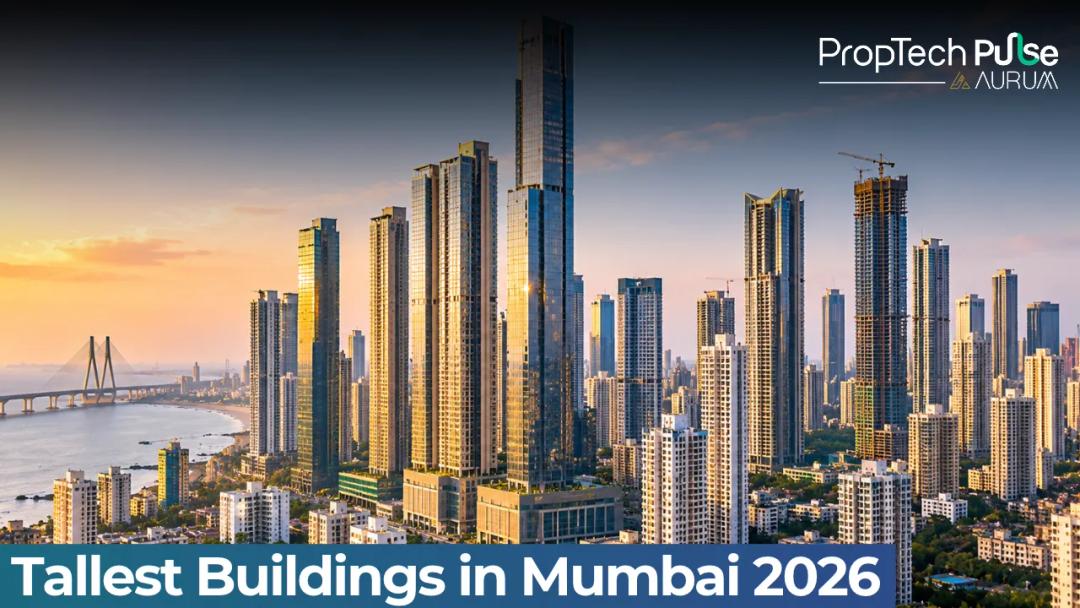
Tallest Building in Mumbai 2026: Complete Ranking List
Thirty-one storeys higher than everything else, Lokhandwala Minerva claims the spot of the tallest building in mumbai at 301 metres. A structure further south, Palais Royale, hits 320 metres but waits on final paperwork. The gap between finishing the slab and handing over the key defines Mumbai's actual market. We separate finished homes from construction milestones. We track where the newest stock stacks up, and explain what those floor counts mean for investors scanning localities like Lower Parel, Worli, and Prabhadevi. In this guide The tallest building in Mumbai at a glance Top 25 tallest buildings in Mumbai (2026 ranking) Highest building in India: Mumbai’s share of the national skyline What “topped out” really means for buyers in Mumbai The tallest tower in mumbai: where the supply is concentrated Frequently asked questions The tallest building in Mumbai at a glance Quick answer Lokhandwala Minerva is the tallest completed residential building in Mumbai at 301 metres across 78 floors. Palais Royale stands at 320 metres but requires full clearance before handing over keys. Investors should verify current occupation certificates via the MahaRERA project portal before booking. Top three tallest residential projects in Mumbai by architectural height, 2026 Project Name Height Floors Locality Legal Status Palais Royale 320 m 84 Worli Topped out; partial OCs issued post-2019 Supreme Court clearance. Full fire NOC pending. Lokhandwala Minerva 301 m 78 Mahalaxmi Completed and legally deliverable. Piramal Aranya Arav 282.2 m 83 Byculla Completed. Top 25 tallest buildings in Mumbai (2026 ranking) The next five entries sit between 270 and 277 metres, dominated by Lodha Group's Lower Parel developments and Wadhwa City's twin wings in Prabhadevi. Wing A of Wadhwa 25 South achieved completion in early 2024, while Wing B enters its final commissioning phase in late 2026. The 260m to 280m corridor Projects ranked 4 to 8 by height and operational status Rank Project Height Floors Locality 4 World One (Lodha) 280.2 m 76 Lower Parel 5 World View (Lodha) 277.6 m 73 Lower Parel 6 Nathani Heights (Phased extensions) 275 m 70+ Santacruz East 7 Lodha Park Adrina 270 m 65 Andheri East 8 Wadhwa 25 South (Wing A) 270 m 65 Prabhadevi The 160m to 250m skyline Beyond the supertall tier, Mumbai transitions into high-density luxury stacks. Projects here range from 60 to 65 floors, often featuring duplex layouts and expansive terraces rather than pure square-footage volume. The following entries round out the top 25, capturing the shift from coastal mega-towers to mid-city premium residences. Projects ranked 9 to 25 by height Rank Project Height Floors Locality 9 Rustomjee Crown 250 m 62 Santacruz West 10 Imperial Tower (Oberoi) 245 m 60 Karunamoyi Road, Lower Parel 11 Oberoi Riverviews 240 m 62 Karunamoyi Road, Lower Parel 12 Lodha Excelus 235 m 60 Goregaon East 13 Adani Habitat 230 m 58 Bandra Kurla Complex 14 Hiranandani Gardens (Multiple phases) 225 m 55 Goregaon West 15 Chitale Bandhu Millennium 220 m 52 Vile Parle West 16 Lodha New Cuffe Parade 215 m 54 Cuffe Parade 17 Pirojsha Nagar Towers (Nesco) 210 m 50 Goregaon East 18 Rae Heritage Avenue 205 m 52 Santacruz East 19 Lodha Palisades 200 m 48 Andheri West 20 Shapoorji Pallonji Skyview 195 m 50 Lower Parel 21 Godrej One 190 m 48 Khar West 22 Ambit Empire 185 m 46 Sion 23 Raheja Vista 180 m 45 Malad West 24 Lodha Mark I 175 m 44 Kalasgar 25 Oberoi Skycrest 170 m 42 Mahim Every entry above meets the Council on Tall Buildings and Urban Habitat definition for residential skyscrapers. Developers count architectural spires and decorative crowns toward total height instead of the highest habitable floor. They use these totals to claim landmark status. Residents experience the top occupied level instead. Note for investors: A building reaching 250 metres typically demands a dedicated helipad and advanced fire suppression systems. These amenities raise maintenance charges but also cap future supply in that micro-market, protecting resale value once the locality matures. Highest building in India: Mumbai’s share of the national skyline Mumbai dominates the conversation around the highest building in india, but the crown shifts depending on whether you measure purely residential towers or include mixed-use commercial structures. Gurgaon and Noida host taller office skyscrapers. Mumbai leads in continuous residential verticality. Noida's Supernova Spira approaches 300 metres with 80 residential floors. It places closest to Minerva's height outside city limits. The highest building in india designation sometimes belongs to commercial hubs like DLF Cybercity or Godrej EcoCity. These serve daytime workforces rather than permanent households. Residential skyscrapers demand different engineering. Thicker floor plates, dedicated backup power for every elevator bank, and water tanks across multiple pressure zones follow. Mumbai's geography forces these exact setups. Coastal land parcels have shrunk below one acre in prime zones. Delhi-NCR relies on wider plots and lower density. Hyderabad and Pune spread outward along metro corridors. Mumbai packs upward. That structural reality makes the highest building in mumbai titles meaningful beyond real estate vanity metrics. They signal where infrastructure investments like Line 3 and the Coastal Road directly impact property accessibility. What “topped out” really means for buyers in Mumbai Reaching the top floor slab does not equal legal ownership of the space below. In Mumbai's strict regulatory environment, a structurally complete tower faces three gatekeepers before handing over keys. Mumbai International Airport sits nearby, so any structure exceeding 230 metres requires height clearance under the Airports Authority of India framework. Developers submit detailed obstruction charts, wait for environmental impact assessments, and often face public hearings that delay clearances by 12 to 18 months. Until that paperwork clears, a building sits in limbo. Walk through show flats if you want. Inspect the marble finishes. Calculate your EMI. The sale deed simply cannot close without an occupancy certificate. Some projects sidestep full delays by obtaining partial occupation certificates after individual wings clear fire NOCs. Lokhandwala Minerva cleared this path completely. Palais Royale received targeted clearances after a 2019 Supreme Court intervention regarding earlier construction violations. Buyers should always verify what is occupancy certificate status on the MahaRERA dashboard rather than trusting sales brochures. Partial clearances mean some units move in while construction cranes remain active nearby. This creates dust, noise, and reduced lift availability during peak moving seasons. The tallest tower in mumbai: where the supply is concentrated Drop down to the ground. Trace the coastal belt from Mahalaxmi to Prabhadevi, then pivot inland toward Lower Parel. Roughly fifteen of the top twenty-five towers occupy this single corridor. The clustering happens because land parcels along Marine Drive and Cuffe Parade exceed half an acre. This allows developers to stack sixty-plus floors on a compact footprint. Further north, plot divisions become fragmented, capping most towers around fifty floors unless builders combine adjacent lots through transferable development rights. Connectivity explains part of the concentration. Metro Line 3 cuts directly beneath Churchgate. It crosses under the creek toward Lower Parel, bringing underground rail access within walking distance of World One and World View. Meanwhile, the Coastal Road compresses commute times from Andheri and Ghatkopar. It makes eastern suburbs viable for ultra-premium purchases. When you factor in property investment in mumbai 2026, these infrastructure upgrades shift yield expectations toward the southern belt rather than peripheral expansions. The physical layout also dictates lifestyle pricing. Beach-facing orientation commands a 15 to 20 percent premium over inland views. Duplex configurations with private terraces appear frequently in the 200 to 250 metre range, offering outdoor space that ground-floor villas rarely match due to privacy screening requirements. If you compare sky-high units against garden-level inventory, run a comparative analysis first. Use a home loan emi calculator. Add the stamp duty and registration surcharges for Ward 23 and Ward 22 before running your numbers. Before you commit to a high-rise purchase Vertical inventory moves fast in Mumbai's premium segment. Once a building secures full clearance, sales velocity spikes as buyers hunting for the tallest building in mumbai titles converge on limited floor plans. Verify the project's RERA completion certificate. Cross-check partial occupation dates with municipal records. Confirm maintenance charges cover dual-elevator service and helipad standby fuel. If the developer still waits on aviation approval, treat projected possession dates as best-case scenarios rather than contractual guarantees. Frequently asked questions Is Lokhandwala Minerva fully completed? Yes. Lokhandwala Minerva at Mahalaxmi reached structural topping-out in 2018 and secured its full occupation certificate shortly after. The project passed fire safety inspections and municipal compliance checks, making it legally deliverable for possession. Buyers can verify its completed status directly on the MahaRERA project registry. Why do some Mumbai buildings stay topped out for years? Civil aviation height clearances drive most delays. Any residential tower over 230 metres near Santacruz airport requires formal obstruction charts reviewed by the Airports Authority of India. Environmental hearings, public notices, and updated wind-load calculations routinely push clearances back by 12 to 18 months, leaving structurally finished towers idle while paperwork sorts itself out. Who currently owns the tallest building in India? Ownership depends on whether you measure residential towers or mixed-use complexes. For purely residential buildings, Lokhandwala Minerva holds the completed title in Mumbai, while Noida's Supernova Spira trails closely behind at 300 metres. Commercial supremacy belongs to Gurugram's DLF Camellias, but those structures prioritize office space over permanent household residency. Can I buy a flat in a partially cleared tower in Worli? Technically yes, but you need to understand the practical risks. Partial occupation certificates allow certain floors to receive keys while others remain in construction mode. This creates split utility timelines, ongoing dust generation, and reduced lift capacity during moving seasons. Always confirm which specific floors have clearances before signing an agreement for sale. Which area holds the highest concentration of Mumbai’s tall buildings? The corridor stretching from Mahalaxmi through Lower Parel to Prabhadevi contains roughly fifteen of the top twenty-five residential supertalls. Coastal land parcels there exceed half an acre, enabling stacked designs that wouldn't fit in fragmented northern neighborhoods. Metro Line 3 and the Coastal Road now make this belt the fastest-growing zone for ultra-premium inventory. Sources Maharera Project Registry: Verification framework for occupation certificates and completion statuses (accessed November 2026) National Housing Bank: Guidelines on high-rise residential building standards and safety norms (accessed November 2026) Reserve Bank of India: Home financing patterns and non-performing asset trends affecting premium segment transactions (accessed November 2026) Ministry of Housing and Urban Affairs (PMAY-U): Policy context on urban density management and slum redevelopment frameworks impacting skyline growth (accessed November 2026) Enjoyed this blog article? Visit PropTech Pulse for more interesting blogs.

PropTech Pulse Editorial
21st November 2026

Uncategorized
VMC Property Tax 2026: Rates, Payment & Exemptions Guide
Understanding how Vmc property tax is calculated keeps Vadodara homeowners out of billing surprises. Your annual municipal dues do not come as a flat fee. Instead, Vmc applies a multiplier system that adjusts your base rate by ward location, building age, usage type, and occupancy status. When these factors stack up, a standard flat can cost significantly more than expected, especially if you miss the October renewal window or rely on outdated third-party calculators. This guide explains the calculation process under the unit area value method. We also walk you through the live payment gateway at vmc.gov.in. Finally, we highlight penalty traps that trip up landlords during tenancy transitions. You get a clear rupee example, the official exemption criteria, and practical steps to resolve census tracking issues before paying. In this guide How is Vmc Property Tax Calculated? Breakdown Of Vmc Property Tax Multipliers Steps To Pay Vmc Online Safely In 2026 Late Payment Penalties And Exemptions For Property Tax Vadodara Frequently asked questions How Is Vmc Property Tax Calculated? Quick answer Vmc property tax in Vadodara is determined by multiplying the base rate per square metre by four specific multipliers (location, age, usage, and occupancy) applied to your taxable carpet area. Once calculated, the total annual demand is divided into monthly installments. Residents typically pay between October and November each year, with late fees kicking in immediately after the deadline passes. The Vmc Tax Formula Explained Municipal taxation relies on a straightforward algebraic model. Vmc does not charge a single fixed amount. Instead, the formula follows the Unit Area Value Method, which looks like this: Tax = Rate × Multipliers × Taxable Area. The "Rate" refers to the base price per square metre set by the corporation for residential versus commercial spaces. The "Multipliers" represent the four adjustment factors, including location, building age, usage type, and occupancy, that fine-tune the final figure. Finally, "Taxable Area" is measured strictly against your sanctioned carpet area, not the super built-up space listed in brochures. Understanding this formula matters because many homeowners assume their tax liability stays static year after year. It rarely does. When a builder changes a zone's classification, or when a flat shifts from self-used to rented, the resulting bill recalculates automatically. For a deeper look at what happens when a tax bill contains unexpected surcharges, see our guide on what SUC means in your property tax bill. Worked Example: Monthly And Annual Vmc Tax In Rupees To see how the math plays out, imagine a 1,200 square metre resale flat in a Class A ward. The base residential rate starts around ₹16 per square metre. You then apply the location factor for an older independent structure sitting on its own land, combined with a self-occupied status. Multiplying these factors gives you the final annual demand. Vmc then splits that sum into twelve monthly parts for easy cash flow management. Landlords should run the same numbers using the commercial non-residential base rate and the tenancy multiplier, which pushes the final tally upward. Always cross-check your census number against the active portal demands to prevent overpaying on outdated valuations. Breakdown Of Vmc Property Tax Multipliers Standard Vmc Multiplier Values By Category Multiplier Type Category Factor Value Location Class A Ward (Central/Core) 1.25 (Res) / 1.50 (Comm) Location Class B Ward (Developing) 1.00 (Res) / 1.25 (Comm) Location Class C Ward (Peripheral) 0.75 (Res) / 1.00 (Comm) Age Built less than 20 years ago 1.00 Age Built between 20 and 40 years ago 0.75 Age Built over 40 years ago 0.50 Usage Standalone Bungalow 1.25 Usage Tenement / Row House 1.00 Usage Flat in Apartment Complex 0.75 Usage Open Plot / Vacant Land 0.50 Occupancy Self-Occupied 1.00 Occupancy Tenanted / Rented Out 1.25 Location Factor: Ward Classification A, B, And C Your physical address dictates the starting weight of your bill. Vadodara’s wards get split into three priority zones based on infrastructure maturity, commercial density, and municipal service load. Class A covers the central business districts and mature residential corridors. Class B includes rapidly expanding suburbs, while Class C captures the newer peripheral developments. Corporation officials update these classifications periodically as new roads and metro lines open. A slight shift from Class B to Class A will permanently raise your location factor. You can track these boundary changes via the official portal, or compare how municipalities elsewhere handle valuation adjustments by reviewing the Kmc property tax UAA calculation online payment guide. Age Factor: Impact Of Building Construction Year Older structures carry a discount. The Vmc tax system recognises that maintenance costs rise over time and that depreciation naturally reduces commercial utility. A building erected decades ago attracts a lower age factor than one completed recently. This discount applies regardless of whether you have renovated the interiors. The clock resets only if you obtain a fresh completion certificate for a full structural rebuild. Builders looking to understand how valuation shifts impact development returns might find value in reviewing why a tax audit for property developers is important. Usage Factor: Flats, Plots, And Independent Houses The actual purpose of the land matters more than the square footage. A standalone bungalow draws a premium because it consumes disproportionate municipal resources, including wider road access, larger drainage connections, and higher fire safety requirements. An open vacant plot sits at the bottom of the scale since it generates minimal ongoing service demand. Apartment dwellers benefit from a heavily discounted usage factor. Since multiple families share water mains, waste lines, and security setups, the municipal burden per unit drops sharply. This tiered approach ensures that high-impact assets subsidise low-impact ones. Occupancy Factor: Self-Occupied Vs Tenanted Properties When you rent out a residential flat, your occupancy factor jumps by twenty-five percent. Vmc treats rental income as proof of active commercial utility, even if the lease remains purely residential. This adjustment compensates for increased wear on public utilities and higher transient footfall in the locality. Failing to update your occupancy status triggers automatic penalties. If a tenant moves in and you keep claiming self-occupancy, the corporation can recover the difference along with interest during the next inspection cycle. Conversely, landlords occasionally overpay by keeping the tenancy flag on long after a vacancy begins. Steps To Pay Vmc Online Safely In 2026 Using the payment gateway requires precision. Third-party finance apps often bundle hidden convenience fees or display cached demand letters that do not match the live municipal database. Sticking to the official routing prevents double payments and receipt mismatches. Finding Your Property Census Number Quickly Your unique census identifier is the primary key for every transaction. You usually received it when your property was first mapped to the municipal grid, either during the initial sale deed registration or via a subsequent subdivision order. Keep this number in a secure digital folder. If your records are missing, pull up the most recent electricity bill from the local distribution company. The census block often appears alongside your consumer number near the footer. Alternatively, visit the nearest Vmc civic centre with your property card and encumbrance certificate to retrieve a printed tracker slip. Accessing The Official Portal Gateway Correctly Head to the citizen portal section at vmap.vmc.gov.in/citizenportal/home. Select the property tax tab and choose "Search Demand". Enter your census number along with the displayed captcha code. The system pulls your active ledger instantly. Verify that the taxable area and classification codes match your actual situation before selecting a payment mode. UPI, debit cards, and net banking all route through the same cleared merchant gateway. After clearing the balance, download the generated receipt immediately. Print two copies: one for your personal files and one to display at your gate for routine municipal audits. Bank gateways occasionally time out during peak billing weeks. Do not hit refresh or submit again until you see a success screen. Attempting a duplicate submission while waiting causes the very double-payment issue that complicates refund claims later. Neighbours frequently pay drastically different amounts for homes of similar size. Regional grading drives those baseline differences. Check our guide on which city has the lowest property tax in india to see how municipal valuation frameworks shape local expectations. Late Payment Penalties And Exemptions For Property Tax Vadodara Missing the October renewal window activates a compounding penalty structure. The corporation applies an eighteen percent annual interest charge on the outstanding principal, plus a zero point five percent notice fee for processing the delayed clearance. Once the bill enters default status, a twenty-five percent education cess gets slapped onto the total, further inflating the amount required to regularise your account. Corporations enforce these slabs strictly during property sale verifications, meaning a clean tax receipt becomes a mandatory document for handing over the sale deed. Exemptions remain narrowly targeted. The Vmc grants temporary relief only when a structure suffers severe damage from fire or natural calamities, halting the normal revenue flow until reconstruction permits arrive. General wear, tear, or market downturns do not qualify for fiscal pauses. Understanding how disputes work can save you time if your assessment feels fundamentally wrong, as outlined in our breakdown of what is a property tax assessment dispute and how to file one. Online Payment Versus Offline Routing When paying your Vmc property tax digitally, instant receipt generation, real-time demand matching, and zero queue times make it the clear winner for standard renewals. Reserve an in-person visit at the Vmc tax counter only if your census number fails to trigger a ledger, or if you are settling a complex multi-unit legacy account that requires manual clerk intervention. Frequently asked questions What is the unit area value method for Vmc property tax? It is the statutory formula used by the municipality to determine your annual dues. The method multiplies the base rate per square metre by four specific adjustment factors, including ward location, building age, usage type, and occupancy status. Once the system processes these variables against your carpet area, it generates the final payable amount and splits it into monthly installments. How do I find my property census number in Vadodara? Start by checking your original sale deed or property card issued during purchase. These legal documents always carry the assigned census identifier. If those files are unavailable, pull up any existing electricity or water bill linked to the address. The municipal tracking number typically sits near the bottom of the statement alongside your consumer account code. Is there a concession for women owners or senior citizens in Vmc? Current municipal regulations focus on structural parameters rather than demographic discounts. Unlike stamp duty concessions, property tax calculations depend entirely on location, age, usage, and occupancy metrics. However, senior citizens frequently gain indirect benefits by residing in older buildings that automatically attract higher age-based depreciation multipliers, effectively lowering their baseline demand. How to pay Vmc property tax online using a debit card or UPI? Open the official citizen portal and navigate to the property tax tab. Enter your census number with the security captcha to retrieve your active ledger. Review the demand summary carefully before clicking pay. UPI, cards, and net banking process through the same verified gateway. Save a copy of your receipt immediately. Can I get a refund if I paid Vmc property tax twice? Yes, duplicate payments trigger an eligible claim process, though it requires manual review. Submit a formal application to the local ward office along with proof of both transactions. Attach screenshots, bank statements showing separate debits, and a copy of your census tracker. The administrative team verifies the overlap internally and initiates an account credit within thirty working days. Sources Vmap.Vmc.Gov.In Official Citizen Portal: Online demand search and payment gateway structure (accessed November 2026) Enjoyed this blog article? Visit PropTech Pulse for more interesting blogs.
PropTech Pulse Editorial
21st November 2026

Uncategorized
Richest City in India 2026: Top 10 GDP Rankings & Property
Mumbai carries the highest economic output of any urban centre in the country, making it the richest city in India by nominal gross domestic product. Delhi National Capital Region holds second place. These two metros alone account for more than twenty five percent of national corporate tax revenue and drive the bulk of financial services, media and technology employment. Headline numbers look impressive. They do not tell a buyer which neighbourhood offers genuine rental stability or realistic entry pricing. This guide breaks down the top 10 cities in India by GDP, explains how those figures are calculated, and maps each city's dominant industries to actual property types. You will also find guidance on navigating affordability traps and picking corridors that match your budget. In this guide The Richest City in India: Top 10 Cities by GDP Ranked How City GDP is Measured and Why It Doesn't Dictate Buying Power Mapping Economic Engines to Real Estate Demand Affordability Traps and Micro-Market Selection Context: The Richest State in India and Intra-State Disparities Quick Decision Matrix for Investors Frequently asked questions The Richest City in India: Top 10 Cities by GDP Ranked Quick answer Mumbai is the richest city in India by nominal GDP, generating over $310 billion in annual economic output. Corporate wealth concentrates in financial and technology hubs. Genuine residential investing depends on tracking transit expansions, verifying municipal master plans and comparing local EMI costs against rental yields rather than chasing headline rankings. The ranking of metropolitan economies shifts slightly depending on whether analysts use purchasing power parity or current market exchange rates. The following table consolidates recent private forecasts alongside official state economic surveys to give you a consistent baseline. Top 10 richest cities in India ranked by estimated nominal GDP, November 2026 Rank City Nominal GDP (USD) Core Industries Infrastructure Triggers Real Estate Implication 1 Mumbai $310B+ Financial and professional services Metro Line 3 and Coastal Road High commercial demand; premium residential saturation pushes buyers to Thane and Navi Mumbai 2 Delhi NCR $294B Governance, IT and retail Rapid Metro expansion Strong rental yield from student and migrant workforce clusters across satellite towns 3 Kolkata $150B Services and trade Green Line metro extension Undervalued assets with high correction potential and stable old money demand 4 Bengaluru $110B Technology and biotech Outer Ring Road widening Extreme supply demand imbalance drives perpetual appreciation in tech corridors 5 Chennai $78B Manufacturing and automotive Outer Ring Road integration Consistent industrial leasing supports steady commercial valuations and mid income housing 6 Hyderabad $75B Pharmaceuticals and IT Metro phases 2 and 3 Balanced growth between Hi Tech City and Cyberabad sustains steady rental markets 7 Pune $69B Education and IT Airport expansion projects Strong demand from students and engineers keeps ready to move inventory tight 8 Ahmedabad $68B Textiles and diamonds Dedicated Freight Corridor Growing logistics parks and affordable gated communities around ring roads 9 Surat $60B Diamond processing and textiles Surat Metro Phase 1 Local investors frequently buy standalone plots and high rise apartments 10 Visakhapatnam $43B Ports and defence manufacturing Vizag Smart City initiatives Early entry prices and government housing scheme eligibility attract long term holders Budget definition matters. Private forecasting firms use different administrative boundaries when calculating GDP. Some include entire satellite towns while others limit data to municipal corporations. Always confirm whether a projected figure covers your exact target neighbourhood. How City GDP is Measured and Why It Doesn't Dictate Buying Power Indian metropolitan economies are not measured by a single central government unit. The Ministry of Statistics and Programme Implementation publishes data at the state level, not the city level. Analysts therefore blend district level income data, commercial turnover reports and corporate tax contributions to build a working estimate. This methodology creates a gap between aggregate wealth and individual purchasing power. A city might host a massive financial hub while the surrounding residential zones rely heavily on service sector wages. When average incomes lag behind median apartment prices, the market becomes an affordability trap. Investors must separate the corporate balance sheet from the tenant salary packet. You can own a premium tower adjacent to a multinational headquarters and still struggle to find white collar tenants who qualify for a home loan at current interest rates. Calculating expected rental yields against prevailing EMI costs protects you from overleveraging during market peaks. Read our guide on understanding rental yields before committing capital to a high profile address. Run quick vacancy scenarios using our rental yield calculator to stress test projected cash flows. Mapping Economic Engines to Real Estate Demand Each top ranked city runs on a distinct economic engine. That engine dictates the type of housing people actually rent or buy, and it shapes long term land value. Mumbai's financial and professional services cluster pulls in bankers, lawyers and compliance officers who prefer low commute times. This concentrates demand in the Western suburbs and South Mumbai, leaving newer precincts like Thane and Navi Mumbai to absorb overflow buyers. Properties near established business districts command a longevity premium because they retain liquidity even during slowdowns. Delhi NCR operates differently. Governance, retail and layered IT ecosystems distribute demand across multiple satellites. Gurugram's cyber hubs create intense micro market spikes that cool quickly when new supply hits the register. Faridabad and Ghaziabad offer cheaper entry points for families willing to trade shorter commutes for larger carpet areas. Bengaluru's technology and biotechnology dominance has created a linear demand pattern along the Outer Ring Road. Employment corridors like Whitefield and Electronic City drive permanent structural shortage of quality rental stock. Buyers who invest in these pockets often face stiff competition from NRIs and returning professionals during boom cycles. Chennai and Hyderabad balance their growth across manufacturing, pharmaceuticals and IT. Their diversified industrial bases protect residential values from sector specific downturns. Commercial leasing activity remains stable, supporting mid segment housing developments near office complexes. Understanding rental yields helps you gauge whether a diversified city delivers better passive returns than a tech heavy hub. Affordability Traps and Micro-Market Selection Highest economic output does not guarantee easy homeownership. Entry pricing frequently outpaces average salary growth in the most prosperous metros. A typical young professional relocating to Bengaluru might discover that prime locations in Koramangala or Indiranagar require a deposit that wipes out emergency savings. Consider a ₹1.2 crore apartment. An 8.5% interest rate over twenty years puts the monthly EMI at around ₹10.50 lakh annually. Comparable rented flats in the same micro market command ₹60,000 per month, totalling ₹7.20 lakh annually. The math favours renting until local salaries catch up to bank lending limits. You can sidestep these traps by anchoring your search to transit announcements rather than current builder marketing. Infrastructure projects like dedicated freight corridors or extended metro lines physically reshape the usable geography of a city. Land values react three to four years before the project completes. Track the Public Works Department schedules and municipality master plans alongside standard listing platforms. Pair this physical planning data with mortgage readiness checks. Running a check on a home loan eligibility calculator reveals your true borrowing capacity before you shortlist properties outside your price bracket. Context: The Richest State in India and Intra-State Disparities Maharashtra consistently ranks as the richest state in India by total gross state value added. The state's economy is heavily concentrated in its western districts. Urban agglomerations like Mumbai and Pune contribute disproportionately compared to rural hinterlands. This concentration creates sharp internal disparities. A developer pricing a luxury project in Bandra works with completely different risk models and land cost structures than a builder launching townships in Wardha. Regional variations in stamp duty, local body taxes and floor space index rules compound these differences. When evaluating regional opportunity, compare the state aggregate against district level performance. Look for states where wealth distribution supports broad based construction activity rather than isolated premium enclaves. Telangana and Karnataka follow similar patterns, clustering advanced services in state capitals while agricultural zones lag. Cross border commuters in these regions drive continuous demand for transitional housing belts. Quick Decision Matrix for Investors Move through these filters before booking site visits. The sequence prevents emotional decisions driven by headline rankings or sales presentations. Check the dominant industry cycle. Are local employers expanding headcount or reducing workforces over the last four quarters? Hiring freezes kill rental demand within eighteen months. Map your required return against local vacancy rates. Empty units destroy compound interest calculations. Consult the latest RBI housing price indices and state registration data for baseline absorption metrics. Verify municipal transit timelines. A proposed station sounds promising until you check the ground survey delays and compensation disputes that routinely push completion dates back by two years. Calculate your exit timeline. Residential properties require holding periods of five to seven years to smooth out transaction costs and realise meaningful gains above inflation. Shorter holds turn profitable looking assets into cash traps. Frequently asked questions Which is the richest city in India? Mumbai currently holds the title for the richest city in India based on nominal gross domestic product estimates. Its financial services, media and corporate headquarters generate the highest aggregate economic output. Delhi National Capital Region follows closely in second place. These rankings measure total business activity rather than individual household wealth or housing affordability levels. What are the top 10 cities in India by GDP? The leading metropolitan economies rank sequentially starting with Mumbai and Delhi NCR. Kolkata and Bengaluru occupy the third and fourth positions due to heavy trading and information technology sectors. Chennai, Hyderabad, Pune, Ahmedabad, Surat and Visakhapatnam complete the top ten list. These figures combine private forecasts with district level income data from state economic surveys. Is Mumbai the richest place in India? Yes, Mumbai represents the richest place in India by total economic output. The city hosts the Reserve Bank of India, major stock exchanges and countless multinational corporate offices. This concentration of capital drives enormous commercial real estate valuations. However, extreme land scarcity and premium pricing mean that ordinary homebuyers rarely purchase property within the historic city boundaries. What is the top 20 richest cities in India list usually expanded with? Analysts typically extend the core top ten framework by adding emerging tier two centres like Jaipur, Lucknow, Coimbatore and Chandigarh. These cities show accelerating GDP growth driven by government infrastructure spending, educational institutions and logistics hubs. Their economic output remains smaller than the primary metros but grows faster due to lower existing baselines and expanding middle class consumption. Which is the richest state in India? Maharashtra stands as the richest state in India by total gross state value added. The western state generates significant revenue through Mumbai's financial sector and Pune's manufacturing belt. This wealth distribution is uneven, creating sharp disparities between highly urbanised coastal districts and slower growing agricultural interiors. Investors must track both state aggregates and specific municipal budgets. Sources Reserve Bank of India: Regional office publications on state economic indicators (accessed November 2026) Ministry of Statistics and Programme Implementation: Gross Value Added at basic prices by district and state (accessed November 2026) Maharashtra State Government: Economic survey and municipal corporation budget documents (accessed November 2026) Government of Delhi: Economic survey and infrastructure development reports (accessed November 2026) Government of Tamil Nadu: Economic review and manufacturing investment statistics (accessed November 2026) Enjoyed this blog article? Visit PropTech Pulse for more interesting blogs.
PropTech Pulse Editorial
21st November 2026
Uncategorized
Tallest Building in Mumbai 2026: Complete Ranking List
Thirty-one storeys higher than everything else, Lokhandwala Minerva claims the spot of the tallest building in mumbai at 301 metres. A structure further south, Palais Royale, hits 320 metres but waits on final paperwork. The gap between finishing the slab and handing over the key defines Mumbai's actual market. We separate finished homes from construction milestones. We track where the newest stock stacks up, and explain what those floor counts mean for investors scanning localities like Lower Parel, Worli, and Prabhadevi. In this guide The tallest building in Mumbai at a glance Top 25 tallest buildings in Mumbai (2026 ranking) Highest building in India: Mumbai’s share of the national skyline What “topped out” really means for buyers in Mumbai The tallest tower in mumbai: where the supply is concentrated Frequently asked questions The tallest building in Mumbai at a glance Quick answer Lokhandwala Minerva is the tallest completed residential building in Mumbai at 301 metres across 78 floors. Palais Royale stands at 320 metres but requires full clearance before handing over keys. Investors should verify current occupation certificates via the MahaRERA project portal before booking. Top three tallest residential projects in Mumbai by architectural height, 2026 Project Name Height Floors Locality Legal Status Palais Royale 320 m 84 Worli Topped out; partial OCs issued post-2019 Supreme Court clearance. Full fire NOC pending. Lokhandwala Minerva 301 m 78 Mahalaxmi Completed and legally deliverable. Piramal Aranya Arav 282.2 m 83 Byculla Completed. Top 25 tallest buildings in Mumbai (2026 ranking) The next five entries sit between 270 and 277 metres, dominated by Lodha Group's Lower Parel developments and Wadhwa City's twin wings in Prabhadevi. Wing A of Wadhwa 25 South achieved completion in early 2024, while Wing B enters its final commissioning phase in late 2026. The 260m to 280m corridor Projects ranked 4 to 8 by height and operational status Rank Project Height Floors Locality 4 World One (Lodha) 280.2 m 76 Lower Parel 5 World View (Lodha) 277.6 m 73 Lower Parel 6 Nathani Heights (Phased extensions) 275 m 70+ Santacruz East 7 Lodha Park Adrina 270 m 65 Andheri East 8 Wadhwa 25 South (Wing A) 270 m 65 Prabhadevi The 160m to 250m skyline Beyond the supertall tier, Mumbai transitions into high-density luxury stacks. Projects here range from 60 to 65 floors, often featuring duplex layouts and expansive terraces rather than pure square-footage volume. The following entries round out the top 25, capturing the shift from coastal mega-towers to mid-city premium residences. Projects ranked 9 to 25 by height Rank Project Height Floors Locality 9 Rustomjee Crown 250 m 62 Santacruz West 10 Imperial Tower (Oberoi) 245 m 60 Karunamoyi Road, Lower Parel 11 Oberoi Riverviews 240 m 62 Karunamoyi Road, Lower Parel 12 Lodha Excelus 235 m 60 Goregaon East 13 Adani Habitat 230 m 58 Bandra Kurla Complex 14 Hiranandani Gardens (Multiple phases) 225 m 55 Goregaon West 15 Chitale Bandhu Millennium 220 m 52 Vile Parle West 16 Lodha New Cuffe Parade 215 m 54 Cuffe Parade 17 Pirojsha Nagar Towers (Nesco) 210 m 50 Goregaon East 18 Rae Heritage Avenue 205 m 52 Santacruz East 19 Lodha Palisades 200 m 48 Andheri West 20 Shapoorji Pallonji Skyview 195 m 50 Lower Parel 21 Godrej One 190 m 48 Khar West 22 Ambit Empire 185 m 46 Sion 23 Raheja Vista 180 m 45 Malad West 24 Lodha Mark I 175 m 44 Kalasgar 25 Oberoi Skycrest 170 m 42 Mahim Every entry above meets the Council on Tall Buildings and Urban Habitat definition for residential skyscrapers. Developers count architectural spires and decorative crowns toward total height instead of the highest habitable floor. They use these totals to claim landmark status. Residents experience the top occupied level instead. Note for investors: A building reaching 250 metres typically demands a dedicated helipad and advanced fire suppression systems. These amenities raise maintenance charges but also cap future supply in that micro-market, protecting resale value once the locality matures. Highest building in India: Mumbai’s share of the national skyline Mumbai dominates the conversation around the highest building in india, but the crown shifts depending on whether you measure purely residential towers or include mixed-use commercial structures. Gurgaon and Noida host taller office skyscrapers. Mumbai leads in continuous residential verticality. Noida's Supernova Spira approaches 300 metres with 80 residential floors. It places closest to Minerva's height outside city limits. The highest building in india designation sometimes belongs to commercial hubs like DLF Cybercity or Godrej EcoCity. These serve daytime workforces rather than permanent households. Residential skyscrapers demand different engineering. Thicker floor plates, dedicated backup power for every elevator bank, and water tanks across multiple pressure zones follow. Mumbai's geography forces these exact setups. Coastal land parcels have shrunk below one acre in prime zones. Delhi-NCR relies on wider plots and lower density. Hyderabad and Pune spread outward along metro corridors. Mumbai packs upward. That structural reality makes the highest building in mumbai titles meaningful beyond real estate vanity metrics. They signal where infrastructure investments like Line 3 and the Coastal Road directly impact property accessibility. What “topped out” really means for buyers in Mumbai Reaching the top floor slab does not equal legal ownership of the space below. In Mumbai's strict regulatory environment, a structurally complete tower faces three gatekeepers before handing over keys. Mumbai International Airport sits nearby, so any structure exceeding 230 metres requires height clearance under the Airports Authority of India framework. Developers submit detailed obstruction charts, wait for environmental impact assessments, and often face public hearings that delay clearances by 12 to 18 months. Until that paperwork clears, a building sits in limbo. Walk through show flats if you want. Inspect the marble finishes. Calculate your EMI. The sale deed simply cannot close without an occupancy certificate. Some projects sidestep full delays by obtaining partial occupation certificates after individual wings clear fire NOCs. Lokhandwala Minerva cleared this path completely. Palais Royale received targeted clearances after a 2019 Supreme Court intervention regarding earlier construction violations. Buyers should always verify what is occupancy certificate status on the MahaRERA dashboard rather than trusting sales brochures. Partial clearances mean some units move in while construction cranes remain active nearby. This creates dust, noise, and reduced lift availability during peak moving seasons. The tallest tower in mumbai: where the supply is concentrated Drop down to the ground. Trace the coastal belt from Mahalaxmi to Prabhadevi, then pivot inland toward Lower Parel. Roughly fifteen of the top twenty-five towers occupy this single corridor. The clustering happens because land parcels along Marine Drive and Cuffe Parade exceed half an acre. This allows developers to stack sixty-plus floors on a compact footprint. Further north, plot divisions become fragmented, capping most towers around fifty floors unless builders combine adjacent lots through transferable development rights. Connectivity explains part of the concentration. Metro Line 3 cuts directly beneath Churchgate. It crosses under the creek toward Lower Parel, bringing underground rail access within walking distance of World One and World View. Meanwhile, the Coastal Road compresses commute times from Andheri and Ghatkopar. It makes eastern suburbs viable for ultra-premium purchases. When you factor in property investment in mumbai 2026, these infrastructure upgrades shift yield expectations toward the southern belt rather than peripheral expansions. The physical layout also dictates lifestyle pricing. Beach-facing orientation commands a 15 to 20 percent premium over inland views. Duplex configurations with private terraces appear frequently in the 200 to 250 metre range, offering outdoor space that ground-floor villas rarely match due to privacy screening requirements. If you compare sky-high units against garden-level inventory, run a comparative analysis first. Use a home loan emi calculator. Add the stamp duty and registration surcharges for Ward 23 and Ward 22 before running your numbers. Before you commit to a high-rise purchase Vertical inventory moves fast in Mumbai's premium segment. Once a building secures full clearance, sales velocity spikes as buyers hunting for the tallest building in mumbai titles converge on limited floor plans. Verify the project's RERA completion certificate. Cross-check partial occupation dates with municipal records. Confirm maintenance charges cover dual-elevator service and helipad standby fuel. If the developer still waits on aviation approval, treat projected possession dates as best-case scenarios rather than contractual guarantees. Frequently asked questions Is Lokhandwala Minerva fully completed? Yes. Lokhandwala Minerva at Mahalaxmi reached structural topping-out in 2018 and secured its full occupation certificate shortly after. The project passed fire safety inspections and municipal compliance checks, making it legally deliverable for possession. Buyers can verify its completed status directly on the MahaRERA project registry. Why do some Mumbai buildings stay topped out for years? Civil aviation height clearances drive most delays. Any residential tower over 230 metres near Santacruz airport requires formal obstruction charts reviewed by the Airports Authority of India. Environmental hearings, public notices, and updated wind-load calculations routinely push clearances back by 12 to 18 months, leaving structurally finished towers idle while paperwork sorts itself out. Who currently owns the tallest building in India? Ownership depends on whether you measure residential towers or mixed-use complexes. For purely residential buildings, Lokhandwala Minerva holds the completed title in Mumbai, while Noida's Supernova Spira trails closely behind at 300 metres. Commercial supremacy belongs to Gurugram's DLF Camellias, but those structures prioritize office space over permanent household residency. Can I buy a flat in a partially cleared tower in Worli? Technically yes, but you need to understand the practical risks. Partial occupation certificates allow certain floors to receive keys while others remain in construction mode. This creates split utility timelines, ongoing dust generation, and reduced lift capacity during moving seasons. Always confirm which specific floors have clearances before signing an agreement for sale. Which area holds the highest concentration of Mumbai’s tall buildings? The corridor stretching from Mahalaxmi through Lower Parel to Prabhadevi contains roughly fifteen of the top twenty-five residential supertalls. Coastal land parcels there exceed half an acre, enabling stacked designs that wouldn't fit in fragmented northern neighborhoods. Metro Line 3 and the Coastal Road now make this belt the fastest-growing zone for ultra-premium inventory. Sources Maharera Project Registry: Verification framework for occupation certificates and completion statuses (accessed November 2026) National Housing Bank: Guidelines on high-rise residential building standards and safety norms (accessed November 2026) Reserve Bank of India: Home financing patterns and non-performing asset trends affecting premium segment transactions (accessed November 2026) Ministry of Housing and Urban Affairs (PMAY-U): Policy context on urban density management and slum redevelopment frameworks impacting skyline growth (accessed November 2026) Enjoyed this blog article? Visit PropTech Pulse for more interesting blogs.
PropTech Pulse Editorial
21st November 2026
Uncategorized
VMC Property Tax 2026: Rates, Payment & Exemptions Guide
Understanding how Vmc property tax is calculated keeps Vadodara homeowners out of billing surprises. Your annual municipal dues do not come as a flat fee. Instead, Vmc applies a multiplier system that adjusts your base rate by ward location, building age, usage type, and occupancy status. When these factors stack up, a standard flat can cost significantly more than expected, especially if you miss the October renewal window or rely on outdated third-party calculators. This guide explains the calculation process under the unit area value method. We also walk you through the live payment gateway at vmc.gov.in. Finally, we highlight penalty traps that trip up landlords during tenancy transitions. You get a clear rupee example, the official exemption criteria, and practical steps to resolve census tracking issues before paying. In this guide How is Vmc Property Tax Calculated? Breakdown Of Vmc Property Tax Multipliers Steps To Pay Vmc Online Safely In 2026 Late Payment Penalties And Exemptions For Property Tax Vadodara Frequently asked questions How Is Vmc Property Tax Calculated? Quick answer Vmc property tax in Vadodara is determined by multiplying the base rate per square metre by four specific multipliers (location, age, usage, and occupancy) applied to your taxable carpet area. Once calculated, the total annual demand is divided into monthly installments. Residents typically pay between October and November each year, with late fees kicking in immediately after the deadline passes. The Vmc Tax Formula Explained Municipal taxation relies on a straightforward algebraic model. Vmc does not charge a single fixed amount. Instead, the formula follows the Unit Area Value Method, which looks like this: Tax = Rate × Multipliers × Taxable Area. The "Rate" refers to the base price per square metre set by the corporation for residential versus commercial spaces. The "Multipliers" represent the four adjustment factors, including location, building age, usage type, and occupancy, that fine-tune the final figure. Finally, "Taxable Area" is measured strictly against your sanctioned carpet area, not the super built-up space listed in brochures. Understanding this formula matters because many homeowners assume their tax liability stays static year after year. It rarely does. When a builder changes a zone's classification, or when a flat shifts from self-used to rented, the resulting bill recalculates automatically. For a deeper look at what happens when a tax bill contains unexpected surcharges, see our guide on what SUC means in your property tax bill. Worked Example: Monthly And Annual Vmc Tax In Rupees To see how the math plays out, imagine a 1,200 square metre resale flat in a Class A ward. The base residential rate starts around ₹16 per square metre. You then apply the location factor for an older independent structure sitting on its own land, combined with a self-occupied status. Multiplying these factors gives you the final annual demand. Vmc then splits that sum into twelve monthly parts for easy cash flow management. Landlords should run the same numbers using the commercial non-residential base rate and the tenancy multiplier, which pushes the final tally upward. Always cross-check your census number against the active portal demands to prevent overpaying on outdated valuations. Breakdown Of Vmc Property Tax Multipliers Standard Vmc Multiplier Values By Category Multiplier Type Category Factor Value Location Class A Ward (Central/Core) 1.25 (Res) / 1.50 (Comm) Location Class B Ward (Developing) 1.00 (Res) / 1.25 (Comm) Location Class C Ward (Peripheral) 0.75 (Res) / 1.00 (Comm) Age Built less than 20 years ago 1.00 Age Built between 20 and 40 years ago 0.75 Age Built over 40 years ago 0.50 Usage Standalone Bungalow 1.25 Usage Tenement / Row House 1.00 Usage Flat in Apartment Complex 0.75 Usage Open Plot / Vacant Land 0.50 Occupancy Self-Occupied 1.00 Occupancy Tenanted / Rented Out 1.25 Location Factor: Ward Classification A, B, And C Your physical address dictates the starting weight of your bill. Vadodara’s wards get split into three priority zones based on infrastructure maturity, commercial density, and municipal service load. Class A covers the central business districts and mature residential corridors. Class B includes rapidly expanding suburbs, while Class C captures the newer peripheral developments. Corporation officials update these classifications periodically as new roads and metro lines open. A slight shift from Class B to Class A will permanently raise your location factor. You can track these boundary changes via the official portal, or compare how municipalities elsewhere handle valuation adjustments by reviewing the Kmc property tax UAA calculation online payment guide. Age Factor: Impact Of Building Construction Year Older structures carry a discount. The Vmc tax system recognises that maintenance costs rise over time and that depreciation naturally reduces commercial utility. A building erected decades ago attracts a lower age factor than one completed recently. This discount applies regardless of whether you have renovated the interiors. The clock resets only if you obtain a fresh completion certificate for a full structural rebuild. Builders looking to understand how valuation shifts impact development returns might find value in reviewing why a tax audit for property developers is important. Usage Factor: Flats, Plots, And Independent Houses The actual purpose of the land matters more than the square footage. A standalone bungalow draws a premium because it consumes disproportionate municipal resources, including wider road access, larger drainage connections, and higher fire safety requirements. An open vacant plot sits at the bottom of the scale since it generates minimal ongoing service demand. Apartment dwellers benefit from a heavily discounted usage factor. Since multiple families share water mains, waste lines, and security setups, the municipal burden per unit drops sharply. This tiered approach ensures that high-impact assets subsidise low-impact ones. Occupancy Factor: Self-Occupied Vs Tenanted Properties When you rent out a residential flat, your occupancy factor jumps by twenty-five percent. Vmc treats rental income as proof of active commercial utility, even if the lease remains purely residential. This adjustment compensates for increased wear on public utilities and higher transient footfall in the locality. Failing to update your occupancy status triggers automatic penalties. If a tenant moves in and you keep claiming self-occupancy, the corporation can recover the difference along with interest during the next inspection cycle. Conversely, landlords occasionally overpay by keeping the tenancy flag on long after a vacancy begins. Steps To Pay Vmc Online Safely In 2026 Using the payment gateway requires precision. Third-party finance apps often bundle hidden convenience fees or display cached demand letters that do not match the live municipal database. Sticking to the official routing prevents double payments and receipt mismatches. Finding Your Property Census Number Quickly Your unique census identifier is the primary key for every transaction. You usually received it when your property was first mapped to the municipal grid, either during the initial sale deed registration or via a subsequent subdivision order. Keep this number in a secure digital folder. If your records are missing, pull up the most recent electricity bill from the local distribution company. The census block often appears alongside your consumer number near the footer. Alternatively, visit the nearest Vmc civic centre with your property card and encumbrance certificate to retrieve a printed tracker slip. Accessing The Official Portal Gateway Correctly Head to the citizen portal section at vmap.vmc.gov.in/citizenportal/home. Select the property tax tab and choose "Search Demand". Enter your census number along with the displayed captcha code. The system pulls your active ledger instantly. Verify that the taxable area and classification codes match your actual situation before selecting a payment mode. UPI, debit cards, and net banking all route through the same cleared merchant gateway. After clearing the balance, download the generated receipt immediately. Print two copies: one for your personal files and one to display at your gate for routine municipal audits. Bank gateways occasionally time out during peak billing weeks. Do not hit refresh or submit again until you see a success screen. Attempting a duplicate submission while waiting causes the very double-payment issue that complicates refund claims later. Neighbours frequently pay drastically different amounts for homes of similar size. Regional grading drives those baseline differences. Check our guide on which city has the lowest property tax in india to see how municipal valuation frameworks shape local expectations. Late Payment Penalties And Exemptions For Property Tax Vadodara Missing the October renewal window activates a compounding penalty structure. The corporation applies an eighteen percent annual interest charge on the outstanding principal, plus a zero point five percent notice fee for processing the delayed clearance. Once the bill enters default status, a twenty-five percent education cess gets slapped onto the total, further inflating the amount required to regularise your account. Corporations enforce these slabs strictly during property sale verifications, meaning a clean tax receipt becomes a mandatory document for handing over the sale deed. Exemptions remain narrowly targeted. The Vmc grants temporary relief only when a structure suffers severe damage from fire or natural calamities, halting the normal revenue flow until reconstruction permits arrive. General wear, tear, or market downturns do not qualify for fiscal pauses. Understanding how disputes work can save you time if your assessment feels fundamentally wrong, as outlined in our breakdown of what is a property tax assessment dispute and how to file one. Online Payment Versus Offline Routing When paying your Vmc property tax digitally, instant receipt generation, real-time demand matching, and zero queue times make it the clear winner for standard renewals. Reserve an in-person visit at the Vmc tax counter only if your census number fails to trigger a ledger, or if you are settling a complex multi-unit legacy account that requires manual clerk intervention. Frequently asked questions What is the unit area value method for Vmc property tax? It is the statutory formula used by the municipality to determine your annual dues. The method multiplies the base rate per square metre by four specific adjustment factors, including ward location, building age, usage type, and occupancy status. Once the system processes these variables against your carpet area, it generates the final payable amount and splits it into monthly installments. How do I find my property census number in Vadodara? Start by checking your original sale deed or property card issued during purchase. These legal documents always carry the assigned census identifier. If those files are unavailable, pull up any existing electricity or water bill linked to the address. The municipal tracking number typically sits near the bottom of the statement alongside your consumer account code. Is there a concession for women owners or senior citizens in Vmc? Current municipal regulations focus on structural parameters rather than demographic discounts. Unlike stamp duty concessions, property tax calculations depend entirely on location, age, usage, and occupancy metrics. However, senior citizens frequently gain indirect benefits by residing in older buildings that automatically attract higher age-based depreciation multipliers, effectively lowering their baseline demand. How to pay Vmc property tax online using a debit card or UPI? Open the official citizen portal and navigate to the property tax tab. Enter your census number with the security captcha to retrieve your active ledger. Review the demand summary carefully before clicking pay. UPI, cards, and net banking process through the same verified gateway. Save a copy of your receipt immediately. Can I get a refund if I paid Vmc property tax twice? Yes, duplicate payments trigger an eligible claim process, though it requires manual review. Submit a formal application to the local ward office along with proof of both transactions. Attach screenshots, bank statements showing separate debits, and a copy of your census tracker. The administrative team verifies the overlap internally and initiates an account credit within thirty working days. Sources Vmap.Vmc.Gov.In Official Citizen Portal: Online demand search and payment gateway structure (accessed November 2026) Enjoyed this blog article? Visit PropTech Pulse for more interesting blogs.
PropTech Pulse Editorial
21st November 2026

Ask Pulse Ai anything about real estate

Unlock the Latest in Real Estate
News, Infographics, Blogs & More! Delivered to your inbox.

