New Launch - India Real Estate Report 2026.











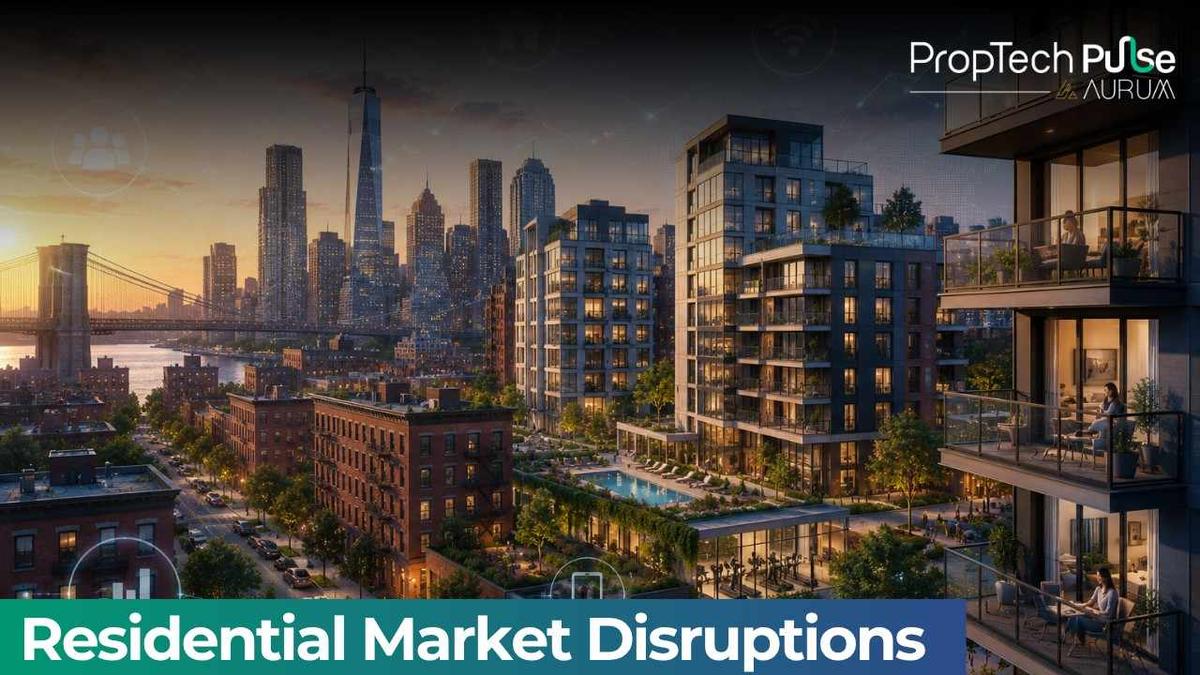
In a detailed sectoral review, American Landmark Apartments has provided an in-depth analysis of the current disruptions impacting the US multifamily residential market. The firm, a leading institutional owner and operator, emphasises that navigating the 2026 property cycle requires a fundamental shift from speculative growth to operational excellence and high-conviction asset management. As interest rate volatility and shifting demographic patterns redefine the "new normal," the firm argues that success is increasingly dependent on the ability to anticipate structural changes in tenant behaviour and capital availability.
Managing Interest Rate Pressure and Capital Structuring
A primary disruption identified by American Landmark is the persistent pressure of higher-for-longer interest rates on traditional debt-heavy real estate models. To mitigate these fiscal headwinds, the firm has implemented several defensive and offensive manoeuvres:
- Prioritizing fixed-rate debt and longer-term financing to provide balance sheet stability against sudden rate hikes.
- Focusing on re-capitalisation opportunities where distressed assets can be acquired and integrated into their stabilised portfolio.
- Enhancing net operating income (NOI) through the deployment of AI-driven property management tools that optimise utility consumption and administrative overhead.
Responding to Supply Imbalances and Sunbelt Migration
Despite a surge in new apartment deliveries in certain markets, American Landmark remains bullish on the Sunbelt regions, where job growth and net migration continue to outpace the national average. The firm notes that while "supply indigestion" may cause temporary rent plateaus in specific sub-markets, the long-term structural demand for high-quality, managed rental housing remains robust. The strategy involves identifying micro-markets with high barriers to entry where the current delivery pipeline is expected to dry up by late 2026, leading to a significant renewal of rental power for existing landlords.
Future Outlook: Technology and ESG as Value Drivers
Looking toward 2027, American Landmark Apartments views technological integration and ESG (Environmental, Social, and Governance) compliance not as optional upgrades but as core value drivers. According to executive leadership, modern tenants are increasingly prioritising energy-efficient homes and seamless digital experiences—from virtual tours to automated rent payments. By institutionalising these features across their portfolio, the firm aims to capture a "green premium" and reduce turnover rates, ensuring that their residential assets remain resilient regardless of broader macroeconomic disruptions.
Enjoyed this update? Visit PropTech Pulse for more real estate news and market insights.