New Launch - India Real Estate Report 2026.











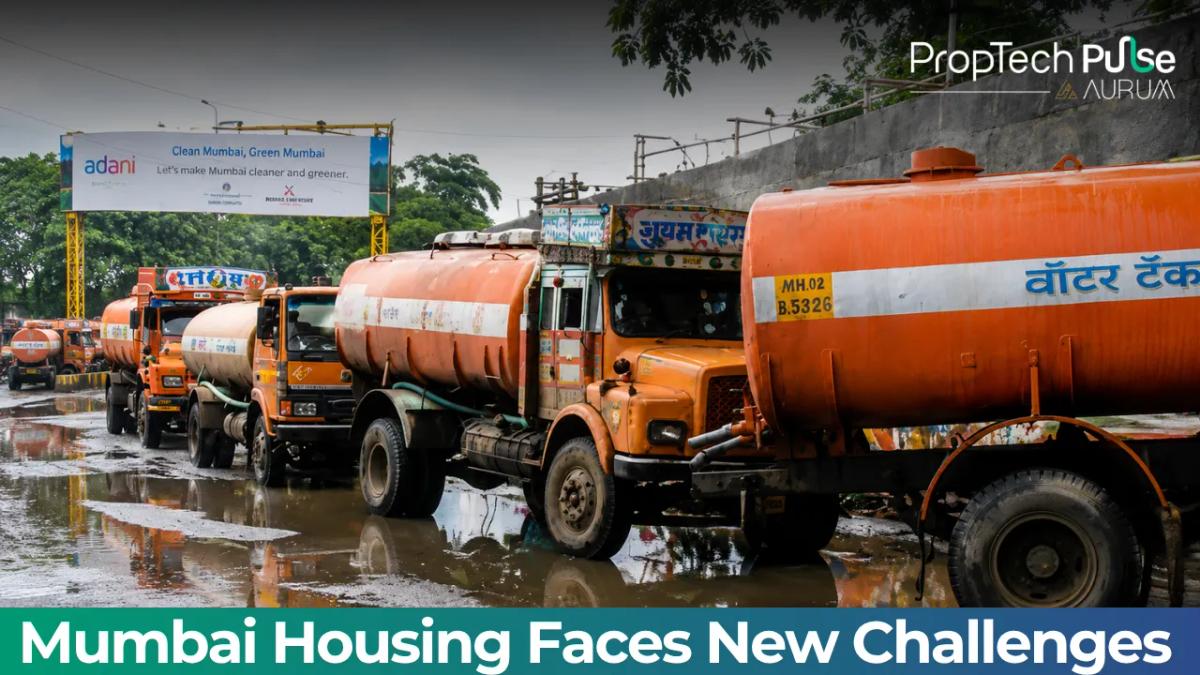
Mumbai's housing pipeline could face increasing pressure as the city simultaneously deals with BMC water restrictions and construction supply chain disruptions. Industry stakeholders are concerned that these challenges may affect project execution timelines, delay new launches and potentially impact housing supply in one of India's most active real estate markets.
The Brihanmumbai Municipal Corporation (BMC) periodically imposes restrictions on the use of potable water for construction activities when reservoir levels decline or supply management measures become necessary. Construction projects often rely on regulated water access for various activities, including concrete mixing, curing and other site operations. Restrictions on water availability can therefore directly affect project progress and construction schedules.
Supply Chain Challenges Add To Construction Pressures
At the same time, the real estate sector is facing disruptions in the supply of essential construction materials. Fluctuations in the availability of raw materials, transportation challenges and procurement delays have created additional pressure on project execution. Developers are increasingly required to manage construction schedules carefully while addressing uncertainties in material procurement and logistics.
Construction supply chain disruptions can influence project costs and timelines, particularly for large residential developments where timely delivery of materials is critical. Delays in obtaining construction inputs can affect multiple stages of development and create operational challenges for developers managing large project pipelines.
Potential Impact On New Housing Supply
Mumbai remains one of India's largest and most expensive residential property markets, with continuous demand for housing across both affordable and premium segments. The city has witnessed significant redevelopment activity, large-scale residential launches and sustained buyer interest in recent years.
If water restrictions and supply chain issues persist for an extended period, developers may face delays in project completions and new launches. Such delays could affect the pace at which new housing inventory enters the market and potentially influence future supply dynamics.
Mumbai's real estate market has historically demonstrated resilience despite regulatory changes and operational challenges. However, industry experts note that construction-related disruptions can have cascading effects on project delivery schedules, working capital requirements and customer expectations.
Need For Better Resource Planning
The current situation highlights the importance of efficient resource management and resilient supply chains in urban real estate development. Developers are increasingly focusing on alternative water management solutions, improved procurement strategies and advanced planning mechanisms to minimise disruptions and ensure project continuity.
Experts believe that strengthening infrastructure planning and diversifying supply networks could help reduce operational risks and improve the industry's ability to navigate unforeseen challenges. Better coordination among stakeholders may also support more efficient execution of large residential projects in densely populated urban centres like Mumbai.
Implications For The Housing Sector
The construction sector is likely to continue monitoring the impact of these challenges on project timelines and future supply. Given Mumbai's limited land availability and consistently strong housing demand, maintaining a steady development pipeline remains essential for long-term market stability.
- Mumbai's housing pipeline faces challenges from water restrictions and supply chain disruptions.
- BMC water restrictions can directly affect construction activities and project timelines.
- Construction supply chain disruptions may influence material availability and development costs.
- Mumbai's real estate market could experience delays in project launches and completions.
- The construction sector is increasingly focusing on resource planning and operational resilience.
The combination of water curbs and supply chain challenges has brought attention to the vulnerabilities within urban construction ecosystems. While Mumbai's property market has repeatedly demonstrated resilience, addressing resource constraints and improving supply chain efficiency will be critical to sustaining the city's future housing pipeline and ensuring timely project delivery.
Enjoyed this update? Visit PropTech Pulse for more real estate news, investment insights, and property market trends.