New Launch - India Real Estate Report 2026.









Gradual Rise in Construction Costs
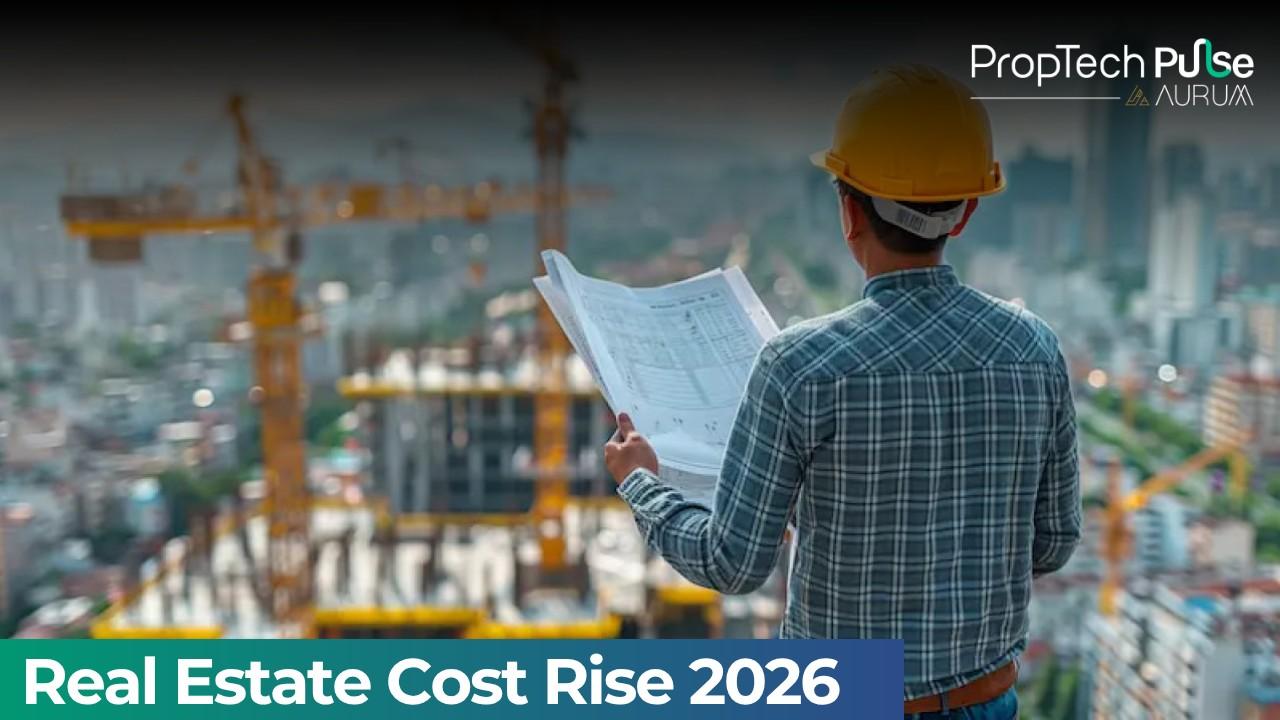
Construction costs across India’s real estate sector are projected to increase by around 3–5% in 2026, according to a report by JLL. This expected rise reflects ongoing pressures from input costs, labour expenses, and broader economic factors influencing the construction ecosystem.
While the increase is moderate compared to past volatility, it signals a continued upward trend that developers and investors need to factor into project planning and pricing strategies.
Materials, Labour, and Inflation
The rise in construction costs is primarily driven by increasing prices of key materials such as steel, cement, and other inputs essential for building projects. Fluctuations in global commodity markets and supply chain dynamics continue to impact these costs.
Labour costs are also expected to rise due to demand for skilled workers and wage inflation, further contributing to overall project expenses.
Impact Across Asset Classes
The cost increase is expected to affect multiple real estate segments, including residential, commercial, and industrial developments. Each asset class may experience varying levels of impact depending on design complexity, scale, and material requirements.
Developers across sectors will need to adjust their budgets and pricing models to accommodate these rising costs.
Market Impact: Pressure on Pricing and Margins
Higher construction costs can lead to increased property prices as developers pass on a portion of the additional expenses to buyers. This may impact affordability, particularly in price-sensitive segments such as mid-income and affordable housing.
At the same time, developers may face margin pressures if they are unable to fully transfer these costs, especially in competitive markets.
Strategic Implication: Focus on Efficiency and Planning
To manage rising costs, developers are likely to focus on improving construction efficiency, optimising design, and adopting new technologies. Cost management strategies will become increasingly important to maintain profitability.
Long-term planning and procurement strategies can help mitigate the impact of cost fluctuations.
Conclusion: Managing Growth Amid Cost Pressures
The projected 3–5% rise in construction costs in 2026 highlights the need for careful planning in the real estate sector. While demand fundamentals remain strong, cost pressures will play a key role in shaping project viability and pricing.
As the market adapts to these changes, developers and investors will need to balance growth opportunities with cost management strategies.
Enjoyed this update? Visit PropTech Pulse for more real estate news and market insights.