New Launch - India Real Estate Report 2026.











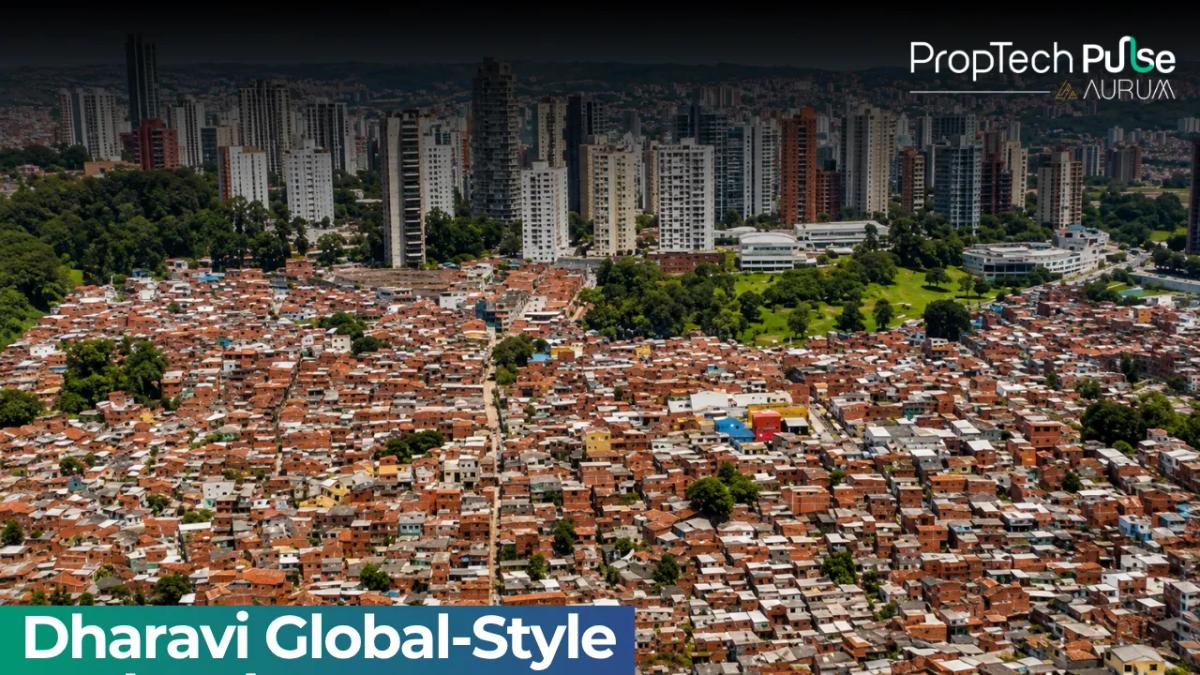
Maharashtra Chief Minister Devendra Fadnavis has announced that the ambitious Dharavi Redevelopment Project will be developed on the lines of modern housing projects in Singapore and Hong Kong. The project aims to transform one of Asia's largest informal settlements into a modern, integrated township while ensuring that residents, livelihoods, and Dharavi's unique social and economic identity remain protected.
The redevelopment is being implemented through a partnership between the Maharashtra government and the Adani Group-backed project entity. According to officials, the first phase is targeted for completion and handover by March 2028.
10,000 Homes Planned In The First Phase
Fadnavis has directed officials to ensure that at least 10,000 eligible residents receive new homes by 2028. The rehabilitation housing will feature separate kitchens, bedrooms, toilets, improved ventilation, and natural lighting, marking a significant upgrade from existing living conditions. Dedicated sanitation facilities for women will also be incorporated into the project design.
The redevelopment is expected to become one of India's largest urban renewal initiatives, with the broader project aimed at creating modern residential, commercial, and social infrastructure across Dharavi. HSBC has previously estimated that the larger redevelopment programme could involve more than 125,000 housing units over the coming years.
Focus On Livelihoods And Small Businesses
Unlike traditional redevelopment projects that focus primarily on housing, authorities have emphasized that Dharavi's vast economic ecosystem will be preserved. The chief minister stated that protecting jobs and livelihoods is essential because thousands of residents depend on local industries for employment.
A dedicated MSME support scheme is being prepared for key sectors operating in Dharavi, including:
- Leather manufacturing
- Garment production
- Recycling businesses
- Pottery units
- Food-processing enterprises
Officials believe these measures will help maintain Dharavi's economic importance while modernising its infrastructure.
Kumbharwada Heritage And Environmental Protection
The redevelopment plan also includes the preservation of Kumbharwada, Dharavi's historic pottery district. Fadnavis described the area as an important cultural and tourism asset and directed officials to consult stakeholders before undertaking any changes.
Environmental measures will include a proposed Nature Park, tree transplantation, fresh plantation drives, and the creation of green public spaces to maintain ecological balance within the redevelopment zone.
India's First Multi-Modal Transport Hub Planned
One of the most transformative elements of the project is the proposed multi-modal transport hub. Officials said the hub will integrate the Western, Central, and Harbour railway networks with multiple Metro corridors, creating seamless connectivity across Mumbai. Future integration with the Mumbai-Ahmedabad Bullet Train corridor is also being explored.
The plan includes several advanced mobility features:
- Airport Express connectivity.
- City check-in facility for airline passengers.
- Fast jetty services for water transport.
- Future-ready vertiport for air taxi operations.
- Improved pedestrian and public transport infrastructure.
BKC-Dharavi Corridor To Receive Major Upgrades
Authorities also plan to beautify the strategic BKC-Dharavi corridor through green boulevards, pedestrian walkways, modern streetscapes, and enhanced public infrastructure. The redevelopment is expected to strengthen Dharavi's connectivity with Mumbai's business districts and transportation networks.
Key Highlights
- First phase completion target: March 2028.
- 10,000 homes planned for eligible residents by 2028.
- Redevelopment based on Singapore and Hong Kong housing models.
- Dedicated MSME support for local industries.
- Kumbharwada heritage district to be preserved.
- Nature Park and green infrastructure included.
- India's first multi-modal transport hub planned.
- Airport Express, water transport, and air taxi connectivity proposed.
The Dharavi Redevelopment Project is being positioned as a holistic urban transformation initiative rather than a conventional housing programme. By combining modern housing, economic preservation, transport infrastructure, environmental improvements, and community-focused planning, the project aims to provide Dharavi with a new global identity while ensuring residents remain at the centre of the redevelopment process.
Enjoyed this update? Visit PropTech Pulse for more real estate news, investment insights, and property market trends.