New Launch - India Real Estate Report 2026.











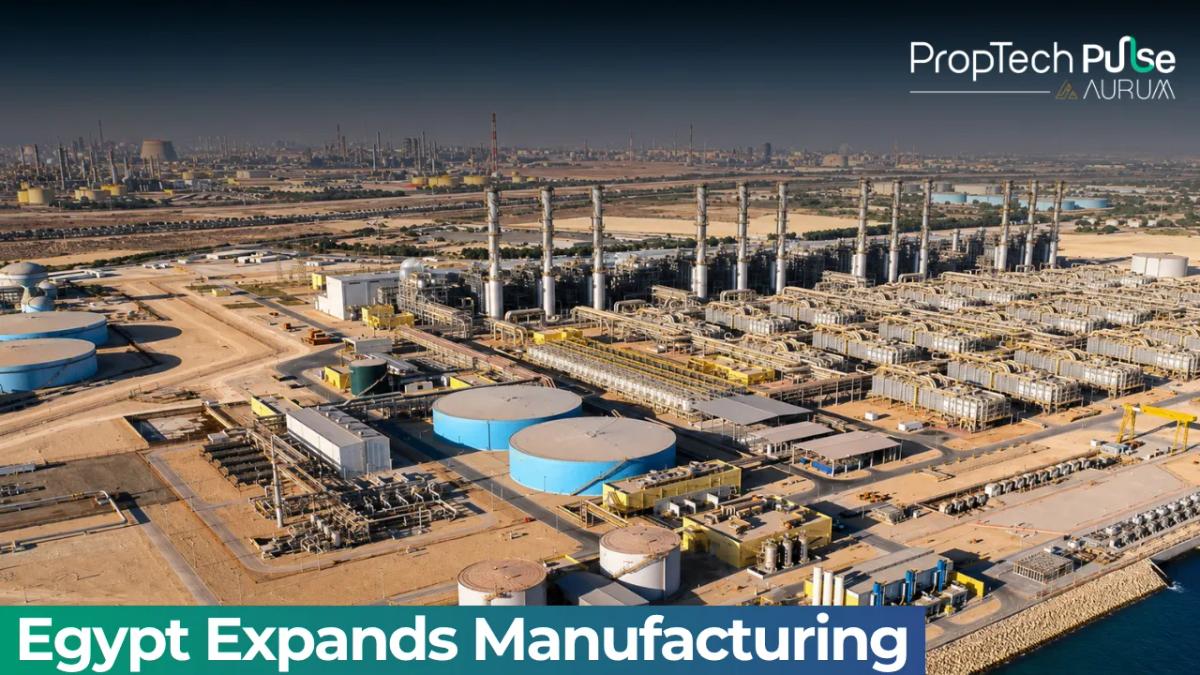
Prime Minister Mostafa Madbouly inaugurated and inspected a series of industrial projects in Alexandria that are expected to support more than 20,700 direct jobs while strengthening Egypt's manufacturing capabilities and export potential. The projects span textiles, engineering, food processing, and railway manufacturing, reflecting the government's strategy to localise industries and increase foreign currency earnings through exports.
The tour included the inauguration of the Jade Textile ready-made garments factory, the first phase of the Gharably Industrial Complex, the expansion of Shahinler Egypt 2, a new production line at Lipton Teas and Infusions Egypt, and an inspection of Alstom's railway manufacturing complex in New Borg El Arab City.
Textile Investments Drive Jobs And Export Growth
One of the largest projects launched was the Jade Textile factory, owned by Turkey-based Yeşim Group. The company employs more than 15,000 workers across its operations in Egypt and has invested nearly EGP 500 million in the Alexandria facility.
According to company officials, annual exports from the factory are expected to range between $250 million and $500 million, making it one of Egypt's most significant export-oriented textile investments.
Madbouly also inaugurated the latest expansion of Shahinler Egypt 2, which includes 32 new production lines. The expansion has created around 1,500 direct jobs and 4,500 indirect jobs, with exports projected to reach nearly $55 million in 2026.
Engineering And Railway Manufacturing Expansion
The first phase of the Gharably Industrial Complex was also launched during the visit. The steel fabrication and engineering hub has an annual production capacity exceeding 100,000 tonnes and currently employs around 3,000 workers. Future phases are expected to increase employment to approximately 5,000 workers.
Madbouly also inspected the Alstom industrial complex, which is central to Egypt's railway localisation programme. The project includes factories for electrical railway systems and rolling stock production, including metro trains, trams, monorails, light rail vehicles, and high-speed trains.
The facilities are expected to create around 950 jobs and support Egypt's ambition to become a regional railway manufacturing hub serving Middle Eastern and African markets.
Lipton Expansion And Infrastructure Development
The prime minister inaugurated a new production line at Lipton Teas and Infusions Egypt in Borg El Arab. The factory has an annual production capacity of 25,000 tonnes and employs 273 workers and engineers. The company plans to export around 25% of its local production to regional markets.
Officials highlighted that these industrial investments are supported by major infrastructure developments, including new transport corridors designed to improve connectivity between industrial zones, logistics hubs, and export gateways.
Key Highlights
- 20,700+ direct jobs supported by the projects.
- EGP 500 million invested in Jade Textile's Alexandria facility.
- $250-$500 million expected annual exports from Jade Textile.
- 32 new production lines added at Shahinler Egypt 2.
- $55 million projected exports from Shahinler in 2026.
- 100,000 tonnes annual capacity at Gharably Industrial Complex.
- 950 jobs expected from Alstom's railway manufacturing facilities.
- 25,000 tonnes annual production capacity at Lipton Egypt.
The projects form part of Egypt's broader industrial localisation strategy aimed at increasing domestic production, expanding exports, attracting foreign investment, and creating employment opportunities. By strengthening manufacturing and transport infrastructure, the government seeks to position Egypt as a leading industrial and logistics hub serving regional and international markets.
Enjoyed this update? Visit PropTech Pulse for more real estate news, investment insights, and property market trends.


