
Ask Pulse Ai
Services
Knowledge Hub
Resources
Tools
Ask Pulse Ai
Services







©PropTech Pulse 2025, All rights reserved.

Bengaluru Emerging As A Major Investment Hub
Bengaluru continues to remain one of India’s most attractive real estate investment markets due to its strong technology ecosystem and employment generation. The city hosts a large number of global capability centres, IT companies, and startup ecosystems that consistently drive housing demand. Micro markets such as Whitefield, Sarjapur Road, and North Bengaluru have witnessed significant residential development as infrastructure projects, including metro expansions and road connectivity improvements, support urban growth. These factors make Bengaluru a preferred destination for both end-user homebuyers and long-term property investors.
Hyderabad’s Rapid Residential Expansion
Hyderabad has witnessed steady residential growth over the past few years, supported by a strong technology sector and expanding commercial districts. Locations such as Gachibowli, Kondapur, and the Financial District have seen increasing housing launches and absorption levels due to proximity to IT corridors. The city’s relatively affordable property prices compared to other major metros have further strengthened its appeal among investors seeking balanced property appreciation and rental yield potential.
Pune’s Technology Driven Housing Demand
Pune has become an important residential investment destination because of its expanding IT and manufacturing sectors. Areas such as Hinjewadi, Kharadi, and Wakad continue to attract young professionals and first-time homebuyers working in technology parks and industrial hubs. The city’s infrastructure development, including improved road networks and metro expansion plans, has strengthened investor interest in mid segment and premium residential housing projects.
Delhi NCR’s Expanding Urban Corridors
The National Capital Region remains a major real estate investment zone due to its large population base and multiple business centres. Corridors such as Noida, Greater Noida, and Gurugram have seen sustained residential demand driven by infrastructure improvements, including expressways and metro connectivity. High-end residential developments and integrated townships have made the region attractive for luxury housing investments and long-term capital appreciation.
Mumbai’s Premium Real Estate Market
Mumbai remains India’s most valuable real estate market due to limited land availability and sustained demand for premium properties. Redevelopment projects in established neighbourhoods and new infrastructure initiatives, such as coastal roads and metro networks, are influencing housing supply. The city attracts high net worth individuals and institutional investors seeking long term stability in prime urban real estate assets.
Infrastructure Driving Investment Opportunities
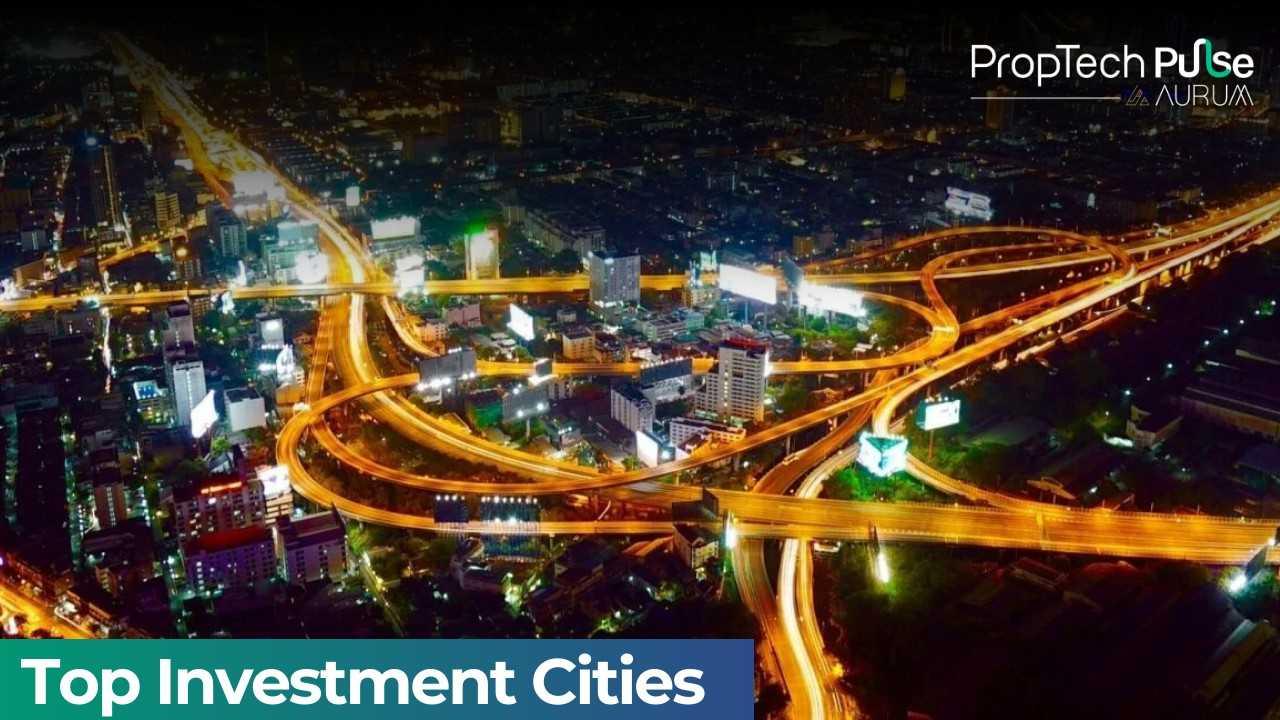
Across India, infrastructure projects, including metro rail expansion, expressways, airports, and industrial corridors, are reshaping real estate investment patterns. These developments improve connectivity and unlock new micro markets for residential and commercial projects. As a result, cities experiencing strong infrastructure investment are increasingly becoming key property investment destinations.
Demand From Young Homebuyers And Professionals
India’s growing urban workforce and rising household incomes are influencing property investment trends. Cities with strong employment growth, particularly those driven by technology and services sectors, continue to attract young professionals seeking housing opportunities. This demographic shift is supporting sustained demand for residential properties across major urban markets.
Conclusion
India’s real estate investment landscape in 2026 is being shaped by infrastructure expansion, employment generation, and urban migration. Cities such as Bengaluru, Hyderabad, Pune, Delhi NCR, and Mumbai continue to stand out as prominent destinations offering long-term growth potential for property investors.
Enjoyed this update? Visit PropTech Pulse for more real estate news and market insights.




Unlock the Latest in Real Estate
News, Infographics, Blogs & More! Delivered to your inbox.