New Launch - India Real Estate Report 2026.

Services
Knowledge Hub
Resources
Tools

Ask Pulse Ai
©PropTech Pulse 2025, All rights reserved.


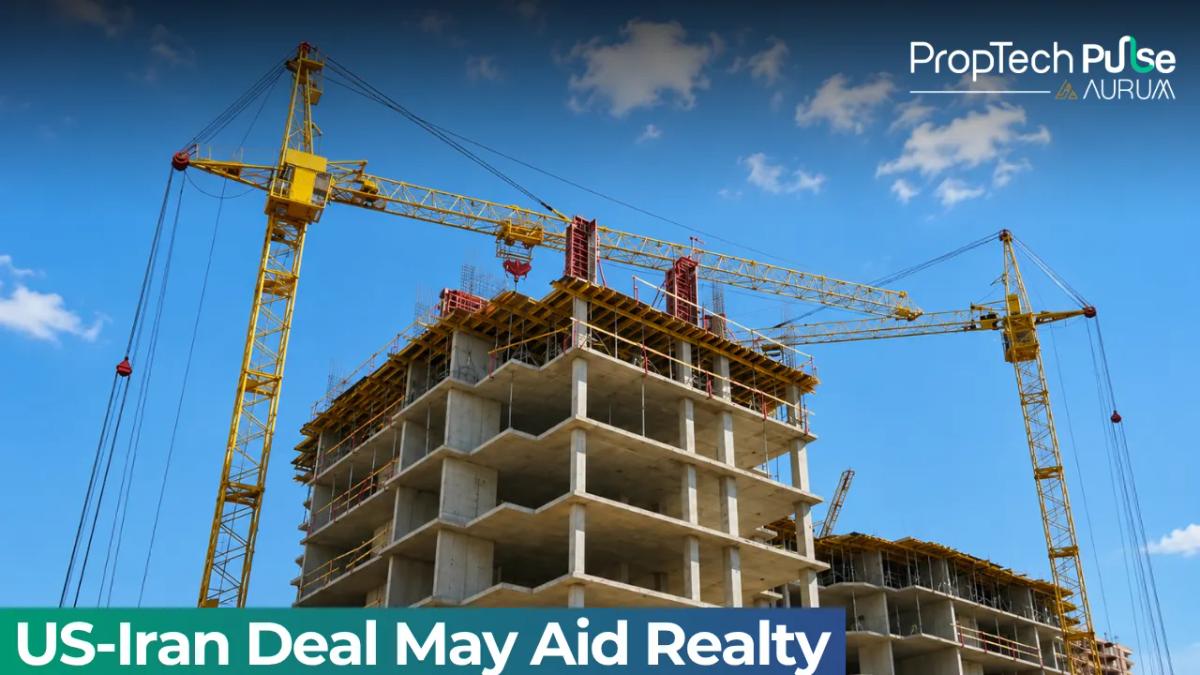
A potential US-Iran peace deal is being closely watched by India's real estate industry, with developers, contractors and investors expecting it to ease cost pressures and improve market sentiment. Industry stakeholders believe that reduced geopolitical tensions in the Middle East could lower fuel prices, stabilise commodity markets and create favourable conditions for both residential and commercial real estate activity in India.
Over the past few months, geopolitical uncertainty and disruptions in the Middle East had increased concerns about rising energy prices and supply chain pressures. The real estate and construction sectors, which are highly dependent on transportation, fuel and raw materials, have been particularly affected by these developments. Rising input costs have put pressure on project budgets and developer margins across various segments of the property market.
Potential Reduction In Construction Costs
One of the biggest expected benefits of a peace agreement is a possible decline in global oil prices. Lower fuel prices can significantly reduce transportation and logistics expenses associated with construction activities. The movement of materials such as steel, cement, tiles and electrical components becomes more economical when fuel costs moderate, helping developers control project expenditure more effectively.
Construction costs have emerged as a major concern for developers in recent years. Industry bodies had previously warned that prolonged tensions in West Asia could increase construction expenses and disrupt the supply of critical materials. Stabilisation in the region could therefore provide meaningful relief to developers and improve project viability.
Positive Implications For NRI Investment
The Middle East hosts a large Indian expatriate population that has historically contributed significantly to India's property market. Improved regional stability could strengthen economic conditions across Gulf countries and enhance investor confidence among overseas Indians. A stable economic environment often encourages long-term investment decisions, including purchases of residential properties in India.
NRI demand has become increasingly important in premium and luxury housing markets across cities such as Mumbai, Bengaluru, Hyderabad and Delhi-NCR. Improved economic confidence and lower geopolitical risks could support continued investment interest from overseas Indians, particularly in high-value residential projects.
Improved Market Sentiment And Growth Prospects
India's real estate sector is closely linked to broader economic conditions and investor sentiment. Reduced geopolitical uncertainty generally improves business confidence and lowers inflationary pressures, creating a more favourable environment for investment and development activity. Lower input costs can improve developer margins, support project execution and potentially encourage additional investments across residential and commercial real estate segments.
Although the ultimate impact will depend on how global economic conditions evolve after the agreement, industry stakeholders view the proposed peace deal as a positive development for India's property market. Lower construction costs, stronger investor confidence and sustained overseas demand could collectively support the next phase of growth for the country's real estate sector.
Key Highlights
- US-Iran peace deal could reduce geopolitical and commodity market uncertainty.
- Construction costs may ease due to lower fuel and logistics expenses.
- NRI demand for Indian real estate could remain strong amid improved economic confidence.
- Lower input costs may improve developer margins and project viability.
- India's real estate sector could benefit from improved sentiment and stable commodity prices.
Enjoyed this update? Visit PropTech Pulse for more real estate news, investment insights, and property market trends.


