New Launch - India Real Estate Report 2026.

Services
Knowledge Hub
Resources
Tools

Ask Pulse Ai
©PropTech Pulse 2025, All rights reserved.


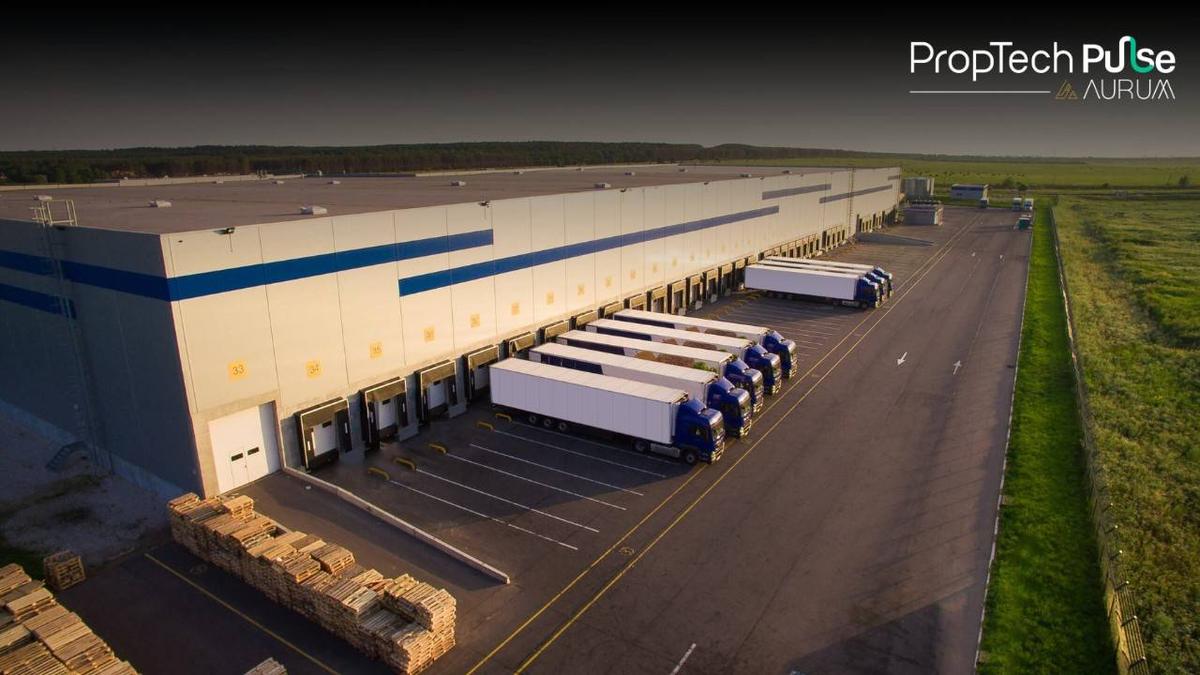
From Storage To Strategic Asset Class
Warehousing in India has transitioned from basic storage infrastructure to a core institutional real estate asset class. What was once considered peripheral to mainstream commercial property is now central to investment portfolios, supported by large-format Grade A logistics parks and technology-enabled distribution centres.
E Commerce And Consumption Growth
Rapid expansion in e-commerce, organised retail, and omnichannel distribution has accelerated demand for modern logistics facilities. Businesses require scalable and strategically located warehousing infrastructure to ensure faster delivery cycles and optimised inventory management.
Supply Chain Modernisation
India’s logistics ecosystem is undergoing structural upgrades through freight corridors, highway expansion, and digital tracking systems. These changes enhance last mile connectivity and operational efficiency, strengthening the long term viability of warehousing assets.
Institutional Capital Inflows
Global investors and real estate funds have increased allocations to industrial and logistics platforms. Warehousing assets offer stable rental yields and long-term lease structures, making them attractive relative to traditional office or retail segments.
Rise Of Grade A Industrial Parks
Developers are creating integrated logistics parks equipped with automation readiness, compliance infrastructure, and sustainability features. This shift reflects formalisation and quality standardisation within the industrial real estate segment.
Geographic Expansion Beyond Metros
Warehousing growth is not limited to major cities. Tier 2 and Tier 3 markets near industrial corridors and consumption clusters are witnessing rising absorption, supporting regional logistics decentralisation across India.
Manufacturing And Policy Tailwinds
Manufacturing incentives and policy reforms have encouraged domestic production and inventory buildup. These structural drivers reinforce long term demand for organised warehouse capacity across multiple sectors.
Technology Integration In Logistics Assets
Modern warehouses increasingly incorporate automation, AAI-enabledinventory systems, and energy-efficient design. Such integration strengthens operational scalability and cost optimisation for occupiers.
Rental Stability And Investment Confidence
Long tenure leases and diversified tenant profiles contribute to predictable income streams. Institutional participation has improved asset transparency and governance standards within the sector.
Conclusion
India’s warehousing market has evolved into one of the country’s most dynamic real estate segments. Driven by consumption growth, supply chain transformation, and capital inflows, it represents a structural shift in property investment priorities.
Enjoyed this update? Visit PropTech Pulse for more real estate news and market insights.


