New Launch - India Real Estate Report 2026.

Services
Knowledge Hub
Resources
Tools

Ask Pulse Ai
©PropTech Pulse 2025, All rights reserved.


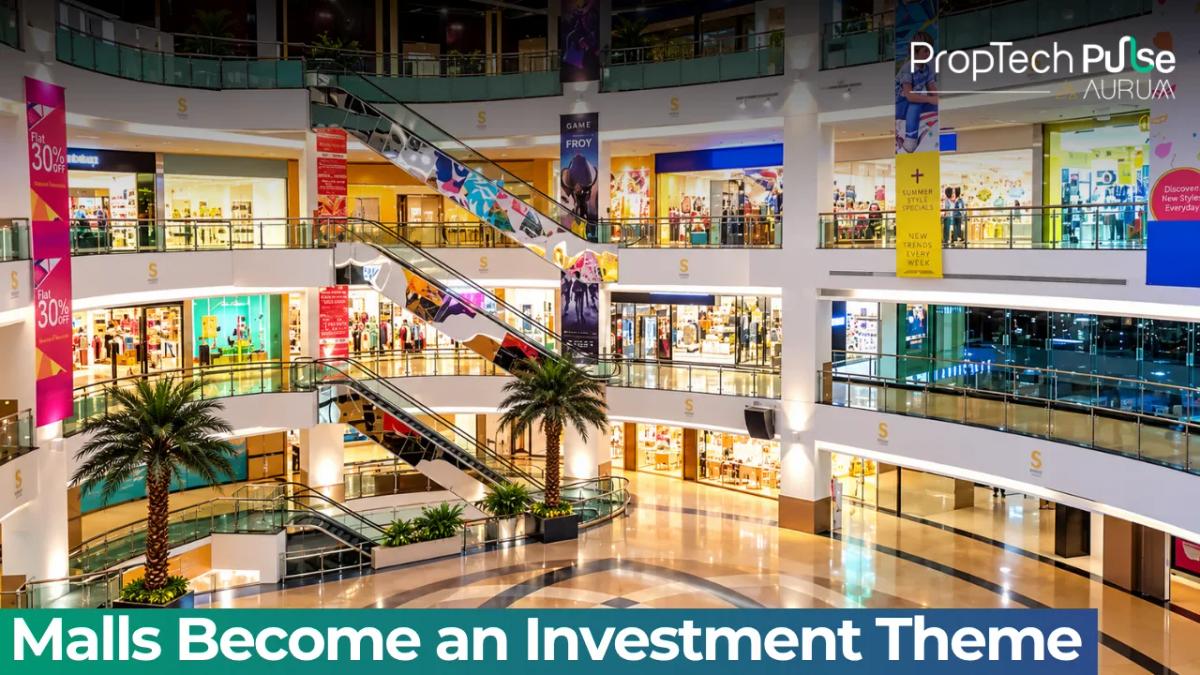
India's shopping malls are emerging as an investment theme within commercial real estate as retailers expand their physical presence and consumers seek dining, entertainment and shopping experiences.
Gross retail leasing across India's top seven markets reached 6.27 million sq ft in the first half of 2026, up 10.5% year-on-year, according to JLL's India Retail Market Dynamics Q2 2026 report.
Retail Leasing Growth Supports Shopping Mall Demand
Shopping mall leasing increased 22.4% year-on-year during the first half of 2026, accounting for 43.1% of overall gross retail leasing. Mall vacancy across the seven markets declined from 11.60% in the first half of 2025 to 11.15% by the end of the first half of 2026.
Fashion and apparel accounted for 33% of retail leasing, followed by food and beverage at 18% and entertainment at 16%. Entertainment's share increased from 12% in the first half of 2025 to 16% a year later, reflecting a growing role for experience-led retail formats.
Shopping Centres Evolve Beyond Traditional Retail
Malls are increasingly combining conventional shopping with restaurants, gaming zones, cinemas, speciality stores and family entertainment centres. These offerings can encourage repeat visits and provide retailers with opportunities to engage customers in ways that online storefronts cannot fully replicate.
CBRE India's India Retail Figures H2 2025 report, published in January 2026, identified experience-led retail, flagship stores and formats targeting younger consumers among the factors supporting leasing activity. It also highlighted the expansion of direct-to-consumer brands into physical retail.
However, experiential facilities require investment and effective management. Their contribution to a property's financial performance depends on tenant economics, leasing arrangements, operating costs and the ability to attract customers consistently.
How Shopping Malls Generate Rental Income
For commercial property owners, consumer demand influences financial performance through tenant activity. Customer footfall, spending patterns, rental costs and brand positioning can affect retailers' decisions to occupy or renew space.
Healthy occupancy can support rental receipts, while lease renewals, new agreements and contractual rent escalations can influence rental growth. Nevertheless, high occupancy alone does not guarantee stronger income, as tenant incentives, operating expenses and rental pressure can affect returns.
REITs Offer an Alternative Route to Retail Property
Real Estate Investment Trusts (REITs) allow investors to gain exposure to professionally managed real estate portfolios without directly purchasing or operating a shopping centre. Listed REIT units can be traded on stock exchanges, subject to market prices and liquidity.
India's Securities and Exchange Board of India regulates REITs under its Real Estate Investment Trusts Regulations, 2014, as amended. Investors should examine occupancy, tenant concentration, lease expiries, rental growth, operating expenses, borrowing, distributable cash flows and asset valuations.
Also Read: Shree KB Group Leases 75% of KB Mart Space, Signals Strong Commercial Demand
Key Risks Behind the Retail Investment Opportunity
Retail real estate remains exposed to weaker discretionary spending, rising operating costs, competing developments and changes in shopping behaviour. E-commerce and quick commerce can affect retail categories differently, influencing tenants' space requirements.
For REIT investors, these factors can affect rental income, property valuations and listed unit prices. Distributions are not guaranteed, and a popular mall does not automatically translate into higher investment returns.
Also Read: Shopping Mall Investment: Up to 20% Rental Appreciation in Top Cities
Key Takeaways
- Retail leasing across India's top seven markets reached 6.27 million sq ft in H1 2026, increasing 10.5% year-on-year.
- Mall leasing rose 22.4%, while mall vacancy declined to 11.15%.
- Fashion and apparel represented 33% of leasing, followed by food and beverage at 18% and entertainment at 16%.
- REIT investors need to assess property-level income, costs, lease terms and valuations alongside broader retail demand.
Explore real estate reports and insights on PropTech Pulse.
Enjoyed this update? Visit PropTech Pulse for more real estate news, investment insights and property market trends.


