New Launch - India Real Estate Report 2026.

Services
Knowledge Hub
Resources
Tools

Ask Pulse Ai
©PropTech Pulse 2025, All rights reserved.


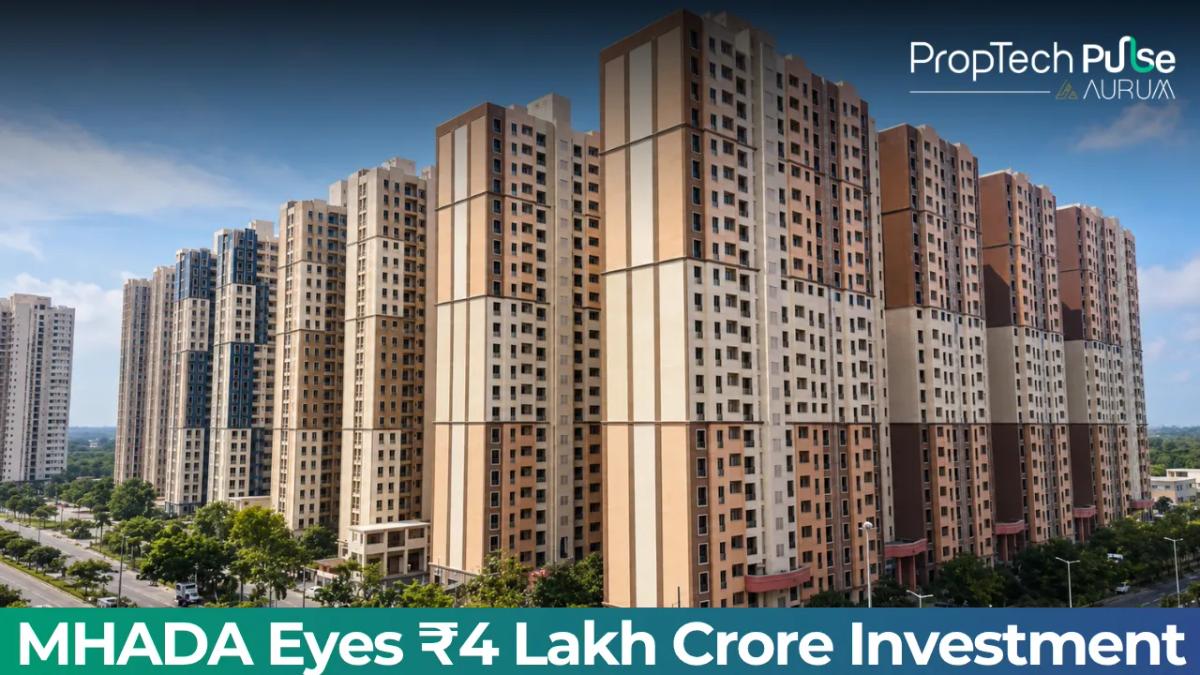
The Maharashtra Housing and Area Development Authority (MHADA) is planning a large-scale redevelopment of around 925 acres of land across Mumbai, a move that could attract investments worth nearly ₹4 lakh crore. The ambitious initiative aims to redevelop aging housing colonies, improve urban infrastructure and create modern residential communities across the city.
The redevelopment programme is expected to transform several old and deteriorating housing clusters into integrated townships with upgraded infrastructure, better amenities and improved living conditions. The plan also highlights the growing importance of urban renewal projects in addressing Mumbai's housing and infrastructure challenges.
Why The Redevelopment Plan Is Important
Mumbai faces a significant shortage of developable land, making redevelopment one of the most practical ways to create new housing supply and modern infrastructure. Many existing residential colonies were developed decades ago and now require substantial upgrades to meet present-day safety standards and lifestyle requirements.
The 925-acre redevelopment initiative seeks to unlock the value of underutilised land parcels while simultaneously improving the quality of housing available to residents. Redevelopment projects also enable better land utilisation in a city where land availability remains extremely limited.
Potential Economic Impact
The proposed ₹4 lakh crore investment could generate significant economic activity across multiple sectors. Large redevelopment projects typically create opportunities for developers, construction companies, material suppliers, financial institutions and professional service providers.
The initiative could also create substantial employment opportunities during different stages of planning, construction and project execution. Large investments in housing and urban infrastructure often have multiplier effects that contribute positively to economic growth.
Creating Modern Residential Communities
MHADA's redevelopment programme is expected to focus on creating modern residential environments equipped with improved infrastructure and community facilities. Redeveloped projects generally include better road networks, utility services, open spaces, recreational facilities and upgraded social infrastructure.
Such projects not only improve housing quality but also contribute to more organised urban growth and enhanced quality of life for residents. Redevelopment can also increase housing density in appropriate locations while providing safer and more sustainable living environments.
Impact On Mumbai's Real Estate Market
Mumbai's redevelopment sector has become one of the city's most important growth drivers due to limited land availability and rising demand for quality housing. Redevelopment projects offer opportunities to modernise old neighbourhoods while increasing residential supply and supporting infrastructure improvements.
Industry experts believe that large redevelopment initiatives could play an increasingly important role in shaping Mumbai's future urban landscape. By replacing aging structures with modern developments, redevelopment can contribute to better city planning, improved infrastructure and long-term economic growth.
Key Highlights
- The Maharashtra Housing and Area Development Authority (MHADA) plans to redevelop around 925 acres across Mumbai.
- The 925-acre redevelopment initiative could transform aging housing colonies into modern communities.
- The proposed ₹4 lakh crore investment may generate substantial economic activity and employment.
- MHADA's redevelopment programme aims to improve housing quality and urban infrastructure.
- Mumbai's redevelopment sector continues to emerge as a major driver of the city's real estate growth.
The proposed redevelopment plan represents one of Mumbai's most ambitious urban renewal initiatives in recent years. If implemented successfully, the project could significantly reshape the city's residential landscape by upgrading aging housing colonies, attracting large-scale investments and creating modern, better-connected communities for future generations.
Enjoyed this update? Visit PropTech Pulse for more real estate news, investment insights, and property market trends.


