
Ask Pulse Ai
Services
Knowledge Hub
Resources
Tools
Ask Pulse Ai
Services







©PropTech Pulse 2025, All rights reserved.

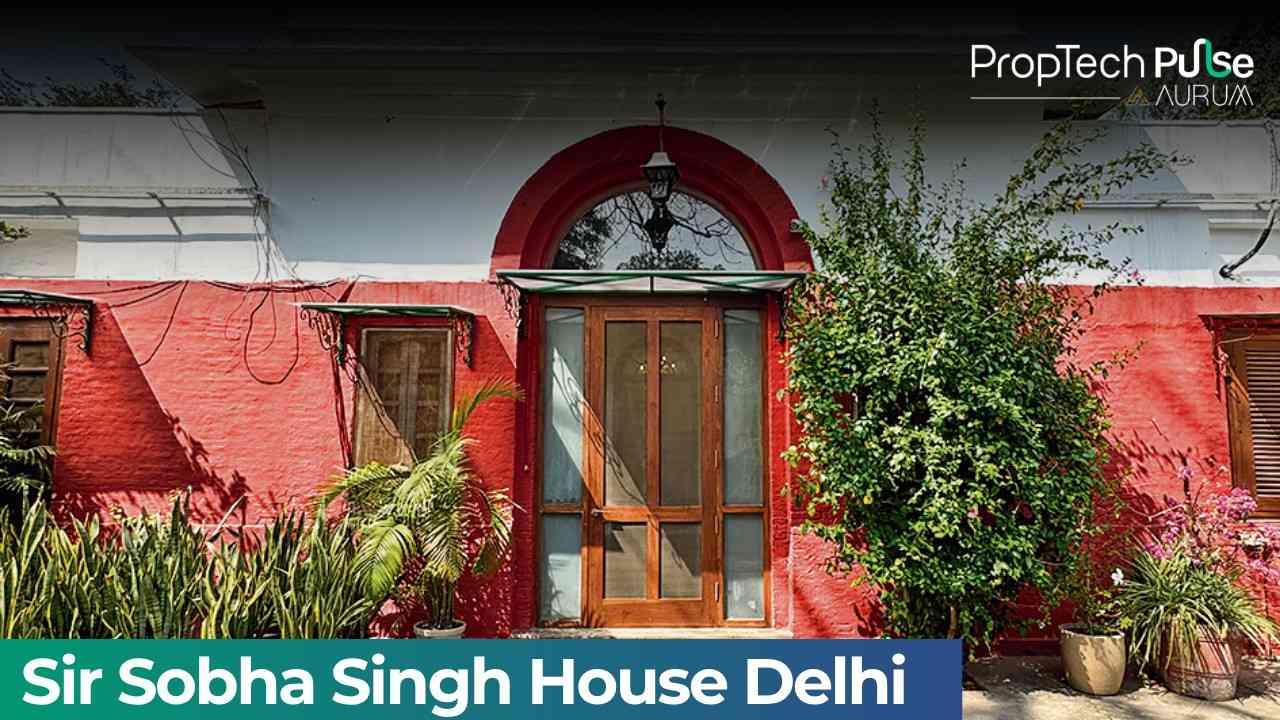
Sir Sobha Singh, one of the key contractors involved in the construction of Rashtrapati Bhavan and several landmark buildings in New Delhi, later built his own residence in the capital. The house stands as a continuation of his architectural and construction legacy beyond institutional projects.
Property Details: Location and Identity
The residence, constructed after his involvement in major colonial-era projects, is located in Delhi and reflects the design sensibilities of that period. Unlike government buildings, this was a private property, yet it carries the same emphasis on scale, structure, and craftsmanship associated with his work.
Such properties are rare examples of early planned Delhi’s residential architecture, linking personal spaces with the broader urban design narrative of the city.
Historical Significance
Sir Sobha Singh played a significant role in shaping New Delhi during its formative years, contributing to the construction of key administrative and institutional buildings. His private residence therefore holds historical importance, as it represents the work of a builder who helped define the city’s architectural identity.
The house is not just a residential structure but a physical extension of the legacy tied to the development of Lutyens’ Delhi.
What Makes This Property Unique
Unlike modern developments, the property reflects a time when construction was closely tied to craftsmanship and long-term durability. Its association with a historically significant figure adds an additional layer of value beyond physical attributes.
Such heritage-linked residences are limited in number and form part of Delhi’s architectural history rather than its active real estate market.
Conclusion
The house built by Sir Sobha Singh after his work on Rashtrapati Bhavan stands as a reminder of Delhi’s early construction era. It connects personal legacy with the broader narrative of the city’s development, making it a notable part of India’s architectural heritage.
Enjoyed this update? Visit PropTech Pulse for more real estate news and market insights.



Ask Pulse Ai anything about real estate

Unlock the Latest in Real Estate
News, Infographics, Blogs & More! Delivered to your inbox.