
Ask Pulse Ai
Services
Knowledge Hub
Resources
Tools
Ask Pulse Ai
Services







©PropTech Pulse 2025, All rights reserved.

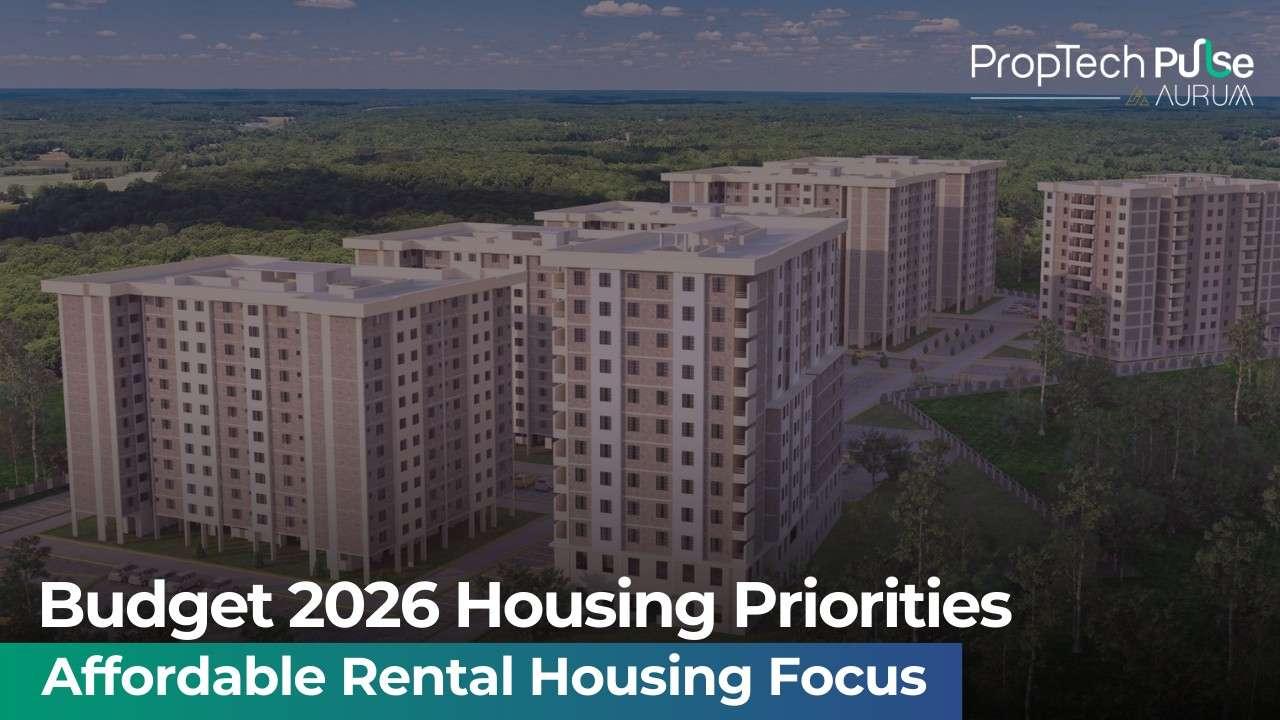
Industry Focus Ahead of Budget 2026
Ahead of the Union Budget 2026, stakeholders across India’s real estate sector have placed affordable housing and rental housing at the centre of their policy expectations. Industry representatives have highlighted the need for targeted fiscal and regulatory support to address widening housing affordability gaps and rising urban rental demand.
Affordable Housing as a Policy Priority
Affordable housing continues to be viewed as a critical segment for meeting the needs of middle-income and lower-income households. Developers and industry bodies are seeking measures such as enhanced interest subsidies, tax incentives for buyers, and continued support for housing schemes. These interventions are aimed at sustaining end user driven demand and improving housing access in urban and semi-urban markets.
Growing Importance of Rental Housing
Rental housing has gained prominence due to increased urban migration, changing family structures, and workforce mobility. The industry has urged the government to formalise and incentivise rental housing through clearer policies, tax rationalisation, and support for organised rental models. Strengthening rental housing is seen as essential for creating flexible and inclusive urban living options.
Need for Financing and Credit Support
Access to affordable financing remains a key concern for both buyers and developers. Industry participants have called for lower borrowing costs, expanded credit availability, and policy support for housing finance institutions. Improved credit flow is expected to support housing supply expansion while keeping prices within reach of target buyer segments.
Taxation and Regulatory Expectations
The article highlights industry expectations around rationalising GST structures, easing compliance requirements, and providing clarity on tax treatment for housing projects. Simplified taxation and regulatory processes are viewed as necessary to reduce costs, improve project viability, and encourage greater participation from organised developers, supporting sector transparency and efficiency.
Urban Housing and Infrastructure Linkages
Affordable and rental housing demands are closely linked to infrastructure development. Industry voices have emphasised the need for integrated urban planning that aligns housing supply with transport, utilities, and social infrastructure. Such alignment can improve liveability and support sustainable urban expansion.
Employment and Economic Impact
Housing development has significant multiplier effects on employment and economic activity. Policy support for affordable and rental housing can stimulate construction activity, generate jobs, and support allied industries. The sector’s budget demands reflect a broader objective of using housing as a growth and inclusion driver.
Market Context and Demand Trends
The emphasis on affordable and rental housing also reflects current market realities. While premium housing has seen traction in select markets, affordability pressures persist for a large section of buyers. Rental demand continues to rise as households delay ownership decisions, reinforcing the need for balanced housing policies.
Conclusion
As Budget 2026 approaches, the real estate industry’s focus on affordable and rental housing underscores structural challenges in India’s housing market. Policy measures that improve affordability, support rental models, and enhance financing access could play a critical role in addressing housing demand while supporting long-term sector stability.
Enjoyed this update? Visit PropTech Pulse for more real estate news and market insights.




Unlock the Latest in Real Estate
News, Infographics, Blogs & More! Delivered to your inbox.