New Launch - India Real Estate Report 2026.

Services
Knowledge Hub
Resources
Tools

Ask Pulse Ai
©PropTech Pulse 2025, All rights reserved.



Kopar Khairane sits between Vashi and CBD Belapur, anchoring one of Navi Mumbai’s oldest CIDCO grids. Structured streets and reliable civic amenities make this node distinct from mainland sprawl.
Young professionals often choose the area because of steady rental demand tied to nearby industrial corridors. Picking the right sector matters far more than following a single developer’s brochure here. Commercial activity along Sector 1 and residential calm in Sector 15 mean daily life varies block by block.
Navi Mumbai Grid at a Glance
Quick answer
Kopar Khairane comprises twenty-three CIDCO-planned sectors under pin code 400709. It functions as a mature residential node with two distinct zones: quiet, family-oriented blocks near Sector 14, and high-activity commercial-mixed corridors along Sectors 1, 2, and 7. Property values hold steady around ₹19,500 to ₹21,000 per square foot for mid-tier ready-to-move inventory. Strong rental absorption is driven by Turbhe MIDC and corporate park commuters.
Unlike the dense, organic sprawl of mainland Mumbai, the sector layout gives residents wider inner roads, predictable traffic flow, and standardized civic infrastructure.
The area evolved from early 2000s transit expansion when the Trans-Harbour railway line reached this node, converting a largely low-rise settlement into a high-density residential belt. Today, Navi Mumbai operates as a self-contained micro-economy. Residents walk to weekly haats, grab coffee along Sector 14’s main corridor, and rely on community societies that maintain their own drainage and waste management routines.
That independence keeps monthly charges manageable, but it also means buyers must audit society finances before taking possession. Older buildings sometimes carry deferred maintenance backlogs that new renovations simply patch over.
Society finance check: Before booking a resale flat, ask for the last three years of maintenance ledgers and any pending special assessments. Unpaid dues transfer to the new owner once the society board updates the khata record.
Station Access and Commute Options
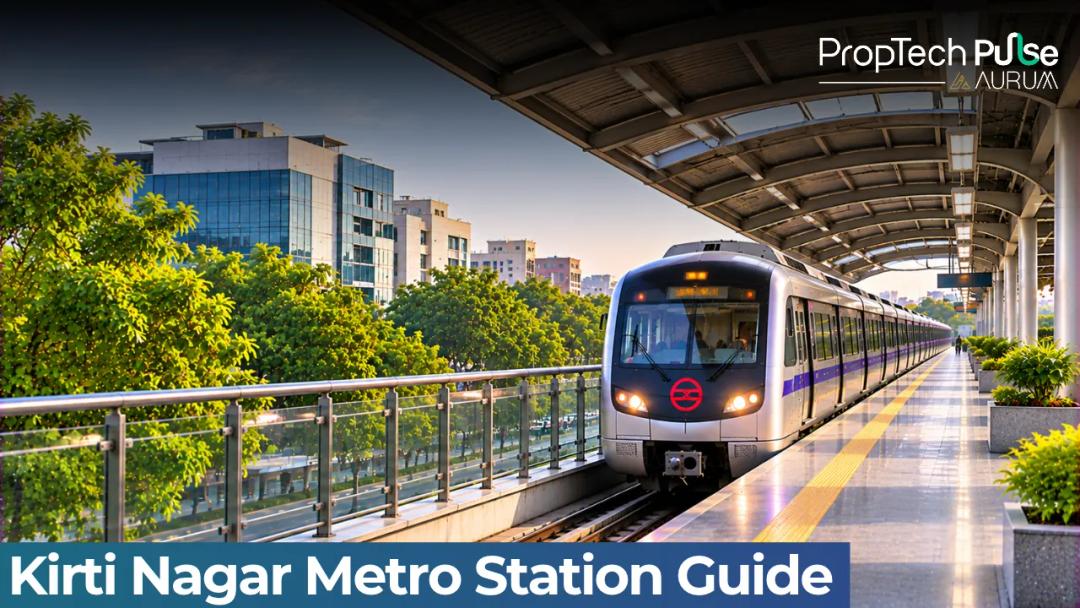
The backbone of the locality’s appeal is rail access. Kopar Khairane station carries the code KPHN and sits directly on the Trans-Harbour Line (THL).Since the line became fully operational in late 2023, trains run at tighter intervals, which has shaved roughly ten minutes off morning peak commutes compared to the phased trial runs of previous years.
Stations connect directly to Thane, CST via Sewri, and Panvel without forced interchanges, which matters heavily for shift workers and daily desk commuters alike. Road connectivity relies on the Thane-Belapur Road (TBR) and Palm Beach Road. TBR handles the bulk of private vehicle movement heading toward CBD Belapur, Airoli, and the Kalwa flyover network.
Traffic builds predictably at 8:15 AM and returns at 6:45 PM, particularly near the Sector 7 underpass where pedestrian crossings bottleneck turning lanes.
During July and August, waterlogging frequently traps vehicles near the same underpass until municipal pumps clear the stormwater drains.
Living within four to five sectors of the station usually saves enough walking time to offset these summer delays. Bus services run through Navimumbai Nigam (NMMT) routes linking Sector 14, 15, and 16 to Vashi Node 10, Ulwe, and Ghansoli.
Frequency drops after 8 PM, so ride-hailing apps become the practical fallback for evening outings. If you work in Millennium Business Park or Mindspace Airoli, the TBR route puts you at those gates in twelve to fifteen minutes via car, making Kopar Khairane one of the shortest lease-to-work distances in the western corridor. For monthly cost tracking, many homebuyers cross-reference their loan commitment against the SBI home loan EMI calculator to see how rising transport and maintenance expenses fit into the household budget before locking in a tenure.
Which Sector Fits Your Lifestyle?
Treating the township as a single zip-code block produces bad buying decisions. The local sector list actually splits into functional clusters, each pulling different resident demographics. Developers and landlords who ignore these clusters end up listing empty flats while the wrong pockets fill up within weeks of availability.| Sector Range | Primary Character | Best For | Noise & Footfall | Infrastructure Stress |
|---|---|---|---|---|
| 1, 2, 7 | Mixed-use commercial-residential | Small retailers, investors targeting corporate tenants | High. Ground-floor shops, daily vendor activity. | Moderate. Tighter parking, heavier evening traffic near Naik Circle. |
| 10, 11, 12 | Transitional residential | Young couples, short-term renters | Medium. Wider roads, fewer street vendors. | Low to Medium. Drainage holds well except near TBR junctions. |
| 14, 15, 16, 17 | Quiet residential core | Families, senior residents, long-term owners | Low. Pedestrian-friendly, shaded tree lines. | Very Low. Best civic maintenance, multiple schools within 1 km. |
| 18–23 | Developing fringe | Speculative buyers, redevelopment hopefuls | Variable. Mix of vacant plots and older CIDCO towers. | Variable. Municipal road widening ongoing; trust local ward office for timelines. |
These sectors draw consistent rental demand from IT support staff, retail managers, and mid-level engineers commuting to Turbhe MIDC and the upcoming logistics parks expanding south of CBD Belapur.
Vacancy rates stay below four percent because supply rarely exceeds tenant inflow. The trade-off is noise and restricted balcony usage after 7 PM in several societies. Sectors 14, 15, and 16 sit further inland from the main arterial road. Streets widen, developers placed green buffers, and schools cluster along the central corridor.
Families choosing these sectors prioritize stability over convenience-to-commercial. Resale prices track slightly higher here because buyers pay for quiet evenings and safer cycling paths for children.
Maintenance bills run comparable to other grids, but collection efficiency remains stronger due to long-standing resident associations. When evaluating listings, verify that every project you consider is properly registered. Checking Maharashtra RERA project status prevents you from booking units in approvals limbo and locks developers into transparent escrow account spending.
Family-Friendly Pockets vs High-Yield Zones
Families gravitate toward Sector 15 and the eastern edges of Sector 14. The walkable radius contains two reputable international schools, a multi-specialty hospital entrance, and weekly vegetable markets operating past midnight without lighting complaints.Property appreciation here tracks NMMC civic upgrades: better streetlights, widened drainage culverts, and upgraded garbage collection timing.
Capital gains materialize slower than speculative hotspots, but holding periods of seven to ten years typically deliver eleven to fourteen percent annualized growth with minimal vacancy drag. Investors chasing gross rental yields target the commercial-adjacent sectors. A standard two-bedroom unit in Sectors 1 or 2 commands ₹35,000 to ₹42,000 monthly when leased furnished to young professionals.
Unfurnished units slip toward ₹28,000 to ₹33,000. Tenants in these sectors prefer ground or first-floor placements for easier move-ins, which compresses the usable rental floor of older buildings.
Landlords who renovate kitchens and install modular wardrobes routinely extract ₹5,000 to ₹7,000 above market averages because corporate relocation agencies filter listings by interior finish quality before viewing appointments. Redevelopment activity complicates both strategies. Many original CIDCO structures sit on land eligible for increased Floor Space Index (FSI) conversion.
Old builders offering larger carpet areas at premium rates currently dominate the market. Buyers securing ready-to-move inventory from these transitions often negotiate nine to twelve percent discounts off brochure prices, especially when dealing with second-hand owners who need liquidity to fund their own moves.
Current Pricing and Demand Trends
Mid-tier ready-to-move inventory dominates transaction volume. Current asking prices cluster around ₹19,500 to ₹21,000 per square foot for standard two and three bedroom configurations.Premium gated communities and freshly launched vertical projects push closer to ₹23,000 to ₹24,500 per square foot, largely absorbing buyers upgrading from rented accommodations or exiting mainland Mumbai leases. Rental absorption stays strong due to high population density outpacing new supply releases. Builders face land parcel fragmentation hurdles: assembling contiguous plots requires negotiating with dozens of existing society members, which stalls large-scale new launches and keeps resale volumes healthy. Worked example: Mid-segment two-bedroom purchase vs rental cashflow A typical 800-square-foot carpet area flat in Sector 14 trades at roughly ₹20,000 per square foot, totaling ₹1.6 crore. Assuming eighty percent bank financing at 8.5 percent interest over twenty-four months leaves a principal component of ₹1.28 crore.
,p>The monthly equated monthly installment runs approximately ₹1,08,850. If you leased the same unit instead, current market rents land between ₹38,000 and ₹42,000.The initial cashflow gap appears steep, but ownership locks the asset at today’s base rates, shields against annual landlord hikes, and converts half the EMI into tax-deductible interest once you file under the applicable slab. Factor in stamp duty and registration charges in Mumbai guide requirements to budget the exact upfront levy before signing the sale deed. Investors calculating entry costs should double-check the circle rates for the specific sector block, as municipal valuation floors sometimes exceed builder asking prices in newly mapped census wards. Running your numbers through a circle rate calculator stops surprise valuation gaps when the bank processes the loan sanction.
New Projects vs Ready-To-Move Redevlopment Units
Ready-to-move flats from redevelopment transitions offer faster possession and verified structural integrity.Buyers can inspect load-bearing walls, test plumbing pressure personally, and calculate renovation costs accurately before committing token amounts.
New launches bundle smart-home baselines and amenity decks, but carry eighteen to thirty-six-month completion risks common across regional builders.
If construction quality tracking matters more to you than immediate occupancy, request the latest structural stability certificate and third-party fire safety clearance copies before advancing beyond the booking stage.
Market preference currently leans toward transitional resale stock. Tenancy agreements signed immediately after possession allow landlords to adjust pricing based on actual furnishing condition and seasonal demand swings.
Waiting for new keys often exposes sellers to monsoon-related delays that cascade into tenant move-out penalties and bridge-loan interest accumulation.
Schools, Hospitals and Local Markets
Education options anchor family migration. Reliance Foundation School occupies the Sector 14 corridor with established IB and state-board tracks.
Orchids International School and North Point English School round out the secondary options, keeping student traffic concentrated along predictable drop-off windows between 7:45 AM and 1:30 PM.
Parking congestion spikes near school gates during parent-teacher meetings, a normal seasonal rhythm that does not warrant avoidance.
Healthcare access centers around Sector 7 and the northern edge of Sector 15. Multi-specialty clinics handle routine diagnostics and emergency stabilization, while serious cardiac or neuro cases route quickly to CBD Belapur hospitals via the TBR ambulance corridor.
Response times average eighteen minutes from peak residential blocks unless rain floods the underpass routing.
Retail meets daily needs efficiently. D-Mart anchors the Naik Circle commercial strip, providing wholesale-rate groceries that cut monthly household spend by six to eight percent compared to standalone supermarkets.
Smaller provisions stores operate on rotating weekly schedules, restocking produce every Tuesday and Friday. Electricity outages rarely touch individual homes anymore thanks to underground cabling upgrades, though transformer tripping occasionally delays AC startup for ten minutes during severe humidity shifts.
Routine maintenance requires less guesswork compared to older suburbs. Most societies manage internal drainage through dedicated pumps that activate automatically when rainwater levels rise near street drains.
Groundwater extraction remains strictly monitored by the civic body, meaning borewell availability depends entirely on season levels rather than individual household permits.
Property Tax and Maintenance Realities
Property tax calculations follow NMMC slabs based on location codes and carpet area. Owners rarely face sudden spikes unless renovations increase the assessed floor space index beyond municipal thresholds.
Annual maintenance dues track local CPI rates, capping typical increases at eight to ten percent per financial year.
Reviewing the latest audit report confirms whether collected funds properly cover pump repairs, security payroll, and lift transformer replacements before committing capital.
Water availability remains a seasonal consideration rather than a permanent crisis. Municipal pipelines supply NMMC zones reliably until late May,
when borewells in individual societies activate automatically. Most modern complexes installed multi-stage purification plants alongside overhead tanks during the last five years of upgrades.
Buyers checking older resale units should confirm whether the society relies on a shared borewell or maintains independent sump filtration to guarantee constant pressure throughout July monsoons.
Redevelopment rules offer genuine value if you navigate the voting correctly. CIDCO permits society members to earn additional carpet area on existing flats by combining old residential plots into larger development tracts.
Developers gain Floor Space Index rights that translate directly into larger apartments for current owners, typically increasing dimensions by ten to fifteen percent at zero extra cost to eligible residents.
Funding comes exclusively from the sale of commercial or unsold residential floors to external buyers.
The timeline demands patience, however. The process begins with a General Body Meeting vote where seventy-five percent of residents must approve the developer selection.
Once signed, the builder handles demolition, temporary shift arrangements, and construction. Residents often endure eighteen to thirty months of noise and dust during the vertical rise phase.
Understanding these delays prevents cashflow shocks for those planning to sell immediately upon possession.
Who Should Buy Here?
The choice splits cleanly on priority. Pick Sectors 14, 15, or 16 if you want stable schooling, quieter evenings, and predictable civic upkeep. Accept slightly longer walk times to commercial hubs and accept that rental income potential runs moderate rather than aggressive.
Target Sectors 1, 2, or 7 if maximizing rental yield matters most. Trade wider apartment layouts for higher footfall, shorter walks to transit, and stronger commercial tenant pipelines.
Keep your eyes open for redevelopment-era resale opportunities, audit society financials before paying tokens, and time your possession windows to avoid peak monsoon flooding zones. The grid rewards patience and penalizes impulse bookings.
Frequently asked questions
Which sector in Kopar Khairane is best for residential purposes?
Sectors 14, 15, and 16 serve as the dedicated residential core. They feature wider internal roads, reduced street-level commerce, and clustering around major educational institutes. Buyers prioritizing calm environments, child-friendly cycling paths, and lower vehicular congestion consistently choose these blocks over the busy commercial strips near Sector 7.
How far is Kopar Khairane from Vashi?
Kopar Khairane sits roughly four to five kilometers west of the Vashi Node 10 business district. By train, the Thane-Belapur Line connects the stations in approximately twelve minutes with minimal platform waiting. Road travel via Palm Beach Road takes twenty-five to thirty minutes outside peak windows, but adds forty minutes during evening rush hour traffic buildup.
Is Kopar Khairane safe for families?
Yes, the sector grid maintains high daytime surveillance through active retail frontages and neighborhood watch committees. Evening safety holds well on inner corridors, though residents still recommend carrying mobile torches and avoiding isolated stairwells in older elevator-less buildings. Community policing reports remain consistently low relative to mainland Mumbai density benchmarks.
What is the average rent for a 2 BHK in Kopar Khairane?
Standard two-bedroom units command monthly rents between ₹30,000 and ₹45,000 depending on furnish level and sector proximity to commercial hubs. Sectors near the station and Naik Circle fetch the upper band from IT and logistics employees, while quieter inland blocks trade toward the lower tier. Furnished finishes with modular kitchen cabinets regularly push valuations toward the top of that range.
When was Kopar Khairane station opened?
The Kopar Khairane railway station, coded KPHN, began passenger operations on November 9, 2004 along the Trans-Harbour corridor. Full line integration and accelerated timetable implementation occurred later in 2023, which tightened train headways and improved morning commute reliability for daily desk travelers across the zone.
Sources
- MahaRERA: Project registration status verification standards (accessed October 2026)
- Central Railway Zone: Trans-Harbour Line operational frequency and Kopar Khairane station code details (accessed October 2026)
- NMMC: Local civic administration boundaries and utility maintenance records (accessed October 2026)
Enjoyed this blog article? Visit PropTech Pulse for more interesting blogs.




Ask Pulse Ai anything about real estate

Unlock the Latest in Real Estate
News, Infographics, Blogs & More! Delivered to your inbox.

