New Launch - India Real Estate Report 2026.

Services
Knowledge Hub
Resources
Tools

Ask Pulse Ai
©PropTech Pulse 2025, All rights reserved.



A lot of buyers panic when they notice a South-facing plot or a bathroom tucked awkwardly in a corner. They hear alarming demolition quotes before they have even seen the floor plan. It does not have to be this complicated.
This guide clears up the noise surrounding vastu myths. You will learn what actually improves a living space versus what is just old gossip, then how to protect your wallet while keeping your home culturally aligned.
What Is Vastu Shastra? Tradition, Not Science or Religion
Quick answer
Vastu Shastra is a traditional Indian architectural system rooted in ancient cultural texts, not a proven science or a religion. Most vastu myths do not require structural demolition to resolve. Simple furniture shifts, improved lighting, and removing clutter fix nearly every layout concern. Apartments work perfectly under these principles, and decorative household items never replace solid spatial adjustments.
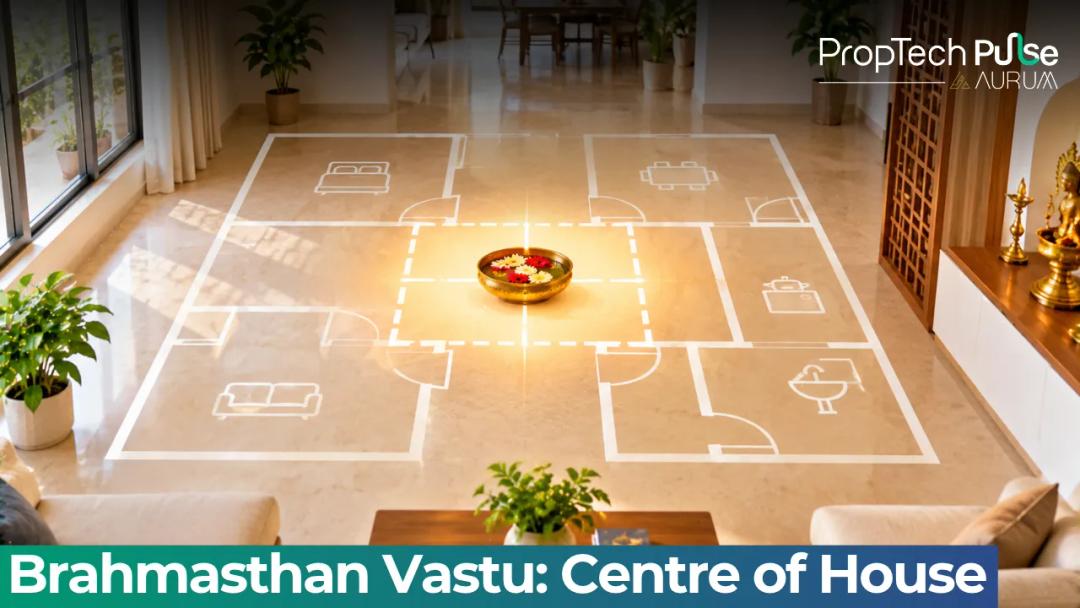
Vastu outlines spatial arrangements based on five elemental forces: earth, water, fire, air, and space. Many families treat these guidelines as a heritage habit handed down through generations rather than a rigid set of laws.
When professionals ask whether is vastu scientific, the honest answer remains balanced. Certain practices align neatly with modern environmental design, while others purely reflect cultural symbolism.
Facing a living room toward the eastern side lets in bright morning sunlight, which naturally dries out seasonal dampness and improves daytime mood.
However, Vastu measurements do not substitute for load-bearing calculations or electrical safety protocols. Homeowners must never sacrifice structural integrity or compromise wiring standards just to satisfy a compass reading or a directional preference.
The industry increasingly blends these traditions into functional designs. Pulse's analysis on how vastu shastra fits into real estate development shows how modern architects weave these cultural preferences into layouts that remain fully compliant with municipal building codes. You do not have to choose between respecting tradition and building a structurally sound home.
Top Vastu Myths and Facts That Save You Money
The conversation around vastu myths and facts often gets buried under aggressive marketing from consultants eager to sell expensive corrective measures. Before handing over deposit cheques or scheduling heavy machinery, understand the financial reality behind popular beliefs.
| Popular Belief | Reality and Cost Impact |
|---|---|
| Structural demolition is mandatory to fix Vastu defects. | Breaking floors or shifting load-bearing walls costs lakhs and risks the building frame. Minor paint shifts, strategic mirrors, and indoor plants resolve 90% of issues. |
| South and West-facing homes bring financial ruin. | These properties frequently sell lower because of buyer hesitation. A simple shading screen and cross-ventilation handle the afternoon heat efficiently. |
| You must break a wrongly placed kitchen or bathroom. | Ripping out tiled plumbing works is a developer's worst nightmare. Reorienting the stove slightly or adding heavy wardrobes against shared walls neutralises the fault. |
| Daily decorations guarantee sudden wealth or health breakthroughs. | Copper bowls and salt lamps cannot fix leaking roofs or poor airflow. Comfortable environments attract positive energy, not isolated ornaments. |
| Estimated savings by ignoring demolition myths | ₹10 to ₹25 lakhs per unit |
Myth: Structural demolition is needed to fix Vastu.
Sales pitches frequently use this narrative as the quickest method for contractors to bloat repair budgets. Moving a core column or cracking a kitchen slab invites long-term engineering hazards and drains finances unnecessarily.
In almost every home, shifting the stove slightly to the southeast or swapping heavy tiles for lighter tones does the trick. Arranging movable furniture achieves the intended energetic balance without damaging concrete structures.
Myth: South and West-facing homes bring misfortune.
Real estate listings frequently sit longer and trade at discounts because of this persistent fear, creating surprisingly easy acquisition opportunities for budget-focused investors.
A south-facing structure simply absorbs intense afternoon solar gain, which becomes entirely manageable through deeper balcony overhangs, strategic louvers, and thick exterior shutters.
A west-facing apartment feels gloomy only if the glass area is tiny, proving this is a construction quality failure rather than a spiritual penalty.
Research highlighted in the FAQ: how does vastu affect resale value indicates that resolving minor cosmetic quirks dramatically lifts prospective buyer confidence during site visits. Correcting window treatments and decluttering entryways produces faster sale timelines than any major structural overhaul.
Myth: You must break a wrongly placed kitchen or bathroom.
Locating a washroom in the northeast corner triggers immediate alarm in traditional readings. While older manuscripts discourage this position, destroying active plumbing networks guarantees massive hassle and future leakage risks.
Multi-story developments routinely compress exact corner alignments to prioritise staircase cores and elevator shafts.
Keeping toilet lids firmly shut, upgrading exhaust fans, and concealing sharp angles behind tall storage units sufficiently addresses standard concerns.
Myth: Decorative remedies guarantee wealth and health.
Hanging brass pyramids, wind chimes, and oversized copper vessels across every hallway looks visually chaotic and offers zero structural benefit.
These objects drift into pure vastu superstition when vendors market them as magic cures for business losses or medical conditions.
Concentrate efforts on clearing blocked windows, opening up stagnant central courtyards, and maintaining unobstructed pathways. Peaceful, breathable interiors generate genuine wellbeing; metal trinkets cannot.
These vastu myths cost homeowners dearly when taken literally, yet they ignore how basic ventilation dictates daily comfort more than misplaced ornaments ever could.
Myth: Vastu rules cannot apply to apartments.
High-rise apartments provide remarkably flexible environments for practical Vastu applications since residents fully control interior zoning despite sharing external facades.
You cannot relocate the primary entrance gate, yet you completely dictate bedroom orientations, kitchen workflows, and dedicated prayer zones inside your unit.
Data in the FAQ: how important is vastu for flat resale confirms a clear trend among second-hand buyers.
They consistently prioritise units featuring well-aligned sleeping quarters and cooking areas, even within fixed shell footprints.
Deploying strategically placed area rugs, thoughtfully arranged office desks, and appropriate ambient lighting resolves almost every internal layout conflict without touching the main door.
Myth: Toilet seat direction is a strict scriptural rule.
Homebuyers frequently obsess over ensuring the toilet bowl faces exactly east or west when seated. Ancient architectural texts primarily govern the gross placement of the washroom relative to the overall plot boundaries rather than enforcing precise seat rotations.
Contemporary sanitation standards depend entirely on high-velocity ventilation, reliable waterproof membranes, and scheduled grout cleaning to preserve sanitary conditions.
Eliminating drain blockages and reducing bathroom humidity delivers vastly superior daily comfort than worrying about limb positioning.
Vastu Superstition vs. Comfort: Does Vastu Really Work?
Addressing does vastu really work requires separating emotional reassurance from physical infrastructure. Separating genuine vastu myths from practical design principles requires looking at daily comfort first.
For homeowners valuing cultural continuity, following these guidelines delivers profound psychological security. Knowing your residence respects ancestral spatial logic quietly lowers everyday stress levels.
Genuine discomfort emerges solely when owners prioritize theoretical rules over livability.
Massive entertainment units protruding into narrow corridors stifle movement and trap stale air.
Unlit passageways naturally depress mental states irrespective of any protective talismans mounted overhead. Blending traditional customs with functional airflow management produces residences that comfortably endure Indian weather patterns.
The glossary entry explaining why vastu compliance matters in residential design clarifies how reputable developers systematically evaluate these preferences before drafting blueprints. Harmonising daily convenience with cultural respect yields lasting returns.
Practical Vastu Checklist for Flats and Existing Homes
Implementing straightforward interior adjustments protects your capital while honouring traditional spatial preferences. Execute these modifications without calling heavy contractors:
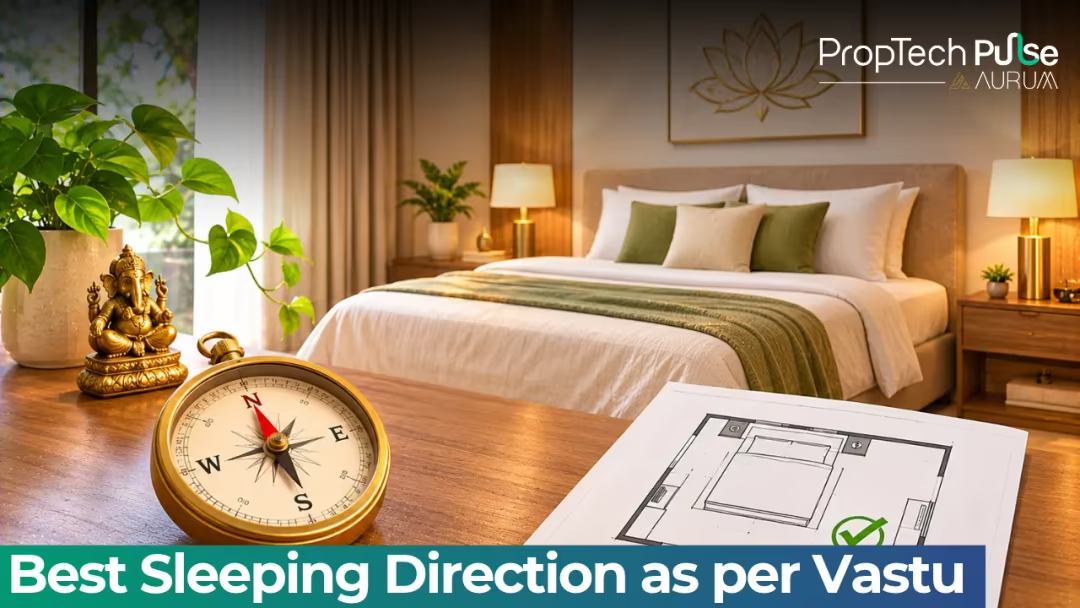
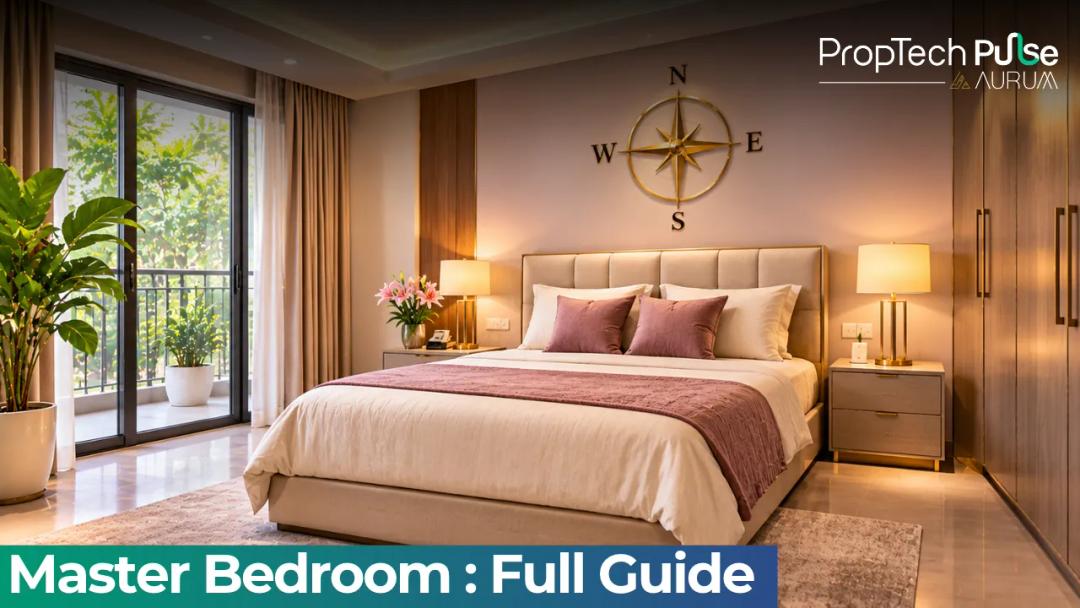
- Position the master bed thoughtfully: Arrange the largest mattress so occupants clearly see the main door while sleeping diagonally away from bathroom walls. Avoid resting your head directly beneath exposed ceiling beams.
- Anchor the south-west zone: Reserve the southwest corner of your flat exclusively for heavier furnishings, main bedrooms, and secure lockers. Grounding dense furniture in this quadrant matches traditional stability requirements.
- Optimise the kitchen stove: Align the primary burner toward the southeast quadrant whenever the existing piping allows. Activating fire in this sector reduces moisture accumulation near western walls.
- Establish a quiet prayer shelf: Carve a small reading nook or mandir alcove in the northeast portion of the living space. Ensure worshippers naturally face east or south during daily rituals.
- Remove mirror conflicts: Refrain from installing large reflective surfaces directly across the primary entryway or facing the dining table. Excessive glare scatters concentration during family meals.
- Balance wall weights: Mount heavy bookshelves and filing cabinets against southern or western boundaries. Place lightweight shelving units and study tables against northern or eastern walls.
Do This Instead Stop chasing permanent renovations for minor directional overlaps. Replace heavy structural modifications with dynamic zoning techniques like swapping cushion fabrics, rotating desk chairs, or adjusting curtain lengths.
When to Call a Consultant vs Handling It Yourself
Self-guided spatial tweaking handles approximately ninety percent of residential housing queries successfully. Taking charge of furniture placement, colour palette selection, and indoor plant integration independently saves substantial consultation fees and prevents prolonged dust exposure.
Engage an expert professional only when purchasing undeveloped land, executing complete ground-up villa construction, or navigating complex multigenerational ownership disagreements. Even then, verify their layout proposals against local municipal zoning restrictions before pouring concrete.
Final Verdict: Protect Your Investment and Respect the Tradition
Treat Vastu as a guiding philosophy for harmony, ventilation, and mental ease rather than a punitive mandate demanding concrete destruction.
Purchasing sensible properties, accepting realistic directional flaws, and executing affordable cosmetic tweaks preserves both your portfolio value and inner peace.
If you are evaluating properties soon and want Vastu guidance that fits your layout and budget, you can explore Pulse Vastu packages for professional support.
Older texts rarely mention isolated household items as standalone solutions. True spatial harmony relies on open sightlines, consistent cross-ventilation, and clutter-free pathways that match how families actually live today.
Frequently asked questions
Are south facing houses always bad according to Vastu?
No, a south-facing house simply absorbs stronger afternoon sunlight, which actively reduces seasonal humidity and limits fungal growth in hot Indian climates. Builders easily manage the extra warmth using deeper balconies, wooden louvers, and reflective window films. The property trades smoothly once the interior employs breezy cross-ventilation and cool colour schemes to balance the thermal load.
Does Vastu apply effectively to apartments and flats?
Absolutely, residential apartments represent ideal environments for practical Vastu modifications since inhabitants fully control interior subdivisions. Placing the main bedroom in the southwest quadrant works perfectly alongside a southeast kitchen stove. Preserving an open central corridor guarantees harmonious living without physically moving the entire building. Second-hand markets show high demand for these specifically arranged interiors.
Will hanging crystals and copper bowls cure all Vastu faults?
Hanging loose metal pieces fixes absolutely nothing when the root cause involves obstructed ventilation paths or hidden pipe leaks. These ritualistic objects belong strictly to ceremonial tradition and lack documented physical power to reverse financial strain or heal chronic ailments. Prioritising fresh daylight circulation, clearing floor clutter, and organising heavy furniture properly generates the genuine comfort traditionally promised by Vastu principles.
Is it necessary to change the direction I sit in the toilet?
Classical architectural manuals examine the broader geographic placement of the entire washroom relative to boundary markers rather than dictating exact bowl rotation. Modern hygiene depends entirely upon powerful exhaust extraction systems, high-grade waterproof coatings, and weekly chemical scrubbing to stop odours and mould. Eliminating sewer blockages and raising relative bathroom humidity yields drastically better daily wellness than monitoring leg orientation.
How much does it cost to fix a badly aligned Vastu layout?
Nearly all authentic Vastu corrections involve zero heavy masonry and typically stay below twenty thousand rupees for premium paints, healthy indoor vegetation, adjustable furniture layouts, and targeted mirror placements. Only extremely rare instances where the main gate occupies a forbidden zone demand substantial labour expenses. Always compare the projected renovation invoice against the potential upward shift in listing price before authorising contractors.
What should I do if my bedroom faces a sharp corner?
Jagged corners jutting directly into active lounges produce visual friction and disrupt natural walking routes. Slide a substantial wardrobe against the offending wall to mask the protrusion, fasten flowing fabric drapes along the angled seam, or place a sturdy indoor plant like a dracaena directly inside the sharp vertex. These uncomplicated soft interventions instantly dissolve aggressive geometric lines.
Sources
- Uttar Pradesh Real Estate Regulatory Authority: Building compliance and builder disclosure norms (accessed October 2026)
Enjoyed this blog article? Visit PropTech Pulse for more interesting blogs.


Ask Pulse Ai anything about real estate

Unlock the Latest in Real Estate
News, Infographics, Blogs & More! Delivered to your inbox.

