New Launch - India Real Estate Report 2026.

Services
Knowledge Hub
Resources
Tools

Ask Pulse Ai
Services
FOR BUYERS & RENTERS
FOR REAL ESTATE DEVELOPERS








Refer other Connectors &
Multiply IncomeRefer other Connectors
& Multiply Income
Refer KuberX & earn
commission on every
loan they get
disbursed.


Scan & Download
©PropTech Pulse 2025, All rights reserved.


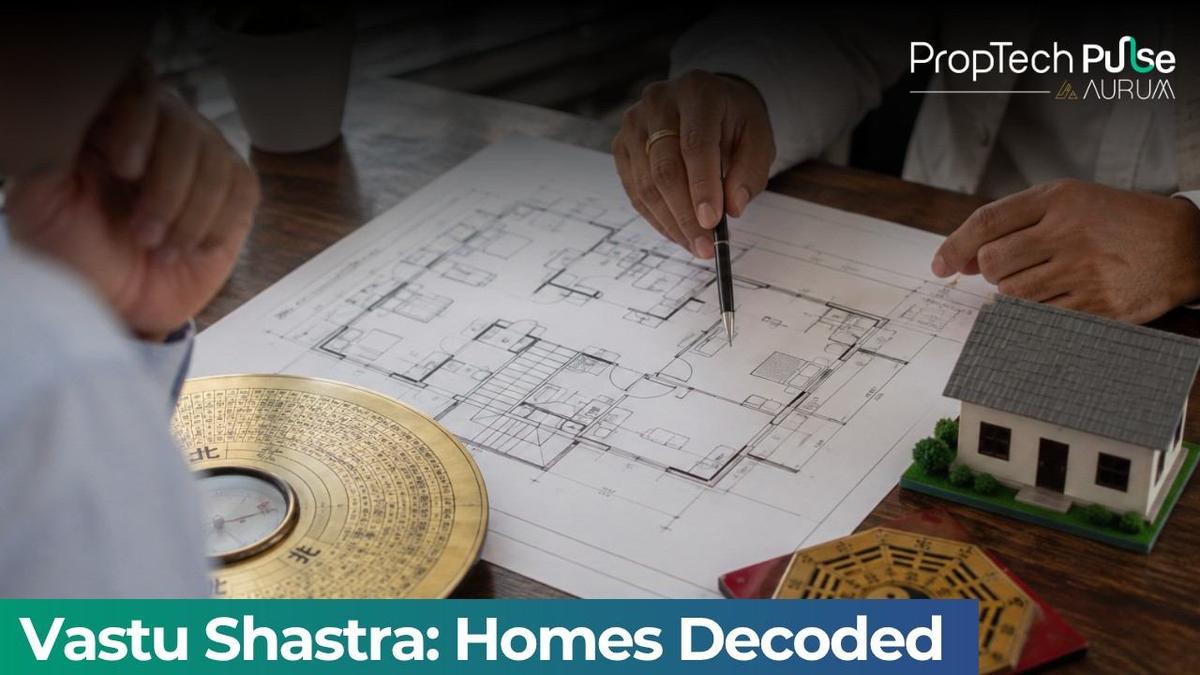
Walk into almost any property listing in India, and somewhere in the description you'll likely spot the phrase "Vastu compliant." It's one of the few ancient practices that has moved seamlessly into the modern real estate marketplace, sitting comfortably alongside floor plans, carpet area, and RERA registration numbers. For a system rooted in texts thousands of years old, Vastu Shastra has an unusually strong grip on how homes are designed, marketed, and bought today.
Whether you personally follow it or not, understanding Vastu is useful simply because so much of the market is built around it. Builders factor it into floor plans before a single brick is laid, resale listings are marketed around it, and many buyers, even those who describe themselves as only mildly superstitious, quietly use it as a tiebreaker between two otherwise similar units. Here's a practical look at what Vastu actually says, where it shows up in real estate decisions, and how much weight it genuinely carries.
What Vastu Shastra Actually Is
Vastu Shastra is a traditional Indian system of architecture that maps the layout of a building to the cardinal directions, the elements (earth, water, fire, air, and space), and the flow of energy through a space. The underlying idea is that a home designed in harmony with these natural forces supports the health, prosperity, and wellbeing of the people living in it.
It shares some conceptual ground with feng shui, though the two developed independently and follow different principles. In India, Vastu isn't treated as a fringe belief. It regularly influences decisions made by architects, developers, and buyers across price segments, from affordable housing to luxury villas.
Vastu Principles That Influence Property Value
Certain Vastu preferences show up so consistently in buyer demand that they have a measurable effect on how a property is priced and how quickly it sells. A few of the most influential:
- Plot shape: square or rectangular plots are considered ideal, while irregular or triangular plots are seen as less favourable and often sell at a discount regardless of location
- Main entrance direction: north and east-facing entrances are widely preferred, since these directions are associated with the sun's path and are believed to invite positive energy and prosperity into the home
- Road-facing orientation: a plot or unit facing a road on the north or east side is often marketed as a premium feature, sometimes commanding a noticeably higher price than an identical unit facing south or west
- Corner plots: these are treated carefully in Vastu, some corner orientations are considered auspicious, while others are seen as needing correction through design adjustments
Developers are well aware of this demand pattern. It's common to see a genuine price difference, sometimes five to ten percent, between two otherwise identical units in the same building simply based on their facing direction and floor Vastu.
Room by Room: Common Vastu Guidelines
Beyond the overall plot and entrance, Vastu principles extend into how individual rooms are positioned within a home. These are some of the most commonly followed guidelines in residential design:
- Kitchen: ideally placed in the southeast corner of the home, associated with the fire element, with the cook facing east while at the stove
- Master bedroom: typically positioned in the southwest, considered the most stable direction and associated with grounding and stability for the head of the household
- Pooja or prayer room: generally placed in the northeast, seen as the most spiritually significant direction and kept free of clutter
- Staircases: preferred in the south or west of the home, and ideally built in a clockwise direction rising from the ground floor
- Bathrooms and toilets: usually planned in the northwest, and specifically avoided in the northeast, which is considered the most sensitive zone in the home
Architects working on Vastu-conscious projects often build these preferences into the base floor plan itself, rather than treating them as an afterthought, since retrofitting a completed structure to meet Vastu guidelines is far more difficult and expensive.
Vastu Compliance in the Modern Real Estate Market
In a market that has become more transparent and buyer-driven since the introduction of RERA, Vastu has held its ground as a genuine commercial consideration rather than fading into a purely traditional practice. A few ways this shows up today:
- Project brochures and listing portals routinely include a "Vastu compliant" tag as a searchable filter, alongside amenities and configuration
- Many developers hire a Vastu consultant during the design phase itself, treating it as part of the architectural process rather than a post-construction fix
- Resale properties that are known to be non-compliant, particularly those with toilets in the northeast or missing corners in unfavourable zones, often take longer to sell or are priced more conservatively
- NRI buyers, in particular, frequently request Vastu compliance as a non-negotiable criterion, even when purchasing a home they may not occupy immediately
This isn't limited to Tier 1 metros either. Vastu consciousness is, if anything, even stronger in Tier 2 and Tier 3 cities, where buyers often have closer ties to traditional practices and a greater ability to be selective given a wider supply of available plots and units.
Common Vastu Myths Worth Questioning
As Vastu has grown into a mainstream marketing feature, a few misconceptions have grown alongside it. Being aware of these can help buyers make more informed decisions rather than over-correcting for issues that don't carry the weight they're often given:
- "Any Vastu defect can be fixed with remedies": while consultants often suggest mirrors, wind chimes, or specific colours to correct minor imbalances, structural issues like a poorly placed staircase or an irregular plot shape are far harder to meaningfully correct without significant renovation
- "A south-facing home is always inferior": south-facing properties are simply treated differently in Vastu, not automatically flawed, and with the right internal layout adjustments, many south-facing homes are considered perfectly balanced
- "Vastu compliance guarantees a good investment": a Vastu-compliant unit in a poorly connected location, or from a developer with a weak delivery track record, will still underperform a non-compliant unit in a strong micro-market
- "Older Vastu texts translate directly to modern apartment living": classical Vastu Shastra was written for independent homes on open plots, and many principles need reasonable adaptation, rather than rigid application, when applied to high-rise apartment layouts
Separating genuine structural wisdom, like ventilation, natural light, and sensible room placement, from purely symbolic elements can help buyers apply Vastu thoughtfully rather than anxiously.
How Much Weight Should Vastu Actually Carry
It's worth being clear-eyed about what Vastu is and isn't. It is a belief system with deep cultural roots and genuine market influence, but it is not a substitute for structural quality, legal due diligence, or sound financial judgment. A north-facing entrance on a building with poor construction quality or unclear title documents is still a bad investment.
The most sensible approach most buyers take is treating Vastu as one factor among several, alongside location, connectivity, builder reputation, and legal clarity, rather than the deciding factor on its own. If Vastu compliance matters to you personally, it's reasonable to prioritize it, but it shouldn't come at the cost of skipping the fundamentals that actually determine whether a property is a safe, sound purchase.
Good real estate decisions balance tradition with due diligence, and Vastu works best as part of that balance, not instead of it.





Ask Pulse Ai anything about real estate

Unlock the Latest in Real Estate
News, Infographics, Blogs & More! Delivered to your inbox.