

©PropTech Pulse 2025, All rights reserved.

What is Mobile App Integration?
What is Mobile App Integration?
Mobile App Integration weaves together smartphone-based systems with broader operations, letting occupants or administrators access asset information, pay bills, submit service requests, or track usage from anywhere. Through app-based platforms, owners and service providers can share updates, process occupant feedback, and reduce manual paperwork.
- Remote Access: Occupants handle tasks (rent payment, visitor logs, facility bookings) via their phones.
- Push Notifications: Instantly inform users of policy changes, security alerts, or event reminders.
- Data Synchronization: Consolidates occupant records, maintenance logs, and financial details.
- Enhanced User Experience: Simplifies daily tasks, building occupant loyalty.
By blending convenience and real-time connectivity, mobile app integration fosters efficiency, cuts communication lag, and streamlines the occupant-manager relationship.
Insight Pulse
Uncategorized
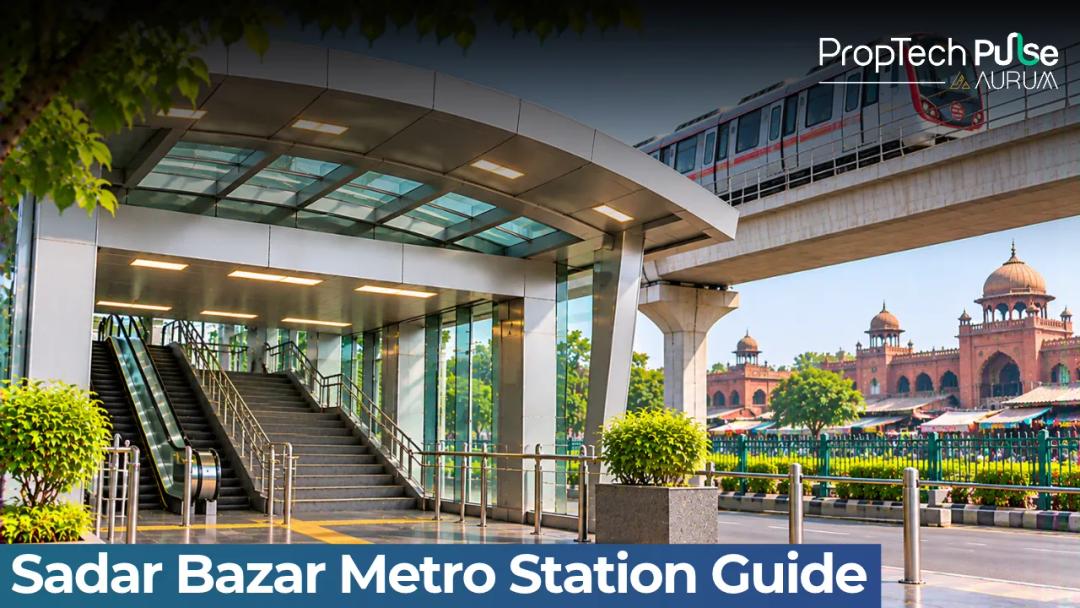
Sadar Bazar Metro Station: Routes, Timings & Access 2026
Search for a sadar bazar metro station and you get two entirely different results. One drop you straight into India's largest textile and cosmetics wholesale market. The other places you at a quiet residential enclave surrounded by defence service quarters. Pick the wrong stop, and you waste an hour crossing central Delhi with your luggage or stock samples. This guide splits the confusion immediately. Read the decision matrix below to identify your actual destination, then follow the precise transit blueprint built for commuters, traders, and property seekers moving through the capital. In this guide Old Delhi vs Delhi Cantonment: Avoiding the Most Common Mistake Reaching the Famous Old Delhi Wholesale Market Reaching Delhi Cantonment Residents and Employees Step-by-Step Transit Guide from Major City Hubs Practical Travel Information: Timings, Fares & Safety Before You Step Out: A Simple Decision Rule Frequently asked questions Old Delhi vs Delhi Cantonment: Avoiding the Most Common Mistake Quick answer The nearest metro station sadar bazar depends entirely on whether you are visiting the historic wholesale markets or staying in the defence cantonment. Tis Hazari (Red Line) serves the commercial belt. Sadar Bazar Cantonment (Magenta Line) serves the residential and office zone. Choose based on your final destination, not the station name. Delhi carries two locations sharing this historic name. A quirk of colonial urban planning trips up tourists and daily commuters alike. The Old Delhi version refers to a sprawling commercial district dating back centuries. Meanwhile, the Delhi Cantonment version marks a planned residential and administrative area established under British military guidelines. They sit roughly six kilometres apart. Railway yards and high-density urban fabric keep the zones separated. Navigation apps default to the Cantonment stop. They see an exact name match. That trips up wholesale buyers instantly. You get dumped miles from your client meeting. Residents booking taxis at Tis Hazari face the reverse problem. Short rides turn into crowded market trams carrying heavy sample cases. Pick the correct stop first. It saves both hours and dead-haulage charges. Side-by-side comparison of both Sadar Bazar destinations in Delhi Destination Type Nearest Metro Station Serving Line Distance to Final Stop Best Last-Mile Option Old Delhi Wholesale Market Tis Hazari Red Line 1.8 km E-rickshaw queue behind Exit 3 Delhi Cantonment Residences Sadar Bazar Cantonment Magenta Line 400 m Walk or shared auto Cotton & Textile Traders Chawri Bazar Yellow Line 1.2 km Shared auto from Block B Average Round-Trip Cost Per Person ₹80 to ₹120 (metro fare + e-rickshaw) Reaching the Famous Old Delhi Wholesale Market The Old Delhi market zone operates on early mornings. Crowds surge before 09:00 AM as shopkeepers haul inventory carts out of narrow lanes. Picking the correct station exit requires attention. Bypass the main thoroughfare before lunchtime heat sets in. Tis Hazari Station (Red Line): The Closest Gateway Tis Hazari sits directly on the National Railways line that bisects the commercial district. Trains arrive every four minutes during weekday peaks. Stand far back from the yellow tactile paving. The platform edge drops sharply three metres into the track trench. Once on the stairs, follow signs marked Exit 3. Exit 1 forces pedestrians across four busy lanes. Exit 3 places you at the start of the paved ramp. Cut straight down toward the textile wholesalers. At ground level, the e-rickshaw bundh forms immediately to your left. Rates stay fixed for standard routes, usually ₹60 to ₹90. Keep sample boxes ready. Metered autos wait further ahead. City tariffs push fares up by ten or fifteen rupees. If you are scouting premises for a trading unit, check local zoning laws first. Then read our guide on what to buy before committing capital to physical stalls in the dense cotton corridors. Chawri Bazar and R.K. Ashram Marg: Strategic Alternatives Chawri Bazar anchors the southern entrance of the wholesale belt. Located on the Yellow Line, it catches heavy footfall from south Delhi suburbs and Dwarka. The station feeds straight into Chandni Chowk, placing you within a ten-minute walk of the smaller wholesale clusters. R.K. Ashram Marg sits slightly further east. It offers a quieter disembarkation point. Trains arrive more frequently here during peak school hours. Both stops demand crossing active railway lines. Pedestrian jams spike past 11:00 AM. Delivery vans clog the streets. Travelers from Noida or Ghaziabad skip Kashmere Gate entirely. Alight at either Yellow Line stop instead. That routing saves twenty minutes. Morning rush hour spills are avoided completely. Reaching Delhi Cantonment Residents and Employees This address belongs to a fundamentally different ecosystem. British-era barracks and government housing boards line the streets. A residential sanctuary doubles as an administrative node. Roads stretch wider. Traffic stays light. Commerce gives way to routine logistics. Sadar Bazar Cantonment Station (Magenta Line) Setup and Facilities The Magenta Line terminal opened in May 2018. Phase II linked Rohini to Botanical Garden. Hindi and English announcements play automatically. Elevator banks anchor the concourse centre, running straight from street level to the retail mezzanine. The layout rewards quick orientation. Four exits align perfectly with the Defence Colony grid. Aim for the western gate if you target Shekhawati Lines bungalows. East exits dump you straight into perimeter markets. Picking the correct door cuts walking time in half. DTC feeder buses handle local transit. Internal shuttles remain strictly for defence staff. Outsiders without valid ID cards occasionally trigger checkpoint screenings. Bring printed lease agreements when visiting commercial contacts. Homebuyers evaluating rental yields in this pocket should verify the builder credentials upfront. Cross-check every development against RERA registered projects to avoid unapproved floor-space index violations that plague older conversion buildings near the canal edges. Step-by-Step Transit Guide from Major City Hubs Most commutes start outside easy walking range. Journeys branch off central railheads, airport terminals, or outer ring intersections. Mapping optimal transfer points prevents circular routing. It also stops boarding passes from triggering inter-terminal scanning penalties. Time-saved routing matrix for common origin points Origin Point Recommended Route Total Trip Time Interchange Advantage IGI Airport Terminal 3 Blue Line → Central Secretariat → Yellow Line → Tis Hazari 55 minutes Avoid Kashmere Gate transfer; save 15 minutes New Delhi Railway Station Walk to Rajiv Chowk → Yellow Line → Tis Hazari 35 minutes Direct platform alignment; minimal escalator dependency Noida Sector 18 Yellow Line direct → Tis Hazari 45 minutes No interchanges required; seat availability guaranteed Dwarka Sector 21 Blue Line → Central Secretariat → Yellow Line → Tis Hazari 50 minutes Same tunnel transfer benefit as airport route The Central Secretariat tunnel runs parallel between the Blue and Yellow platforms. Carrying heavy goods proves faster here than fighting queues at Kashmere Gate bridges. Weekday afternoon waits rarely stretch past four minutes. Peak junction nodes drag thirty-minute delays instead. Practical Travel Information: Timings, Fares & Safety DMRC schedules stay strict across all corridors. First trains roll out at 05:50 AM. Final departures leave at 09:48 PM. Morning frequencies compress to four-minute intervals. Evening stretches drag to twelve minutes. Cancellations trigger rapid SMS alerts to registered accounts. Fares scale linearly with distance. Single-zone hops start at ₹10. Cross-city routes max out around ₹60. Children under five bypass turnstiles alone. Accompanying adults grab free tokens at customer care counters. Security protocols flip between zones. Old Delhi demands constant situational awareness. Pickpockets exploit cart congestion and narrow stairs. Keep zipped bags forward-facing. Cantonment enforcement runs tighter. Police patrols rotate hourly along boundary rings. Show IDs quickly to avoid delays. Travelers relying on digital payments should preload value onto their Delhi Metro Card or NFC-enabled bank cards. Ticket vending machines occasionally reject foreign-issued chips. Offline cash reserves covering at least ₹150 remain essential for spontaneous last-mile adjustments. Before You Step Out: A Simple Decision Rule Your choice boils down to one question. Are you carrying stock or meeting a resident? Wholesale invoices point straight to Tis Hazari. Defence Colony meetings head toward the Magenta Line. Check the sadar bazar metro station map on the DMRC app for dual-day plans. Hitting both areas back-to-back burns cash and traps you in transit bottlenecks. Footwear beats packing capacity here. Pavement gradients demand durability over speed. Review the routes through Old Delhi first. Civic utility repairs force regular detours. Validate property listings against locality guides before booking site visits. Reliable navigation preserves capital that vanishes on wasted trips. Frequently asked questions Which Delhi Metro line connects to Sadar Bazar? Two separate lines serve destinations with this name. Tis Hazari on the Red Line handles the massive Old Delhi wholesale trade hub. The Magenta Line terminates at Sadar Bazar Cantonment, catering strictly to Defence Colony residents and defence service staff. Verify your exact destination on a map before swiping your card. Is there a metro station right at the Sadar Bazar market? Tis Hazari sits exactly on the railway tracks running between Sadar Bazar and Jama Masjid. The station exit dumps passengers onto a pedestrian bridge. You walk roughly two hundred metres down the ramp to reach the main gate. It is the closest possible rail link, though you still pay an auto or e-rickshaw fee for the final stretch. How to reach Sadar Bazar from Indira Gandhi International Airport by metro? Board the blue airport express branch at Terminal 3 and ride to Central Secretariat. Change trains on the same platform heading toward Samaypur Badli. Ride twelve stops to Tis Hazari and step out carrying heavy merchandise. The entire trip costs around forty-five rupees and takes fifty-five minutes outside peak traffic windows. What is the first and last metro timing for Sadar Bazar station? Trains begin service at 05:50 AM daily. The final departure runs at 09:48 PM, consistent across most northern corridors. Weekend holidays see identical schedules unless a special train roster applies. Plan your return journey to avoid missing the cutoff, especially when leaving the market after dusk when street vendors close their shutters. Does the Magenta Line station have parking facilities? Limited space exists outside the Cantonment exit. Dedicated two-wheeler slots fill up by 08:00 AM. Four-wheel vehicle parking remains sparse because the neighbourhood prioritises pedestrian and shuttle routes. Commuters usually park at Shahdara or Okhla and switch to the metro for reliable daily entry. Sources New Delhi Metro Rail Corporation (NDMRC): Operating hours, frequency intervals, base fare tables, and emergency cancellation notices (accessed November 2026) Enjoyed this blog article? Visit PropTech Pulse for more interesting blogs.

PropTech Pulse Editorial
24th November 2026
Uncategorized
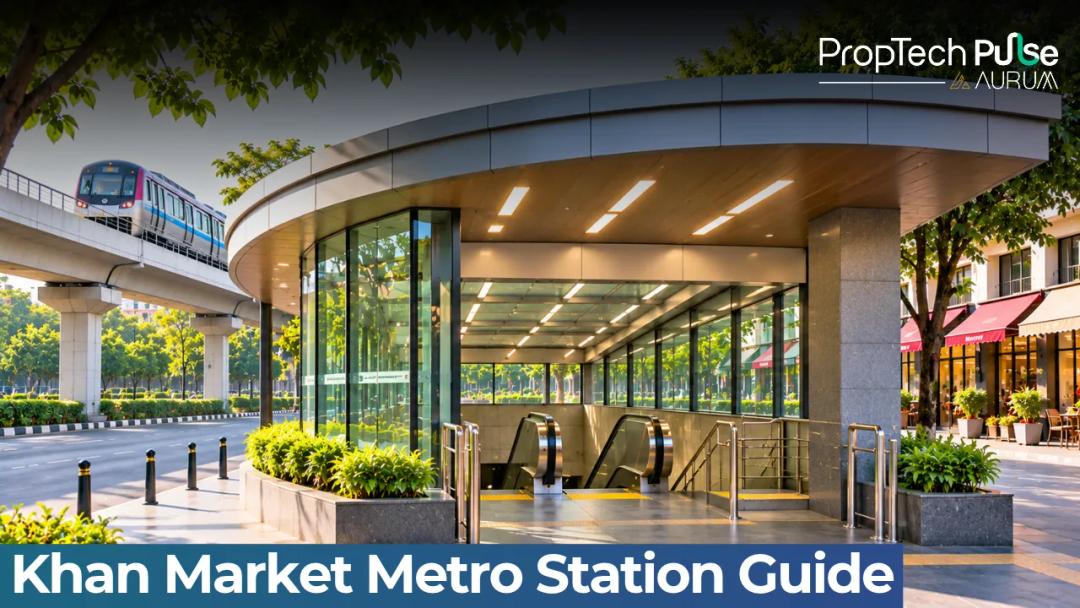
Khan Market Metro Station Guide 2026: Routes & Timings
Relying on Khan Market metro station for your daily commute requires knowing exactly how to enter. We also map its precise location relative to Golf Links and Lodhi Colony. You will find verified 2026 operational hours, accurate fare slabs, and direct walking timings to India Gate. In this guide What is Khan Market Metro Station? Station exits mapped to key landmarks Violet Line route and interchange logic Timings, frequency, and fare structure Walking distance to India Gate Transit proximity and property dynamics Before you book or commute: deciding on Khan Market Frequently asked questions What is Khan Market Metro Station? Quick answer Khan Market metro station sits on the Violet Line of the Delhi Metro. It operates as an underground station in central Delhi near pincode 110003. The station provides direct street-level access to residential zones like Golf Links and Lodhi Colony, alongside major commercial hubs. It opened fully on 3 October 2010 and serves commuters traveling between Faridabad in the south and Raja Nahar Singh in the north. Situated entirely below ground level, the infrastructure protects commuters from Delhi’s summer heat and monsoon rains while managing dense foot traffic efficiently. Standard facilities include automated teller machines, elevator access for passengers with disabilities, public washrooms, and a dedicated medical room. Knowing which gate aligns with your destination cuts unnecessary walking time during peak hours. Station exits mapped to key landmarks Four clearly marked entry and exit gates serve the platform. Stepping out of the wrong gate usually adds ten minutes to your walk. Use this breakdown to plan your route before reaching the escalators. Gate 1: UPSC Bhawan and Delhi High Court This gate opens directly onto Shahjahan Road and Pandara Road. Civil services aspirants heading to UPSC Bhawan or legal professionals visiting the Delhi High Court complex should exit here. It drops you onto the busiest civic street in central Delhi. Gate 2: Golf Links and Pandara Road Passengers aiming for the quieter edges of Golf Links prefer this route. Residents living inside the Golf Links bungalows usually use it. It keeps you away from the heavier pedestrian flow coming from the market side while offering ramp access for wheelchair users. Gate 3: Lodhi Road and Ambassador Hotel Lodhi Road commuters take Gate 3. The exit aligns with the path leading to The Ambassador Hotel. It offers straightforward walking routes toward Lodhi Estate apartments without getting tangled in the chaotic market crossing further down the road. Gate 4: Lok Nayak Bhawan and Khan Market If you are heading to Lok Nayak Jai Prakash Ashraf Memorial Hospital or want to reach the shopping complex immediately, Gate 4 is designed for you. Locals note it handles the heaviest footfall during weekday lunch hours. It drops passengers right next to popular cafes and retail outlets. Read our locality overview for delhi khan market rabindra nagar delhi to explore the broader neighbourhood ecology beyond just the metro exits. For those tracking rental spikes around transit nodes, understanding gate proximity helps explain why some Khan Market flats command higher rents than others. See our analysis on how proximity to a metro station affects apartment pricing to see how location mechanics work across Indian cities. Violet Line route and interchange logic The Khan Market metro route connects two major corridors of National Capital Region movement. Because it runs underground between Central Secretariat and Jashpur, the station acts as a vital bridge between the city center and the southern extension suburbs. The tunnel stretches nearly two kilometres beneath historic streets, requiring heavy-duty ventilation systems that run continuously even when train movements pause. Southbound: Reaching Faridabad via Nehru Place and Kalkaji Heading south from the station, trains stop at key junctions before reaching the terminal at Raja Nahar Singh. Major stops include: Mandi House (interchange to Blue Line) Jasola Apollo Nehru Place (commercial hub and interchange) Kalkaji Mandir Hauz Khas Ferozpur Nagari Ghitorni Ajmal Khan Raja Nahar Singh (Faridabad terminal) Northbound: Reaching Central Secretariat and Kashmere Gate Trains moving north toward the heart of Old and New Delhi connect with the Red and Yellow lines at crucial nodes: Central Secretariat (interchange to Yellow Line for Dwarka and Samaypur Badli) Kashmere Gate (interchange to Red and Yellow Lines) Plan your cross-city trip carefully. Checking the full delhi metro violet line stations fares and timings 2026 helps you avoid missing connecting platforms during rush hours. Timings, frequency, and fare structure Reliability remains the main advantage of the Violet Line for professionals working in central Delhi. Trains operate with tight intervals, meaning you rarely wait long even during peak commuting windows. Operational Hours: First Train North (towards Kashmere Gate): 05:53:22 AM Last Train North (towards Kashmere Gate): 11:58:28 PM First Train South (towards Raja Nahar Singh): 06:08:40 AM Last Train South (towards Raja Nahar Singh): 11:18:38 PM Train Frequency: Peak hours (8:00 AM – 12:00 Noon, 5:00 PM – 9:00 PM): Every 4 to 7 minutes Off-peak hours (Start of service – 8:00 AM, 12:00 PM – 5:00 PM, 9:00 PM – Closing): Every 8 to 12 minutes Peak Hour Tip If you work near Mandi House or Central Secretariat, catching the first train of the day leaves you at your desk before 8:30 AM. The return journey sees the heaviest crowding between 7:00 PM and 9:00 PM. Fare Structure (Distance-Based): Normal and Smart Card Metro Fares by Distance Distance (KM) Normal Fare (₹) Smart Card Fare (₹) 0 – 2 10 9 2 – 5 20 18 5 – 12 30 27 12 – 21 40 36 21 – 32 50 45 Above 32 60 54 Using a Smart Card reduces your per-trip cost slightly while cutting down ticket counter queues. Commuters who travel more than three times a week save roughly ₹100 monthly compared to buying paper tickets. Walking distance to India Gate A pedestrian can cover the route in roughly 1.1 kilometres by road. The most common path is shorter due to the layout of the surrounding colonies. It takes about fifteen minutes to walk. Step out through Gate 1 or 2, head northwest along Pandara Road or Shantipath, and merge onto the ring road toward India Gate. The route stays flat and well-lit all evening. Investors consider properties near Khan Market partly because of this extreme walkability. Direct access to India Gate and Rajpath boosts the locality’s prestige. Diplomatic staff and senior corporate tenants sustain steady rental demand in the immediate radius. Transit proximity and property dynamics Vendors in central Delhi price units based on step distance to transit nodes. Properties sitting within three hundred metres of Khan Market station typically command a premium. That markup reflects reduced dependence on private vehicles and faster access to employment clusters like Connaught Place and Cyber City. Older freehold bungalows in Golf Links trade at higher per-sq-ft rates than converted apartments. They sit closer to green belts and enjoy stricter municipal enforcement on illegal extensions. Flats built in the late nineties often feature smaller floor plates. Buyers searching for modern layouts usually look toward mid-rise towers near Khan Market Phase 1. Parking remains a persistent constraint in this pocket. Many older buildings share narrow lanes that cannot accommodate parallel parking for multiple vehicles. Tenants frequently secure basement slots months before taking possession. Always clarify parking allocation inside the sale agreement before finalising numbers. Rental yields here track consistently above central Delhi averages. Short-term leases cater to expatriates posted at nearby embassies and hospitals. Annual escalation clauses normally range between five and eight percent depending on interior finish quality. Before you book or commute: deciding on Khan Market This zone suits buyers who want absolute convenience. Morning traffic jams on Lodhi Road and Mathura Road disappear completely when you switch to rail. Ground-floor units in older complexes sometimes face drainage stagnation during heavy monsoons. Always verify independent water storage and transformer capacity before signing papers. Premium finishes and diplomatic neighbourhood energy define this precinct. Buyers seeking brand-new societies with sprawling clubhouses should compare southside options along the Violet Line instead. Frequently asked questions What is the last train timing from Khan Market metro station? Yes, the last trains depart at 11:58 PM towards Kashmere Gate and 11:18 PM towards Raja Nahar Singh, so plan accordingly. Commuters heading home from late office meetings in Nehru Place still have plenty of time to catch their ride back without rushing. Which Delhi Metro line is Khan Market station on? It sits directly on the Violet Line, positioned underground between Central Secretariat and Jasola Apollo. This placement makes it highly accessible for anyone commuting from the southern suburbs or the old city centers. How to go from Khan Market metro to India Gate? You will find the iconic landmark is roughly a fifteen-minute walk from any of the station's four exits. Head northwest using Pandara Road or Shantipath, then join the ring road that wraps around India Gate and Rajpath. The route is flat, well-lit, and heavily frequented by pedestrians. What are the different gates at Khan Market metro station? Four main gates handle passenger flow, each pointing toward specific destinations. Gate 1 leads to UPSC Bhawan and the High Court, Gate 2 connects to Golf Links and Pandara Road, Gate 3 serves Lodhi Road and the Ambassador Hotel, while Gate 4 drops passengers directly next to Lok Nayak Bhawan and the Khan Market shops. Sources Delhi Metro Rail Corporation official portal: Station layout, facility inventory, and operational status (accessed November 2026) Enjoyed this blog article? Visit PropTech Pulse for more interesting blogs.
PropTech Pulse Editorial
24th November 2026

Uncategorized
Posh Areas in Delhi 2026: Top Localities & Property Rates
If you are searching for the most exclusive posh areas in Delhi, the market points straight to the Lutyens’ Bungalow Zone (LBZ). Standalone plots in the core envelope routinely trade between ₹30 crore and well above ₹500 crore. Location, size, and architectural heritage dictate the final number. Chanakyapuri sits just behind it as the diplomatic corridor. Established residential pockets like Golf Links, Greater Kailash, Defence Colony, and Vasant Vihar form the next tier of elite address space. You do not pay these premiums for imported marble or empty swimming pools. Legal scarcity drives the valuation. Strict zoning envelopes limit new construction. Height restrictions cap the floor space index. Large plots rarely surface for sale. Regulatory walls stand near Central Vista, major hospitals, and international schools. The resulting asset class functions more like a wealth preservation vault than a standard purchase. For NRIs or salaried executives relocating to India, the choice is not which developer has the flashiest brochure. It is which colony meets strict privacy requirements, offers reliable rental yields during vacancies, and holds title clarity that survives multi-generational scrutiny. In this guide The Richest Areas in Delhi: Top Localities and Prices Why Supply is Stuck: The Rules Driving Delhi’s Luxury Prices Infrastructure and Future Yield in Posh Colonies Due Diligence for Buying in Prime Delhi Before you commit capital to elite real estate Frequently asked questions The Richest Areas in Delhi: Top Localities and Prices Quick answer Lutyens’ Bungalow Zone commands the highest prices among posh areas in Delhi. Plots exceed ₹30 crore and reach beyond ₹500 crore. Chanakyapuri follows for diplomatic status. Established suburbs like Greater Kailash, Defence Colony, and Vasant Vihar trade between ₹4 crore and ₹25 crore for quality freehold units. Lutyens’ Bungalow Zone and Golf Links LBZ covers several concentric blocks radiating from Rashtrapati Bhavan. W-Block, E-Block, and A-Block represent the oldest reserves. They feature mature foliage, wider setbacks, and uninterrupted sightlines. Plot sizes span 1,000 to over 5,000 square metres. Transactions here operate on pure freehold deeds. Golf Links borders LBZ and South Delhi. It offers slightly smaller footprints but identical prestige. Both zones trade in absolute rupee ceilings that dwarf every other residential corridor in North India. Chanakyapuri – The Diplomatic Enclave Chanakyapuri exists under a distinct legal framework. Embassy compounds, high-security quarters, and restricted movement zones create an environment where standard property mechanics break down. Pricing typically lands between ₹10 crore and ₹80 crore. The pool of eligible buyers shrinks quickly though. Foreign nationals cannot freely purchase land under normal FEMA rules. Most transactions involve long-term leases assigned to diplomatic staff. Domestic ultra-HNIs also acquire properties seeking proximity to policy centres. Average transaction bands and infrastructure links for elite Delhi localities (estimates for late 2025 to mid-2026) Locality Typical Buy Range (₹ Cr) Typical Rent (₹ Lakh/month) Key Lifestyle Anchors Nearest Metro Station Lutyens’ Bungalow Zone 30 – 500+ 5 – 25+ Central Vista, Shanti Niketan Bhawan Hailey Road / INA Golf Links 25 – 80 4 – 15 Dilli Haat, JLN Stadium IIT / INA Chanakyapuri 10 – 80 3 – 10 Embassy Complexes, Shantipath Patel Chowk / Patiala House Greater Kailash (GK1 & GK2) 4 – 12 1.2 – 4 Khan Market, APSS Hospital Greater Kailash Defence Colony 5 – 15 1.5 – 5 Ansal Apna Hospital, DDU Nagar Defence Colony Vasant Vihar 6 – 25 1.5 – 6 Safdarjung Enclave border, Select Citywalk access Mandir Marg / Hauz Khas Total comparison rows 6 distinct zones mapped Why Supply is Stuck: The Rules Driving Delhi’s Luxury Prices The architecture of scarcity starts with the Delhi Master Plan 2021. Zoning codes carved out decades ago locked vast swaths of South and Central Delhi into low-density residential envelopes. Ground coverage limits in LBZ typically cap at 30%. A 2,000 square metre plot allows only 600 square metres on the ground floor. Mandatory front, rear, and side setbacks shrink the buildable area further. Floor Space Index restrictions prevent vertical stacking beyond set heights. Unlike Gurugram or Noida, developers cannot easily assemble massive tracts here. South Centre contains thousands of micro-plots. Legacy families, religious trusts, and government departments hold most titles. Converting agricultural or institutional land inside the municipal boundary requires grueling Change of Land Use approvals. Site assembly takes years. Financing costs compound. The result is a natural production brake. New launches appear sparingly. Builders absorb longer approval cycles and higher capital costs. Base prices reflect that friction. Every new high-rise or apartment complex in these postcode rings faces intense municipal scrutiny. Building bye-laws leave little margin for error. Buyers looking under-construction schemes must verify project approvals via Delhi RERA. Confirm that sanctioned layouts match exactly what gets delivered on site. Deviations in floor plans or common area allocations often trigger payment freezes until corrections pass inspection. Diplomatic vs. Freehold Assets Chanakyapuri properties face unique foreign exchange restrictions. Under FEMA guidelines, non-resident Indians can lease residential premises for up to five years. The lease is renewable. Outright purchase is heavily restricted unless tied to special diplomatic allotments. Freehold parcels in LBZ or Golf Links remain fully transferable across resident and NRI buyers. Liquidity stays sharper. Infrastructure and Future Yield in Posh Colonies When comparing posh areas in Delhi, transit proximity dictates resale velocity in premium corridors. The Delhi Metro Network expanded Blue Line coverage through INA and Hailey Road. Commute times to Connaught Place and Rajiv Chowk shrank significantly. The Magenta Line slices directly through Defence Colony and Greater Kailash. Those colonies tie to commercial hubs and tech parks without forcing cross-city detours. Peripheral Ring Road completion improves perimeter mobility. Truck movement eases. Capital appreciation in these colonies tracks differently than in nascent submarkets. Prices rise gradually. Speculative bursts stay absent. Rental demand remains anchored by multinational headquarters, embassies, hospital networks, and elite educational institutions. Calculating monthly cash flow against holding costs requires accurate baseline data. Run current asking rents through a rental yield calculator. Premium rates stagnate only when daily convenience drops or maintenance societies fail to fund basic upgrades. Due Diligence for Buying in Prime Delhi Buying anywhere in South Centre demands tighter scrutiny than emerging corridors. Legacy conveyances sometimes rely on oral family arrangements passed down decades ago. Ensure the seller produces a clean parent deed. Trace it back at least thirty years. Order an updated Encumbrance Certificate covering that entire window. Verify building bylaws compliance so future renovations do not trigger municipal penalties. Review society NOCs if the purchase involves a converted independent floor inside a larger estate. Title searches become non-negotiable. Litigation history on boundary disputes or inheritance partitions surfaces frequently in older transactions. Map every document requirement before the agreement for sale reaches the registrar. Follow a structured property due diligence checklist to catch gaps early. Rushing signatures on high-value deals guarantees discovery of missing NOCs or unpaid society dues after possession. Before you commit capital to elite real estate Stick to freehold parcels over leasehold assignments unless the pricing discount completely offsets exit complexity. Prefer colonies where daily essentials sit within walking distance. Validate construction certificates against municipal digital records before transferring funds. Premium locations protect wealth better than speculative ones. The legal paperwork must match the physical asset. Run rental projections. Inspect maintenance track records. Treat every handshake deal as unverified until paperwork clears. Frequently asked questions Which is the most expensive area in Delhi? The Lutyens’ Bungalow Zone tops the list as the most expensive area in Delhi. Standalone plots within its boundary routinely trade between ₹30 crore and well above ₹500 crore, depending on exact positioning, plot dimensions, and heritage value. Golf Links follows closely for similar freehold advantages and comparable pricing ceilings. Is Chanakyapuri good for investment? Chanakyapuri works best for long-holding institutional or diplomatic investments rather than quick resale flips. Strict leasing regulations restrict outright ownership for most foreign nationals. Pricing typically ranges from ₹10 crore to ₹80 crore, but liquidity depends entirely on buyer eligibility categories approved under foreign exchange norms and available lease tenures. What is the cost of a 4 BHK flat in Lutyens Delhi? Expectations vary sharply because Lutyens comprises mostly standalone bungalows rather than standardized apartment complexes. Where premium apartment layouts exist, transaction values usually sit between ₹15 crore and ₹40 crore for spacious four-bedroom configurations. Smaller layouts rarely appear outside society conversions inside protected envelopes. Where do diplomats and ultra-HNIs live in Delhi? Diplomats cluster in the designated embassy precincts surrounding Chanakyapuri and Shantipath, operating under bilateral agreements. Ultra-high-net-worth individuals frequently choose Golf Links, central Lutyens, or exclusive pockets in Defence Colony where security protocols align with global standards while maintaining access to premium healthcare and international schools. How does metro connectivity affect property values in rich localities? Transit proximity directly influences resale speed and rental demand. Stations on the Magenta Line servicing Greater Kailash and Defence Colony keep mid-range luxury assets highly liquid. Blue Line extensions improve access to central business districts for LBZ residents, reducing commute friction and supporting stronger rental multiples near station exits. Enjoyed this blog article? Visit PropTech Pulse for more interesting blogs.
PropTech Pulse Editorial
24th November 2026
Uncategorized
Sadar Bazar Metro Station: Routes, Timings & Access 2026
Search for a sadar bazar metro station and you get two entirely different results. One drop you straight into India's largest textile and cosmetics wholesale market. The other places you at a quiet residential enclave surrounded by defence service quarters. Pick the wrong stop, and you waste an hour crossing central Delhi with your luggage or stock samples. This guide splits the confusion immediately. Read the decision matrix below to identify your actual destination, then follow the precise transit blueprint built for commuters, traders, and property seekers moving through the capital. In this guide Old Delhi vs Delhi Cantonment: Avoiding the Most Common Mistake Reaching the Famous Old Delhi Wholesale Market Reaching Delhi Cantonment Residents and Employees Step-by-Step Transit Guide from Major City Hubs Practical Travel Information: Timings, Fares & Safety Before You Step Out: A Simple Decision Rule Frequently asked questions Old Delhi vs Delhi Cantonment: Avoiding the Most Common Mistake Quick answer The nearest metro station sadar bazar depends entirely on whether you are visiting the historic wholesale markets or staying in the defence cantonment. Tis Hazari (Red Line) serves the commercial belt. Sadar Bazar Cantonment (Magenta Line) serves the residential and office zone. Choose based on your final destination, not the station name. Delhi carries two locations sharing this historic name. A quirk of colonial urban planning trips up tourists and daily commuters alike. The Old Delhi version refers to a sprawling commercial district dating back centuries. Meanwhile, the Delhi Cantonment version marks a planned residential and administrative area established under British military guidelines. They sit roughly six kilometres apart. Railway yards and high-density urban fabric keep the zones separated. Navigation apps default to the Cantonment stop. They see an exact name match. That trips up wholesale buyers instantly. You get dumped miles from your client meeting. Residents booking taxis at Tis Hazari face the reverse problem. Short rides turn into crowded market trams carrying heavy sample cases. Pick the correct stop first. It saves both hours and dead-haulage charges. Side-by-side comparison of both Sadar Bazar destinations in Delhi Destination Type Nearest Metro Station Serving Line Distance to Final Stop Best Last-Mile Option Old Delhi Wholesale Market Tis Hazari Red Line 1.8 km E-rickshaw queue behind Exit 3 Delhi Cantonment Residences Sadar Bazar Cantonment Magenta Line 400 m Walk or shared auto Cotton & Textile Traders Chawri Bazar Yellow Line 1.2 km Shared auto from Block B Average Round-Trip Cost Per Person ₹80 to ₹120 (metro fare + e-rickshaw) Reaching the Famous Old Delhi Wholesale Market The Old Delhi market zone operates on early mornings. Crowds surge before 09:00 AM as shopkeepers haul inventory carts out of narrow lanes. Picking the correct station exit requires attention. Bypass the main thoroughfare before lunchtime heat sets in. Tis Hazari Station (Red Line): The Closest Gateway Tis Hazari sits directly on the National Railways line that bisects the commercial district. Trains arrive every four minutes during weekday peaks. Stand far back from the yellow tactile paving. The platform edge drops sharply three metres into the track trench. Once on the stairs, follow signs marked Exit 3. Exit 1 forces pedestrians across four busy lanes. Exit 3 places you at the start of the paved ramp. Cut straight down toward the textile wholesalers. At ground level, the e-rickshaw bundh forms immediately to your left. Rates stay fixed for standard routes, usually ₹60 to ₹90. Keep sample boxes ready. Metered autos wait further ahead. City tariffs push fares up by ten or fifteen rupees. If you are scouting premises for a trading unit, check local zoning laws first. Then read our guide on what to buy before committing capital to physical stalls in the dense cotton corridors. Chawri Bazar and R.K. Ashram Marg: Strategic Alternatives Chawri Bazar anchors the southern entrance of the wholesale belt. Located on the Yellow Line, it catches heavy footfall from south Delhi suburbs and Dwarka. The station feeds straight into Chandni Chowk, placing you within a ten-minute walk of the smaller wholesale clusters. R.K. Ashram Marg sits slightly further east. It offers a quieter disembarkation point. Trains arrive more frequently here during peak school hours. Both stops demand crossing active railway lines. Pedestrian jams spike past 11:00 AM. Delivery vans clog the streets. Travelers from Noida or Ghaziabad skip Kashmere Gate entirely. Alight at either Yellow Line stop instead. That routing saves twenty minutes. Morning rush hour spills are avoided completely. Reaching Delhi Cantonment Residents and Employees This address belongs to a fundamentally different ecosystem. British-era barracks and government housing boards line the streets. A residential sanctuary doubles as an administrative node. Roads stretch wider. Traffic stays light. Commerce gives way to routine logistics. Sadar Bazar Cantonment Station (Magenta Line) Setup and Facilities The Magenta Line terminal opened in May 2018. Phase II linked Rohini to Botanical Garden. Hindi and English announcements play automatically. Elevator banks anchor the concourse centre, running straight from street level to the retail mezzanine. The layout rewards quick orientation. Four exits align perfectly with the Defence Colony grid. Aim for the western gate if you target Shekhawati Lines bungalows. East exits dump you straight into perimeter markets. Picking the correct door cuts walking time in half. DTC feeder buses handle local transit. Internal shuttles remain strictly for defence staff. Outsiders without valid ID cards occasionally trigger checkpoint screenings. Bring printed lease agreements when visiting commercial contacts. Homebuyers evaluating rental yields in this pocket should verify the builder credentials upfront. Cross-check every development against RERA registered projects to avoid unapproved floor-space index violations that plague older conversion buildings near the canal edges. Step-by-Step Transit Guide from Major City Hubs Most commutes start outside easy walking range. Journeys branch off central railheads, airport terminals, or outer ring intersections. Mapping optimal transfer points prevents circular routing. It also stops boarding passes from triggering inter-terminal scanning penalties. Time-saved routing matrix for common origin points Origin Point Recommended Route Total Trip Time Interchange Advantage IGI Airport Terminal 3 Blue Line → Central Secretariat → Yellow Line → Tis Hazari 55 minutes Avoid Kashmere Gate transfer; save 15 minutes New Delhi Railway Station Walk to Rajiv Chowk → Yellow Line → Tis Hazari 35 minutes Direct platform alignment; minimal escalator dependency Noida Sector 18 Yellow Line direct → Tis Hazari 45 minutes No interchanges required; seat availability guaranteed Dwarka Sector 21 Blue Line → Central Secretariat → Yellow Line → Tis Hazari 50 minutes Same tunnel transfer benefit as airport route The Central Secretariat tunnel runs parallel between the Blue and Yellow platforms. Carrying heavy goods proves faster here than fighting queues at Kashmere Gate bridges. Weekday afternoon waits rarely stretch past four minutes. Peak junction nodes drag thirty-minute delays instead. Practical Travel Information: Timings, Fares & Safety DMRC schedules stay strict across all corridors. First trains roll out at 05:50 AM. Final departures leave at 09:48 PM. Morning frequencies compress to four-minute intervals. Evening stretches drag to twelve minutes. Cancellations trigger rapid SMS alerts to registered accounts. Fares scale linearly with distance. Single-zone hops start at ₹10. Cross-city routes max out around ₹60. Children under five bypass turnstiles alone. Accompanying adults grab free tokens at customer care counters. Security protocols flip between zones. Old Delhi demands constant situational awareness. Pickpockets exploit cart congestion and narrow stairs. Keep zipped bags forward-facing. Cantonment enforcement runs tighter. Police patrols rotate hourly along boundary rings. Show IDs quickly to avoid delays. Travelers relying on digital payments should preload value onto their Delhi Metro Card or NFC-enabled bank cards. Ticket vending machines occasionally reject foreign-issued chips. Offline cash reserves covering at least ₹150 remain essential for spontaneous last-mile adjustments. Before You Step Out: A Simple Decision Rule Your choice boils down to one question. Are you carrying stock or meeting a resident? Wholesale invoices point straight to Tis Hazari. Defence Colony meetings head toward the Magenta Line. Check the sadar bazar metro station map on the DMRC app for dual-day plans. Hitting both areas back-to-back burns cash and traps you in transit bottlenecks. Footwear beats packing capacity here. Pavement gradients demand durability over speed. Review the routes through Old Delhi first. Civic utility repairs force regular detours. Validate property listings against locality guides before booking site visits. Reliable navigation preserves capital that vanishes on wasted trips. Frequently asked questions Which Delhi Metro line connects to Sadar Bazar? Two separate lines serve destinations with this name. Tis Hazari on the Red Line handles the massive Old Delhi wholesale trade hub. The Magenta Line terminates at Sadar Bazar Cantonment, catering strictly to Defence Colony residents and defence service staff. Verify your exact destination on a map before swiping your card. Is there a metro station right at the Sadar Bazar market? Tis Hazari sits exactly on the railway tracks running between Sadar Bazar and Jama Masjid. The station exit dumps passengers onto a pedestrian bridge. You walk roughly two hundred metres down the ramp to reach the main gate. It is the closest possible rail link, though you still pay an auto or e-rickshaw fee for the final stretch. How to reach Sadar Bazar from Indira Gandhi International Airport by metro? Board the blue airport express branch at Terminal 3 and ride to Central Secretariat. Change trains on the same platform heading toward Samaypur Badli. Ride twelve stops to Tis Hazari and step out carrying heavy merchandise. The entire trip costs around forty-five rupees and takes fifty-five minutes outside peak traffic windows. What is the first and last metro timing for Sadar Bazar station? Trains begin service at 05:50 AM daily. The final departure runs at 09:48 PM, consistent across most northern corridors. Weekend holidays see identical schedules unless a special train roster applies. Plan your return journey to avoid missing the cutoff, especially when leaving the market after dusk when street vendors close their shutters. Does the Magenta Line station have parking facilities? Limited space exists outside the Cantonment exit. Dedicated two-wheeler slots fill up by 08:00 AM. Four-wheel vehicle parking remains sparse because the neighbourhood prioritises pedestrian and shuttle routes. Commuters usually park at Shahdara or Okhla and switch to the metro for reliable daily entry. Sources New Delhi Metro Rail Corporation (NDMRC): Operating hours, frequency intervals, base fare tables, and emergency cancellation notices (accessed November 2026) Enjoyed this blog article? Visit PropTech Pulse for more interesting blogs.
PropTech Pulse Editorial
24th November 2026
Uncategorized
Khan Market Metro Station Guide 2026: Routes & Timings
Relying on Khan Market metro station for your daily commute requires knowing exactly how to enter. We also map its precise location relative to Golf Links and Lodhi Colony. You will find verified 2026 operational hours, accurate fare slabs, and direct walking timings to India Gate. In this guide What is Khan Market Metro Station? Station exits mapped to key landmarks Violet Line route and interchange logic Timings, frequency, and fare structure Walking distance to India Gate Transit proximity and property dynamics Before you book or commute: deciding on Khan Market Frequently asked questions What is Khan Market Metro Station? Quick answer Khan Market metro station sits on the Violet Line of the Delhi Metro. It operates as an underground station in central Delhi near pincode 110003. The station provides direct street-level access to residential zones like Golf Links and Lodhi Colony, alongside major commercial hubs. It opened fully on 3 October 2010 and serves commuters traveling between Faridabad in the south and Raja Nahar Singh in the north. Situated entirely below ground level, the infrastructure protects commuters from Delhi’s summer heat and monsoon rains while managing dense foot traffic efficiently. Standard facilities include automated teller machines, elevator access for passengers with disabilities, public washrooms, and a dedicated medical room. Knowing which gate aligns with your destination cuts unnecessary walking time during peak hours. Station exits mapped to key landmarks Four clearly marked entry and exit gates serve the platform. Stepping out of the wrong gate usually adds ten minutes to your walk. Use this breakdown to plan your route before reaching the escalators. Gate 1: UPSC Bhawan and Delhi High Court This gate opens directly onto Shahjahan Road and Pandara Road. Civil services aspirants heading to UPSC Bhawan or legal professionals visiting the Delhi High Court complex should exit here. It drops you onto the busiest civic street in central Delhi. Gate 2: Golf Links and Pandara Road Passengers aiming for the quieter edges of Golf Links prefer this route. Residents living inside the Golf Links bungalows usually use it. It keeps you away from the heavier pedestrian flow coming from the market side while offering ramp access for wheelchair users. Gate 3: Lodhi Road and Ambassador Hotel Lodhi Road commuters take Gate 3. The exit aligns with the path leading to The Ambassador Hotel. It offers straightforward walking routes toward Lodhi Estate apartments without getting tangled in the chaotic market crossing further down the road. Gate 4: Lok Nayak Bhawan and Khan Market If you are heading to Lok Nayak Jai Prakash Ashraf Memorial Hospital or want to reach the shopping complex immediately, Gate 4 is designed for you. Locals note it handles the heaviest footfall during weekday lunch hours. It drops passengers right next to popular cafes and retail outlets. Read our locality overview for delhi khan market rabindra nagar delhi to explore the broader neighbourhood ecology beyond just the metro exits. For those tracking rental spikes around transit nodes, understanding gate proximity helps explain why some Khan Market flats command higher rents than others. See our analysis on how proximity to a metro station affects apartment pricing to see how location mechanics work across Indian cities. Violet Line route and interchange logic The Khan Market metro route connects two major corridors of National Capital Region movement. Because it runs underground between Central Secretariat and Jashpur, the station acts as a vital bridge between the city center and the southern extension suburbs. The tunnel stretches nearly two kilometres beneath historic streets, requiring heavy-duty ventilation systems that run continuously even when train movements pause. Southbound: Reaching Faridabad via Nehru Place and Kalkaji Heading south from the station, trains stop at key junctions before reaching the terminal at Raja Nahar Singh. Major stops include: Mandi House (interchange to Blue Line) Jasola Apollo Nehru Place (commercial hub and interchange) Kalkaji Mandir Hauz Khas Ferozpur Nagari Ghitorni Ajmal Khan Raja Nahar Singh (Faridabad terminal) Northbound: Reaching Central Secretariat and Kashmere Gate Trains moving north toward the heart of Old and New Delhi connect with the Red and Yellow lines at crucial nodes: Central Secretariat (interchange to Yellow Line for Dwarka and Samaypur Badli) Kashmere Gate (interchange to Red and Yellow Lines) Plan your cross-city trip carefully. Checking the full delhi metro violet line stations fares and timings 2026 helps you avoid missing connecting platforms during rush hours. Timings, frequency, and fare structure Reliability remains the main advantage of the Violet Line for professionals working in central Delhi. Trains operate with tight intervals, meaning you rarely wait long even during peak commuting windows. Operational Hours: First Train North (towards Kashmere Gate): 05:53:22 AM Last Train North (towards Kashmere Gate): 11:58:28 PM First Train South (towards Raja Nahar Singh): 06:08:40 AM Last Train South (towards Raja Nahar Singh): 11:18:38 PM Train Frequency: Peak hours (8:00 AM – 12:00 Noon, 5:00 PM – 9:00 PM): Every 4 to 7 minutes Off-peak hours (Start of service – 8:00 AM, 12:00 PM – 5:00 PM, 9:00 PM – Closing): Every 8 to 12 minutes Peak Hour Tip If you work near Mandi House or Central Secretariat, catching the first train of the day leaves you at your desk before 8:30 AM. The return journey sees the heaviest crowding between 7:00 PM and 9:00 PM. Fare Structure (Distance-Based): Normal and Smart Card Metro Fares by Distance Distance (KM) Normal Fare (₹) Smart Card Fare (₹) 0 – 2 10 9 2 – 5 20 18 5 – 12 30 27 12 – 21 40 36 21 – 32 50 45 Above 32 60 54 Using a Smart Card reduces your per-trip cost slightly while cutting down ticket counter queues. Commuters who travel more than three times a week save roughly ₹100 monthly compared to buying paper tickets. Walking distance to India Gate A pedestrian can cover the route in roughly 1.1 kilometres by road. The most common path is shorter due to the layout of the surrounding colonies. It takes about fifteen minutes to walk. Step out through Gate 1 or 2, head northwest along Pandara Road or Shantipath, and merge onto the ring road toward India Gate. The route stays flat and well-lit all evening. Investors consider properties near Khan Market partly because of this extreme walkability. Direct access to India Gate and Rajpath boosts the locality’s prestige. Diplomatic staff and senior corporate tenants sustain steady rental demand in the immediate radius. Transit proximity and property dynamics Vendors in central Delhi price units based on step distance to transit nodes. Properties sitting within three hundred metres of Khan Market station typically command a premium. That markup reflects reduced dependence on private vehicles and faster access to employment clusters like Connaught Place and Cyber City. Older freehold bungalows in Golf Links trade at higher per-sq-ft rates than converted apartments. They sit closer to green belts and enjoy stricter municipal enforcement on illegal extensions. Flats built in the late nineties often feature smaller floor plates. Buyers searching for modern layouts usually look toward mid-rise towers near Khan Market Phase 1. Parking remains a persistent constraint in this pocket. Many older buildings share narrow lanes that cannot accommodate parallel parking for multiple vehicles. Tenants frequently secure basement slots months before taking possession. Always clarify parking allocation inside the sale agreement before finalising numbers. Rental yields here track consistently above central Delhi averages. Short-term leases cater to expatriates posted at nearby embassies and hospitals. Annual escalation clauses normally range between five and eight percent depending on interior finish quality. Before you book or commute: deciding on Khan Market This zone suits buyers who want absolute convenience. Morning traffic jams on Lodhi Road and Mathura Road disappear completely when you switch to rail. Ground-floor units in older complexes sometimes face drainage stagnation during heavy monsoons. Always verify independent water storage and transformer capacity before signing papers. Premium finishes and diplomatic neighbourhood energy define this precinct. Buyers seeking brand-new societies with sprawling clubhouses should compare southside options along the Violet Line instead. Frequently asked questions What is the last train timing from Khan Market metro station? Yes, the last trains depart at 11:58 PM towards Kashmere Gate and 11:18 PM towards Raja Nahar Singh, so plan accordingly. Commuters heading home from late office meetings in Nehru Place still have plenty of time to catch their ride back without rushing. Which Delhi Metro line is Khan Market station on? It sits directly on the Violet Line, positioned underground between Central Secretariat and Jasola Apollo. This placement makes it highly accessible for anyone commuting from the southern suburbs or the old city centers. How to go from Khan Market metro to India Gate? You will find the iconic landmark is roughly a fifteen-minute walk from any of the station's four exits. Head northwest using Pandara Road or Shantipath, then join the ring road that wraps around India Gate and Rajpath. The route is flat, well-lit, and heavily frequented by pedestrians. What are the different gates at Khan Market metro station? Four main gates handle passenger flow, each pointing toward specific destinations. Gate 1 leads to UPSC Bhawan and the High Court, Gate 2 connects to Golf Links and Pandara Road, Gate 3 serves Lodhi Road and the Ambassador Hotel, while Gate 4 drops passengers directly next to Lok Nayak Bhawan and the Khan Market shops. Sources Delhi Metro Rail Corporation official portal: Station layout, facility inventory, and operational status (accessed November 2026) Enjoyed this blog article? Visit PropTech Pulse for more interesting blogs.
PropTech Pulse Editorial
24th November 2026

Ask Pulse Ai anything about real estate

Unlock the Latest in Real Estate
News, Infographics, Blogs & More! Delivered to your inbox.

