New Launch - India Real Estate Report 2026.

Services
Knowledge Hub
Resources
Tools

Ask Pulse Ai
©PropTech Pulse 2025, All rights reserved.


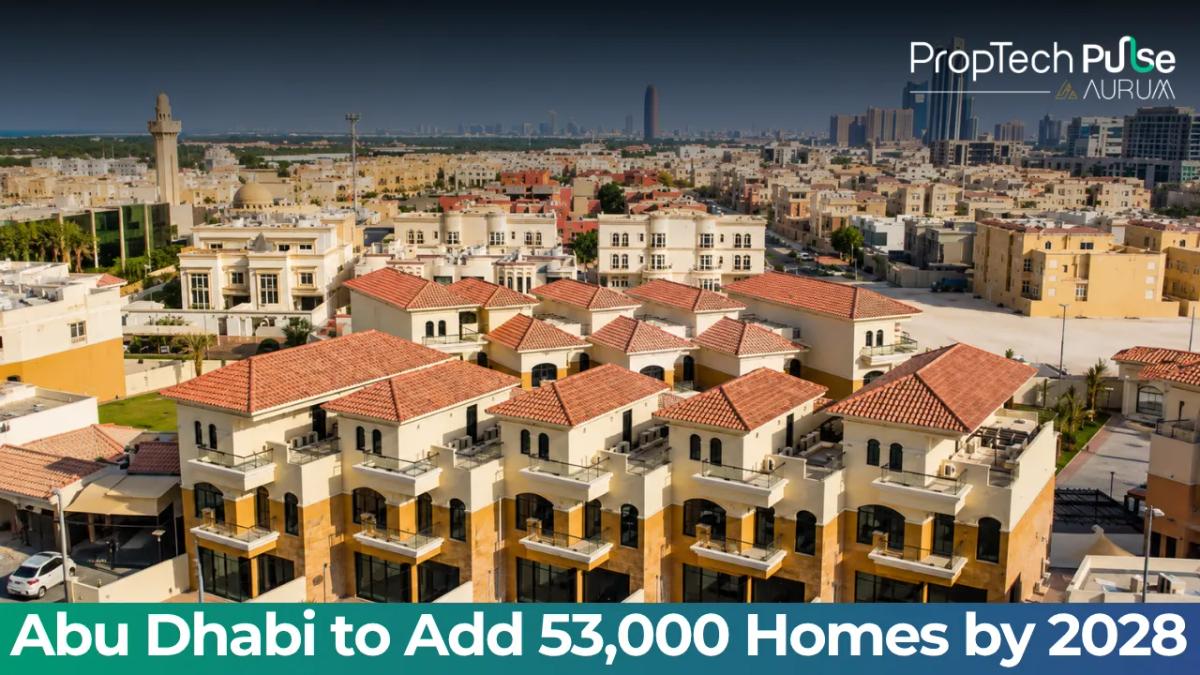
Abu Dhabi's residential property market is set for a major increase in housing supply between 2026 and 2028.
More than 53,000 new residential units are expected to enter the market during this period.
The additional supply could moderate the pace of property price and rental growth in the capital.
The outlook follows strong residential market performance during the first half of 2026.
New Supply Could Ease Price Growth
The expected increase in housing inventory is likely to give buyers and tenants more options.
Greater availability could reduce pressure on prices and rents.
However, the impact will depend on how quickly the new homes are delivered and absorbed.
Prime and high-demand locations could continue to experience stronger price performance despite the wider supply increase.
Also Read: Hudayriyat Island Leads Abu Dhabi Sales With Dh19bn
Abu Dhabi Property Prices Rise in H1 2026
Abu Dhabi's residential market recorded strong growth during the first half of 2026.
Property prices increased at double-digit rates across several segments and communities.
Waterfront and lifestyle destinations remained among the strongest-performing areas.
Demand has been supported by population growth, investor interest and continued economic activity.
Rental Market Also Recorded Strong Growth
Rental values also increased significantly during the first half of the year.
Limited availability in several popular communities contributed to higher rents.
Strong tenant demand helped landlords maintain pricing power.
The incoming supply pipeline could gradually improve availability and give tenants greater choice.
53,000 Homes Form a Major Supply Pipeline
The expected 53,000-plus units represent a substantial addition to Abu Dhabi's residential stock.
The new homes are expected to be delivered across multiple communities and development zones.
The scale of the pipeline could mark a shift from the relatively tight supply conditions seen in recent years.
Developers are continuing to launch projects in response to sustained demand.
Also Read: Abu Dhabi to Add 71,000 Homes by 2030, Peak in 2028
Demand Remains Supported by Population Growth
Abu Dhabi continues to attract residents, professionals and investors.
Population growth has increased underlying demand for both homes and rental properties.
The emirate's economic diversification and expanding business ecosystem are also supporting residential demand.
This could help the market absorb a significant portion of the upcoming supply.
Prime Locations Could Remain Resilient
Not all segments of the Abu Dhabi property market are expected to respond equally to the new supply.
Established waterfront and lifestyle destinations could continue to command a premium.
Locations such as Yas Island, Saadiyat Island and Al Reem Island have attracted strong buyer and tenant demand.
High-quality projects with strong amenities and connectivity may therefore continue to outperform the broader market.
More Choice for Homebuyers and Tenants
For buyers, the increase in new homes could create more choice across price points and property types.
Tenants could also benefit from greater availability as completed units enter the rental market.
Competition among landlords may increase in areas where supply grows faster than demand.
This could result in more moderate rental growth compared with the sharp increases recorded recently.
Developers Face a More Competitive Market
The larger supply pipeline could also increase competition among developers.
Projects with strong locations, differentiated amenities and attractive pricing are likely to have an advantage.
Developers may increasingly focus on matching new launches with specific demand segments.
Delivery timing will also be important as multiple projects enter the market.
Abu Dhabi Market May Move Towards Balance
The expected supply increase does not necessarily indicate a downturn in Abu Dhabi's property market.
Instead, it could help the market move towards a more balanced phase.
Strong demand combined with rising supply could support continued transactions while reducing the pace of price and rental increases.
With more than 53,000 homes expected by 2028, Abu Dhabi's residential market could enter a period of healthier supply-demand conditions.
Enjoyed this update? Visit PropTech Pulse for more real estate news, investment insights and property market trends.


