New Launch - India Real Estate Report 2026.









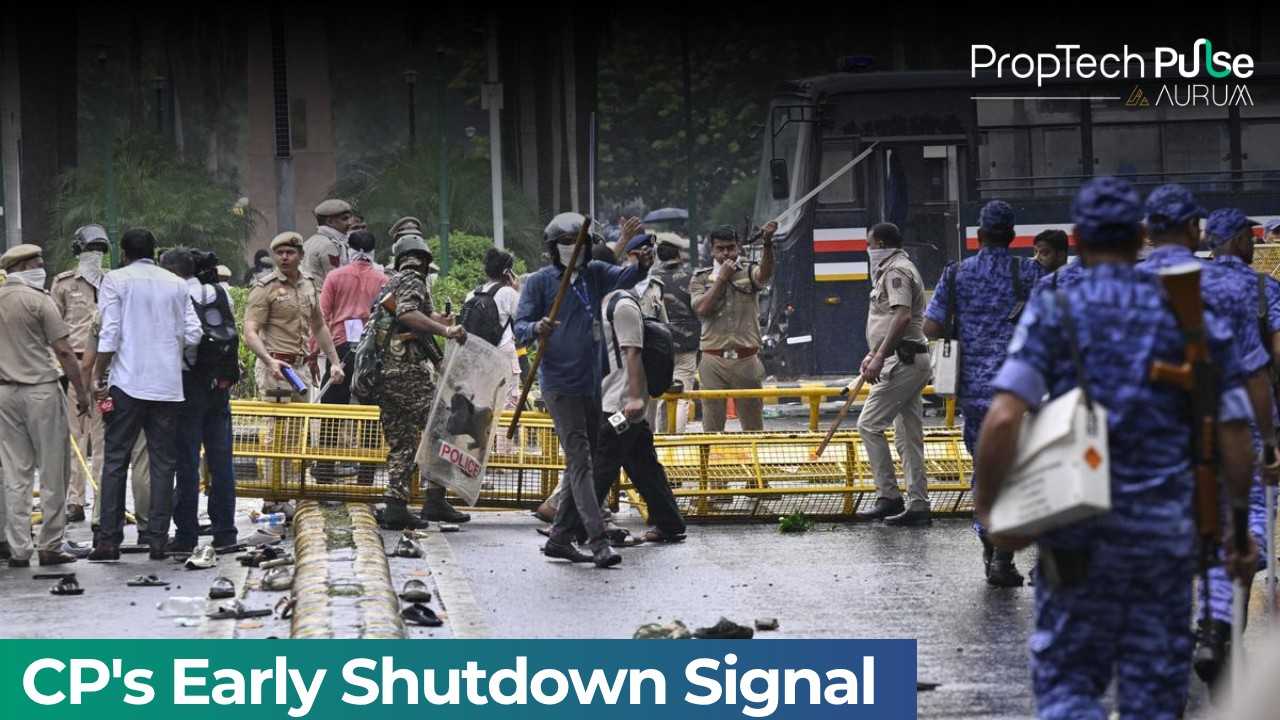
Connaught Place doesn't shut early. Not for weather, not for traffic, rarely for anything short of a national emergency. This week it did, at 6:30 pm, on instruction from the local traders' body. That single fact says more about the commercial cost of Delhi's ongoing unrest than any footfall statistic could.
What forced the early shutdown
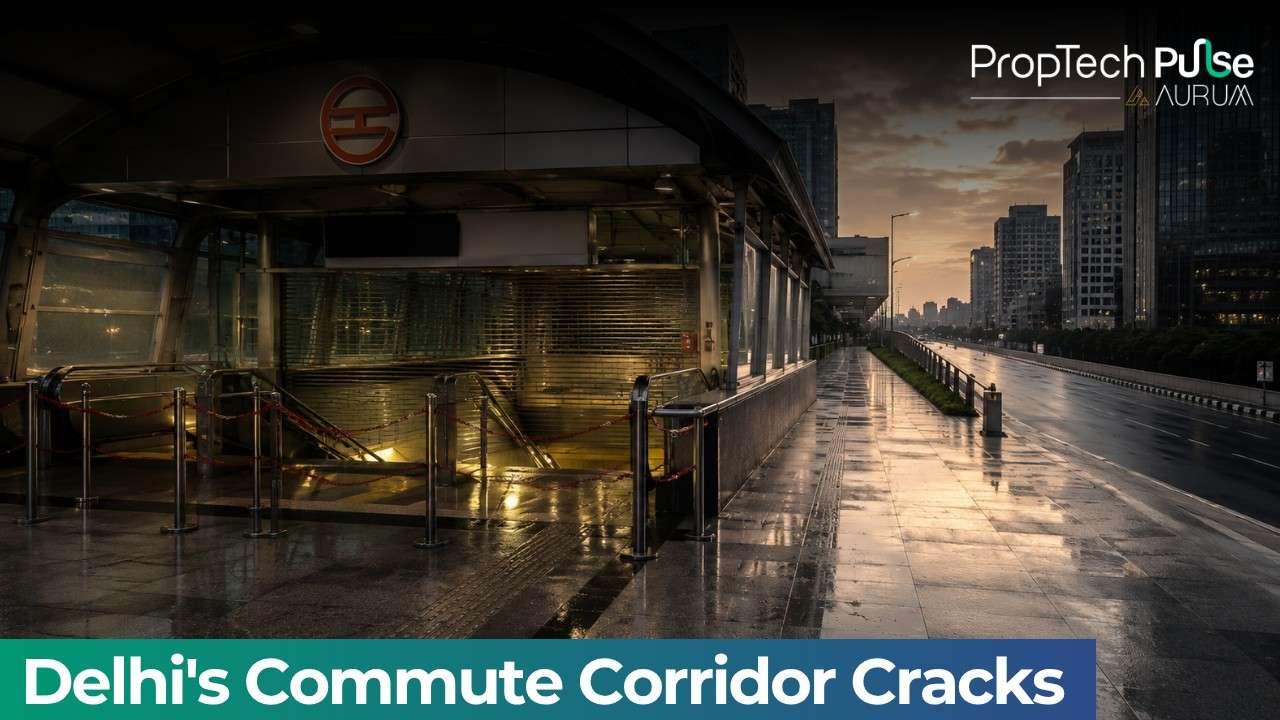
The New Delhi Traders Association issued the advisory after receiving instructions from the New Delhi Municipal Council, citing a critical situation in and around the area. Shops, offices and restaurants across the circle were told to close for the day well ahead of normal hours. The directive asked business owners to cooperate fully and avoid any risk of property damage or injury. Sixteen metro stations nearby had already been shut for security reasons, cutting off a large share of the footfall that keeps CP's retail economy running on an ordinary Thursday.
Why this matters more than a single bad evening
One early closure is a rounding error. Six weeks of intermittent disruption is not. Connaught Place carries some of the highest commercial rents in Delhi precisely because of consistent, predictable footfall: office workers, shoppers, diners, tourists, moving through the circle at scale, every single day. That predictability is the asset. Landlords price rent against it. Retailers plan staffing against it. When metro access becomes conditional and closing time becomes a live decision made hour by hour, the thing being damaged isn't just a day's revenue. It's the reliability that justifies the rent in the first place.
What's Being Disrupted
|
16 metro stations shut |
6:30 pm forced shutdown |
|
6 weeks of intermittent disruption |
|
Why It Matters For Commercial Real Estate
|
Rent is priced on footfall predictability |
Thin retail margins can't absorb disruption |
|
A risk shared by every transit-dependent commercial core |
|
The metro closures compound the problem
Sixteen stations closed, including Rajiv Chowk, Barakhamba Road and Central Secretariat, three of the busiest interchange points in the entire network. For a commercial district built around metro-fed footfall, that isn't a minor inconvenience. It's a direct cut to the customer base walking through the door. Retailers in high-density commercial zones don't have much room to absorb sustained access disruption. Margins in retail are thin enough that a bad month can outlast the disruption that caused it.
What this signals for high-density commercial real estate
Delhi isn't unique here. Any dense commercial district anchored by public transit carries this same fragility: the value proposition depends on access staying frictionless, and access is precisely what civic disruption interrupts first. Landlords and retailers in comparable high-footfall zones, Fort in Mumbai, MG Road in Bengaluru, would face an identical squeeze under similar conditions. The lesson for anyone holding or leasing commercial property in a transit-dependent district isn't about this particular protest. It's that footfall-dependent retail in dense urban cores carries a form of operational risk that rarely shows up in a standard lease negotiation, and six weeks of Delhi's unrest has made that risk considerably harder to ignore.
Enjoyed this update? Visit PropTech Pulse for more real estate news and market insights.