New Launch - India Real Estate Report 2026.

Services
Knowledge Hub
Resources
Tools

Ask Pulse Ai
©PropTech Pulse 2025, All rights reserved.


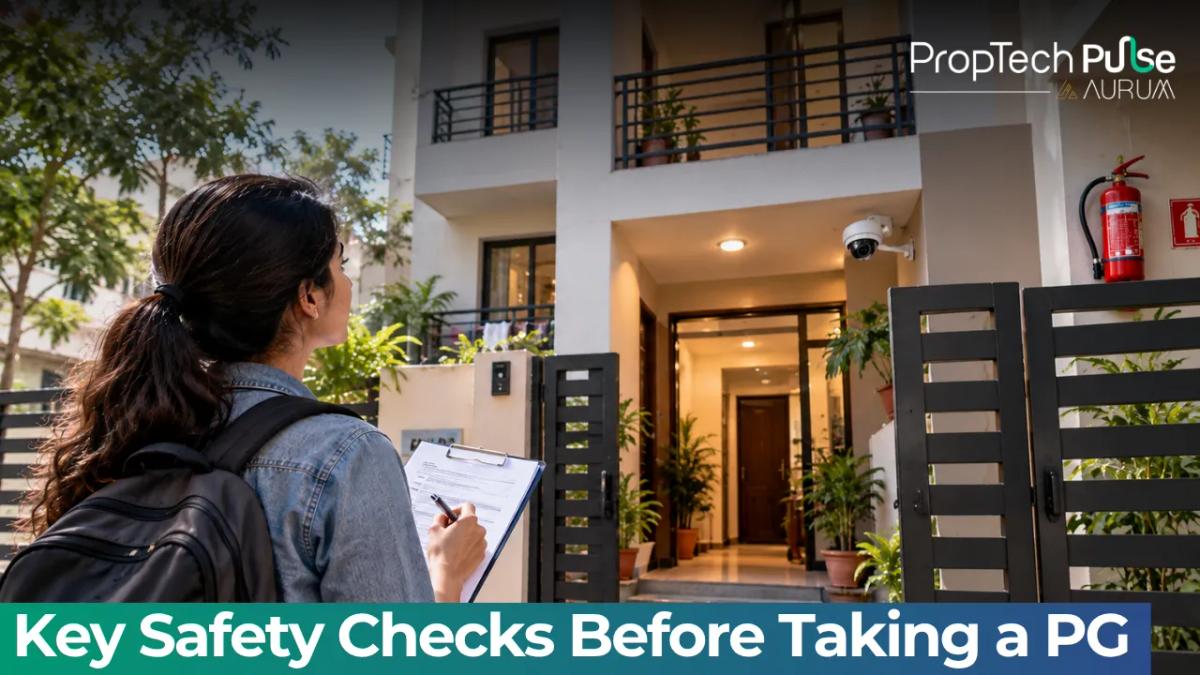
According to a Hindustan Times report, the recent building collapse in Delhi's Satya Niketan has renewed concerns about structural safety and unauthorised construction in paying guest accommodations.
For students and young professionals, checking rent and amenities is not enough before moving into a PG.
The collapsed building reportedly had no sanctioned building plan and unauthorised basement construction.
The incident highlights the importance of checking a property's legal and physical condition before signing a rental agreement.
Check Building Condition and Unauthorised Alterations
Look for visible cracks, damaged columns, sagging ceilings, weak staircases and signs of water damage. Major or expanding cracks should not be ignored.
Tenants should also ask whether the building has undergone recent structural changes.
Unauthorised additions, extra floors, basement alterations or conversion of spaces into additional rooms can create safety risks.
Avoid properties where the owner cannot clearly explain major construction or renovation work carried out on the building.
Also Read: NBCC Plans Fresh E-Auction of 262 Chanakyapuri Flats
Verify Sanctioned Plans and Fire NOC
Prospective tenants should check whether the building has the required approvals and whether its current layout matches the sanctioned plan.
This is particularly important when an older low-rise property has been converted into a multi-storey PG.
Fire safety approvals are another critical check. In Delhi, buildings above nine metres housing more than 20 students require a fire NOC under the applicable rules.
Tenants should ask to see the relevant certificate rather than relying only on verbal assurances.
Also Read: Delhi MPD-2047: 10 Key FAQs on Property and Development Rules
Check Emergency Exits and PG Safety Standards
A safe PG should have accessible exits, clear stairways and basic emergency arrangements. Check whether fire extinguishers, alarms and evacuation routes are available and accessible.
Also check whether common areas, corridors and staircases are being used for storage or blocked by furniture.
Overcrowding and excessive room additions can further increase evacuation risks.
Before paying a deposit, tenants should verify the property's documents, safety approvals and physical condition. A lower rent should not outweigh concerns about structural or fire safety.
Enjoyed this update? Visit PropTech Pulse for more real estate news, investment insights and property market trends.


